






























This site uses cookies. By continuing to browse the site you are agreeing to our use of cookies.


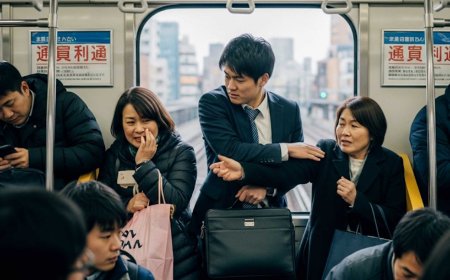
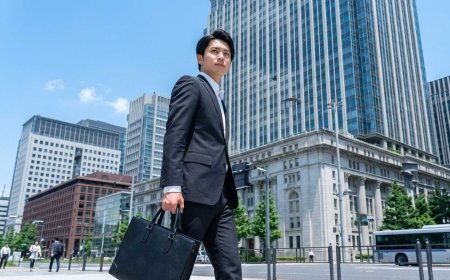
Understanding the cultural, social, and economic factors behind its low crime rate.
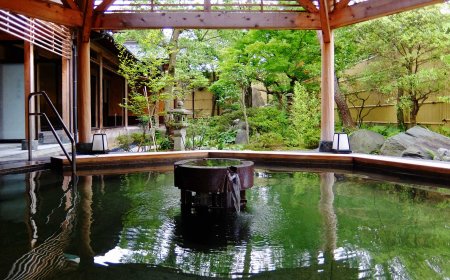
Visiting an onsen (温泉) bath in Japan is more than just a way to relax—it’s a c...
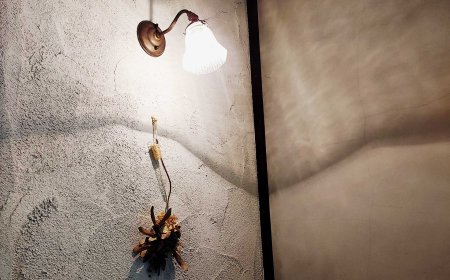
Wabi-sabi (侘寂) is a Japanese aesthetic and worldview that embraces imperfectio...
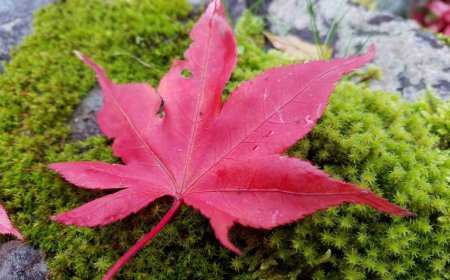
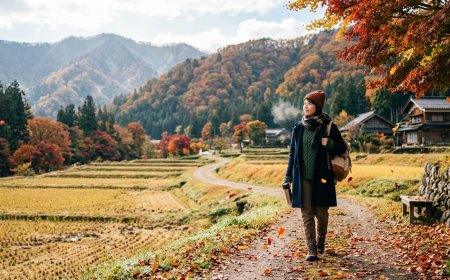
As the leaves fall in Japan’s serene autumn, they whisper timeless lessons about...
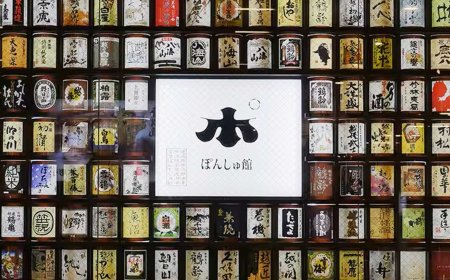
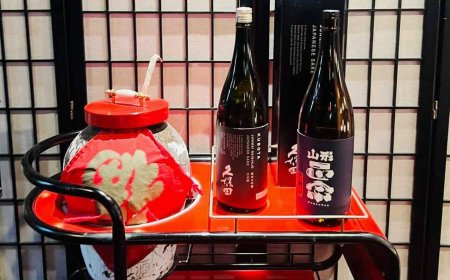
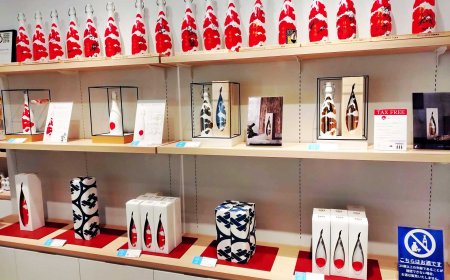
Ponshukan is more than just a sake shop — it’s a paradise for sake lovers and cu...

Tama-ko, a brave female Shiba Inu from the snow-covered region of Niigata, Japan...

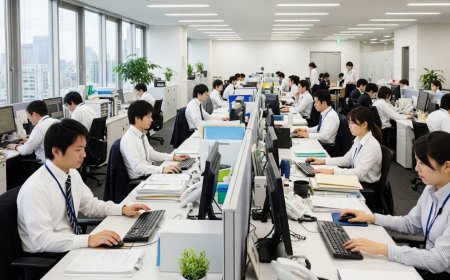
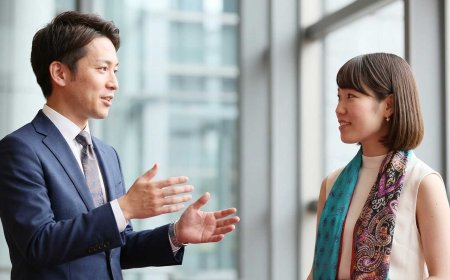
Learn how to write and respond to Japanese business emails with proper etiquette...
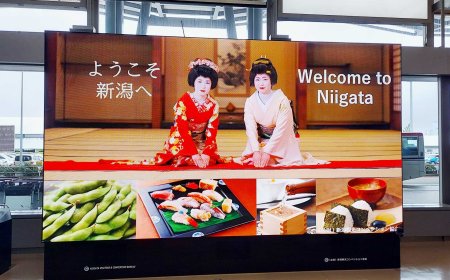
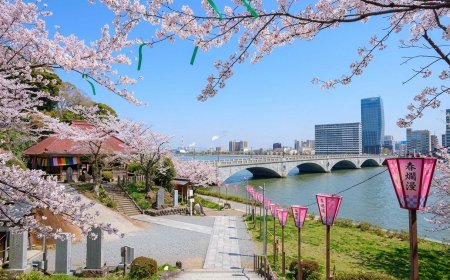
Niigata, Japan’s coastal prefecture known for rice, sake, and snow, hides countl...
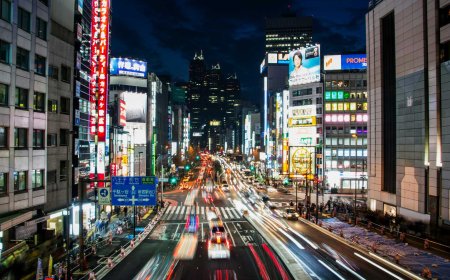
Practical strategies for Overseas Filipino Workers (OFWs) in Japan to maintain a...

A scathing satire that connects Araw ng mga Patay (All Souls’ Day) with the neve...

Watching anime can help beginners learn Japanese naturally through immersion, vo...
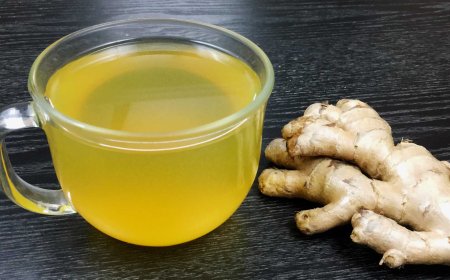
Salabat, a soothing tea made from fresh ginger, is more than just a hot drink in...

Japan’s culture of “less is more” is rooted in centuries-old traditions, from Ze...

During the September 21 protests against corruption in the Philippines at Liwasa...
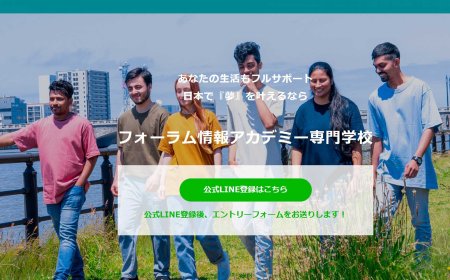
Forum Information Academy in Niigata offers a two-year, practice-driven IT progr...

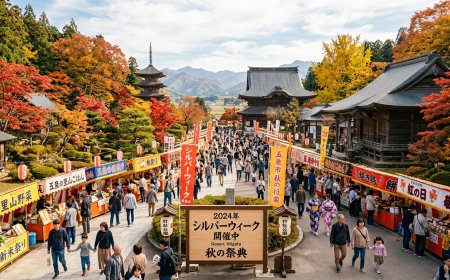
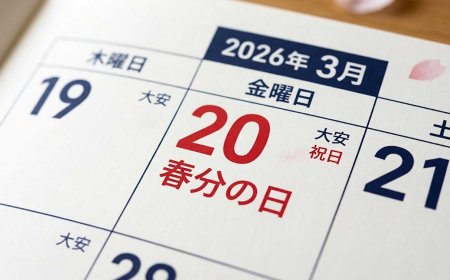
Shūbun no Hi (秋分の日), or Autumnal Equinox Day in Japan, is more than just a n...