











































Japan Status of Residence Explained: Guide for Foreigners
If you are planning to live, study, or work in Japan, understanding your Status of Residence is one of the most important things you can learn. It determines what you are allowed to do in Japan, how long you may stay, and, in many cases, whether you are permitted to work.
Not Visa, but Status of Residence
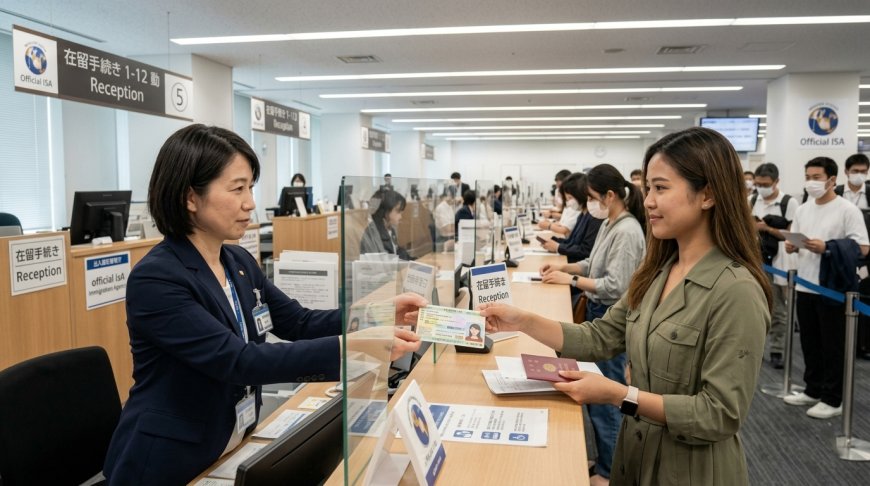
Foreigners living in Japan often say things like, "My visa expires next year," "I'm changing my work visa," or "My company renewed my visa." These expressions are common, and everyone usually understands what they mean. Technically, however, once you are living in Japan, the more important term is often not "visa," but 在留資格 (ざいりゅうしかく / zairyū shikaku), or Status of Residence.
This distinction might sound like unnecessary immigration terminology, but it is important. Your Status of Residence determines the activities you are legally allowed to engage in while living in Japan. A university student, software engineer, restaurant worker, spouse of a Japanese national, and permanent resident may all be foreigners living in Japan, but their legal rights to work and conduct other activities can be very different.
Japan currently has 38 types of Status of Residence, covering employment, education, family relationships, permanent residency, and specially designated activities. If you plan to build a life in Japan, understanding your own status is essential.
What Is a Status of Residence in Japan?
A Status of Residence is a legal category under Japanese immigration law that determines the activities or personal circumstances under which a foreign national is permitted to enter and reside in Japan.
In simple terms, your Status of Residence determines why you are allowed to stay in Japan and, depending on the status, what you are allowed to do while you are here.
For example, someone may be allowed to live in Japan because they are studying at a Japanese school, working as an engineer, teaching at a school, operating a business, working under the Specified Skilled Worker system, married to a Japanese national, living as a dependent family member, or residing as a permanent resident. These situations are legally different, which is why simply saying, "I have a Japanese visa," does not tell the whole story.
Japan Residence Fees Increase October 2026: New Visa Renewal & PR Costs
Visa and Status of Residence Are Not Exactly the Same Thing
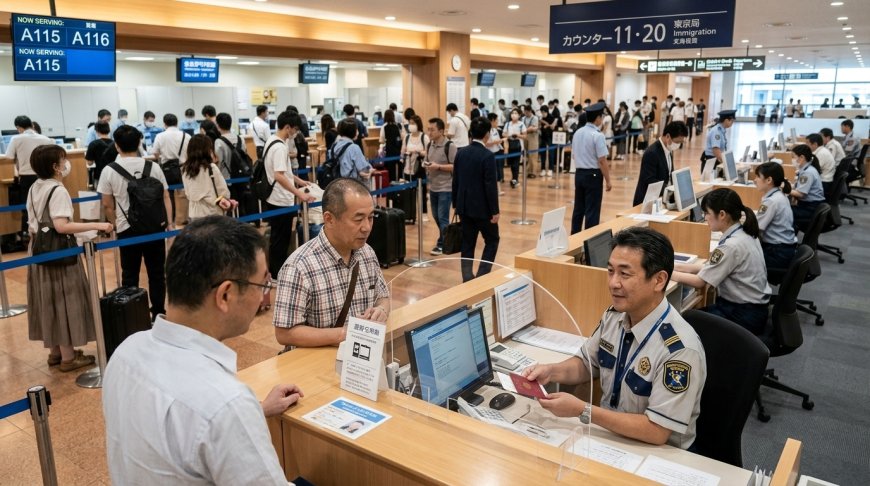
This is one of the most common areas of confusion for foreigners. People often use the words visa and Status of Residence interchangeably. In everyday conversation, that normally causes no problem, but legally and administratively they are different.
A visa is generally issued by a Japanese embassy or consulate overseas before a foreign national travels to Japan. It is connected with the process of requesting permission to enter Japan.
A Status of Residence, on the other hand, is the legal category under which you are permitted to stay in Japan after admission into the country. For example, someone overseas may apply for a visa to come to Japan as a student. After entering Japan, that person resides under the Status of Residence 留学 (りゅうがく / Student).
Similarly, someone coming to Japan for an IT or engineering job may reside under 技術・人文知識・国際業務 (ぎじゅつ・じんぶんちしき・こくさいぎょうむ), or Engineer/Specialist in Humanities/International Services.
This is why when someone living in Japan says, "I need to renew my visa," what they are often actually applying for is Permission for Extension of Period of Stay.
What Is a Certificate of Eligibility?
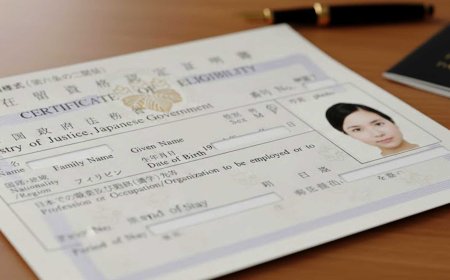
Foreigners preparing to move to Japan may also encounter the term 在留資格認定証明書 (ざいりゅうしかくにんていしょうめいしょ), or Certificate of Eligibility (COE).
A Certificate of Eligibility is generally used during the process of bringing a foreign national to Japan for a medium- or long-term activity. For example, imagine a student in the Philippines who has been accepted by a vocational school in Japan. The school or another representative in Japan may apply for a Certificate of Eligibility. Once issued, the certificate can generally be used when applying for the appropriate visa at a Japanese embassy or consulate.
The COE does not mean that you already have permanent permission to live in Japan. It is part of the immigration process used to demonstrate that the intended activities appear to meet the conditions for the relevant Status of Residence.
Japan Has 38 Statuses of Residence
As of 2026, Japan has 38 types of Status of Residence. Most foreigners do not need to memorize every category. It is easier to understand them by looking at the major groups and some of the statuses foreigners commonly encounter.
Engineer/Specialist in Humanities/International Services
技術・人文知識・国際業務 is one of the most familiar work-related statuses among foreign professionals. It can cover qualifying activities in fields such as information technology, engineering, accounting, marketing, translation, interpretation, international business, design, and certain office and professional positions.
The important thing to understand is that having this status does not mean you can perform every type of paid work in Japan. Your employment must fall within the activities permitted under your Status of Residence.
Instructor
教育 (きょういく / Instructor) can apply to certain foreigners teaching at educational institutions such as elementary schools, junior high schools, and senior high schools.
Professor
教授 (きょうじゅ / Professor) covers qualifying activities involving research, research guidance, or education at universities and similar institutions.
Business Manager
経営・管理 (けいえい・かんり / Business Manager) is intended for qualifying activities involving operating or managing a business in Japan. Simply registering a company does not automatically mean someone qualifies for Business Manager status. Separate immigration requirements apply.
Skilled Labor
技能 (ぎのう / Skilled Labor) covers certain occupations requiring specialized skills that fall within categories provided under Japanese immigration rules.
Nursing Care
介護 (かいご / Nursing Care) is a work-related Status of Residence for qualifying foreign professionals engaged in nursing-care work.
Intra-company Transferee
企業内転勤 (きぎょうないてんきん / Intra-company Transferee) may apply when an employee of an overseas organization is transferred to its operation in Japan and meets the applicable requirements.
Specified Skilled Worker
Another increasingly important Status of Residence is 特定技能 (とくていぎのう / Tokutei Ginō), or Specified Skilled Worker. It was introduced to address labor shortages in designated industries.
There are two categories: Specified Skilled Worker (i), or 特定技能1号, and Specified Skilled Worker (ii), or 特定技能2号. Specified Skilled Worker (i) allows qualifying foreign workers with the required skills to work in designated industrial fields. Specified Skilled Worker (ii) applies to foreigners performing work requiring a higher or proficient level of skill in designated fields.
The conditions and benefits of these two categories are different, so they should not be treated as interchangeable.
Student Status of Residence
International students usually reside under 留学 (りゅうがく / Student). This allows a foreign national to receive education at qualifying institutions such as universities, junior colleges, vocational schools, Japanese-language educational institutions meeting applicable requirements, high schools, and certain other schools.
However, Student status does not automatically give unrestricted permission to work.
Students who receive 資格外活動許可 (しかくがいかつどうきょか), or Permission to Engage in Activity Other Than That Permitted under the Status of Residence Previously Granted, may generally engage in part-time employment within the conditions of that permission.
For many international students with blanket permission, this normally means up to 28 hours per week during ordinary school periods, subject to applicable rules. Different rules can apply during long school vacations specified by the educational institution. Certain adult-entertainment-related employment is prohibited even when a student has permission for part-time work.
The important point is simple: Student Status of Residence does not equal unlimited permission to work.
Dependent Status
家族滞在 (かぞくたいざい / Dependent) can apply to qualifying spouses and unmarried minor children supported by foreigners holding certain Statuses of Residence.
Dependent status generally covers everyday activities as a supported family member. It does not by itself provide unrestricted employment rights. A dependent wishing to work may need permission to engage in activities outside the scope of the original Status of Residence, and the conditions of that permission should always be checked carefully.
Spouse of a Japanese National
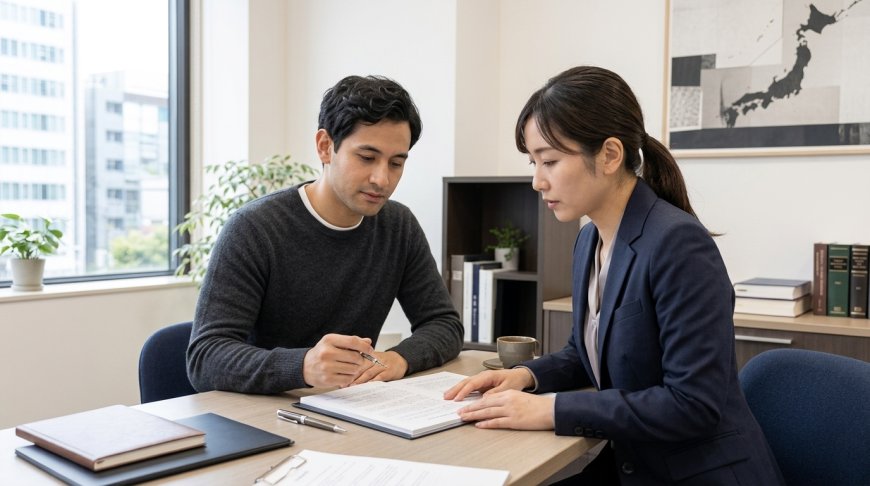
A foreigner married to a Japanese national may qualify for 日本人の配偶者等 (にほんじんのはいぐうしゃとう), or Spouse or Child of Japanese National.
Unlike many activity-based work statuses, this status is based on the person's family or personal circumstances. One important practical difference is that employment is generally not restricted to one particular professional field in the same way as an activity-based employment status.
However, obtaining this Status of Residence is not automatic simply because someone legally marries a Japanese citizen. The Immigration Services Agency examines the application and individual circumstances.
Spouse or Child of Permanent Resident
永住者の配偶者等 (えいじゅうしゃのはいぐうしゃとう), or Spouse or Child of Permanent Resident, applies in qualifying family circumstances involving permanent residents and certain children.
Long-Term Resident
定住者 (ていじゅうしゃ / Long-Term Resident) is another status based on particular circumstances determined under Japanese immigration law.
Long-Term Resident should not be confused with Permanent Resident. They are different Statuses of Residence.
Permanent Resident
永住者 (えいじゅうしゃ / Permanent Resident) provides substantially greater flexibility than many activity-based residence statuses. A Permanent Resident is not restricted to a particular field of employment in the same way that someone holding certain work-related statuses can be.
Permanent Residence also generally does not require repeated extensions of a period of stay in the same manner as temporary statuses. However, Permanent Residence does not mean Japanese citizenship. A permanent resident remains a foreign national unless they later acquire Japanese nationality through a separate legal process.
The residence card itself also has validity and renewal requirements, which should not be confused with the person's Permanent Resident status.
Designated Activities
Japan also has 特定活動 (とくていかつどう / Designated Activities). This category is unusual because the activities permitted depend on what has specifically been designated for that person.
Examples under various Designated Activities arrangements can include certain working holiday participants, domestic workers in qualifying circumstances, EPA nurse and certified care-worker candidates, job-seeking graduates, and digital nomads.
You should therefore never assume that two people who both have "Designated Activities" are necessarily allowed to do the same thing.

Your Status of Residence Determines What Work You Can Do
This is one of the most important things foreign residents need to understand. You should never assume, "I have a work visa, so I can work anywhere."
Japan's immigration system is generally based on categories of permitted activities. Imagine someone working as a software engineer under Engineer/Specialist in Humanities/International Services who decides to leave their technology company. Another company offers them a job.
Does changing companies automatically mean they need a different Status of Residence? Not necessarily. If the new job still falls within activities permitted under their current status, changing employers does not necessarily require changing the Status of Residence itself.
However, if that person changes to work outside the scope of the existing status, different immigration procedures may be necessary. This is why foreigners should check before making major employment changes rather than discovering a problem afterward.
Check the Work Restrictions on Your Residence Card
If you have a Japanese residence card, pay attention to the section concerning 就労制限の有無 (しゅうろうせいげんのうむ), which indicates whether employment restrictions exist.
Depending on your status, the information may indicate that employment is not permitted, employment is permitted only within activities allowed by the Status of Residence, employment is permitted only according to specifically designated activities, or there are no employment restrictions.
If permission for activities outside your original status has been granted, relevant information may also be shown or recorded with your residence information.
Do not simply carry your residence card. Understand what it says.
Japan Changed the Residence Card Format in 2026
Foreign residents should also know about an important recent change. From June 14, 2026, Japan introduced new-format residence cards as part of changes that also allow certain residence-card functions to be integrated with My Number Card functions through the Specified Residence Card system.
Because of the new format, the information printed or electronically stored and the way certain information is checked has changed. Someone whose residence card was issued before June 14, 2026 may therefore have a card that looks different from a newly issued one.
This does not automatically mean the older card is invalid. Foreign residents should consult current Immigration Services Agency guidance when they need to confirm information concerning old and new residence cards.
Status of Residence and Period of Stay Are Different
Another important distinction is between 在留資格 (Status of Residence) and 在留期間 (Period of Stay).
Your Status of Residence explains the legal category under which you are residing in Japan. Your Period of Stay tells you how long you are currently permitted to remain under that status.
For example, two foreign engineers may both have Engineer/Specialist in Humanities/International Services, but they may not necessarily have the same Period of Stay. The period granted depends on the applicable status and the decision made in the individual immigration case.
This is why you should always pay attention to your expiration date.
What Happens When Your Period of Stay Is About to Expire?
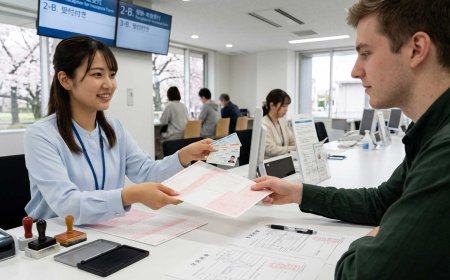
If you want to continue residing in Japan under the same Status of Residence, you will generally need to apply for 在留期間更新許可 (ざいりゅうきかんこうしんきょか), or Permission for Extension of Period of Stay, when appropriate.
Do not wait until the last minute. Depending on your Status of Residence and circumstances, Immigration may require documents concerning your employment, organization, income, taxes, activities, school enrollment, or family circumstances.
Requirements differ by category and individual situation, so always check the latest official requirements for your Status of Residence.
What If Your Situation Changes?
Life changes. You may graduate, get a job, change careers, marry, divorce, start a business, stop studying, or change employers. Your Status of Residence may need attention when major changes occur.
For example, an international student graduating from a Japanese university or vocational school and accepting qualifying professional employment may need to apply for a Change of Status of Residence before beginning full-time employment under the new status.
Likewise, a foreign employee who decides to leave their job and operate a business cannot simply assume their existing employment-related status automatically covers the new activity.
Marriage may also make someone eligible to apply under an appropriate family-based Status of Residence, but marriage itself does not automatically change the status they currently hold.
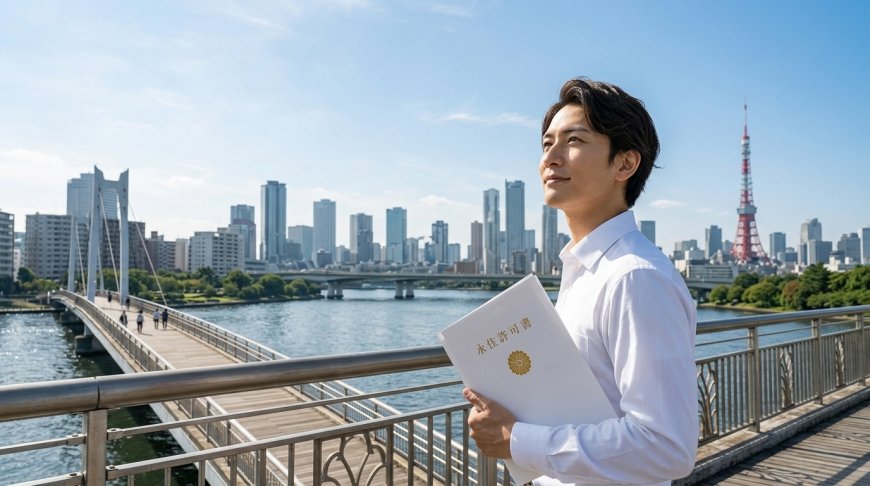
Changing Jobs Does Not Always Mean Changing Your Status
Many foreign workers worry that changing employers automatically means losing or changing their residence status. That is not necessarily true.
Suppose you have Engineer/Specialist in Humanities/International Services and move from one qualifying IT job to another qualifying IT position. You may not need to change your Status of Residence simply because your employer changed.
However, depending on your status and circumstances, you may have a legal obligation to notify the Immigration Services Agency about changes involving your affiliated or contracting organization. For several employment-related statuses, specified changes such as termination of a contract or entering into a contract with a new organization must generally be reported within 14 days.
The exact notification requirements depend on your Status of Residence. Do not assume your employer will automatically handle every immigration obligation for you.
What If You Lose Your Job?
One common immigration myth is: "If you lose your job, your visa disappears immediately."
That is generally not how the system works. Losing your employment does not automatically make your Status of Residence disappear the moment your employment contract ends.
However, this does not mean you can ignore immigration rules indefinitely. Certain activity-based Statuses of Residence can become subject to revocation procedures when a person stops engaging in their authorized activity for a qualifying period without a justifiable reason. Other circumstances can also create immigration problems, particularly if someone engages in or attempts to engage in activities they are not authorized to perform.
This is why the often-repeated claim that "you automatically lose your visa after three months without a job" is misleading. The law and the person's individual circumstances matter.
Someone who loses a job should understand their notification obligations, actively address their immigration situation, look for qualifying employment where appropriate, keep evidence of legitimate job-search activities, and contact Immigration or a qualified professional when uncertain.
What If You Want to Work Outside Your Current Status?
Sometimes a foreign resident wants to perform paid activities outside their current Status of Residence. Depending on the circumstances, they may need Permission to Engage in Activity Other Than That Permitted under the Status of Residence Previously Granted.
This is particularly familiar to international students and dependents, but the permission is not unlimited. The activities must remain within the conditions Immigration has authorized.
If you are unsure whether freelance work, side work, part-time employment, or another business activity is legally permitted, verify it before accepting payment.
Do Not Ignore Immigration Notifications
Foreign residents sometimes focus only on renewal, but residence management involves more than renewing your period of stay every few years.
Depending on your Status of Residence and circumstances, you may have notification obligations when things change. These can include changing your employer or affiliated organization, ending an employment contract, signing a contract with a new qualifying organization, changing schools, moving to another address, divorce, death of a spouse, or changes to certain personal information.
Many applicable organization- or spouse-related notifications must be made within 14 days, although the exact requirements depend on the situation.
Register Your Address Properly
Medium- to long-term foreign residents generally need to properly register their place of residence with their municipal office. When moving, address-related procedures must also be completed.
Your registered address connects to many parts of daily life in Japan, including residence records, My Number, health insurance, taxes, government correspondence, child-related services, and other municipal services. Keeping your official address accurate is part of maintaining proper residence records.
Taxes and Social Insurance Can Matter
Foreign residents sometimes think Immigration only looks at passports, employment contracts, and residence cards. In reality, other aspects of your record can matter.
The Immigration Services Agency states that factors considered in residence-related decisions can include matters such as compliance with immigration notification obligations, payment of public dues, and circumstances involving the affiliated organization.
In practical terms, take taxes, pension, insurance, and government notifications seriously. Do not ignore a tax bill because you cannot read Japanese. Do not throw away letters from city hall. If you do not understand a document, ask someone to explain it or visit the relevant office.
Your record in Japan matters.
Your Residence Card Is Not the Same as Your Status of Residence
A 在留カード (ざいりゅうカード / Residence Card) is physical evidence containing information associated with your residence in Japan.
Depending on the current card format, it contains or provides access to information such as your name, date of birth, nationality or region, Status of Residence, expiration date of your period of stay, residence card number, employment restrictions, and permission for activities outside the original status where applicable.
But remember: Residence Card ≠ Status of Residence.
The residence card is evidence of your residence information. Your Status of Residence is the legal category under which you are permitted to stay.

Five Common Mistakes Foreign Residents Make
- "A work visa means I can do any job." No. Some work-related Statuses of Residence authorize specific categories of professional activities.
- "My employer owns my visa." Your employer may be extremely important to your immigration situation, but your Status of Residence is granted by the Japanese government. Changing employers does not automatically cancel every work-related status, although immigration rules and notification requirements still apply.
- "I can work because I have a residence card." Not necessarily. Having a residence card does not automatically mean unrestricted employment is permitted. Check your Status of Residence and work restrictions.
- "Getting married automatically gives me spouse status." No. Marriage may make someone eligible to apply under an appropriate family-based category, but the Status of Residence still needs to be granted through the immigration process.
- "Permanent Resident means Japanese citizen." No. Permanent Residence is an immigration Status of Residence. Citizenship or nationality is a separate legal matter.
What International Students Should Understand Before Graduation
International students should not wait until graduation day to start thinking about their Status of Residence.
If your current status is Student and you plan to begin full-time employment after graduation, your future work must match an appropriate Status of Residence, and you generally need the necessary immigration permission before beginning that work.
Start discussing the process with your school and future employer well before your employment start date. If necessary, consult the Immigration Services Agency or a qualified immigration professional.
Finding a company willing to hire you is only one part of the process. The job itself must also fit the relevant immigration requirements.
Where Should You Get Reliable Immigration Information?
Immigration rules are too important to base entirely on social media. Experiences shared by other foreigners can help you understand what a process feels like, but they should not replace official information.
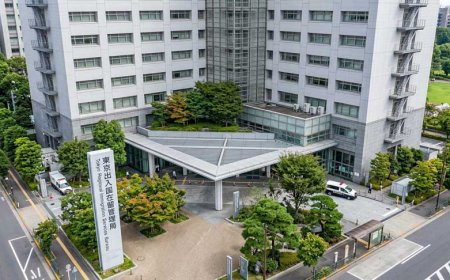
For authoritative information, start with the Immigration Services Agency of Japan (出入国在留管理庁). Depending on your situation, you can also contact the Immigration Information Center or a Regional Immigration Services Bureau.
For complicated cases, consider speaking with a qualified 行政書士 (ぎょうせいしょし / administrative scrivener) specializing in immigration matters or an immigration lawyer when legal advice is necessary.
Remember that immigration decisions can depend heavily on individual circumstances. What happened to your friend does not guarantee the same result for you.
A Simple Rule to Remember
If all of Japan's immigration terminology feels overwhelming, remember this:
Know your Status of Residence. Know what activities it permits. Know when your Period of Stay expires. Notify Immigration when legally required circumstances change.
Those four habits can prevent many avoidable problems.
Living in Japan, Legally
Living in Japan as a foreign resident comes with opportunities, but it also comes with responsibilities. Your Status of Residence is one of the foundations of your legal life in the country. It can affect whether you can study, whether you can work, what type of work you can perform, how long you can stay, and whether certain changes in your life require immigration procedures.
You do not need to become an immigration expert, but you should understand your own status. Take out your residence card and check it. What is your Status of Residence? When does your current Period of Stay expire? Are there employment restrictions? Do you have permission for activities outside your status?
If you cannot answer those questions, now is a good time to find out.
Japan's immigration system can seem complicated when you first encounter terms such as 在留資格 (Status of Residence), 在留期間 (Period of Stay), and 資格外活動許可 (Permission to Engage in Activity Other Than That Permitted). Once you understand the basic idea, however, the system becomes easier to navigate.
Your Status of Residence is essentially the legal basis for what you are allowed to do while residing in Japan. Understand it, follow its conditions, keep your records in order, and when your circumstances change, check the rules rather than assuming that what worked for someone else will also work for you.
That simple habit can save you considerable trouble later.
Important Disclaimer: This article provides general information about Japan's Status of Residence system and is not legal or immigration advice. Immigration rules, requirements, fees, and procedures can change, and individual circumstances differ. Always confirm your specific situation with the Immigration Services Agency of Japan or a qualified professional before making important immigration, employment, or residence decisions.
For more practical Japan living guides, explore related resources like the Living in Japan, Japan Starter Toolkit, and Everyday Japanese for Beginners.
Prepare Smarter, Live Better in Japan (FREE Download)
Download the First 7 Days in Japan Checklist (FREE)
Don’t guess what to do — follow a proven plan.
Download your FREE “First 7 Days in Japan Checklist” PDF now:
✔ Instant download
✔ Mobile-friendly
✔ Printable
Want the COMPLETE Version? (Premium Upgrade)
If you want a deeper, more powerful guide, there’s also a premium version available on Gumroad.
Nipino.com is committed to providing you with accurate and genuine content. Let us know your opinion by clicking HERE.