














































































How to Apply for National Health Insurance in Japan: Step-by-Step
Foreign residents in Japan are generally required to join public health insurance if they are not covered by an employer’s plan. This step-by-step guide explains how to apply for National Health Insurance in Japan, what documents to bring, how payments work, and what to do after enrollment.
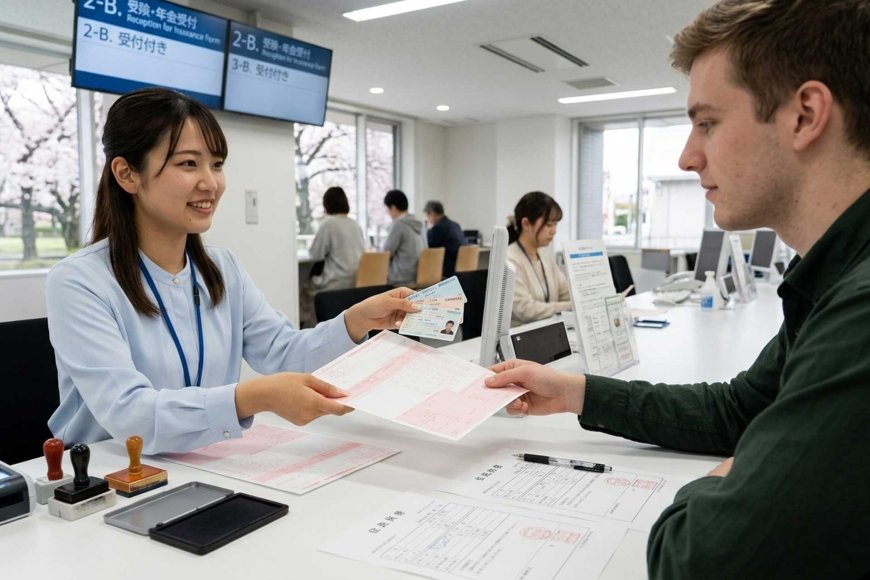
Applying for National Health Insurance
Moving to Japan comes with a long checklist: residence card, address registration, apartment contract, phone number, bank account, utilities, and maybe a mountain of paperwork that looks intimidating even before you open the envelope. Somewhere in that pile is one of the most important tasks for your life in Japan: applying for National Health Insurance, commonly called NHI or Kokumin Kenko Hoken.
It may not feel exciting. Nobody dreams about city office insurance counters before moving abroad. But the moment you get sick, injure yourself, need medicine, or visit a clinic, health insurance suddenly becomes very real. Without proper coverage, medical costs can become expensive quickly. With National Health Insurance, many residents pay only part of covered medical costs when they receive treatment.
Japan’s official Study in Japan website explains that National Health Insurance generally covers 70% of total medical costs, meaning insured people usually pay 30% of the bill for covered treatment. It also says foreign residents staying in Japan for three months or more must subscribe to National Health Insurance if they are not covered by another public insurance plan.
Want a smoother transition into life in Japan? Check out the Japan Starter Toolkit.
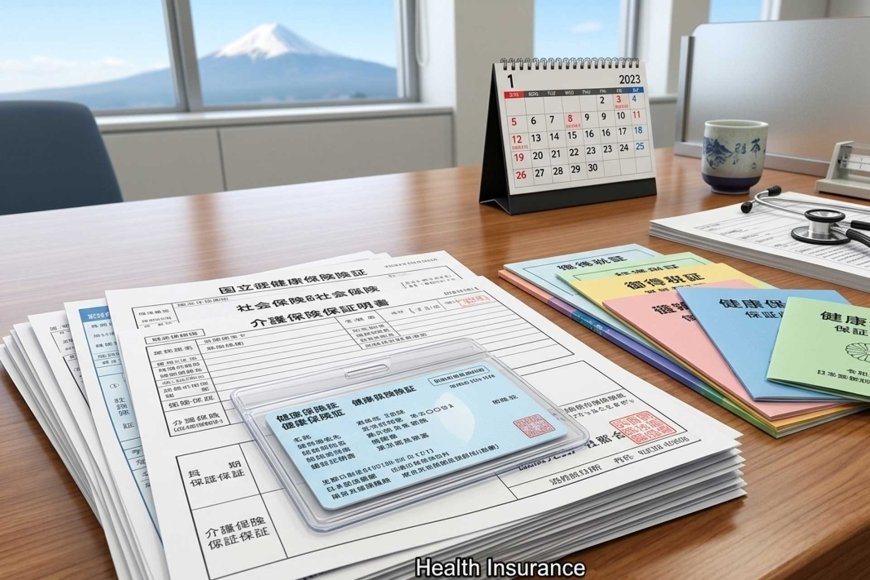
What Is National Health Insurance in Japan?
National Health Insurance is one part of Japan’s public healthcare system. It is mainly for people who are not enrolled in workplace-based health insurance. This includes many students, freelancers, self-employed workers, part-time workers, unemployed residents, and dependents who are not covered through an employer plan.
Unlike private travel insurance, NHI is not something you buy casually from a website when you feel like it. It is handled by your local municipality—your city, ward, town, or village office. Toshima City explains that foreign residents registered in Japan must also enroll in NHI if they are not enrolled in another public health insurance plan.
Think of NHI like a safety net built into daily life in Japan. You pay regular premiums, and when you visit a clinic or hospital that accepts public insurance, you show your insurance information and pay your share. For many working-age adults, that share is usually 30% of covered medical expenses.
Healthcare in Japan for Foreigners: Insurance, Costs, and How It Works
Who Needs to Apply for National Health Insurance?
You usually need to apply for National Health Insurance if you live in Japan, are registered as a resident, and are not covered by employer-based health insurance. This commonly includes international students, freelancers, self-employed people, job seekers, some part-time workers, and family members who are not covered under a company insurance plan.
Shinjuku City’s 2026 foreign resident guide says foreign residents living in Japan must be enrolled in some form of public health insurance so they can receive medical treatment with peace of mind, while people enrolled in workplace health insurance are exempt from NHI.
| Situation | Usually Apply for NHI? | Notes |
| International student | Yes | Apply at city/ward office after address registration |
| Freelancer/self-employed | Yes | Premiums depend on income and municipality |
| Full-time employee with company insurance | No | Employer plan usually applies |
| Unemployed resident | Yes | Consult city office about premium calculation |
| Short-term tourist | No | Travel insurance is separate |
| Dependent covered by employee insurance | Usually no | Confirm with employer insurance provider |
If you are unsure, do not guess. Ask your city office or employer. Japan’s insurance system is paperwork-heavy, but the staff can usually tell you which category applies to your situation.

Who Usually Does Not Apply for NHI?
Not everyone in Japan joins National Health Insurance. If your employer enrolls you in Employee Health Insurance or Social Insurance, you normally do not apply for NHI separately. Your health insurance premiums are deducted from your salary, and your employer handles the process.
Some people are also excluded from NHI, such as short-term stay visa holders and certain “Designated Activities” visa holders related to medical stay or tourism-style activities. Gifu City’s English guidance lists several categories that do not enroll, including people without valid residence status, short-term stay visa holders, diplomats, and certain specified activities related to medical treatment or tourism/recuperation.
This is why visa status matters. If you are a long-term resident, student, worker, spouse, or other registered resident, your situation is different from a tourist staying for a few weeks.

Step 1: Register Your Address at the City or Ward Office
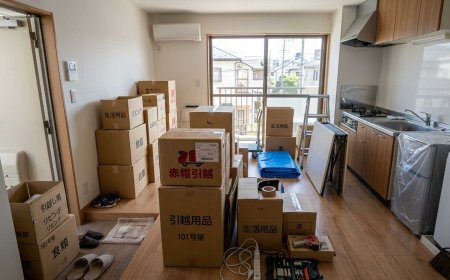
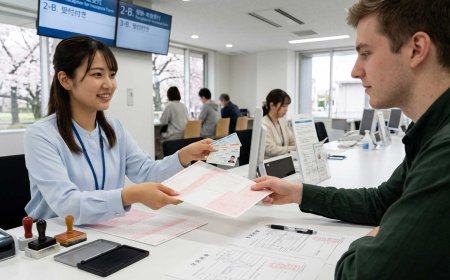
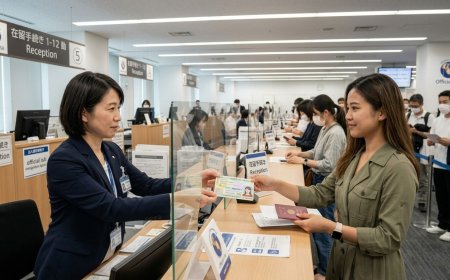
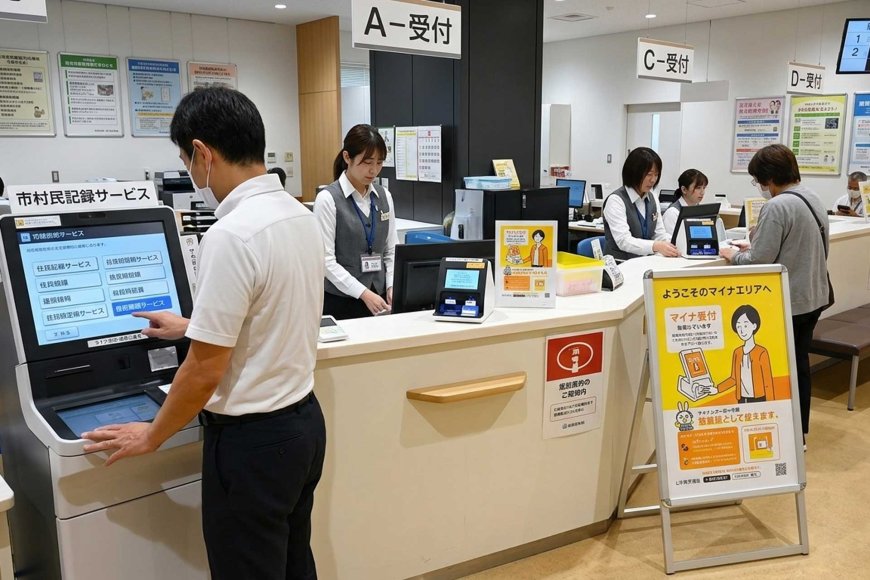
Before applying for NHI, you usually need to register your address. When you move into a city or ward, you complete the residence registration process at the local office. Nerima City’s 2026 NHI guide says that when moving into Nerima City after entering Japan, residents should visit a local residents’ office and complete the procedure for transferring residence records.
This is often done soon after arrival or moving. Many foreign residents handle address registration and NHI enrollment during the same visit. That is the most efficient way, because the city office can update your residence information and direct you to the insurance section.
First 7 Days in Japan Checklist: What to Do After Arrival
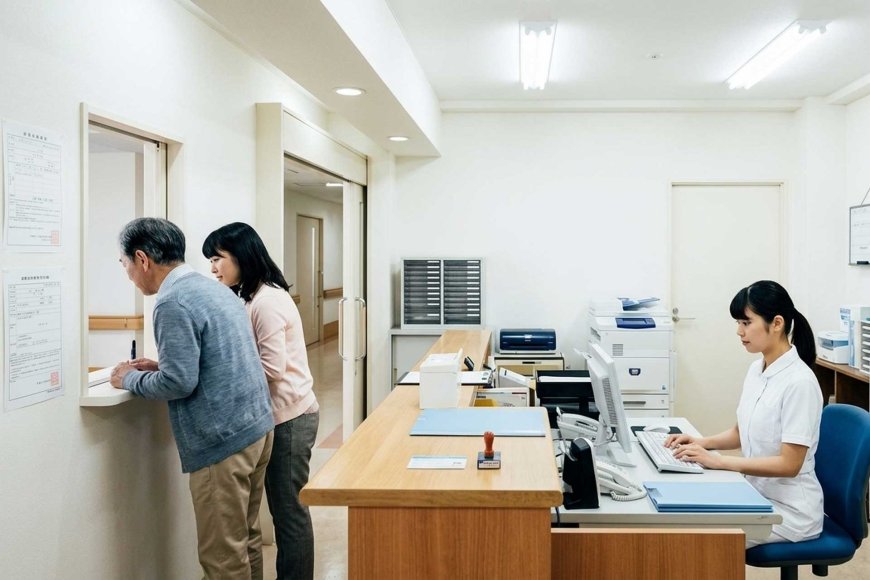
Step 2: Go to the National Health Insurance Counter
After address registration, go to the National Health Insurance section. In Japanese, it may be called 国民健康保険課 (Kokumin Kenko Hoken-ka) or something similar.
The process is usually not complicated, but city offices can be busy. Go earlier in the day if possible. If your Japanese is limited, prepare simple phrases such as:
| English | Simple Japanese |
| I want to apply for National Health Insurance. | 国民健康保険に加入したいです。 |
| I registered my address today. | 今日、住所登録をしました。 |
| I am not enrolled in company insurance. | 会社の健康保険には入っていません。 |
| What documents do I need? | 必要な書類は何ですか。 |
You do not need perfect Japanese. Clear, simple communication is enough.
Step 3: Bring the Required Documents
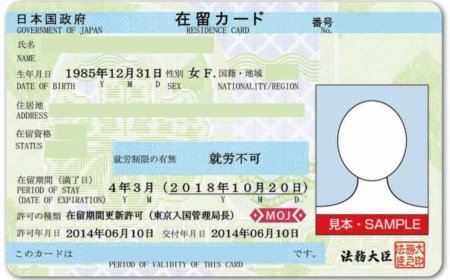
Most city offices ask for your residence card and passport. Some may also ask for My Number information, student ID, employment documents, income-related documents, or proof of previous insurance loss if you recently left a job.
Japan Health Info says residents can join NHI at the local city or ward office, usually when registering their address, and that they need their passport and residence card.
| Document | Why It May Be Needed |
| Residence card | Confirms your status and address |
| Passport | Confirms identity and entry details |
| My Number card/notice | May be requested depending on office |
| Student ID/enrollment certificate | Useful for students |
| Employment/termination document | Useful if leaving company insurance |
| Income documents | May affect premium calculation |
| Previous insurance loss certificate | Needed if switching from employer insurance |
If you are moving from another city in Japan, bring documents from your previous municipality if provided. If you left a company job, ask your employer for a certificate showing you lost workplace insurance coverage.

Step 4: Fill Out the Application Form
At the NHI counter, you will fill out an application form. The form usually asks for your name, address, date of birth, household members, residence status, and other basic information. If family members living with you also need NHI, ask whether they should be included in the same household application.
The staff may check whether you are eligible, whether you are already covered by another plan, and when your coverage should begin. Higashihiroshima City’s 2026 English NHI guidance says joining the National Health Insurance scheme is a required procedure when moving into the city, handled at the city office.
Do not rush this part. If you do not understand a question, ask. A small mistake on a government form can create confusion later.
Step 5: Receive Your Insurance Information
After applying, you will receive your insurance information. Depending on the municipality and current system, this may involve an insurance card, qualification confirmation document, or My Number health insurance card registration process. Japan has been shifting toward My Number-based health insurance verification, so procedures can vary by city and timing.
The most important thing is this: confirm what you should show at clinics and hospitals. Ask the staff directly:
| Question | Why It Matters |
| What should I show at the hospital? | To avoid paying full price |
| When does my coverage start? | To know if current treatment is covered |
| When will payment slips arrive? | To avoid missed payments |
| Can I use My Number as health insurance? | To understand current local process |
| What happens if I move city? | To avoid coverage gaps |
Do not leave the office confused. It is better to ask twice than to panic later at a clinic reception desk.
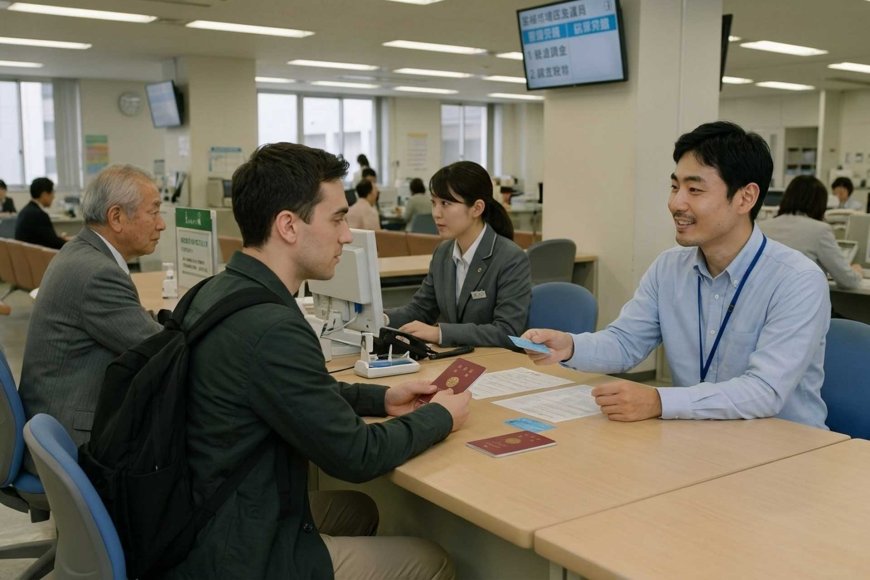
Step 6: Pay Your Insurance Premiums
National Health Insurance is not free. You pay premiums based on factors such as your municipality, previous year’s income, household size, age, and other local calculations. If you recently arrived in Japan and had no income record in Japan the previous year, your initial premium may be lower, but it can rise later after you start earning.
Kita City’s 2026 National Health Insurance handbook explains that registered municipal residents who are not Japanese must still enroll in NHI if they are eligible. Local municipalities issue payment slips or arrange bank transfer/payment methods depending on the city.
| Payment Method | How It Usually Works |
| Payment slips | Pay at convenience stores, banks, post offices, or city office |
| Bank transfer | Automatic withdrawal after setup |
| Smartphone/payment apps | Available in some municipalities |
| Salary deduction | Usually for employer insurance, not standard NHI |
Never ignore NHI payment slips. They may look like ordinary mail, but they are important. Unpaid premiums can cause financial and administrative problems later, especially if you need certificates, renew procedures, or apply for long-term residence.
Complete Guide to Budgeting in Japan: Cost of Living, Savings, and Expenses
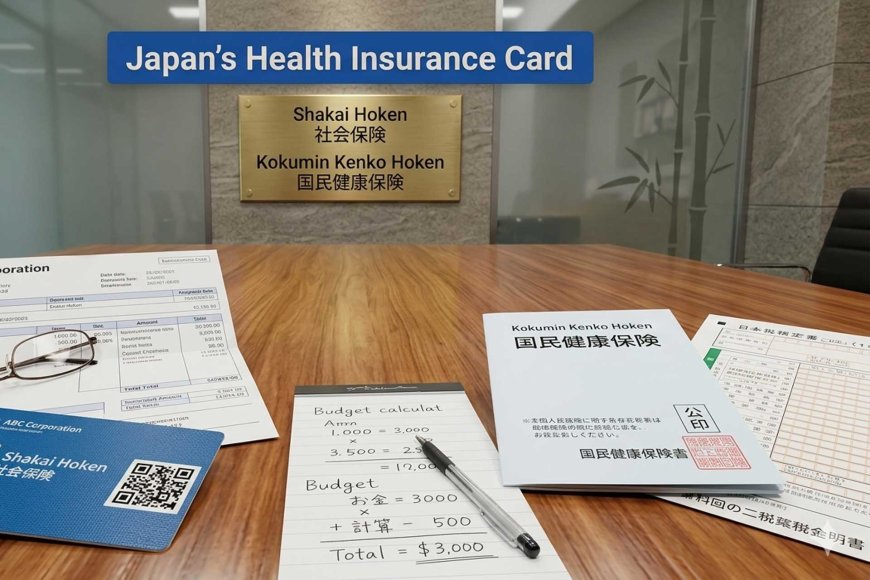
How to Use National Health Insurance at Clinics and Hospitals
When you visit a clinic, hospital, dentist, or pharmacy, show your valid insurance information at reception. If you forget it, you may be asked to pay the full amount first and apply for reimbursement later.
Study in Japan explains that insured people need to present their insurance card to receive the discounted payment, and that NHI covers 70% of total medical costs while the patient pays 30% for covered care.
| Medical Step | What Happens |
| Reception | Show insurance card/qualification/My Number health insurance |
| Consultation | Doctor checks your symptoms |
| Tests | Blood test, X-ray, etc. if needed |
| Payment | Pay your copayment |
| Pharmacy | Submit prescription and pay medicine copayment |
NHI does not cover everything. Medical certificates, some vaccines, cosmetic procedures, certain preventive checks, private room charges, and some special treatments may require full payment. Always ask before agreeing to expensive treatment.
What Happens If You Apply Late?
If you delay enrollment, you may still be required to pay premiums from the date you became eligible, depending on the municipality. You could also face a period where you must pay full medical costs upfront if you get sick before completing procedures.
Kobe University’s guidance for international students explains that registration is carried out at the city or ward office after submitting residence registration, and that during the period from arrival until NHI application, students may need to pay the full medical cost first, though they may later claim a refund for the covered portion.
This is the kind of problem you can avoid by applying early. Do not wait until you are sick. Health insurance is like an umbrella—you prepare it before the rain starts.
Common Mistakes Foreigners Should Avoid
One common mistake is assuming workplace insurance and National Health Insurance are the same. They are both public insurance systems, but they are handled differently. If your employer enrolls you in workplace insurance, do not also stay enrolled in NHI by mistake. If you leave your job and lose workplace insurance, do not forget to enroll in NHI or switch properly.
Another mistake is moving to a new city and forgetting to update insurance. NHI is municipal. If you move from one city to another, you generally need to complete procedures at both the old and new offices.
A third mistake is ignoring payment slips because they are in Japanese. If you receive envelopes from city hall, open them. Translate them. Ask someone. Many problems in Japan start with unopened letters.
Handle Insurance Before You Need It
Applying for National Health Insurance in Japan is not the most exciting part of moving, but it is one of the most important. It protects your health, reduces medical costs, and keeps your life in Japan more stable. The process is usually simple: register your address, go to the NHI counter, bring your documents, fill out the form, confirm your insurance information, and pay your premiums properly.
Do it early. Keep your documents organized. Ask questions when you do not understand. Once your insurance is in place, you can live with more confidence, knowing that if sickness or injury happens, you are not facing the system alone.
Prepare Smarter, Live Better in Japan (FREE Download)
Download the First 7 Days in Japan Checklist (FREE)
Don’t guess what to do — follow a proven plan.
Download your FREE “First 7 Days in Japan Checklist” PDF now:
✔ Instant download
✔ Mobile-friendly
✔ Printable
Want the COMPLETE Version? (Premium Upgrade)
If you want a deeper, more powerful guide, there’s also a premium version available on Gumroad.
Nipino.com is committed to providing you with accurate and genuine content. Let us know your opinion by clicking HERE.