
































Specified Skilled Worker Japan: Requirements for Foreigners
Japan's Specified Skilled Worker (SSW) system allows eligible foreign workers to work in designated industries, with SSW1 generally requiring a field-specific skills test and JFT-Basic or JLPT N4 or higher for Japanese ability. However, requirements differ by field, employers may require stronger Japanese than the immigration minimum, nursing care has an additional Japanese-language test, and food service currently has a 2026 restriction on new SSW1 Certificate of Eligibility issuance.

Skills and Japanese Language Requirements for Foreigners in 2026
For foreigners who want to work in Japan without a university-level professional job, the Specified Skilled Worker(特定技能・とくていぎのう) system can provide a pathway into several industries facing labor shortages.
However, there is a lot of confusing information online about the requirements.
You may see job advertisements saying JLPT N3, N2, or even "business-level Japanese required." Other websites may simply say that foreigners need "N4 Japanese" to work in Japan.
Neither explanation tells the whole story.
For Specified Skilled Worker 1 (特定技能1号), the immigration system generally requires applicants to demonstrate both field-specific skills and Japanese-language ability. In many fields, the Japanese-language requirement can be met with either the Japan Foundation Test for Basic Japanese (JFT-Basic) or JLPT N4 or higher.
But this is an immigration requirement, not a universal rule that every employer must accept someone with N4 or that every job only requires N4.
An employer can set higher language requirements if the actual job requires them.
There are also important field-specific exceptions. For example, nursing care requires the Nursing Care Japanese Language Evaluation Test in addition to JFT-Basic or JLPT N4, while some transportation and railway positions require JLPT N3 or higher.
This guide explains the current Specified Skilled Worker requirements in 2026, with particular attention to accommodation, food service, agriculture, construction, food manufacturing, building cleaning, and nursing care.
What Is the Specified Skilled Worker Status?
Specified Skilled Worker is a Japanese status of residence designed for foreign workers with skills needed in designated industries.
There are two main categories:
- Specified Skilled Worker 1 (特定技能1号)
- Specified Skilled Worker 2 (特定技能2号)
SSW1 is intended for workers who have the skills necessary to perform work in designated fields.
SSW2 is for workers with more advanced skills and provides a longer-term route in fields where SSW2 is available.
Under SSW1, the total period of stay is generally limited to five years. SSW1 holders generally cannot bring their family to Japan under the SSW status.
SSW2 has no general upper limit on the total period of stay, and eligible SSW2 holders can bring qualifying family members to Japan.
The important point is that Specified Skilled Worker is not one single job category.
The requirements depend on the field and, in some cases, the specific type of work within that field.
SSW1 Generally Requires Both a Skills Test and Japanese Ability
For a new applicant seeking SSW1, the basic route is generally:
Skills test + Japanese-language requirement + qualifying employment contract + immigration requirements
The Immigration Services Agency states that applicants generally need to pass a skills test for their intended field and either:
- JFT-Basic, or
- JLPT N4 or higher
There are exceptions and exemptions, particularly for people who have satisfactorily completed relevant Technical Intern Training (ii). If someone completed Technical Intern Training (ii) in a different field, additional testing can be required for the new field.
This distinction is important.
Passing JLPT N4 does not by itself qualify someone for SSW.
Likewise, passing the field skills test does not by itself qualify someone for SSW.
The applicant must satisfy the requirements applicable to the intended field and residence status.
Japan Visa & Residence Rules Changing in 2026: 10 Things Foreigners Should Check
JLPT N4 Is Generally an Immigration Requirement — Not a Universal Employer Requirement
This is one of the most important points for foreign job seekers.
Suppose an applicant wants to work in a field where SSW1 accepts:
JFT-Basic or JLPT N4+
This means the applicant can generally satisfy the Japanese-language requirement for the immigration status through one of those routes.
It does not mean:
"Every Japanese employer must hire someone with N4."
An employer may require:
- JLPT N3
- JLPT N2
- conversational Japanese
- customer-service Japanese
- Japanese reading ability
- workplace communication ability
- specific industry vocabulary
For example, a hotel may legally have a job where the immigration language threshold is N4, but the employer may prefer N2 because the employee will communicate with guests at a front desk.
The immigration requirement and the employer's hiring requirement are therefore two different things.
This is especially important when reading Japanese job advertisements.
Immigration minimum ≠ guaranteed hiring level.
1. Accommodation Jobs: Hotel and Ryokan Work
The Accommodation Industry Field (宿泊分野) covers work such as:
- Hotel front desk
- Guest services
- Hospitality
- Restaurant services within accommodation businesses
- Planning
- Public relations
For SSW1 in the accommodation field, applicants generally need to pass the Accommodation Industry Field Specified Skilled Worker (i) Test and satisfy the Japanese-language requirement through:
- JFT-Basic, or
- JLPT N4 or higher
A person who has satisfactorily completed relevant Technical Intern Training (ii) may be exempt from the applicable skills and/or Japanese testing according to the specific rules.
Does an N4 holder automatically qualify for a hotel job?
No.
N4 may satisfy the general immigration language threshold, but the employer can require a higher practical Japanese level.
This matters particularly for:
- Front desk positions
- Guest relations
- Telephone support
- Reservations
- Customer complaints
- Explaining hotel services
A housekeeping-related position and a guest-facing front-desk position may have very different practical communication demands even if they fall within the same broad industry.
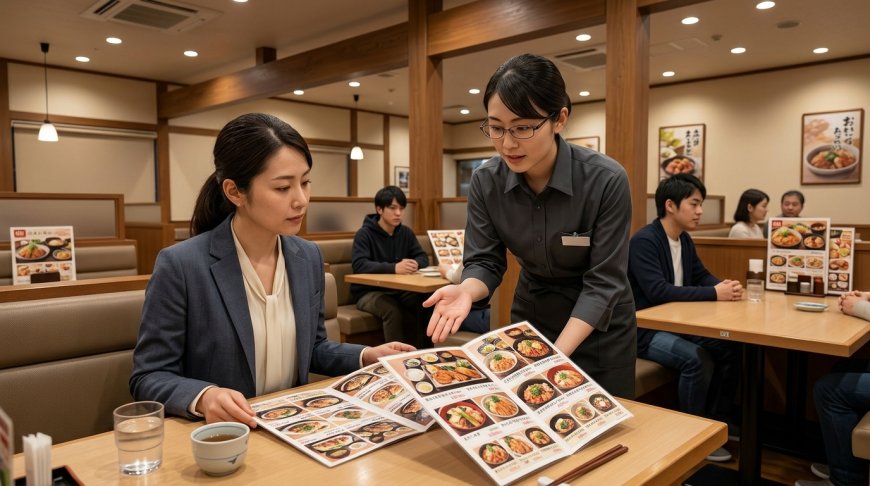
2. Food Service Jobs: Restaurants and Food Businesses
The Food Service Industry Field (外食業) covers general restaurant-related work, including:
- Customer service
- Food and beverage processing
- Store operations and management-related work
For SSW1, the standard skills requirement is the Food Service Field Specified Skilled Worker (i) Proficiency Test, together with the applicable Japanese-language requirement of JFT-Basic or JLPT N4 or higher.
However, there is an important 2026 restriction that job seekers should know about.
Food service has a current application restriction
The Immigration Services Agency states that because the number of SSW1 applicants in the food service field is expected to exceed its acceptance quota, issuance of Certificates of Eligibility for SSW1 in the food service field was suspended beginning April 13, 2026.
Therefore, someone researching restaurant jobs in Japan should not assume that passing the food-service skills test and JLPT N4 automatically means they can currently obtain a new SSW1 status through this field.
The current status of the field should be checked before paying for tests, recruitment services, or other application-related expenses.
This is an important example of why older articles about SSW can become inaccurate.
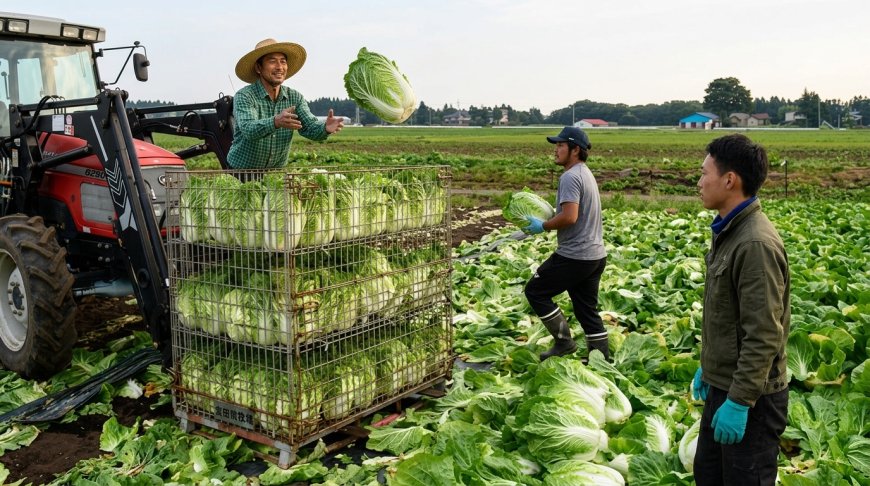
3. Agriculture Jobs: Farming and Livestock
The Agriculture Industry Field (農業分野) includes work such as:
- Crop cultivation
- Vegetable production
- Collection and shipment
- Sorting agricultural products
- Livestock farming
- Livestock product collection, shipment, and sorting
For SSW1 agriculture workers, the skills requirement is generally the Agriculture Skill Assessment Test, Level 1.
The Japanese-language requirement is generally:
- JFT-Basic, or
- JLPT N4 or higher
Relevant Technical Intern Training (ii) completion may provide exemptions from testing under the applicable rules.
Does agriculture require N2 Japanese?
Not as a general immigration requirement for SSW1 agriculture.
However, an individual employer may expect more Japanese depending on the workplace.
For example, a farm where workers primarily receive simple instructions may have different communication needs from a position involving:
- Supervising workers
- Customer communication
- Agricultural sales
- Record keeping
- Safety management
The practical Japanese requirement can therefore be higher than the immigration minimum.
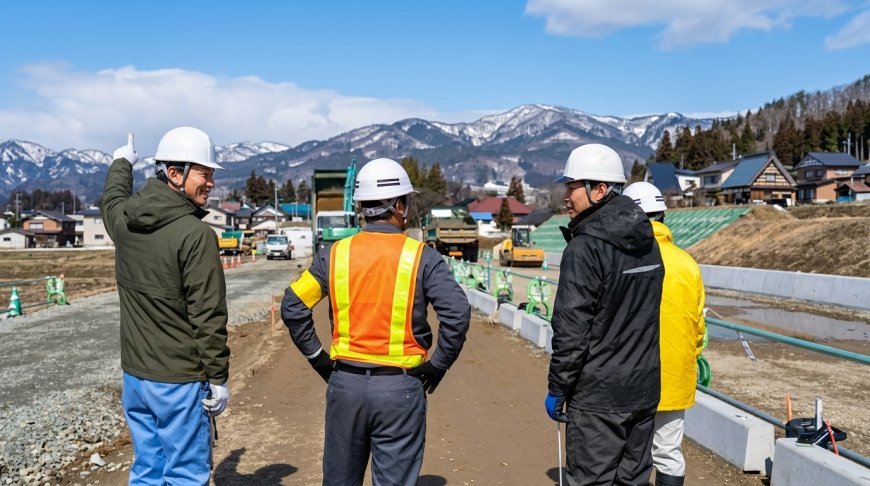
4. Construction Jobs: More Than Just General Labor
The Construction Industry Field (建設分野) includes work related to:
- Civil engineering
- Building construction
- Infrastructure and equipment
The official SSW description includes construction, renovation, maintenance, repair, and related work under the applicable job categories.
For SSW1 construction workers, the skills requirement generally involves the relevant construction field SSW test or applicable recognized skill examination route.
The Japanese-language requirement is generally:
- JFT-Basic, or
- JLPT N4 or higher
A person who has satisfactorily completed relevant Technical Intern Training (ii) may qualify for testing exemptions depending on the circumstances.
Why Japanese still matters on a construction site
Even if N4 satisfies the immigration threshold, construction workplaces can involve specialized vocabulary related to:
- Safety
- Tools
- Materials
- Instructions
- Machinery
- Workplace procedures
- Emergency situations
An employer may therefore prefer a worker with stronger practical Japanese.
The distinction is important:
N4 may satisfy the immigration requirement, but it does not guarantee that N4 is sufficient for the employer's workplace.
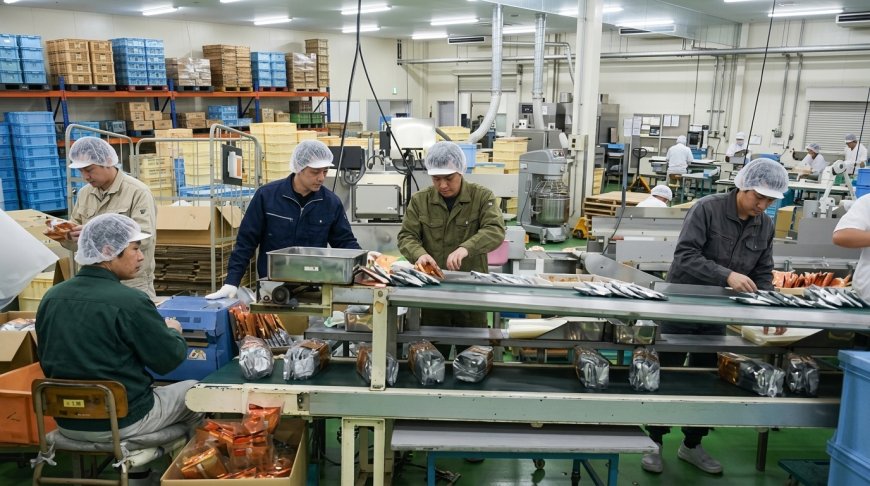
5. Food Manufacturing: Factory and Food Production Work
The Manufacture of Food and Beverages Industry Field (飲食料品製造業) covers general food and beverage manufacturing, processing, and food safety work, excluding alcoholic beverages under the relevant field definition.
For SSW1, applicants generally need to pass the field's specified skills test.
The Japanese-language requirement is:
- JFT-Basic, or
- JLPT N4 or higher
Relevant Technical Intern Training (ii) completion may provide exemptions according to the applicable rules.
What kind of jobs are covered?
The field can include work related to:
- Food processing
- Food manufacturing
- Product preparation
- Hygiene and safety procedures
The exact job must fall within the activities permitted under the field's rules.
This is important because not every job in a food-related company automatically qualifies for SSW food manufacturing.
The actual duties matter.
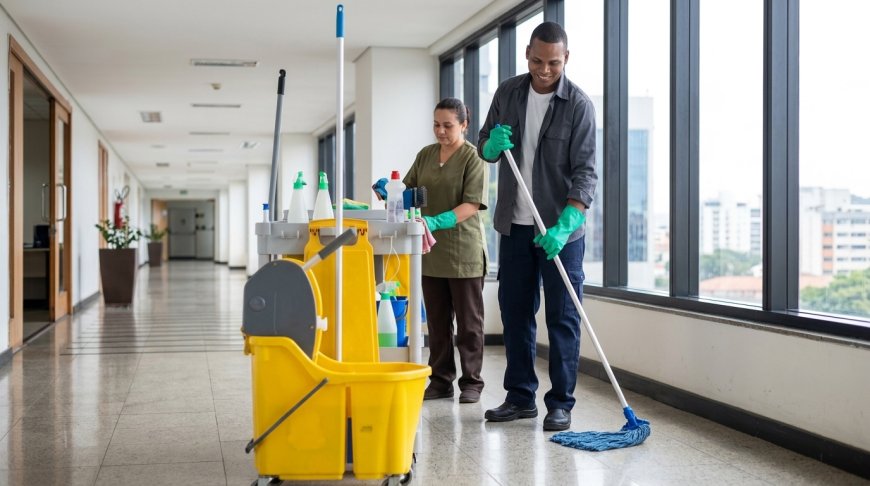
6. Building Cleaning: An Often-Overlooked SSW Field
The Building Cleaning Management Field (ビルクリーニング分野) covers interior cleaning of buildings.
For SSW1, applicants generally need to pass the Building Cleaning Management Field Specified Skilled Worker (i) Evaluation Test.
The Japanese-language requirement is generally:
- JFT-Basic, or
- JLPT N4 or higher
Relevant Technical Intern Training (ii) completion can provide an exemption under the applicable rules.
What work is covered?
SSW1 building cleaning focuses on:
Cleaning inside buildings.
It should not be confused with every type of cleaning job available in Japan.
The permitted activities are defined by the SSW field rules.
This is another reason job seekers should check the official job description rather than relying only on a job advertisement's general wording.
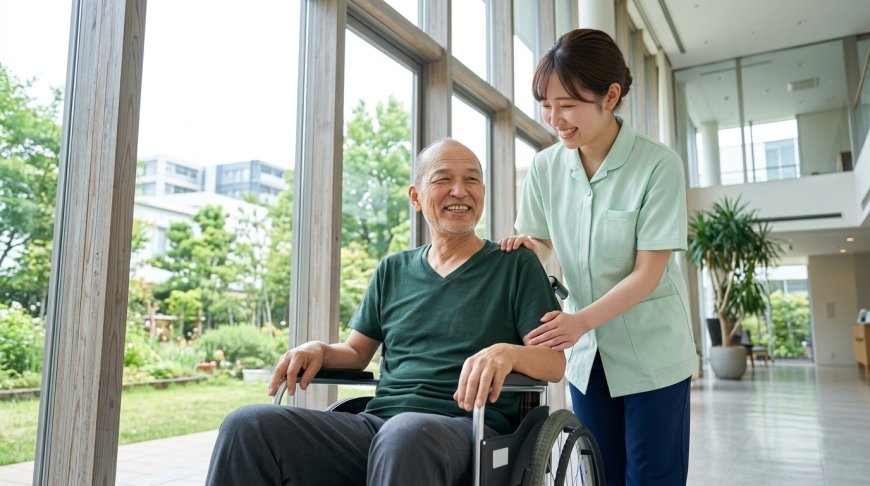
7. Nursing Care Has an Extra Japanese Test
Nursing care is one of the most important exceptions for foreign applicants to understand.
The Nursing Care Field (介護分野) has additional Japanese-language requirements because workers need to communicate in situations involving care for elderly people and people with disabilities.
For SSW1 nursing care, applicants generally need:
- Nursing Care Skills Evaluation Test
- JFT-Basic or JLPT N4 or higher
- Nursing Care Japanese Language Evaluation Test
That third test is the requirement that many simplified SSW articles leave out.
What Does the Nursing Care Japanese Test Cover?
The MHLW explains that the nursing-care Japanese evaluation test covers areas including:
- Care-related terminology
- Care-related communication and phrases
- Care-related documents
The current test is conducted by computer-based testing (CBT). MHLW's current guidance also states that, from April 1, 2026, the passing standard for the nursing-care Japanese-language evaluation test is 73%.
This is different from simply holding JLPT N4.
Is JLPT N3 required for nursing care?
Not as the general SSW1 immigration threshold.
The official SSW guidance states that JLPT N4 is sufficient for the general Japanese-language requirement, but nursing care additionally requires the Nursing Care Japanese Language Evaluation Test.
An employer can still require stronger Japanese for a particular position.
The Seven Fields Compared
Here is a simplified comparison of the seven fields discussed in this guide.
| Field | SSW1 Skills Requirement | General Japanese Requirement | Extra Language Requirement |
|---|---|---|---|
| Accommodation | Accommodation SSW1 skills test | JFT-Basic or JLPT N4+ | No additional SSW language test generally specified |
| Food Service | Food Service SSW1 skills test | JFT-Basic or JLPT N4+ | Current 2026 COE issuance restriction |
| Agriculture | Agriculture Skill Assessment Test | JFT-Basic or JLPT N4+ | No additional field-specific Japanese test generally specified |
| Construction | Construction SSW1 skills test / applicable route | JFT-Basic or JLPT N4+ | No additional field-specific Japanese test generally specified |
| Food Manufacturing | Food & Beverage Manufacturing SSW1 test | JFT-Basic or JLPT N4+ | No additional field-specific Japanese test generally specified |
| Building Cleaning | Building Cleaning SSW1 evaluation test | JFT-Basic or JLPT N4+ | No additional field-specific Japanese test generally specified |
| Nursing Care | Nursing Care Skills Evaluation Test | JFT-Basic or JLPT N4+ | Nursing Care Japanese Language Evaluation Test required |
The table describes the general SSW1 immigration framework. Individual applicants may qualify for testing exemptions depending on previous Technical Intern Training or other recognized circumstances. Employers may also impose higher practical Japanese requirements.
N4 Does Not Mean "You Can Work in Japanese Easily"
Another common misunderstanding is treating JLPT N4 as a guarantee that someone can comfortably communicate at work.
It is not.
JLPT and JFT-Basic are standardized language assessments, while actual workplaces involve specific vocabulary and communication situations.
For example:
A restaurant worker may need to understand:
- Customer requests
- Food allergies
- Orders
- Kitchen instructions
- Cleaning procedures
A construction worker may need to understand:
- Safety instructions
- Equipment terminology
- Work schedules
- Warnings
- Supervisor instructions
A care worker may need to understand:
- Care-related terminology
- Instructions
- Communication with users
- Documentation
Therefore, even when the immigration requirement is N4/JFT-Basic, improving Japanese beyond the minimum can make the workplace easier to navigate.
Employers Can Require More Japanese
This distinction deserves repeating.
Imagine a hotel advertisement that says:
JLPT N2 preferred.
That does not necessarily mean Japanese immigration law requires N2 for every SSW accommodation worker.
The employer may simply want stronger Japanese because the position involves frequent communication with guests.
Similarly, a restaurant might request conversational Japanese even though the SSW immigration threshold is JFT-Basic or N4.
An employer's recruitment requirement and the government's immigration requirement are separate questions.
Before applying, ask:
1. What Japanese level does immigration require for this SSW field?
2. What Japanese level does this particular employer require?
Those answers may be different.
You Need a Skills Test Too
Japanese ability is only one part of SSW1.
For most new applicants, the other major requirement is a field-specific skills test.
For example:
- Accommodation → accommodation skills test
- Agriculture → agriculture skills test
- Construction → construction skills test
- Food manufacturing → food manufacturing skills test
- Building cleaning → building cleaning skills test
- Nursing care → nursing care skills test
The test is designed around the actual work in that industry.
Passing JLPT N4 does not replace the skills test.
Likewise, passing the skills test does not replace the required Japanese-language qualification unless an applicable exemption applies.
Technical Intern Training Can Change the Testing Requirements
Applicants who have successfully completed relevant Technical Intern Training (ii) may be exempt from certain SSW tests.
The exact exemption depends on the previous training and the field the person wants to enter.
If the applicant changes to a different field, the relevant skills test may still be required.
Therefore, someone who previously worked in one Technical Intern Training field should not assume that they automatically qualify for every SSW field.
The Immigration Services Agency specifically advises applicants to check the relationship between their previous training field and their intended SSW field.
You Do Not Generally Need a University Degree for SSW
Another important difference between SSW and professional work statuses is education.
The Immigration Services Agency states that there is no general educational requirement for Specified Skilled Worker, although applicants must meet the relevant skills and Japanese-language requirements and generally be at least 18 years old.
This means a university degree is not generally the basic requirement for SSW1.
That makes the system different from many professional work routes where educational background or specialized professional qualifications can be important.
SSW Workers Must Receive Appropriate Pay
Specified Skilled Worker does not mean an employer can simply offer an unusually low salary because the worker is foreign.
The Immigration Services Agency states that remuneration must be equal to or greater than the remuneration a Japanese worker would receive for comparable work.
The employer's employment contract must also meet applicable requirements concerning working conditions and other employment matters.
If you receive a job offer, look carefully at:
- Basic salary
- Overtime pay
- Working hours
- Days off
- Housing costs
- Deductions
- Transportation
- Bonuses, if any
- Other allowances
- Contract period
Do not judge an SSW job solely by the headline monthly salary.
SSW1 Workers Receive Support
One of the distinctive features of SSW1 is the support framework.
Employers or registered support organizations can provide assistance with areas such as:
- Pre-arrival explanations
- Airport pickup
- Housing arrangements
- Utilities and mobile phone procedures
- Bank account procedures
- Daily-life orientation
- Government-office procedures
- Japanese-language learning
- Consultation and complaints
- Communication with local Japanese residents
- Support when the employer intends to terminate the employment
The Immigration Services Agency describes 10 categories of required support for SSW1 workers.
This does not mean every company provides identical practical assistance, so applicants should understand what support will actually be provided before signing the contract.
You Cannot Simply Work a Second Part-Time Job
An SSW status is tied to the permitted activities under that status.
The official SSW FAQ states that people with Specified Skilled Worker status are not allowed to work part-time outside the permitted SSW employment framework.
This is important for workers who assume that SSW works like a student residence status with a separate part-time work permission.
It does not.
If you want to change employment or move into another occupation, you need to check whether the new job is permitted under your status and whether an immigration procedure is required.
SSW1 Does Not Automatically Mean Permanent Residence
SSW1 is not itself a permanent residence pathway.
The normal SSW1 period is up to a total of five years.
SSW2 is different and, where available, provides a longer-term residence route with no general upper limit on the period of stay.
Therefore, someone considering SSW should think beyond the first job.
Questions worth asking include:
- Can my field lead to SSW2?
- What skills would I need?
- Can I change to another residence status later?
- What qualifications could help my future career?
- What happens when my SSW1 period approaches five years?
The answer depends on the person's field and individual circumstances.
Which Fields Have SSW2?
SSW2 is available only in designated fields.
Current Immigration Services Agency information lists fields including:
- Building cleaning
- Construction
- Industrial product manufacturing
- Shipbuilding and marine equipment
- Automobile maintenance
- Aviation
- Accommodation
- Agriculture
- Fisheries and aquaculture
- Food and beverage manufacturing
- Food service
The specific eligibility requirements are higher than SSW1 and can include advanced skills and relevant practical experience depending on the field.
Do not assume that every SSW1 field automatically has an SSW2 route.
What About Food Service and SSW2?
Food service illustrates why checking current government information matters.
Although food service appears among the SSW fields and has an SSW2 framework, the Immigration Services Agency currently states that new SSW1 COE issuance in food service was suspended from April 13, 2026 because the acceptance quota is expected to be exceeded.
Therefore, an article written several years ago saying simply:
"Pass N4 and the food-service test and you can apply for SSW."
may no longer accurately describe the situation for a new applicant in September 2026.
Always check the current status before making financial or career decisions.
Is SSW Available to People Already in Japan?
Yes.
SSW is not limited to people applying from overseas.
Foreign residents in Japan may be able to change their status of residence to SSW if they meet the applicable requirements.
However, the specific procedure depends on the person's current residence status and circumstances.
For example, someone studying in Japan may need to complete the required SSW tests and secure an eligible employment contract before applying to change status.
Do not begin SSW work simply because you have passed the tests.
The correct immigration status or permission must be in place before starting the relevant work.
Can You Apply From Overseas?
Yes.
The SSW system can be used by eligible foreign nationals outside Japan.
The general process is:
Pass required tests → Find an eligible employer → Sign an employment contract → Complete immigration procedures → Obtain the appropriate status/visa → Enter Japan → Begin work
Depending on the applicant's country, recruitment and sending-organization procedures can also apply.
The Immigration Services Agency advises applicants from countries requiring sending organizations to check the country-specific rules and use appropriately licensed organizations where required.
Do Not Pay Large Fees Without Checking the Recruitment Arrangement
Foreign workers should be careful when dealing with overseas recruiters or intermediaries.
Before paying money, check:
- Who is recruiting you?
- Is the organization legally authorized?
- What exactly are you paying for?
- Is the employer identified?
- What salary is written in the contract?
- Who pays recruitment-related costs?
- Are there unexplained deductions?
- Is there a penalty for leaving the job?
- Is anyone asking you to provide a large deposit?
The Immigration Services Agency identifies improper contracts, guarantees, and penalty arrangements among matters that accepting organizations must avoid.
If an offer seems unusually expensive or complicated, verify the arrangement before transferring money.
The Seven Fields: What Should You Prepare?
If you are considering one of the seven fields covered in this article, your preparation might look like this:
Accommodation
Prepare for:
- Accommodation skills test
- JFT-Basic or JLPT N4+
- Employer-specific Japanese requirements
- Customer-service communication
Food Service
Prepare for:
- Food Service skills test
- JFT-Basic or JLPT N4+
- Employer-specific Japanese requirements
- Current quota/application restrictions
Agriculture
Prepare for:
- Agriculture Skill Assessment Test
- JFT-Basic or JLPT N4+
- Workplace vocabulary
- Physical and practical job requirements
Construction
Prepare for:
- Construction skills test or applicable qualification
- JFT-Basic or JLPT N4+
- Safety vocabulary
- Technical workplace Japanese
Food Manufacturing
Prepare for:
- Food manufacturing skills test
- JFT-Basic or JLPT N4+
- Hygiene and safety terminology
- Workplace instructions
Building Cleaning
Prepare for:
- Building cleaning skills evaluation test
- JFT-Basic or JLPT N4+
- Workplace instructions
- Safety and cleaning terminology
Nursing Care
Prepare for:
- Nursing Care Skills Evaluation Test
- JFT-Basic or JLPT N4+
- Nursing Care Japanese Language Evaluation Test
- Care-related Japanese vocabulary and communication
A Simple SSW1 Checklist
Before applying, check the following.
Immigration requirements
☐ I have selected an eligible SSW field.
☐ I understand the actual job duties.
☐ I know which skills test applies.
☐ I know which Japanese test applies.
☐ I have checked whether a testing exemption applies.
☐ I am at least 18 years old.
☐ I understand the relevant residence-status requirements.
Language
☐ I have JFT-Basic or JLPT N4+ where required.
☐ I have checked whether my field has an additional language test.
☐ I understand the employer's actual Japanese requirement.
Nursing care applicants
☐ I passed the Nursing Care Skills Evaluation Test.
☐ I passed the required general Japanese test.
☐ I passed the Nursing Care Japanese Language Evaluation Test.
Employment
☐ I have an eligible employer.
☐ I understand the job duties.
☐ I have checked the salary.
☐ I understand working hours.
☐ I understand deductions.
☐ I understand housing arrangements.
☐ I understand the support system.
Immigration
☐ My employment contract is appropriate.
☐ The employer meets SSW requirements.
☐ I understand whether I need a change of status or a Certificate of Eligibility.
☐ I have checked the latest field-specific rules.
Common Mistakes Foreign Applicants Should Avoid
Mistake 1: Thinking N4 guarantees a job
N4 can satisfy the general SSW1 immigration language threshold in many fields.
It does not guarantee employment.
Mistake 2: Thinking N2 is legally required for all SSW jobs
There is no universal SSW1 rule requiring N2 for all fields.
Individual employers can require higher Japanese ability.
Mistake 3: Forgetting the skills test
Japanese ability alone is not enough for most new SSW1 applicants.
Mistake 4: Forgetting the nursing-care Japanese test
Nursing care has an additional Japanese-language evaluation test.
Mistake 5: Assuming every SSW field has identical rules
Each field has its own skills requirements, permitted activities, and sometimes additional conditions.
Mistake 6: Assuming food service is currently accepting all new SSW1 applicants
As of September 2026, the Immigration Services Agency says SSW1 COE issuance in the food service field has been suspended because of the expected acceptance quota issue.
Mistake 7: Believing SSW means unlimited job flexibility
SSW is tied to specified activities and fields.
Mistake 8: Assuming the minimum immigration Japanese level is enough for every workplace
Workplace communication can require significantly more practical Japanese.
Mistake 9: Paying a recruiter before checking the contract
Understand the employer, salary, fees, deductions, and support arrangements first.
Mistake 10: Relying on an old SSW article
SSW rules and field quotas can change.
Always check current Immigration Services Agency information before applying.
Know the Difference Between "Legal Minimum" and "Job Requirement"
For foreigners considering work in Japan, one of the most useful distinctions is this:
Immigration requirement:
What you need to qualify for the relevant residence status.
Employer requirement:
What a particular company wants from its employees.
For many SSW1 fields, the general immigration Japanese-language threshold is JFT-Basic or JLPT N4 or higher.
But that does not mean a hotel, restaurant, construction company, farm, factory, or cleaning company must hire someone with N4.
An employer can reasonably seek stronger Japanese depending on the actual job.
And nursing care is a special case: applicants generally need the general Japanese requirement plus the Nursing Care Japanese Language Evaluation Test.
This distinction can help foreign applicants avoid both extremes:
"I need N2 for every SSW job."
and
"N4 means I can get any SSW job."
Neither statement is generally accurate.
A Practical Way to Start Your SSW Job Search
If you are considering SSW in 2026, start with the field, not the job advertisement.
Step 1: Choose the field
For example:
Agriculture → Accommodation → Construction → Food Manufacturing → Building Cleaning → Nursing Care
Step 2: Check the official skills test
Find out exactly which test applies.
Step 3: Check the Japanese requirement
Determine whether your field accepts:
JFT-Basic / JLPT N4+
and whether an additional test applies.
Step 4: Check the current field status
This is particularly important for fields affected by acceptance quotas, such as food service in 2026.
Step 5: Search for an employer
Only after understanding the immigration requirements should you compare job offers.
Step 6: Compare the actual employment conditions
Look at:
- Salary
- Working hours
- Overtime
- Days off
- Housing
- Deductions
- Location
- Job duties
- Support
Step 7: Complete the immigration process
Your employer and other parties involved will have documentation and procedural responsibilities.
Do not start the SSW work until your immigration status permits it.
SSW Requires More Than Just Japanese
Specified Skilled Worker can provide an important employment route for foreigners who want to work in Japan in designated industries.
For many SSW1 fields, JFT-Basic or JLPT N4 or higher is the general Japanese-language immigration threshold, but applicants also need to meet field-specific skills requirements and other immigration conditions.
For the fields covered in this guide:
- Accommodation: skills test + JFT-Basic/JLPT N4+
- Food service: skills test + JFT-Basic/JLPT N4+, but new SSW1 COE issuance is currently suspended
- Agriculture: skills test + JFT-Basic/JLPT N4+
- Construction: skills test + JFT-Basic/JLPT N4+
- Food manufacturing: skills test + JFT-Basic/JLPT N4+
- Building cleaning: skills test + JFT-Basic/JLPT N4+
- Nursing care: skills test + JFT-Basic/JLPT N4+ plus the Nursing Care Japanese Language Evaluation Test
The most important lesson is to separate the government's immigration requirements from the employer's hiring requirements.
N4 can satisfy the general immigration language requirement in many SSW1 fields, but a company can still expect N3, N2, or stronger practical Japanese depending on the job.
Before applying, check the latest official rules for your specific field because SSW requirements, quotas, tests, and eligible activities can change.
Important Disclaimer: This article provides general information about Japan's Specified Skilled Worker system as of September 2026. Immigration requirements, field-specific rules, tests, quotas, and application procedures can change, so applicants should confirm the latest requirements with the Immigration Services Agency of Japan, the relevant ministry, and the employer or authorized support organization before making an application or paying recruitment-related fees.
For more practical Japan living guides, explore related resources like the Living in Japan, Japan Starter Toolkit, and Everyday Japanese for Beginners.
Prepare Smarter, Live Better in Japan (FREE Download)
Download the First 7 Days in Japan Checklist (FREE)
Don’t guess what to do — follow a proven plan.
Download your FREE “First 7 Days in Japan Checklist” PDF now:
✔ Instant download
✔ Mobile-friendly
✔ Printable
Want the COMPLETE Version? (Premium Upgrade)
If you want a deeper, more powerful guide, there’s also a premium version available on Gumroad.
Nipino.com is committed to providing you with accurate and genuine content. Let us know your opinion by clicking HERE.