































Monthly Budget in Japan (2026): Real Examples for Different Salaries
How much do you really need to live in Japan each month? This guide shows realistic budgets based on different salary levels so you can plan your finances with confidence.
Understanding Where Your Money Goes
Budgeting in Japan isn’t about restricting your life—it’s about understanding where your money goes. Once you see the numbers clearly, everything becomes easier to manage.
The truth is, Japan can be affordable or expensive depending on how you structure your monthly budget. Let’s walk through real scenarios based on actual salary levels in 2026.
Want a smoother transition into life in Japan? Check out the Japan Starter Toolkit.
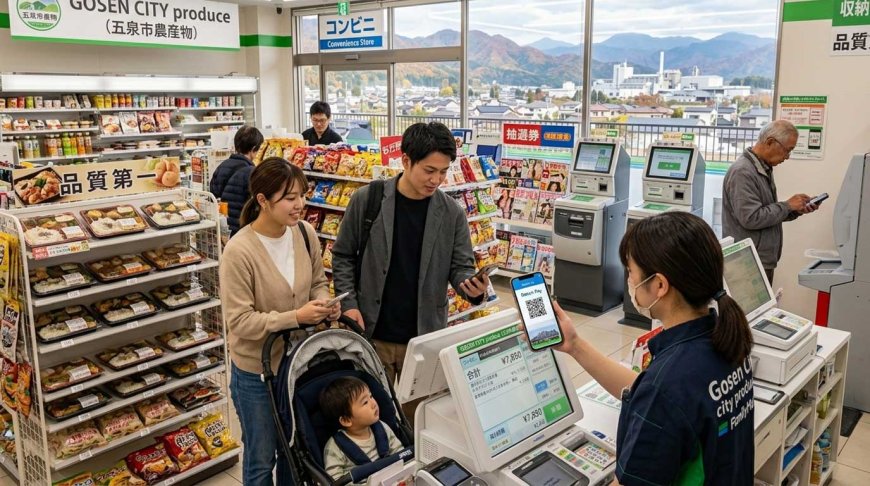
What Does a Typical Monthly Budget Look Like?
For a single person, the main expense categories are:
- Rent
- Food
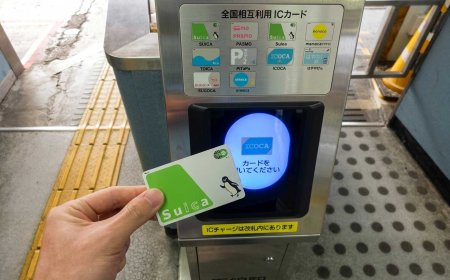
- Transportation
- Utilities
- Miscellaneous (shopping, entertainment, etc.)
These are your financial pillars. Once you control these, everything else falls into place.
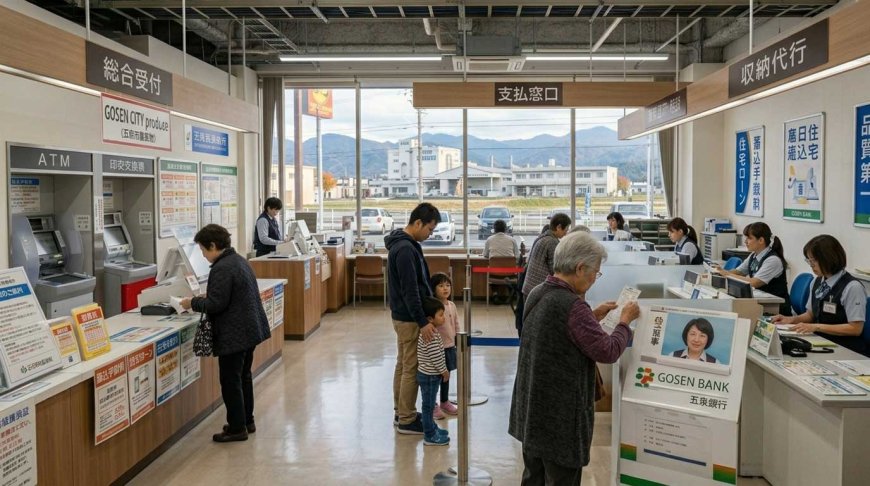
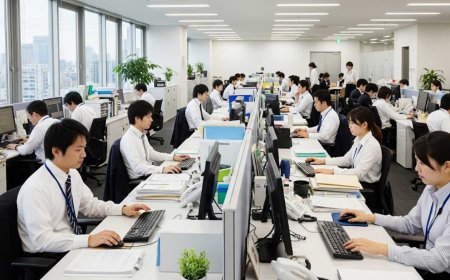
Budget Scenario 1: ¥200,000 Salary (Tight but Possible)
This is common for entry-level workers or part-time combinations.
| Expense | Cost |
| Rent | ¥50,000 |
| Food | ¥35,000 |
| Transport | ¥10,000 |
| Utilities | ¥12,000 |
| Miscellaneous | ¥20,000 |
| Total | ¥127,000 |
Remaining: ~¥73,000
This budget requires discipline. Cooking at home and limiting unnecessary spending is essential. But it’s still possible to save if you stay consistent.
Budget Scenario 2: ¥250,000 Salary (The Sweet Spot)
This is the most realistic range for many foreign workers.
| Expense | Cost |
| Rent | ¥60,000 |
| Food | ¥40,000 |
| Transport | ¥10,000 |
| Utilities | ¥15,000 |
| Miscellaneous | ¥30,000 |
| Total | ¥155,000 |
Remaining: ~¥95,000
This is where life becomes comfortable. You can save, enjoy occasional travel, and still maintain a balanced lifestyle.
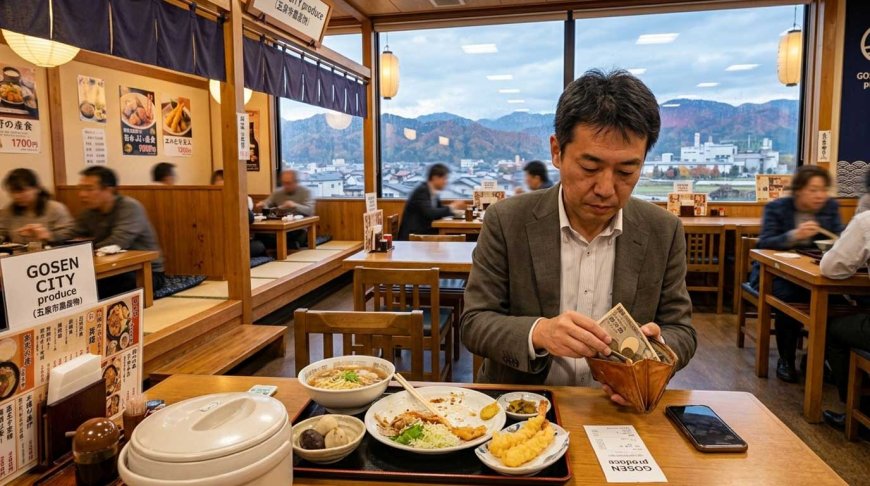
Tokyo vs Regional Budget Impact
Location plays a huge role.
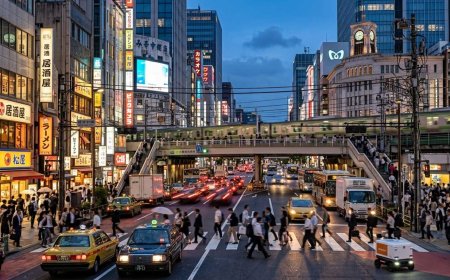
In Tokyo:
- Rent increases significantly
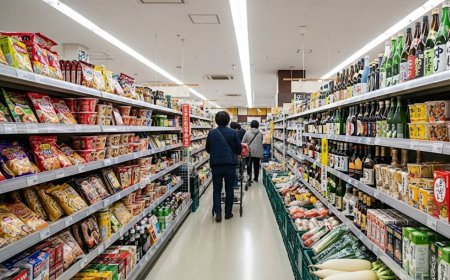
- Eating out becomes more frequent
- Daily spending rises without noticing
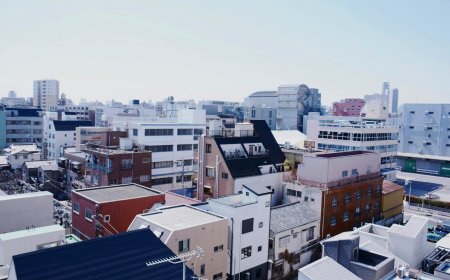
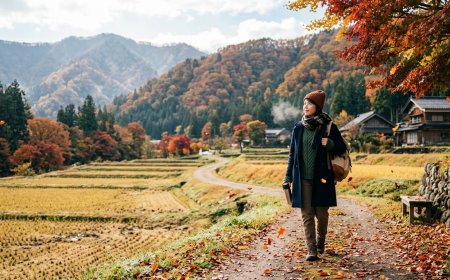
In regional areas:
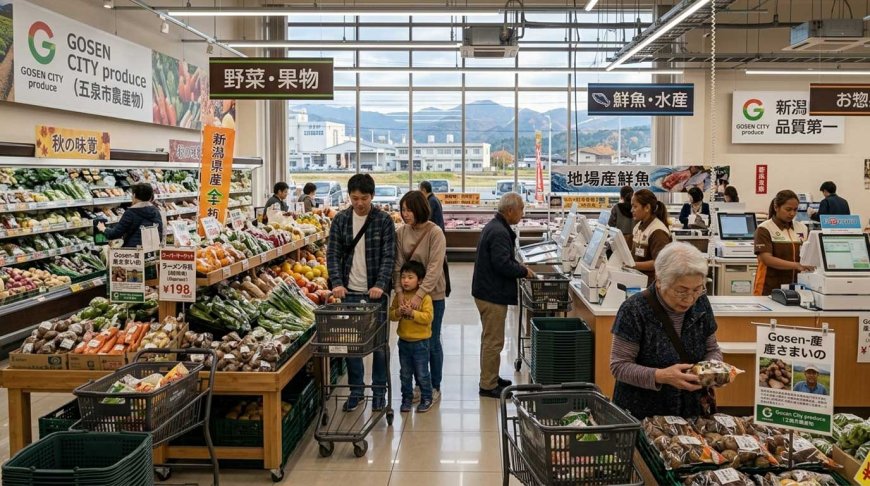
- Rent is lower
- Lifestyle is simpler
- Savings increase naturally
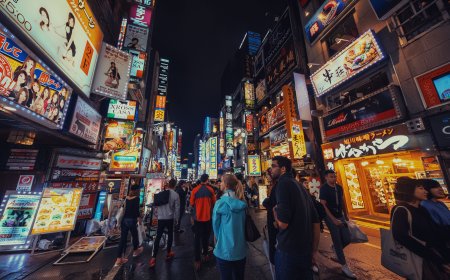
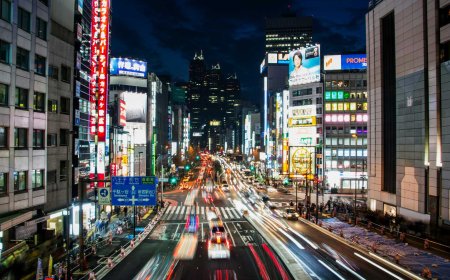
The same salary can feel tight in Tokyo but comfortable in a smaller city.
The Hidden Budget Killer: Lifestyle Creep
One of the biggest financial traps in Japan is gradual overspending.
You might start with a simple lifestyle, but over time:
- More convenience store meals
- More online shopping
- More subscriptions
Suddenly, your savings disappear.
That’s why awareness matters more than income.
How to Build a Sustainable Budget
Instead of trying to cut everything, focus on balance:
- Keep rent below 30% of your salary
- Cook at least 60–70% of your meals
- Track your monthly expenses
- Set a fixed savings target
These simple habits create long-term stability.
Understanding Your Financial Flow in Japan
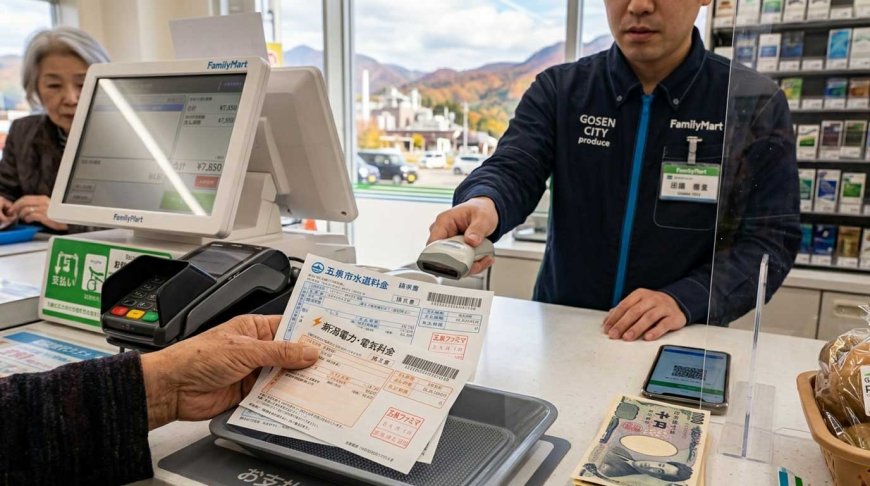
Your salary doesn’t define your financial success—your spending habits do.
A person earning ¥250,000 with discipline can save more than someone earning ¥300,000 with poor habits.
The goal is not just to survive each month—but to build a system where your money works for you, not against you.
Prepare Smarter, Live Better in Japan (FREE Download)
Download the First 7 Days in Japan Checklist (FREE)
Don’t guess what to do — follow a proven plan.
Download your FREE “First 7 Days in Japan Checklist” PDF now:
✔ Instant download
✔ Mobile-friendly
✔ Printable
Want the COMPLETE Version? (Premium Upgrade)
If you want a deeper, more powerful guide, there’s also a premium version available on Gumroad.
Nipino.com is committed to providing you with accurate and genuine content. Let us know your opinion by clicking HERE.