
























































Monthly Transportation Costs in Japan (2026 Guide)
Japan’s transportation system is often described like a living machine. Trains arrive with near-surgical precision, buses run through even remote neighborhoods, and commuters glide through stations using nothing more than a smartphone or IC card.
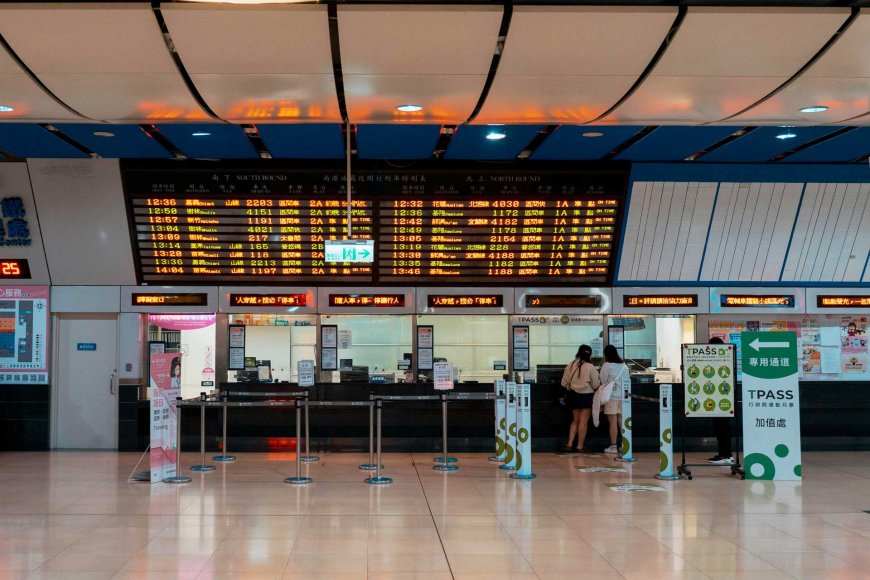
How much does transportation actually cost every month in Japan?
The answer depends heavily on where you live, how far you travel, and what type of transportation you rely on daily. A student in rural Niigata will spend very differently from an office worker commuting between Yokohama and Tokyo. Add recent railway fare increases in 2026, and transportation budgeting has become more important than ever.
This guide breaks down the real monthly transportation costs in Japan in 2026, including trains, buses, commuter passes, cars, bicycles, taxis, and hidden expenses many newcomers forget to calculate.
Traveling to Japan? Japan Starter Toolkit can help you navigate Japan easier and more enjoyable.
A Quick Snapshot of Transportation Costs in Japan
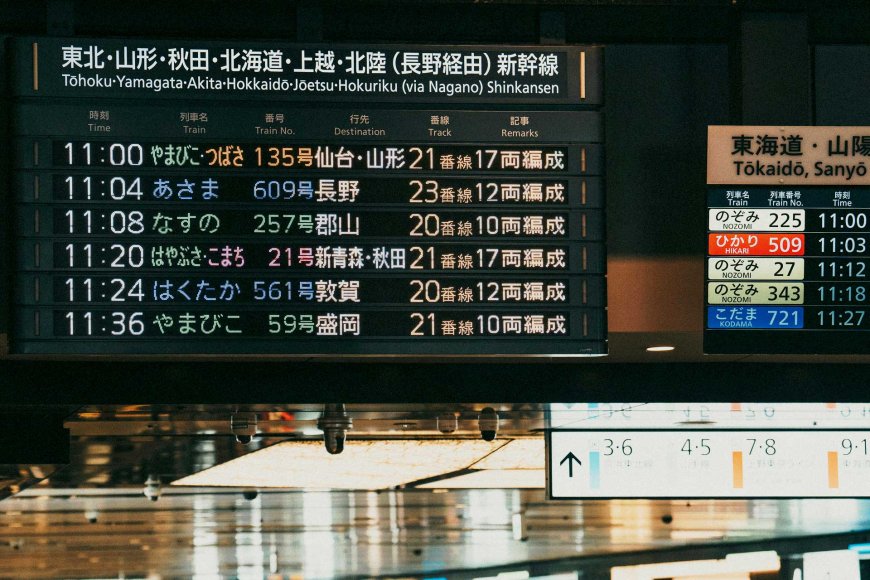
Before diving deep, here’s a simplified overview of average monthly transportation expenses in Japan for 2026.
| Transportation Type | Estimated Monthly Cost |
|---|---|
| Train commuter pass | ¥8,000–¥25,000 |
| Subway-only commuter | ¥6,000–¥15,000 |
| Bus transportation | ¥4,000–¥12,000 |
| Bicycle maintenance | ¥500–¥3,000 |
| Taxi usage | ¥5,000–¥30,000+ |
| Car ownership | ¥25,000–¥80,000+ |
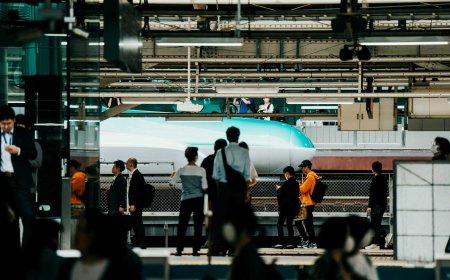
| Shinkansen commuting | ¥80,000–¥180,000+ |
These numbers vary significantly depending on lifestyle and region. Tokyo residents typically spend more on rail transportation, while rural residents often rely heavily on cars.
Why Transportation Costs Matter More in 2026
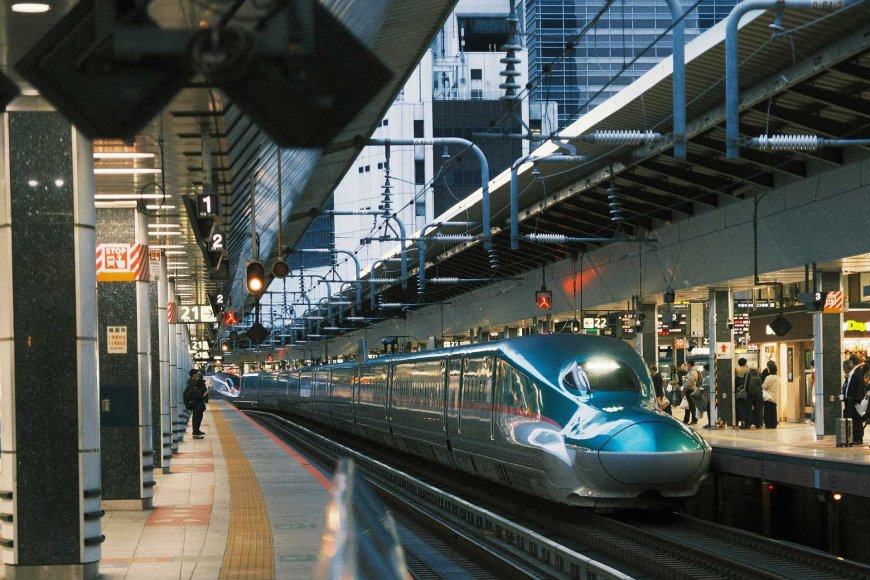
Transportation costs in Japan are rising for the first time in decades. Several major railway operators announced fare increases beginning in 2026. According to reports, JR East fares increased by an average of around 7.1%, while some commuter passes rose even higher.
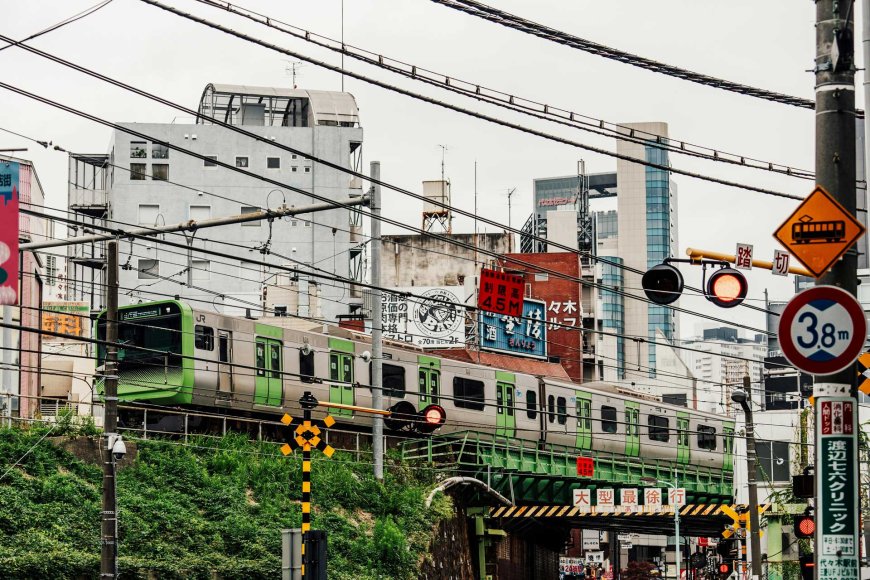
The famous Yamanote Line base fare increased from ¥150 to ¥160.
For many residents, the increase might seem small at first glance. But transportation in Japan is a daily necessity. A ¥10 increase per ride can quietly grow into thousands of yen per month over time.
Japan’s rail companies say the increase is necessary due to:
- Rising labor costs
- Infrastructure maintenance
- Aging railway systems
- Inflation pressure
- Safety and accessibility upgrades
Even with higher costs, Japan still maintains one of the world’s most efficient transportation networks.
Understanding the Main Transportation Options in Japan
Japan’s transportation ecosystem is layered like a giant interconnected spider web. Most residents combine several methods together depending on distance and convenience.
Trains: The Backbone of Japanese Transportation
For most urban residents, trains dominate daily life.
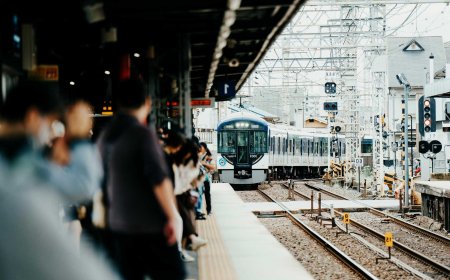
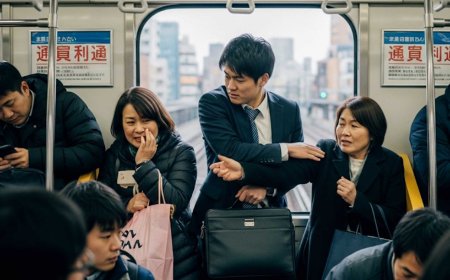
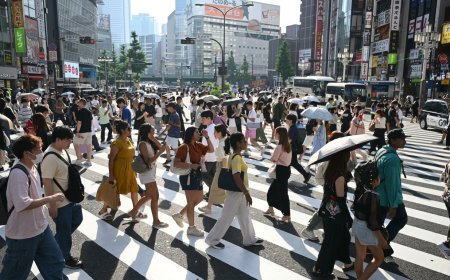
In cities like Tokyo and Osaka, train commuting is practically a cultural ritual. Morning rush hour crowds moving through stations resemble rivers flowing through concrete canyons.
A regular commuter using JR or subway systems typically spends:
- ¥8,000–¥25,000 monthly
- More if commuting long distances
- Less if living close to work or school
Typical 2026 Train Fare Examples
| Route Type | Approximate One-Way Cost |
| Short city trip | ¥160–¥220 |
| Medium commute | ¥300–¥600 |
| Long suburban commute | ¥700–¥1,500 |
Tokyo Metro fares currently range between approximately ¥180 and ¥330 depending on distance. IC card users receive slightly lower fares than paper ticket users.
The Importance of Commuter Passes (定期券)
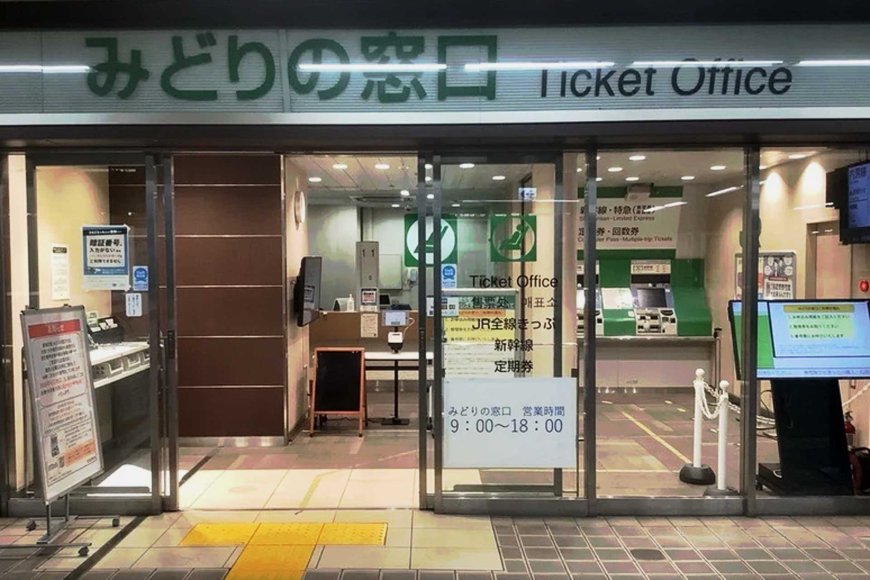
If you live in Japan and commute regularly, a commuter pass—called Teikiken (定期券)—is one of the smartest ways to save money.
A commuter pass allows unlimited rides between two designated stations for a fixed period.
According to transportation guides updated for 2026, commuter passes are available in:
- 1-month
- 3-month
- 6-month plans
Longer contracts usually provide larger discounts.
Real Example
Imagine commuting from Saitama to Shinjuku daily.
Without a commuter pass:
- ¥700 roundtrip x 22 working days
- = Around ¥15,400 monthly
With a commuter pass:
- Around ¥11,000–¥13,000 monthly
That difference adds up quickly across an entire year.
Many Japanese companies also fully or partially reimburse commuting costs for employees.
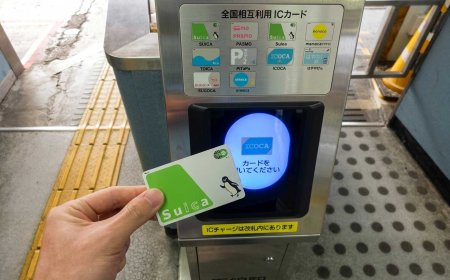
IC Cards: Small Card, Big Convenience
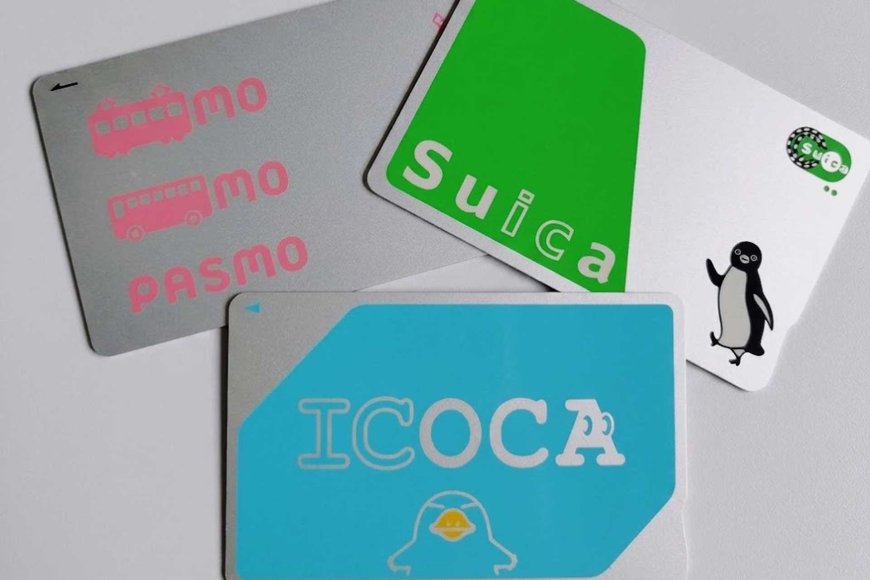
Japan’s transportation system became dramatically easier thanks to IC cards like:
- Suica
- PASMO
- ICOCA
These cards work almost like transportation wallets. You simply tap and go.
IC cards are now deeply integrated into daily Japanese life. They can also be used in:
- Convenience stores
- Vending machines
- Restaurants
- Lockers
- Some taxis
One major advantage in 2026 is that IC card fares remain slightly cheaper than paper tickets.
For frequent commuters, those tiny savings quietly accumulate over time.
Bus Costs in Japan
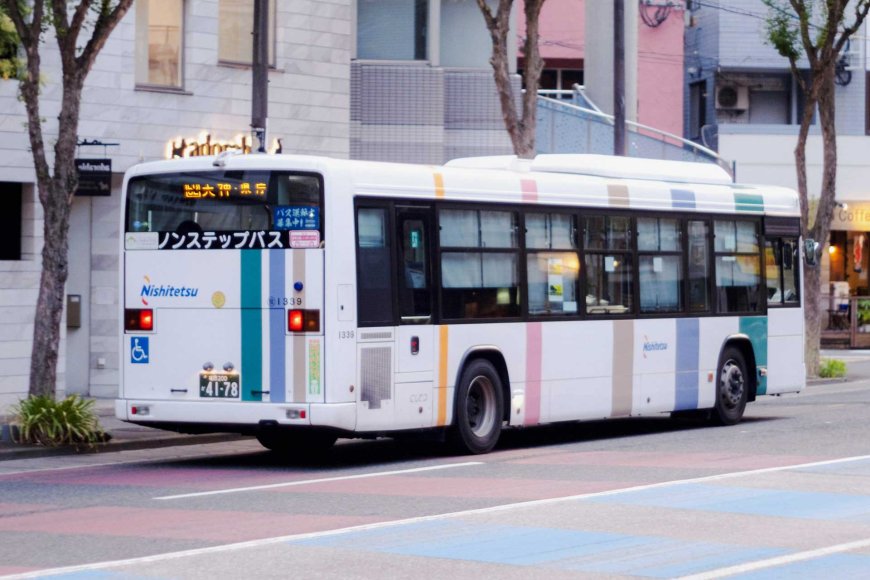
Buses are more common in suburban and rural areas where train coverage is limited.
In cities like Kyoto, buses are heavily used because the rail system does not fully cover tourist and residential areas.
Typical bus fares:
| Area | Typical Fare |
| Rural routes | ¥200–¥500 |
| City buses | ¥210–¥300 |
| Long-distance buses | ¥2,000–¥10,000 |
Monthly bus commuting costs usually range from:
- ¥4,000–¥12,000
Some local governments also provide discounted transportation subsidies for students and families.
Is Owning a Car in Japan Expensive?
Short answer?
Yes. Very.
In rural Japan, cars are often necessary. But many newcomers underestimate the total monthly cost.
Average Monthly Car Expenses in Japan
| Expense | Estimated Monthly Cost |
| Car loan | ¥15,000–¥40,000 |
| Parking | ¥5,000–¥40,000 |
| Gasoline | ¥8,000–¥20,000 |
| Insurance | ¥5,000–¥12,000 |
| Maintenance | ¥3,000–¥10,000 |
Urban parking alone can become brutal.
In central Tokyo, parking spaces sometimes cost more than apartment rent in rural areas.
This is why many Tokyo residents avoid car ownership entirely.
Taxi Costs: Convenient but Dangerous for Your Wallet
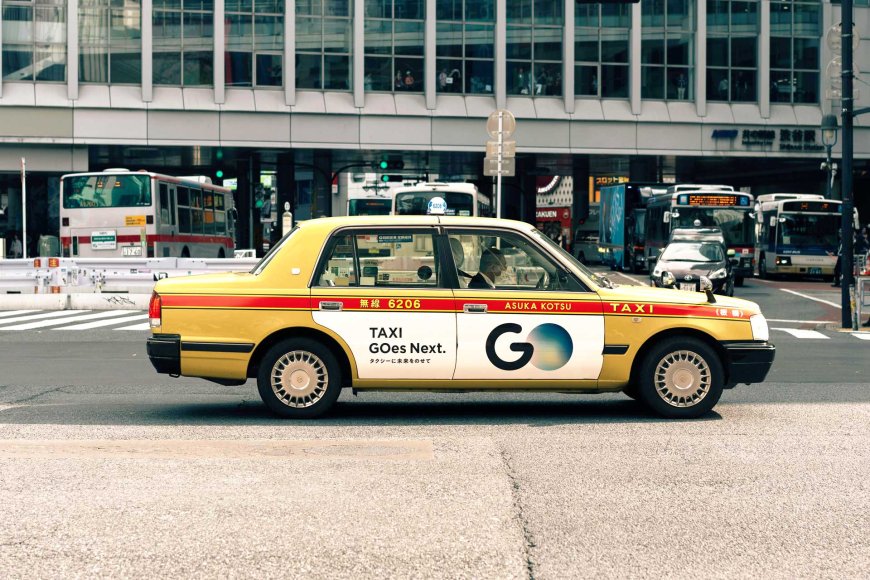
Taxis in Japan are clean, safe, and professional. Drivers often wear suits and white gloves. Doors even open automatically.
But frequent taxi use can quietly destroy a monthly budget.
Typical taxi starting fares in major cities:
- Around ¥500–¥800 initial charge
- Additional distance fees afterward
Late-night taxi rides after missing the last train can easily exceed:
- ¥5,000–¥15,000
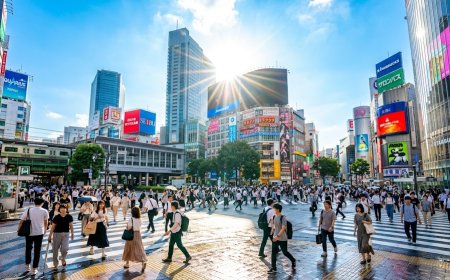
Many foreigners learn this lesson painfully after one long night out in Shibuya.
Transportation Costs by Region
Tokyo
Transportation in Tokyo is efficient but expensive.
Average monthly commuting:
- ¥10,000–¥25,000
Many residents spend over an hour commuting daily.
Osaka
Osaka tends to be slightly cheaper than Tokyo.
Average monthly commuting:
- ¥8,000–¥20,000
Rural Japan
Places like Niigata Prefecture often require cars.
Train systems become less frequent, especially in mountainous regions.
Transportation spending shifts from trains to:
- gasoline
- parking
- maintenance
- vehicle inspections (車検)
How Students Save Money on Transportation
Students in Japan often receive transportation discounts.
Student commuter passes can significantly reduce monthly expenses, especially for vocational schools and universities. According to updated commuter pass guides, students must usually provide proof of enrollment and commuting routes.
Many schools also coordinate transportation documentation directly with railway companies.
Hidden Transportation Costs Foreigners Forget
This is where many newcomers struggle.
Transportation budgeting in Japan isn’t just about train fares.
People often forget:
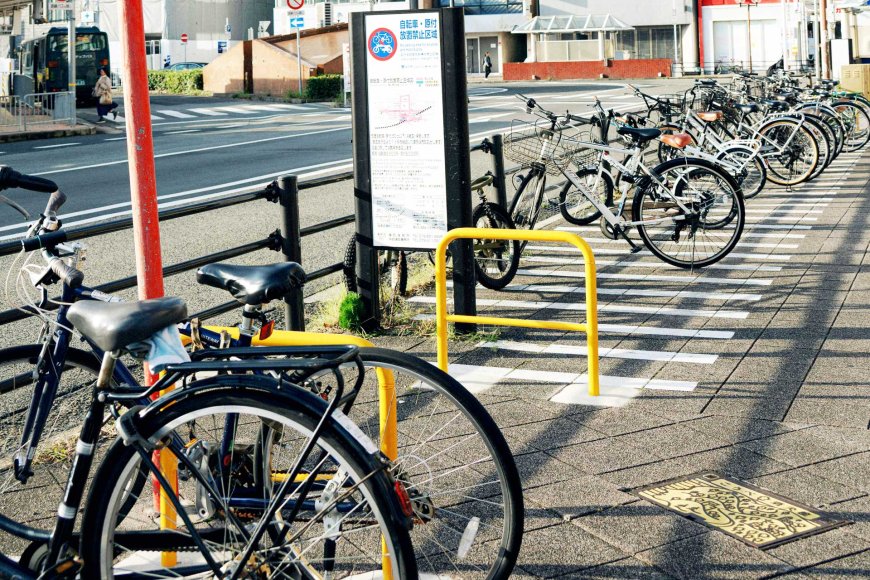
- Bicycle parking fees
- Last-train taxi emergencies
- Shinkansen travel during holidays
- IC card deposits
- Parking tickets
- Highway tolls
- Winter tire replacements in snowy areas
Life in Japan runs smoothly—but smooth systems still cost money.
Is the Japan Rail Pass Still Worth It in 2026?
For tourists, the value calculation changed dramatically.
The famous Japan Rail Pass became significantly more expensive in recent years. Some travel experts now argue that many travelers no longer save money unless traveling extensively across multiple regions.
For residents living in Japan long-term, commuter passes usually provide better value than nationwide rail passes.
Smart Ways to Reduce Transportation Costs in Japan
Saving money in Japan often comes down to daily habits.
Effective Cost-Cutting Strategies
Live Closer to Work
A smaller apartment near your workplace can sometimes save more money overall than cheaper housing far away.
Use Bicycle + Train Combination
Many residents bike to nearby stations instead of taking buses.
Buy Longer Commuter Passes
6-month passes generally offer the best discounts.
Avoid Taxis at Night
Missing the last train can become financially painful very quickly.
Use Mobile IC Cards
Mobile Suica and PASMO make recharging easier and help track spending.
The Real Cost of Movement in Japan
Transportation in Japan is like the bloodstream of the country. Everything flows through it—work, school, travel, relationships, opportunity.
Yes, transportation costs in 2026 are rising. Train fares are increasing, commuter passes cost more, and inflation is finally reaching systems that stayed stable for decades. But Japan still offers something many countries struggle to achieve: reliability.
A train arriving exactly on time may seem ordinary after a while. But once you’ve experienced transportation chaos elsewhere, Japan’s system feels almost unreal.
The key is understanding your lifestyle early. A person living in central Tokyo without a car may spend far less than someone driving daily in rural areas. There’s no universal number that fits everyone.
Still, if you budget carefully, use commuter passes wisely, and avoid unnecessary taxi rides, transportation in Japan remains manageable—even in 2026.
For more practical Japan living guides, explore related resources like the Living in Japan, Japan Starter Toolkit, and Everyday Japanese for Beginners.
Prepare Smarter, Live Better in Japan (FREE Download)
Download the First 7 Days in Japan Checklist (FREE)
Don’t guess what to do — follow a proven plan.
Download your FREE “First 7 Days in Japan Checklist” PDF now:
✔ Instant download
✔ Mobile-friendly
✔ Printable
Want the COMPLETE Version? (Premium Upgrade)
If you want a deeper, more powerful guide, there’s also a premium version available on Gumroad.
Nipino.com is committed to providing you with accurate and genuine content. Let us know your opinion by clicking HERE.