




















































How to Use Trains in Japan: Beginner’s Guide
Japan’s train system may look confusing at first, but once beginners understand IC cards, platforms, transfers, and basic etiquette, it becomes one of the easiest ways to travel.
Using Trains in Japan
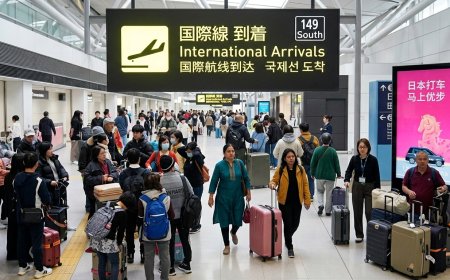
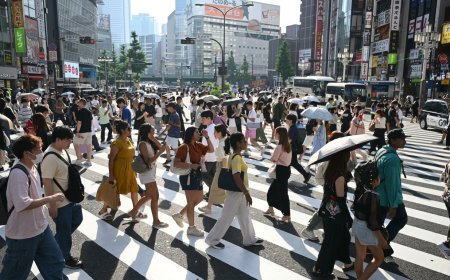
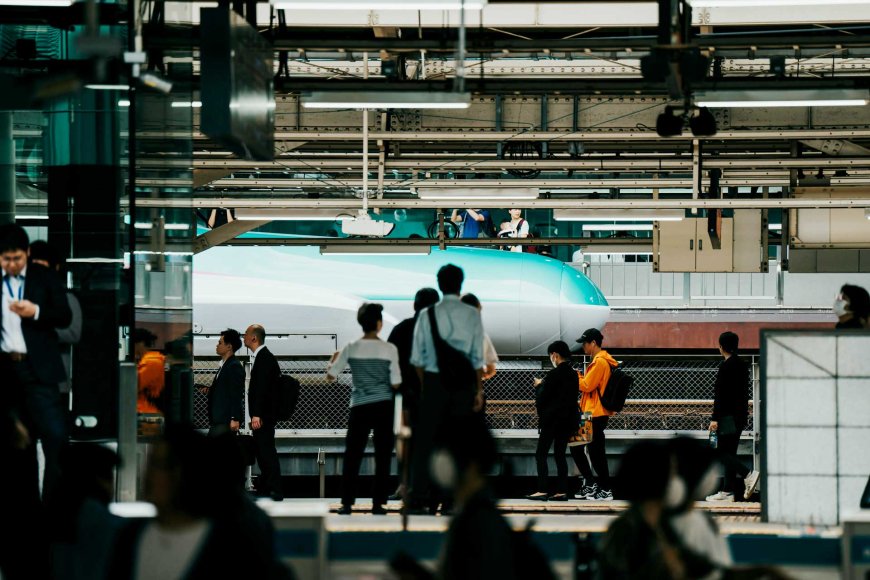
For many first-time visitors and new residents, using trains in Japan feels like stepping inside a giant puzzle. The station signs are everywhere, the platforms are busy, the train names sound similar, and everyone around you seems to know exactly where they are going. It can feel intimidating, especially if you are coming from a country where trains are not part of daily life.
But here is the good news: once you understand the basics, Japan’s train system becomes surprisingly easy to use. It is clean, reliable, safe, and well-connected. In cities like Tokyo, Osaka, Nagoya, Kyoto, Fukuoka, and Sapporo, trains are often faster and cheaper than taxis. Even in regional areas, trains connect towns, schools, offices, airports, tourist spots, and shopping areas.
Japan’s train network works like a carefully organized web. You do not need to understand every line at once. You only need to understand your route, your platform, your train type, and your destination. Think of it like learning to use a new smartphone. At first, there are too many buttons. After a few rides, your hands know what to do before your brain even worries.
Traveling to Japan? Japan Starter Toolkit can help you navigate Japan easier and more enjoyable.
Understanding Japan’s Train System
Japan does not have just one train company. This is one of the first things beginners should understand. There are JR lines, subway lines, private railways, monorails, trams, and the famous Shinkansen bullet train. In big cities, several companies may operate inside the same station or nearby connected stations.
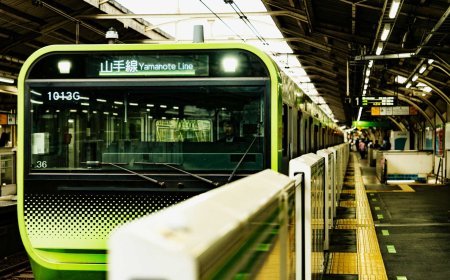
JR, short for Japan Railways, operates many major train lines across the country. In Tokyo, famous JR lines include the Yamanote Line, Chuo Line, Keihin-Tohoku Line, and Saikyo Line. Subway systems, such as Tokyo Metro and Toei Subway, operate underground lines across the city. Tokyo Metro’s regular ticket fares currently appear in denominations such as ¥180, ¥210, ¥260, ¥300, and ¥330, depending on distance.
Private railways are also common. These include companies like Tobu, Seibu, Keio, Odakyu, Tokyu, Hankyu, Kintetsu, and many others. They often connect city centers with suburbs. This is why beginners sometimes get confused: two train lines may go in the same direction but belong to different companies.
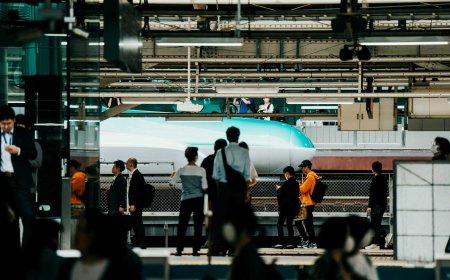
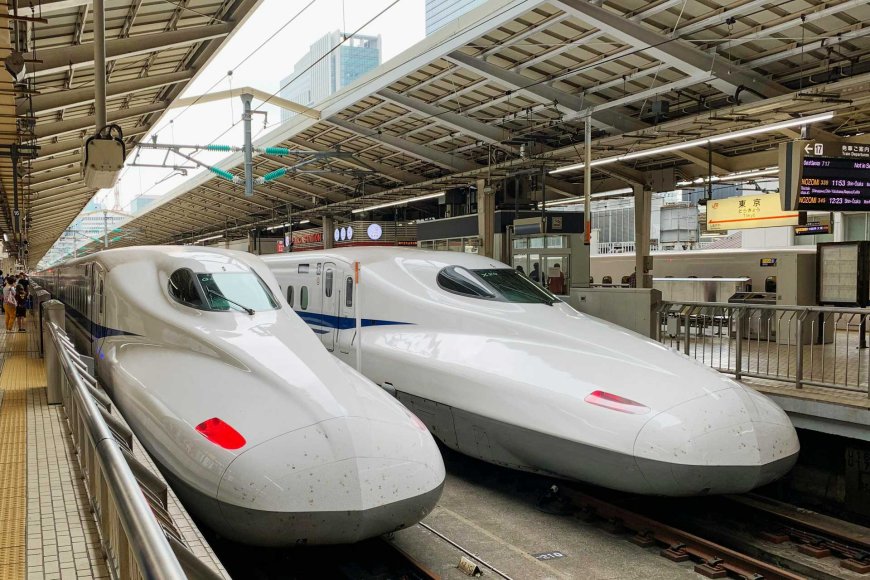
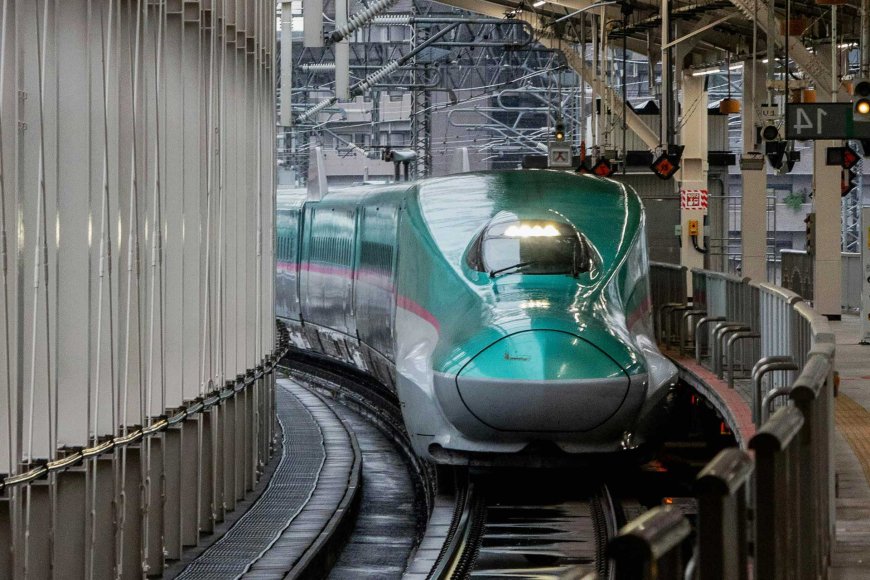
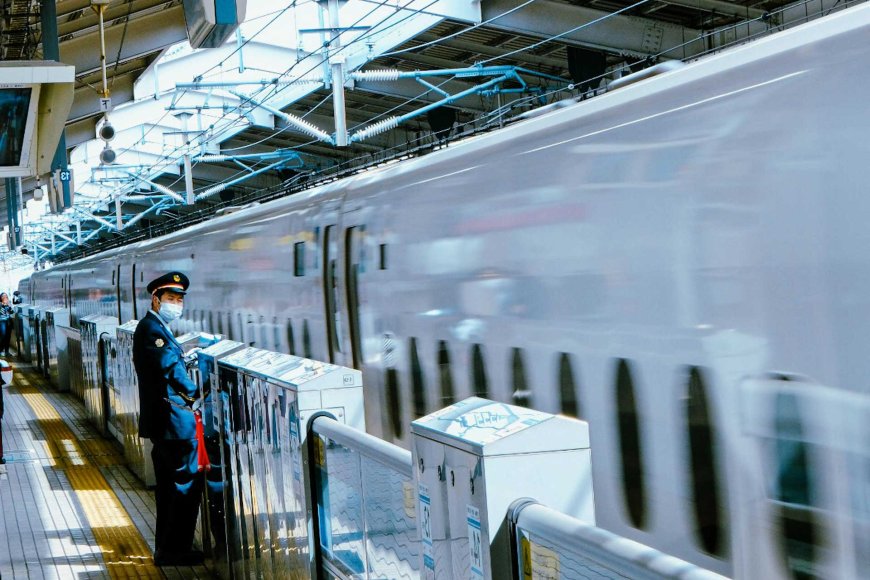
The Shinkansen is different from ordinary trains. It is used for long-distance travel between major cities. JR East explains that some Shinkansen and limited express services can be used ticketlessly with a registered transportation IC card and e-ticket reservation, meaning travelers do not always need a physical paper ticket.
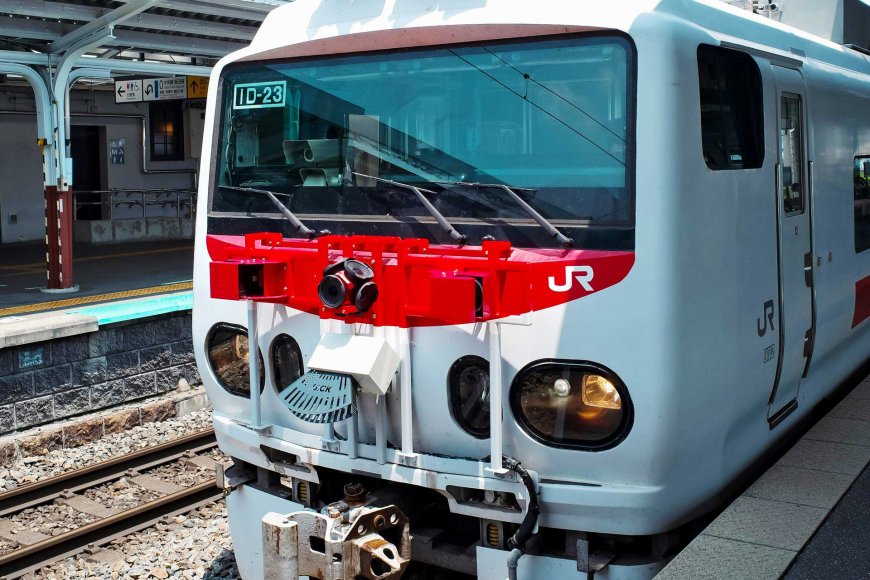
Step 1: Plan Your Route Before Entering the Station
Before going to the station, open a navigation app. Google Maps is enough for most beginners. NAVITIME is also popular for Japan travel because it gives detailed train information, platform numbers, transfer routes, and fare estimates.
When checking your route, pay attention to four things: departure station, arrival station, platform number, and train type. Train type is very important. Some trains stop at every station, while others skip smaller stations. A local train usually stops at every station. A rapid, express, or limited express may skip stations. If you board the wrong type, you may suddenly pass your destination and wonder what happened.
This is one of the most common beginner mistakes in Japan. The train may be on the correct platform and going in the correct direction, but it may not stop at your station. Always check whether your destination appears on the train’s stopping pattern.
Step 2: Prepare an IC Card or Ticket
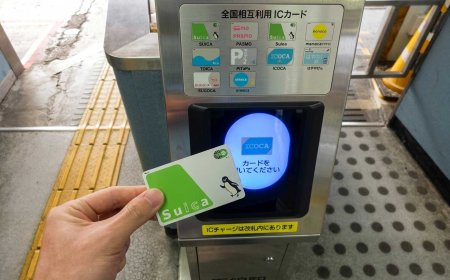
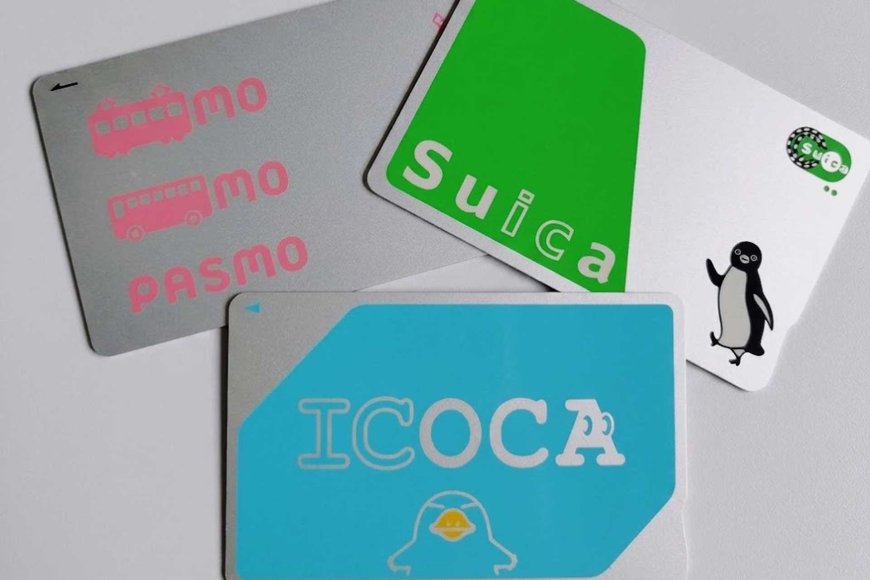
The easiest way to ride trains in Japan is to use an IC card. The most famous ones are Suica, PASMO, and ICOCA. These cards work like prepaid transportation wallets. You charge money onto the card, tap it at the ticket gate, ride the train, and tap again when you exit.
The Tokyo Metropolitan Government’s tourism site explains that IC cards can be used on many major rail and bus services in the Tokyo metropolitan area and many other parts of Japan. It also notes that riders simply hold the card over the reader, and the fare is deducted automatically.
IC cards are beginner-friendly because you do not need to calculate the fare every time. You only need enough balance. If your balance is too low, the gate will not let you exit, but do not panic. Look for a fare adjustment machine near the ticket gates, add money, and try again.
Paper tickets still exist. You can buy them from ticket machines inside stations. However, beginners usually find IC cards easier because ticket machines require you to know the fare in advance. With an IC card, the system calculates the correct fare automatically.
| Payment Method | Best For | Beginner Difficulty |
|---|---|---|
| IC Card | Daily travel, city trains, buses, convenience stores | Easy |
| Paper Ticket | Occasional rides, areas without IC support | Medium |
| Mobile Suica/PASMO | Smartphone users staying longer in Japan | Easy once set up |
| Shinkansen E-ticket | Long-distance reserved travel | Medium |
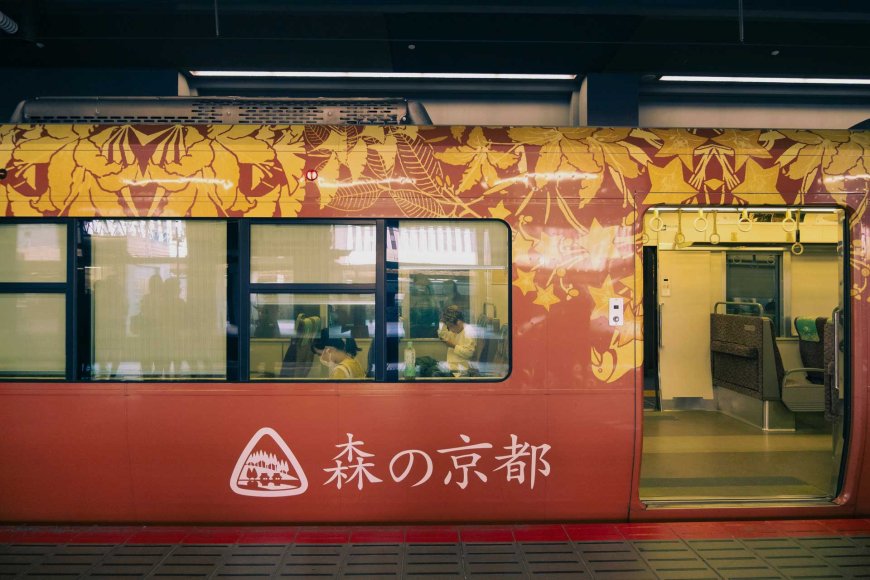
Step 3: Enter Through the Ticket Gate
Once you arrive at the station, look for the ticket gates. If you are using an IC card, tap it gently on the blue reader. Do not wave it too quickly. Wait for the beep and gate opening. If you are using a paper ticket, insert it into the slot and collect it on the other side. Keep the ticket because you need it again when exiting.
After entering, follow the signs to your platform. Japanese train stations use a lot of visual guidance. You will often see line colors, station numbers, arrows, platform numbers, and English names. Large stations like Shinjuku, Tokyo, Osaka, and Kyoto can feel like underground cities, so do not rush. Walk slowly, check signs often, and trust the color-coded system.
If you get lost, ask station staff. A simple phrase helps: “Sumimasen, [station name] wa doko desu ka?” This means, “Excuse me, where is [station name]?” Even if your Japanese is not perfect, staff are used to helping travelers.
Step 4: Check the Platform and Direction
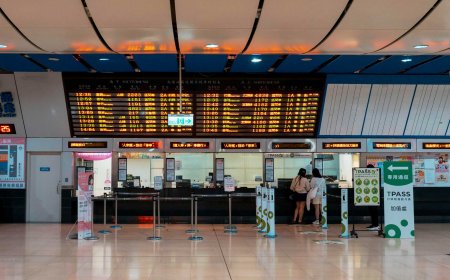
At the platform, confirm two things: the train direction and the next train. A platform may serve trains going to different destinations. Look at the electronic signboard above the platform. It usually shows the departure time, train type, destination, and sometimes the number of cars.
Do not only follow the crowd. In Japan, many people are going to work, school, or transfers, but not necessarily where you are going. Your safest guide is the signboard.
Stand behind the yellow tactile paving. These yellow blocks are designed for visually impaired passengers, but they also remind everyone to stay safely away from the platform edge. When the train arrives, wait for passengers to get off before boarding. This is not just polite; it keeps the whole system moving smoothly.
Step 5: Ride Quietly and Watch the Station Names
Inside the train, you will usually see route maps above the doors or digital screens showing the next station. Announcements are often made in Japanese and English, especially in major cities and tourist areas.
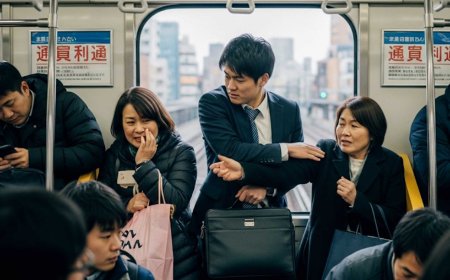
Keep your voice low. Japan-guide notes that talking loudly on trains is considered bad manners and ranks among the annoying behaviors on trains in Japan. Phones should be on silent mode, and phone calls are generally avoided inside regular trains. If you need to talk, wait until you get off or move to a suitable area.
Large backpacks should be removed or worn in front during crowded times. Priority seats should be offered to elderly passengers, pregnant women, injured passengers, and people with disabilities. These rules are not just about politeness. They are part of the quiet cooperation that makes Japanese trains work so well.
Step 6: Transfer Without Panicking
Transfers are where many beginners get nervous. The key is to follow signs for your next line. For example, if you need to transfer from the JR Yamanote Line to Tokyo Metro Marunouchi Line, follow signs that say “Marunouchi Line.” The route may include stairs, escalators, corridors, and sometimes another ticket gate.
Some transfers happen inside the same paid area. Others require exiting one company’s gate and entering another. This is normal. If you use an IC card, just tap out and tap in again. The system usually handles the fare automatically.
In large stations, give yourself extra time. A transfer in a small station may take two minutes. A transfer in Shinjuku or Tokyo Station may take 10 to 20 minutes if you are new. Do not treat all transfers equally. Big stations are like airports without airplanes.
Step 7: Exit at Your Destination
When you arrive, follow the signs to the correct exit. This matters more than beginners expect. Many Japanese stations have multiple exits, and choosing the wrong one can place you several blocks away from your destination.
For example, “East Exit,” “West Exit,” “South Exit,” and “Central Exit” may lead to completely different sides of the station. In big cities, underground exits may be numbered, such as A1, B5, or C7. Navigation apps often tell you which exit to use. Pay attention to that detail.
At the gate, tap your IC card or insert your paper ticket. If you used a paper ticket, the machine usually keeps it when you exit. If the gate closes, check the screen. You may need to adjust the fare.
Train Etiquette Every Beginner Should Know
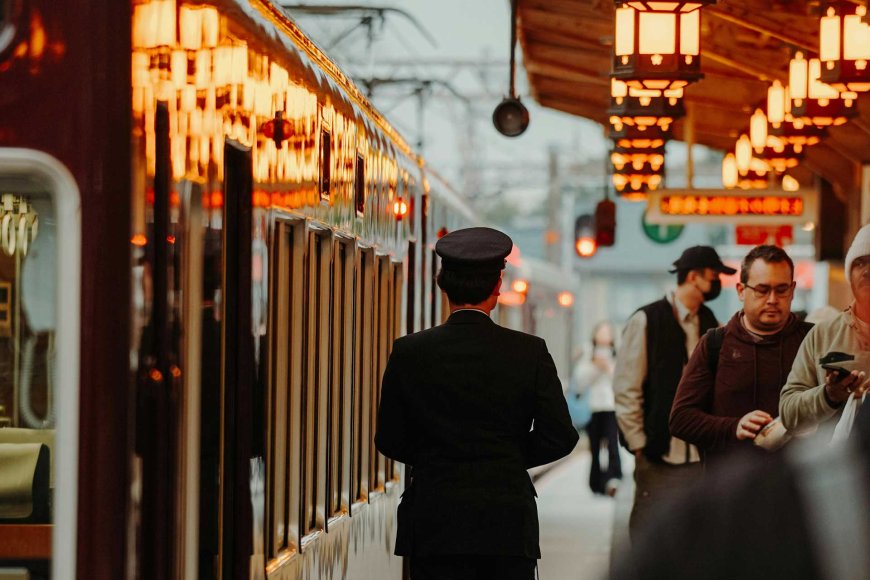
Japanese train etiquette is not complicated, but it matters. Trains are shared spaces, and the general idea is simple: do not disturb other people.
Keep conversations quiet. Avoid phone calls. Do not block doors. Move inside the train when people are boarding. Keep luggage close to your body. Avoid eating on local trains, although eating a bento on the Shinkansen is normal and part of the travel experience.
Queueing is also important. Platforms often have painted lines showing where to stand. Wait in line, let people exit, then board. This small habit makes Japan’s crowded train system feel organized even during rush hour.
Common Beginner Mistakes to Avoid
One common mistake is boarding a rapid or express train without checking stops. Another is standing on the wrong platform direction. A third is forgetting the last train. In Japan, trains do not run all night in most areas. If you miss the last train, you may need an expensive taxi or wait until morning.
Beginners also sometimes forget that IC cards do not work in every single rural area or across every possible boundary. JR East’s IC card rules explain that IC card handling applies to specific sections and lines, which means users should still check coverage when traveling outside major IC card areas.
Useful Tickets for Tourists and Short-Term Visitors
If you are sightseeing, unlimited subway passes can sometimes save money. Tokyo Metro lists the Tokyo Subway 24-hour Ticket at ¥1,000 for adults, the 48-hour Ticket at ¥1,500, and the 72-hour Ticket at ¥2,000, covering Tokyo Metro and Toei Subway lines.
These passes are useful if your itinerary is concentrated around subway-accessible areas. But they may not cover JR lines, private railways, airport trains, or buses. Always compare your route before buying a pass.
| Ticket Type | Adult Price | Good For |
|---|---|---|
| Tokyo Subway 24-hour Ticket | ¥1,000 | One busy sightseeing day |
| Tokyo Subway 48-hour Ticket | ¥1,500 | Weekend Tokyo trip |
| Tokyo Subway 72-hour Ticket | ¥2,000 | Multi-day city exploring |
| Regular IC Card Ride | Varies by distance | Flexible everyday travel |
Why IC Cards Are Best for Beginners
For most beginners, the best setup is simple: get an IC card and use a navigation app. That combination removes most of the stress. You do not need to memorize fare tables. You do not need to buy a ticket for every ride. You simply follow the route, tap in, transfer, and tap out.
IC cards also work beyond trains. Many convenience stores, vending machines, lockers, and some restaurants accept them. This makes them useful even outside the station. For daily life in Japan, an IC card feels less like a train card and more like a small survival tool.
A Simple Example: Riding from Shinjuku to Shibuya
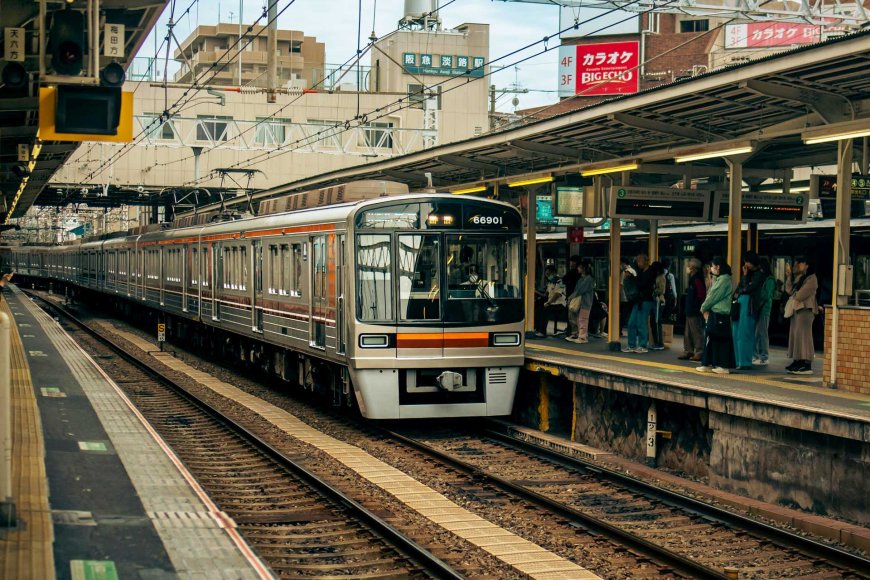
Let’s imagine you are going from Shinjuku to Shibuya. Your app tells you to take the JR Yamanote Line. You enter Shinjuku Station using your IC card, follow signs for the JR Yamanote Line, and check the platform direction toward Shibuya. You line up, board the train, watch the screen for the next station, and get off at Shibuya.
At Shibuya Station, you follow signs to the correct exit. You tap your IC card at the gate, and the fare is deducted automatically. That is it. What looked complicated from the outside becomes a simple chain of small steps.
Travel With Confidence, One Station at a Time
Using trains in Japan is not about being perfect on your first try. Everyone gets confused sometimes, even people who have lived in Japan for years. The important thing is to slow down, check the signs, use your app, and avoid guessing when the train type or platform direction is unclear.
Japan’s train system rewards patience. Once you understand IC cards, platforms, transfers, and etiquette, the whole country opens up. You can go to work, visit friends, explore temples, reach airports, discover small towns, and travel across prefectures with confidence.
The first ride may feel like a test. The tenth ride feels normal. After that, you may even start enjoying the rhythm—the soft chime before the doors close, the quiet movement of people, and the feeling that Japan is suddenly easier to understand.
For more practical Japan living guides, explore related resources like the Living in Japan, Japan Starter Toolkit, and Everyday Japanese for Beginners.
Prepare Smarter, Live Better in Japan (FREE Download)
Download the First 7 Days in Japan Checklist (FREE)
Don’t guess what to do — follow a proven plan.
Download your FREE “First 7 Days in Japan Checklist” PDF now:
✔ Instant download
✔ Mobile-friendly
✔ Printable
Want the COMPLETE Version? (Premium Upgrade)
If you want a deeper, more powerful guide, there’s also a premium version available on Gumroad.
Nipino.com is committed to providing you with accurate and genuine content. Let us know your opinion by clicking HERE.