




































































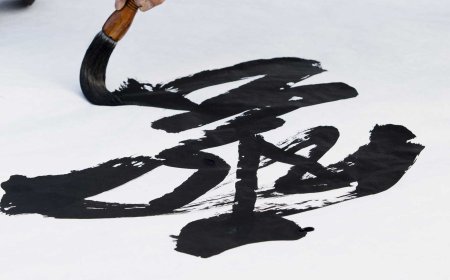








Wabi-Sabi (侘寂): The Quiet Beauty of Imperfection
Wabi-sabi (侘寂) is a Japanese aesthetic and worldview that embraces imperfection, impermanence, and the quiet beauty of natural simplicity. Wabi-sabi influences Japanese lifestyle, design, and personal well-being, offering meaningful lessons.
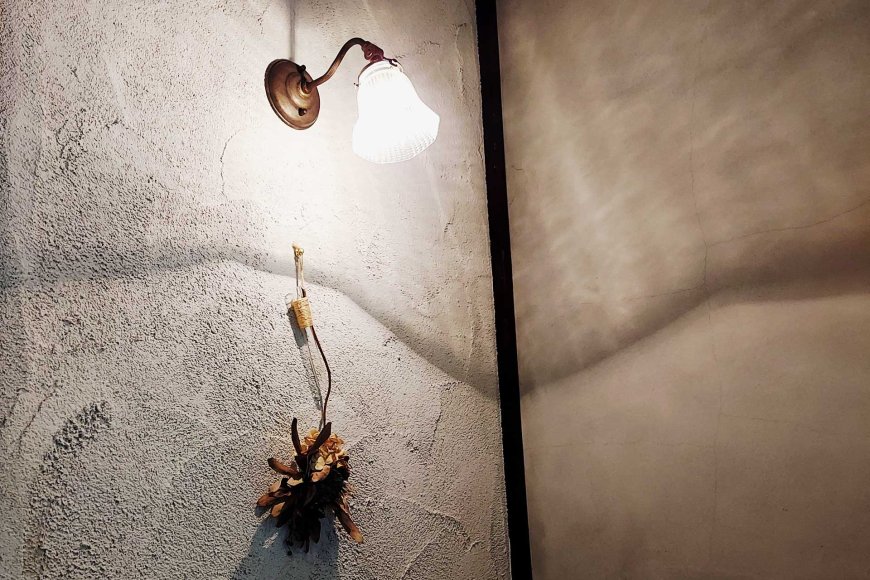
Embracing Imperfection in a Perfect-Seeking World
In a modern environment driven by flawless images, high performance, and constant improvement, the traditional Japanese philosophy of wabi-sabi (侘寂) stands as a gentle reminder that life’s true beauty lies in imperfection. The concept, deeply rooted in Zen Buddhism, invites individuals to appreciate the transient, the incomplete, and the understated.
Wabi-sabi is not a trend—it is a state of mind. It teaches people to slow down, observe quietly, and appreciate things as they naturally are, without forcing perfection or permanence.
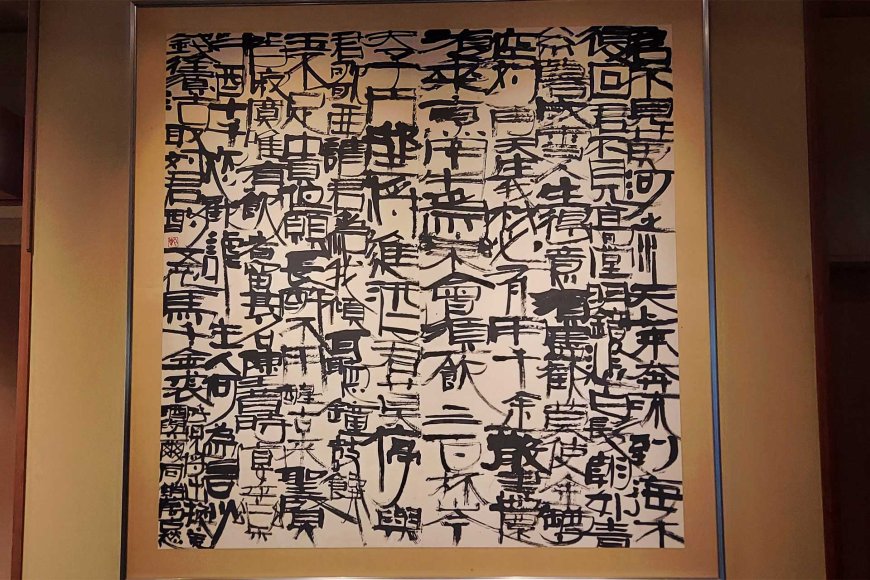
Understanding Wabi-Sabi: The Art of the Imperfect
At its core, wabi-sabi is a combination of two Japanese words:
- Wabi (侘) — simplicity, humility, the quiet beauty found in a modest life close to nature.
- Sabi (寂) — the elegance of aging, patina, and the acceptance of time’s passage.
Together, they form an aesthetic that values authenticity over polish and spirit over symmetry. It celebrates cracks in ceramic bowls, weathered wooden furniture, handwritten notes with slightly uneven characters—anything that reflects the passage of human hands and natural time.
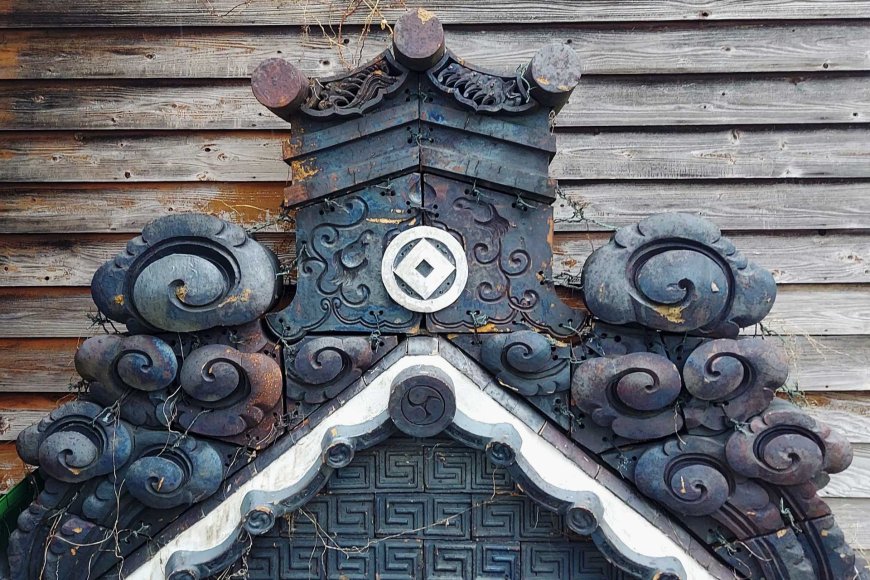
The Zen Influence: Letting Go Through Impermanence
Wabi-sabi reflects Zen Buddhist teachings that everything is transient and constantly changing. Nothing lasts forever—not emotions, relationships, seasons, nor material objects.
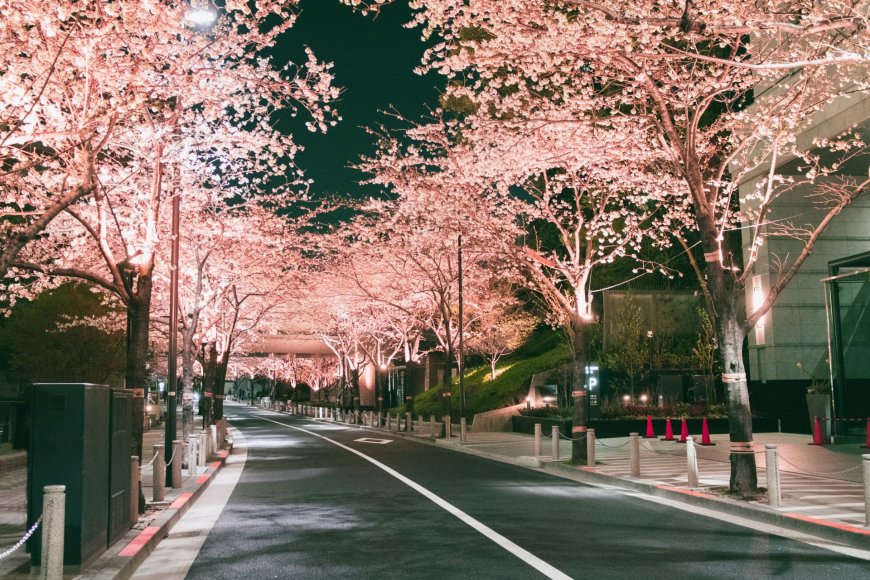
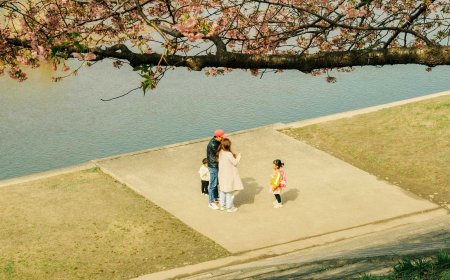
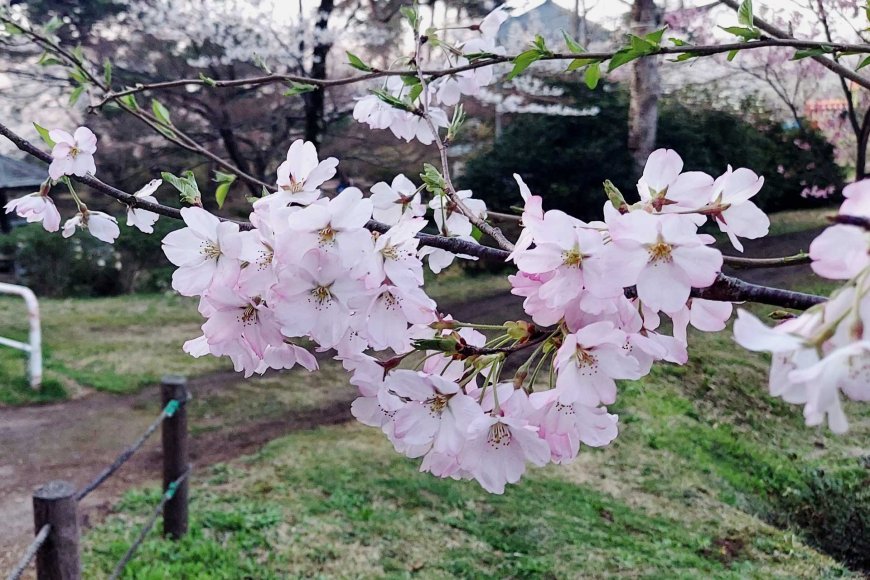
Instead of seeing this as something sad, wabi-sabi treats impermanence as a source of beauty. A cherry blossom is cherished precisely because it only blooms for a short time. A wooden temple darkens over centuries, and its age becomes part of its soul.
This appreciation for impermanence encourages people to live in the present moment, accept reality as it is, and let go of unnecessary attachment.
Wabi-Sabi in Japanese Design and Architecture
Traditional Japanese aesthetics were shaped by wabi-sabi principles long before they were formally named.
Natural Materials
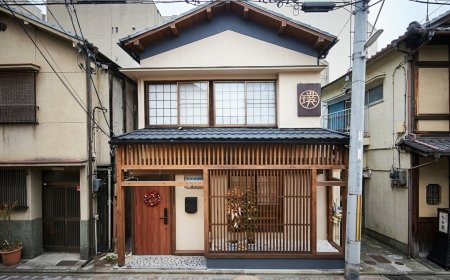
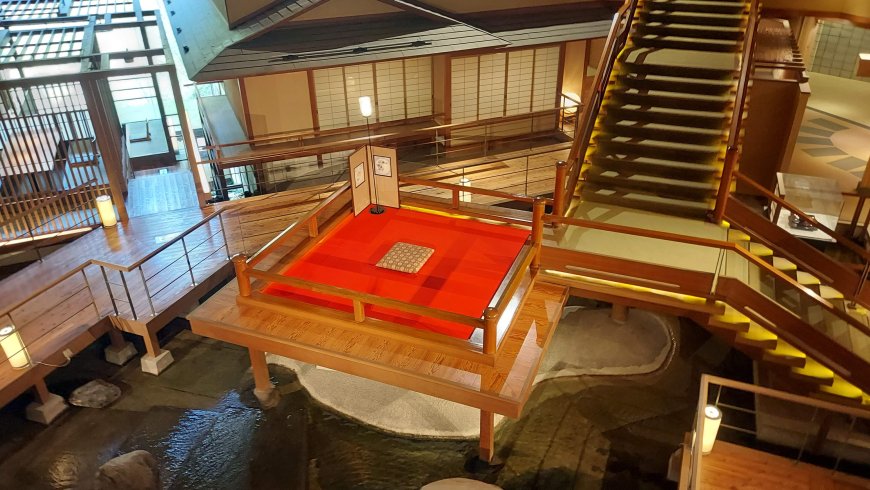
Homes and tea houses use wood, bamboo, clay, stone, and paper—materials that age gracefully.
Neutral and Earthy Colors
Muted tones of brown, gray, beige, and moss green reflect nature’s quiet palette.
Intentional Imperfection
Tea bowls used in chanoyu (tea ceremony) often have asymmetrical shapes, rough textures, and uneven glazes. These characteristics express individuality rather than defect.
Empty Space
Japanese architecture embraces ma—the meaningful use of emptiness. A space is beautiful not because of what fills it, but because of what it allows a person to feel.
The Tea Ceremony: A Living Expression of Wabi-Sabi
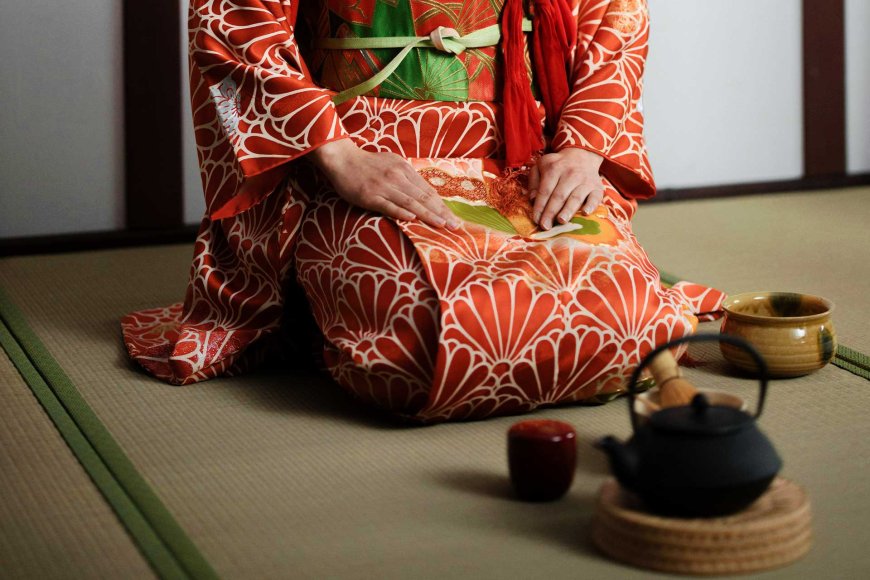
The Japanese tea ceremony, or chanoyu, is one of the most iconic embodiments of wabi-sabi. Everything about the ceremony—from the rustic tea bowl to the simple flower arrangement—reflects calmness, mindfulness, and humility.
Nothing is overly decorated. Nothing is rushed. The host and the guests appreciate each moment, each movement, each sound. The tea bowl may be chipped or uneven, but it is valued precisely because it carries history and character.
Finding Wabi-Sabi in Daily Life
Wabi-sabi is not limited to art or architecture—it can be practiced in everyday life.
Slow Living
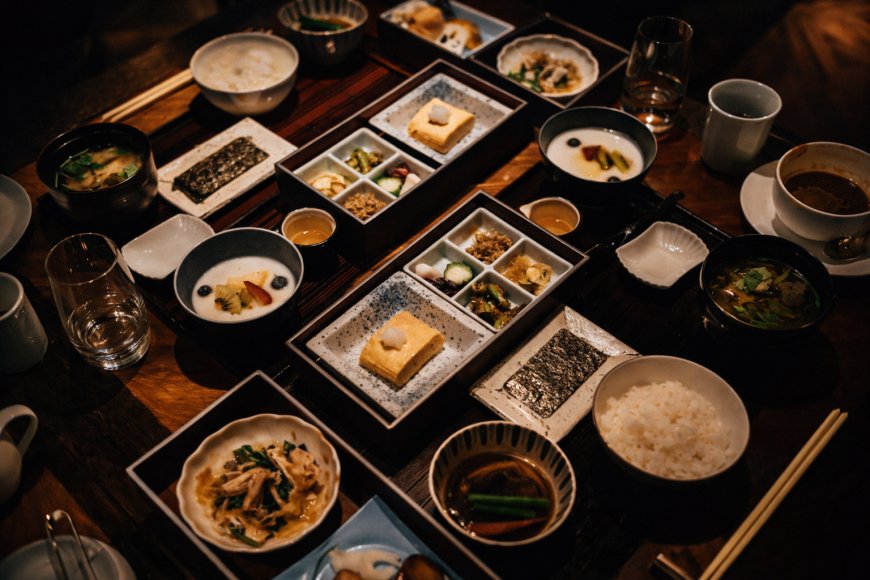
Instead of rushing through tasks, people are encouraged to savor simple routines: drinking tea, arranging flowers, or preparing a meal.
Minimalism with Warmth
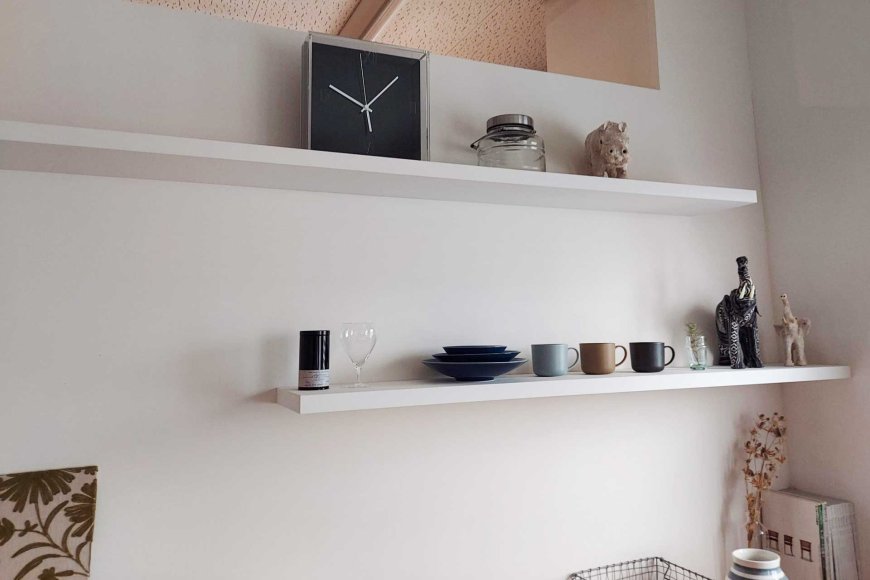
Unlike Western minimalism that can feel cold or perfect, wabi-sabi minimalism welcomes cozy imperfection—scratched furniture, handmade ceramics, or a slightly wrinkled linen tablecloth.
Emotional Acceptance
Wabi-sabi also applies to the self. It encourages individuals to accept their flaws, be gentle with their past, and embrace personal growth at a natural pace.
Wabi-Sabi in Modern Life: Why It Matters Today
In a world obsessed with perfection—filtered photos, fast fashion, and disposable culture—wabi-sabi provides a refreshing perspective. It slows people down and brings them back to what is real.
Embracing Authenticity
True beauty emerges not from flawless surfaces but from honest stories and lived experiences.
Reducing Stress
Accepting imperfection naturally reduces anxiety, as people stop forcing unrealistic standards on themselves or their surroundings.
Sustainable Living
Wabi-sabi encourages repairing, reusing, and appreciating items longer, aligning with eco-friendly values.
A Gentle Philosophy for a Busy World
Wabi-sabi (侘寂) teaches that nothing is perfect, permanent, or complete—and that is the essence of beauty. It asks people to appreciate the quiet charm of aging objects, the stories behind imperfection, and the simple pleasures of everyday life.
By adopting wabi-sabi, anyone can find peace, presence, and purpose in a world that often demands too much.
Nipino.com is committed to providing you with accurate and genuine content. Let us know your opinion by clicking HERE.