

























































Difference Between "未来" and "将来" in Japanese Language and Culture
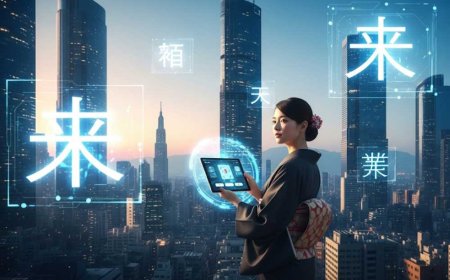
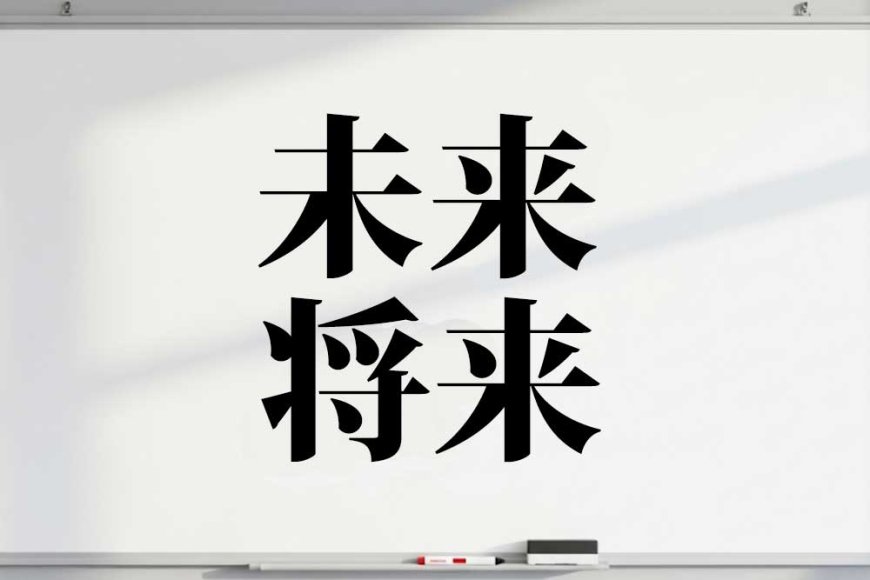
In Japanese, both "未来 (mirai)" and "将来 (shourai)" refer to the future, but they carry distinct nuances and are used in different contexts. Understanding the subtle differences between these two terms offers valuable insights into how the Japanese perceive time, possibility, and personal ambition.

The Complexity of the Japanese Concept of "Future"
The Japanese language, known for its cultural depth and layered meanings, offers more than one way to say “future.” Two of the most commonly used words—未来 (mirai) and 将来 (shourai)—are often translated as “future” in English. However, they are not interchangeable. Their difference lies in perspective, scope, and emotional or philosophical undertones. Mastering when and how to use each term helps learners speak more naturally and appreciate the mindset embedded in Japanese culture.
未来 (Mirai): The Impersonal or Distant Future
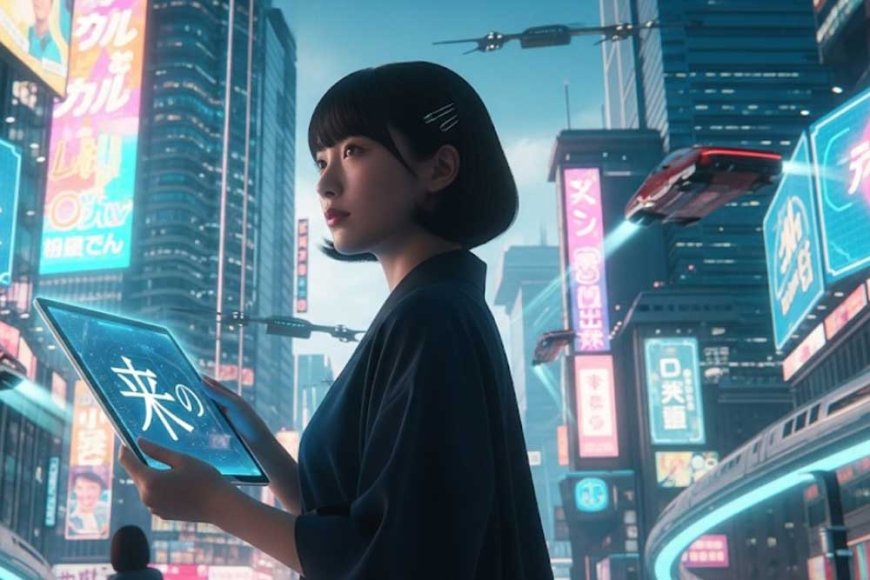
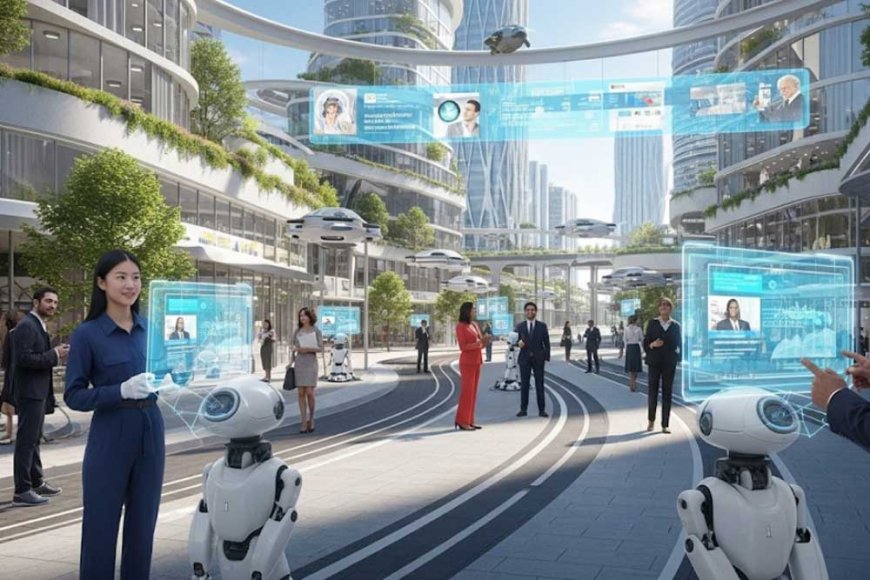
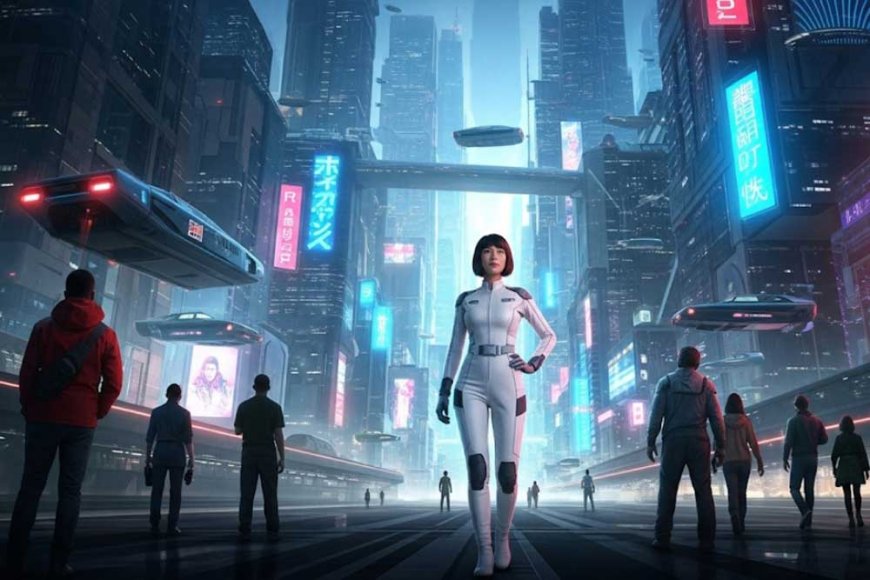
“Mirai” is often used when talking about a general or abstract future that includes humanity, society, or technology.
The term 未来 (mirai) refers to the broader, more indefinite future—often something that lies far ahead and feels out of one's personal control. It's used when discussing possibilities, technology, or outcomes that affect everyone.
Example Sentences:
- この技術は未来を変えるかもしれない。(Kono gijutsu wa mirai o kaeru kamo shirenai.)
This technology might change the future. - 未来の地球はどうなっていると思いますか?(Mirai no chikyū wa dō natte iru to omoimasu ka?)
What do you think the Earth will be like in the future?
In grammar, "mirai" often appears in formal speeches, news articles, and science-related content. It doesn’t imply personal involvement or a guarantee of outcome. Instead, it refers to what could or might happen on a macro scale.
将来 (Shourai): The Personal and Predictable Future
“Shourai” refers to one's personal future or the foreseeable future based on one’s current actions or goals.
While 将来 (shourai) can also be translated as “future,” it’s more about your own future, or the future of someone close. It implies intention, dreams, and things you are working toward.
Example Sentences:
- 私の将来の夢は医者になることです。(Watashi no shōrai no yume wa isha ni naru kotodesu.)
My future dream is to become a doctor. - 彼女の将来は明るい。(Kanojo no shōrai wa akarui.)
Her future is bright.
"Shourai" shows up in career counseling, personal essays, and goal-setting scenarios. It reflects a future that feels more immediate, personal, and actionable compared to the distant uncertainty of "mirai."
Cultural Insight: Why Two Words for “Future”?
The existence of two words for "future" reveals something profound about Japanese society. Japanese culture often emphasizes group harmony and individual responsibility, and this distinction is reflected in the way they conceptualize time.
- Mirai aligns with the collective, often touching on fate, nature, and technology—things out of one’s direct control.
- Shourai is tied to the individual, one's choices, and the belief that effort influences personal destiny.
This distinction also hints at a philosophical mindset: the Japanese often separate what can be imagined from what can be planned.
Common Mistakes: Why Learners Confuse the Two
For English speakers and other learners, both terms simply map to “future,” which leads to confusion. A beginner might say:
未来はアーティストになりたいです。(Mirai wa ātisuto ni naritaidesu.)
"In the future, I want to be an artist."
Technically understandable, but awkward. The correct word should be shourai, because the statement is about personal ambition.
将来はアーティストになりたいです。(Shōrai wa ātisuto ni naritaidesu.)
To avoid this mistake, remember:
- Use mirai when talking about abstract or distant concepts.
- Use shourai when talking about your life or someone else's personal goals.

Grammar Note: Neither Word Functions Like a Verb
Neither “mirai” nor “shourai” is a verb or tense marker. Unlike in English, where “will” expresses future tense, Japanese uses the present tense with context or time indicators like 明日 (ashita), 今度 (kondo), or 将来/未来.
Example:
- 明日、友達に会います。(Ashita, tomodachi ni aimasu.)
I will meet a friend tomorrow. (Uses present tense “aimasu” for future meaning.)
Future in Media: How “Mirai” and “Shourai” Show Up in Pop Culture
Anime, J-drama, and manga frequently use both terms to convey character depth.
- 未来日記 (Mirai Nikki): A popular anime title meaning "Future Diary," explores unpredictable events tied to fate.
- Characters often say things like “将来の夢は何?” (What’s your future dream?) during school scenes, showcasing the use of "shourai" for personal ambition.
Choosing the Right “Future”
Understanding the difference between 未来 (mirai) and 将来 (shourai) is more than just a vocabulary lesson—it’s a window into how the Japanese interpret time and self. While “mirai” captures the uncertainty and vastness of what’s to come, “shourai” anchors the future in personal agency and hope.
For learners of the Japanese language, knowing when to use each term helps express your ideas more naturally and connect more deeply with native speakers.
Nipino.com is committed to providing you with accurate and genuine content. Let us know your opinion by clicking HERE.