











































Emperor’s Birthday in Japan: Meaning, Traditions, and Cultural Significance
The Emperor’s Birthday is a national holiday in Japan that honors the reigning emperor and reflects the country’s unique blend of tradition, modern identity, and constitutional values. More than a royal celebration, it is a quiet reminder of unity, continuity, and respect deeply embedded in Japanese society.
A National Holiday Rooted in History
Every year, Japan pauses to observe a special national holiday known as the Emperor’s Birthday. Unlike loud parades or fireworks-heavy celebrations seen elsewhere, this day is marked by dignity, symbolism, and subtle emotion. It reflects Japan’s long imperial history while also highlighting the modern role of the emperor as a symbol of the state rather than a political ruler.
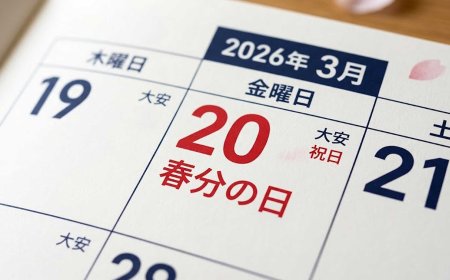
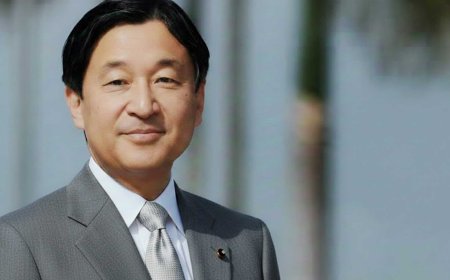
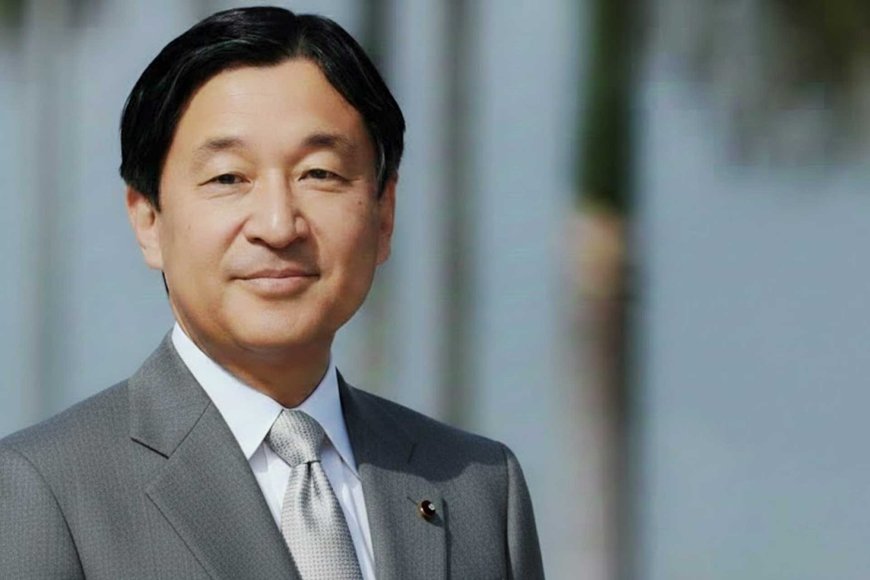
As of today, February 2, 2026, the Emperor’s Birthday is celebrated on February 23, honoring the birth of Emperor Naruhito, the current emperor of Japan. This holiday offers both Japanese citizens and foreign residents a rare glimpse into how tradition and contemporary values coexist harmoniously in everyday Japanese life.
What Is the Emperor’s Birthday?
The Emperor’s Birthday (天皇誕生日) is a public holiday dedicated to celebrating the birth of the reigning emperor. The date changes depending on who sits on the Chrysanthemum Throne, making it one of the few national holidays in the world that shifts with leadership transitions.
Historically, the emperor was considered a divine figure. Today, under Japan’s post-war constitution, the emperor serves as a symbolic figurehead who represents the unity of the people. The holiday, therefore, is less about political power and more about cultural continuity and national identity.
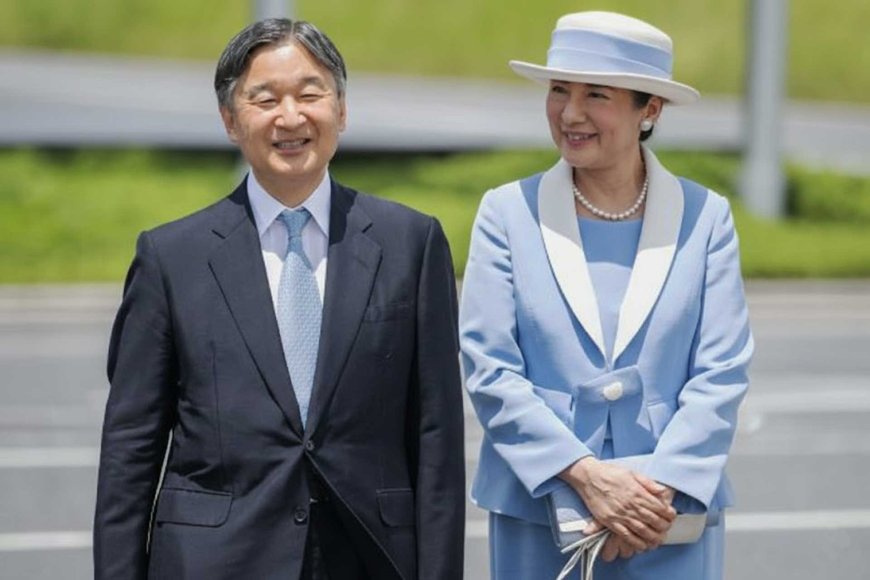
How the Emperor’s Birthday Is Celebrated
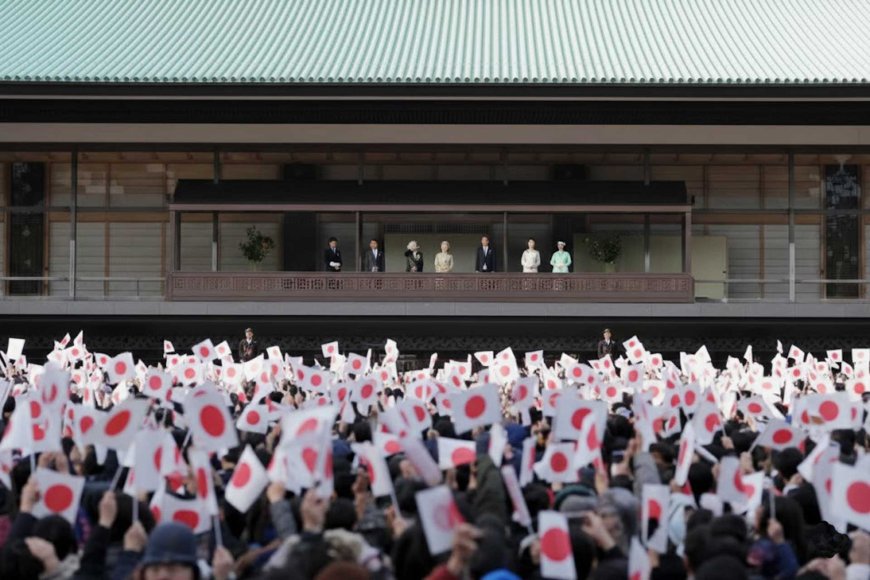
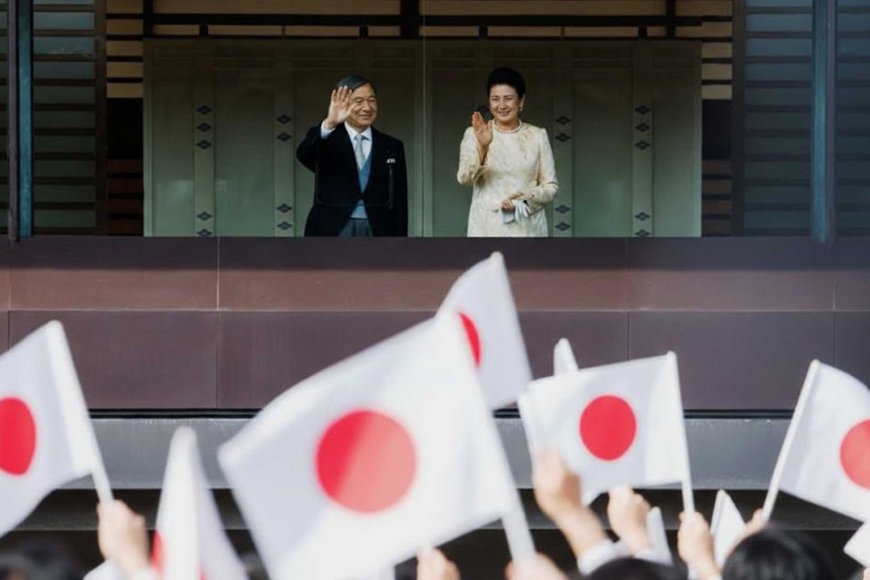
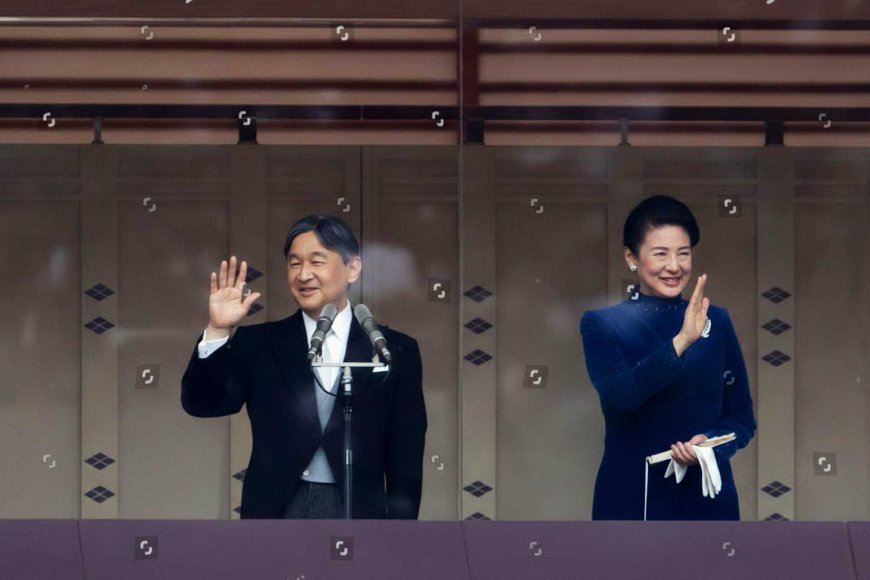
The most notable event of the Emperor’s Birthday is the public appearance of the imperial family at the Imperial Palace in Tokyo. On this day, the palace grounds—normally closed to the public—are opened, allowing citizens to enter and offer their greetings.
Crowds gather respectfully, waving small Japanese flags and listening as the emperor delivers a short message expressing gratitude and hope for the nation. The atmosphere is calm, orderly, and deeply reflective, embodying values such as respect, humility, and harmony.
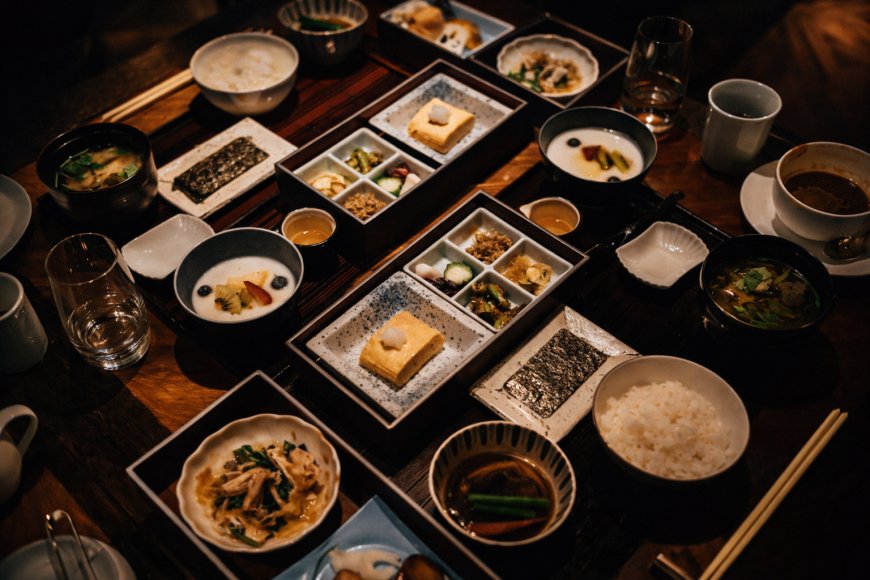
For many Japanese families, the day is spent quietly—perhaps watching the broadcast at home, visiting parks, or enjoying a simple meal together. There is no expectation of celebration in a festive sense; instead, the tone is thoughtful and serene.
A Holiday That Changes With Time
One unique aspect of the Emperor’s Birthday is its fluidity. When Emperor Akihito abdicated in 2019, his birthday (December 23) ceased to be a national holiday. The celebration shifted to February 23 with the accession of Emperor Naruhito.
This change reflects how Japan honors the institution rather than the individual. It also shows the country’s adaptability—traditions are preserved, but they evolve naturally with historical moments.
The Deeper Cultural Meaning
Beyond the ceremonies, the Emperor’s Birthday holds a deeper cultural meaning. It represents continuity in a nation that has experienced immense change—from feudal eras to modernization, war, and global integration.
The emperor symbolizes stability without authority, presence without power. In a society that values balance and social harmony, this role resonates strongly. The holiday becomes a quiet checkpoint in the year, inviting reflection on national values, peace, and collective responsibility.
Why the Emperor’s Birthday Still Matters Today
In modern Japan, where daily life is fast-paced and highly technological, the Emperor’s Birthday serves as a pause button. It reminds people of shared history and identity without demanding allegiance or emotion.
For younger generations, the holiday may feel understated, yet it subtly reinforces respect for tradition. For older generations, it carries memories of a changing Japan. For foreigners living in Japan, it offers insight into a culture where symbolism often speaks louder than spectacle.
Emperor’s Birthday and Life in Japan
For residents and visitors alike, the Emperor’s Birthday often means a welcome day off work. Public transportation runs on holiday schedules, and many businesses close or shorten hours. It is a good opportunity to experience Tokyo in a calmer state, especially around the Imperial Palace area.
More importantly, it is a chance to observe how Japanese society honors leadership—not through personality worship, but through quiet acknowledgment of continuity and service.
A Celebration of Unity, Not Power
The Emperor’s Birthday is not about grandeur or authority. It is about presence, history, and shared identity. In a world where leadership is often loud and divisive, Japan’s approach offers a different perspective—one rooted in humility, symbolism, and collective harmony.
As Japan continues to move forward, this holiday remains a gentle reminder that progress and tradition do not have to stand in opposition. Sometimes, they walk side by side, quietly shaping the rhythm of a nation.
Nipino.com is committed to providing you with accurate and genuine content. Let us know your opinion by clicking HERE.