


































10 Things Foreigners in Japan Should Do Before October 2026
September is the transition between Japan's hot summer and cooler autumn, making late September a good time to prepare for the months ahead. From checking your emergency supplies and changing your wardrobe to reviewing your finances, documents, and autumn plans, these 10 simple tasks can make everyday life in Japan easier.
October Is Almost Here
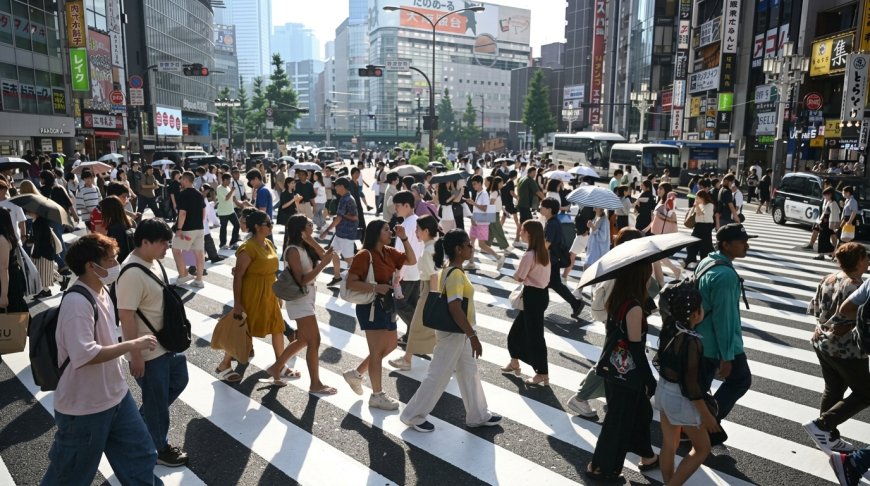
September can feel like a strange month in Japan.
The calendar says autumn, but some afternoons can still feel like summer.
Then suddenly, the temperature drops in the evening.
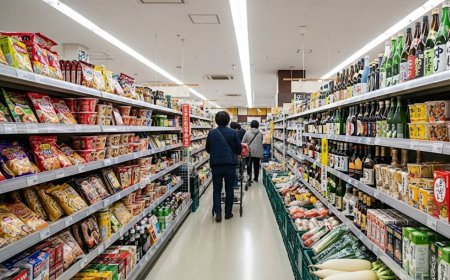
The convenience stores begin filling their shelves with sweet potato and chestnut products. Restaurants start introducing autumn menus. The mornings become cooler, and the days gradually become shorter.
For foreigners living in Japan, this seasonal transition is a good opportunity to stop and prepare for the months ahead.
You don't need to make major changes.
A few simple checks now can prevent unnecessary problems later.
Before October arrives, here are 10 things worth doing if you live in Japan.
1. Check Your Autumn Clothes
Don't put all your summer clothes away just yet.
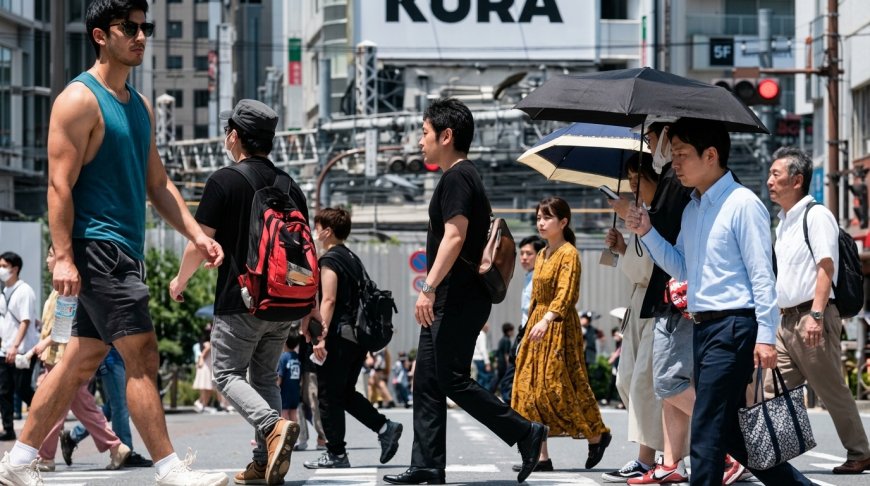
September can still be warm, particularly during the daytime, but October usually brings more noticeable changes in temperature.
Instead of completely replacing your wardrobe, prepare a few layers that you can easily add or remove.
Consider having:
- Long-sleeve shirts
- Light sweaters
- A cardigan or jacket
- Long pants
- Comfortable shoes
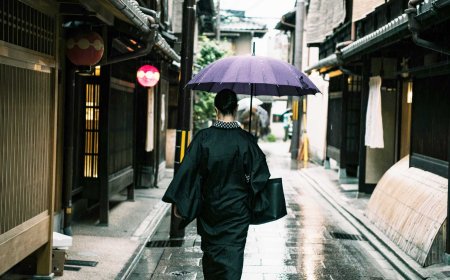
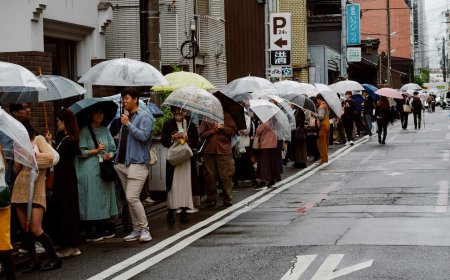
- A compact umbrella
- A light rain jacket
Layering is especially useful because mornings and evenings can feel considerably cooler than the middle of the day.
If you are new to Japan, don't rely only on the calendar when deciding what to wear.
Check the weather forecast for your actual location.
Japan is geographically large, so October weather in Hokkaido can be very different from October weather in Okinawa.
If you are still experiencing hot days, keep some summer clothing accessible.
Is Japan Becoming Harder or Easier for Foreign Workers? What Is Changing in 2026

2. Prepare for the Cooler Nights
One of the easiest changes to notice in late September is the difference between daytime and nighttime temperatures.
You may not need heating yet, but it is a good time to check whether everything you will need for cooler weather is working properly.
Check:
- Air conditioner heating mode
- Electric heaters
- Blankets
- Bedding
- Hot-water systems
- Humidifiers
- Windows and curtains
If you haven't used a heater for several months, don't wait until the first very cold night to discover that it doesn't work.
For people renting an apartment, this is also a good opportunity to review your apartment rules in Japan and check whether there are restrictions concerning certain heating equipment.
Small preparation now can make the transition into autumn and winter much easier.
3. Review Your Monthly Budget
October is a good time to look at your finances before the end-of-year expenses begin.
Take a few minutes to review your average monthly spending.
Write down:
- Rent
- Electricity
- Gas
- Water
- Internet
- Mobile phone
- Transportation
- Food
- Insurance
- Taxes
- Subscriptions
- Family support or remittances
- Savings
Then compare the total with your monthly take-home income.
If you haven't done this recently, our guide to the real cost of living in Japan in 2026 can help you understand the major expenses that foreign residents commonly need to consider.
You don't need a complicated financial system.
Even a simple spreadsheet can show you where your money is going.
The important thing is to know your actual numbers.

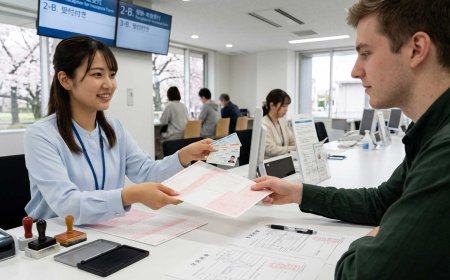
4. Check Your Residence Documents
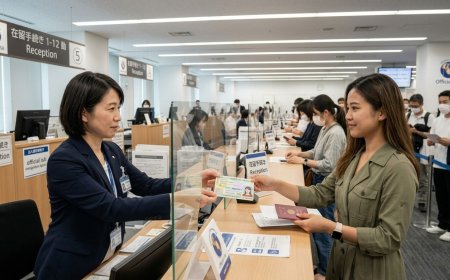
October can also be a useful reminder to check your important documents.
Look at your:
- Residence card
- Passport
- Employment documents
- Health insurance information
- My Number-related documents
- Tax documents
- Rental contract
- Important immigration paperwork
Pay particular attention to the expiration date on your residence card and passport.
If your residence status will expire soon, don't wait until the last minute to start preparing.
You can learn more about the terminology and procedures in our Japan Status of Residence guide for foreigners.
Remember that a residence card and a visa are not exactly the same thing.
Understanding your status of residence can help you avoid unnecessary confusion when dealing with immigration procedures.
5. Check Your Emergency Supplies
Japan is beautiful, but it is also a country where residents need to be prepared for natural disasters.
Earthquakes, typhoons, heavy rain, flooding and landslides can affect different parts of the country.
Late September is a good time to check your emergency supplies.
Make sure you know where you have:
- Drinking water
- Emergency food
- Flashlights
- Batteries
- Mobile power banks
- Basic first-aid supplies
- Important medication
- Copies of important documents
- Portable radio if available
Also check the emergency information for your municipality.
If you recently moved to Japan, find your local evacuation center and check the area's hazard map.
Don't wait until an emergency happens to discover that you don't know where to go.
6. Check Your Typhoon and Weather Apps
September is still an important month for typhoon awareness, and weather conditions can change quickly.
Even as October approaches, heavy rain and strong winds can still affect transportation and daily life.
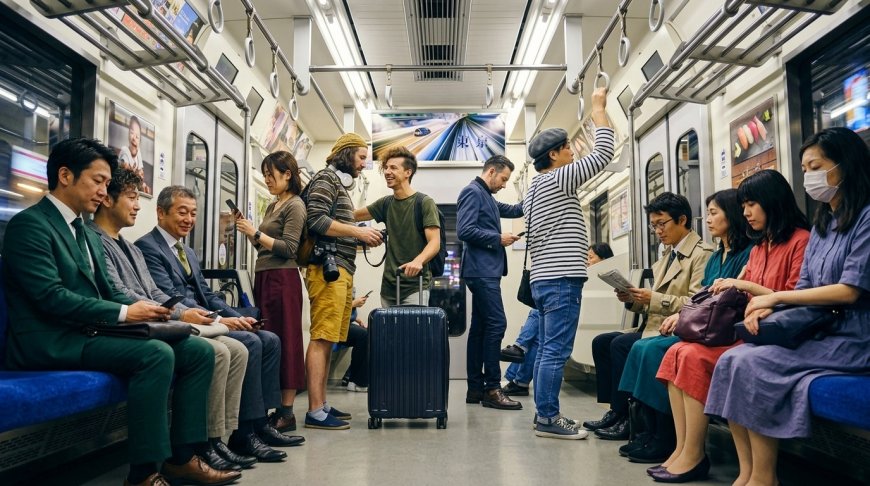
If you commute by train, regularly check your railway operator's official information during severe weather.
It is also useful to have at least one reliable weather application installed on your phone.
Learn a few important Japanese weather terms:
台風 (たいふう) — typhoon
大雨 (おおあめ) — heavy rain
洪水 (こうずい) — flood
土砂災害 (どしゃさいがい) — landslide disaster
警報 (けいほう) — warning
注意報 (ちゅういほう) — advisory
避難 (ひなん) — evacuation
運休 (うんきゅう) — transportation service suspension
Knowing these words can make Japanese emergency notifications easier to understand.
7. Review Your Commuting Costs
If you commute to work or school, October is a good time to look at how much transportation is costing you.
Check whether you are using:
- A commuter pass
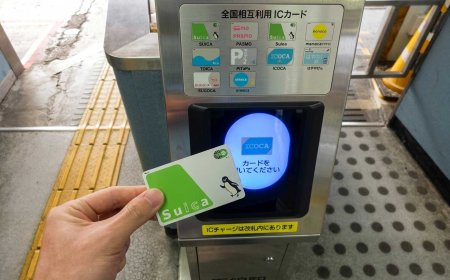
- IC card
- Train
- Bus
- Bicycle
- Car
- Combination transportation
If you recently changed jobs or moved, your current commuting arrangement may no longer be the most practical.
Also check whether your employer provides transportation reimbursement and whether your current route is covered.
A few hundred yen saved every working day can become a meaningful amount over an entire year.
If you are considering a new job, don't look only at the advertised salary.
Consider the commute, transportation costs, working hours, and other conditions as part of the overall employment package.

8. Start Planning Your Autumn Activities
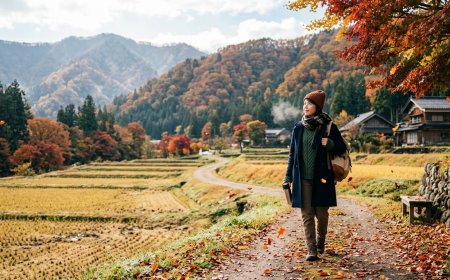
Autumn is one of the most enjoyable times of year to explore Japan.
As the weather becomes more comfortable, consider planning:
- Hiking
- Cycling
- Camping
- Onsen trips
- Local festivals
- Food events
- Day trips
- Scenic drives
- Autumn foliage trips
You don't have to travel to Tokyo, Kyoto, or another famous tourist destination.
Some of the most interesting experiences can be found close to where you live.
Visit a local shrine.
Try a seasonal restaurant.
Explore a nearby town.
Go to a local festival.
Take a train to a place you've never visited.
For foreigners living in Japan, these small trips can be a great way to understand the area beyond the usual tourist attractions.
And if you have recently arrived in Japan, our guide to moving to Japan can help you understand some of the practical aspects of establishing your daily life here.
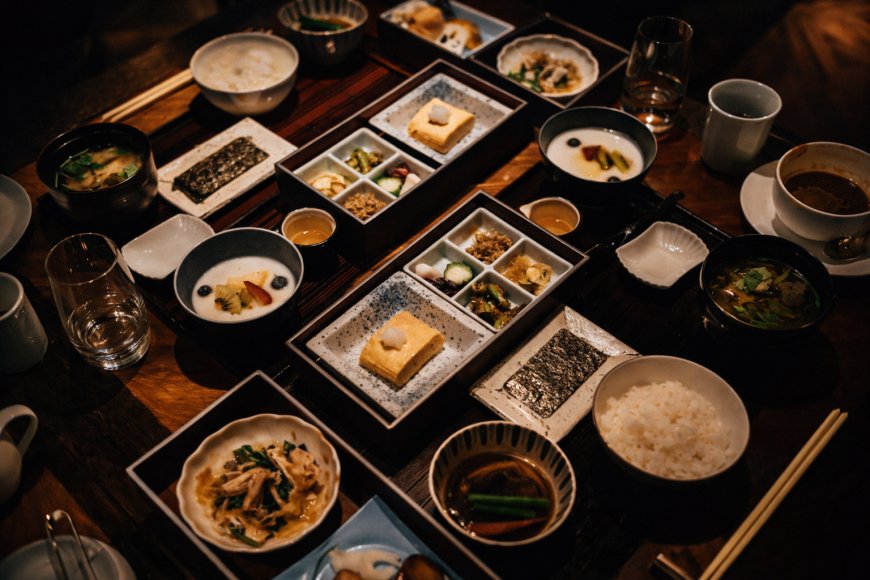
9. Try Japan's Autumn Foods
One of the easiest ways to experience autumn in Japan is through food.
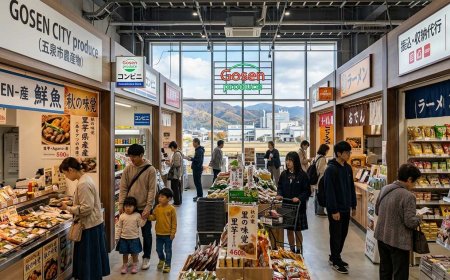
By late September and October, seasonal products become increasingly common in supermarkets, restaurants, bakeries and convenience stores.
Look for:
Sweet Potato — さつまいも
Japanese sweet potatoes become especially popular during autumn.
You may find them roasted, baked, or used in desserts, drinks and snacks.
Chestnuts — 栗
Chestnuts appear in cakes, sweets, rice dishes and other seasonal foods.
Japanese Pear — 梨
Nashi pears are crisp, juicy and refreshing.
Pacific Saury — 秋刀魚
Sanma is traditionally associated with autumn and is often grilled and served with grated daikon.
New Rice — 新米
新米 (しんまい) means newly harvested rice.
For people living in rice-producing regions, autumn is a particularly interesting time to experience freshly harvested rice.
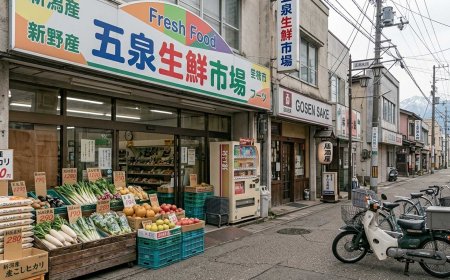
If you live in Niigata, this is especially relevant because rice is an important part of the region's food culture.
You don't need to visit an expensive restaurant.
Go to your local supermarket and look for seasonal products.
Sometimes the simplest way to experience Japan is to eat what local people are eating.
10. Set Your Goals for the Rest of 2026
This may be the most useful thing you can do before October.
September marks the final stretch of the year.
That means you have roughly three months left before 2027.
Instead of waiting for January to make changes, ask yourself:
What do I want to accomplish before the end of this year?
Maybe you want to:
- Improve your Japanese
- Pass a JLPT level
- Find a better job
- Save more money
- Pay off debt
- Get a qualification
- Start a side business
- Exercise more
- Travel somewhere new
- Build stronger relationships
- Improve your work skills
- Prepare for permanent residency
- Move to a better apartment
Choose two or three realistic goals.
Don't choose ten goals and abandon all of them after two weeks.
Small progress is easier to maintain.
For example:
Goal: Improve Japanese.
Instead of:
"I will become fluent."
Try:
"I will study Japanese for 20 minutes every weekday."
Instead of:
"I will save more money."
Try:
"I will save ¥20,000 every month."
Instead of:
"I will find a better job."
Try:
"I will update my resume and apply for two suitable positions each week."
The goal is to turn a general wish into an action.
A Simple Before-October Checklist
Save this checklist and go through it before October begins.
Home
☐ Prepare autumn clothes
☐ Check blankets and bedding
☐ Test heating equipment
☐ Check your apartment rules
Money
☐ Review monthly expenses
☐ Check subscriptions
☐ Review savings
☐ Review transportation costs
Documents
☐ Check residence card
☐ Check passport
☐ Check employment documents
☐ Check important tax and insurance documents
Emergency Preparation
☐ Check emergency supplies
☐ Check your local hazard map
☐ Find your evacuation center
☐ Check weather and disaster apps
Life
☐ Plan an autumn activity
☐ Try seasonal food
☐ Visit somewhere new
☐ Set two or three goals for the rest of 2026
Don't Wait for January
Many people think about making changes at the beginning of a new year.
But you don't have to wait.
October can be a useful reset point.
The weather changes.
Your routine may change.
Your work schedule may change.
Your expenses may change.
And you still have enough time left in the year to accomplish something meaningful.
If you have been thinking about improving your Japanese, changing jobs, saving money, traveling more, or simply becoming more comfortable with life in Japan, October can be a good time to start.
You don't need a dramatic new beginning.
Start with one small action.
Adapting to Changes
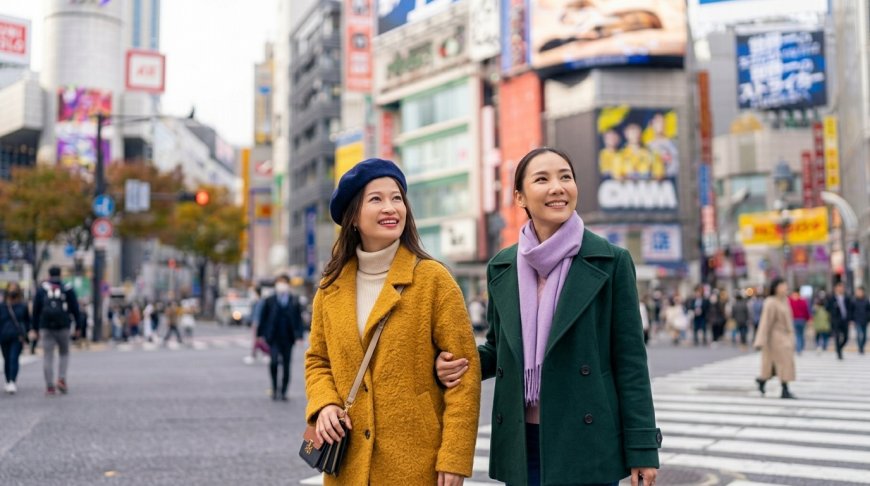
Living in Japan means constantly adapting to small changes.
The seasons change.
The weather changes.
Transportation schedules change.
Prices change.
Rules and procedures can change.
Your job can change.
And your own goals can change.
September is therefore a good reminder to pause and prepare.
Before October arrives, check your home, finances, documents, emergency supplies, transportation, and personal goals.
Then enjoy the season.
Try something new.
Eat something seasonal.
Explore somewhere nearby.
Learn a few Japanese words.
And take advantage of the cooler days ahead.
You don't have to wait for a new year to improve your life in Japan.
Sometimes, a new season is enough reason to start.
Important Disclaimer: This article is for general informational purposes only and does not constitute legal, financial, immigration, medical, or professional advice. Rules, costs, weather conditions, and local procedures can change, so always confirm important information with the relevant government office, municipality, employer, or other official source.
For more practical Japan living guides, explore related resources like the Living in Japan, Japan Starter Toolkit, and Everyday Japanese for Beginners.
Prepare Smarter, Live Better in Japan (FREE Download)
Download the First 7 Days in Japan Checklist (FREE)
Don’t guess what to do — follow a proven plan.
Download your FREE “First 7 Days in Japan Checklist” PDF now:
✔ Instant download
✔ Mobile-friendly
✔ Printable
Want the COMPLETE Version? (Premium Upgrade)
If you want a deeper, more powerful guide, there’s also a premium version available on Gumroad.
Nipino.com is committed to providing you with accurate and genuine content. Let us know your opinion by clicking HERE.