



















































Dining Etiquette in Japan: What Not to Do at the Table
Dining in Japan is guided by respect, tradition, and subtle rules that may not be obvious to foreigners. Understanding what not to do at the table helps visitors and residents avoid awkward situations and show appreciation for Japanese culture.
Why Dining Etiquette Matters in Japan
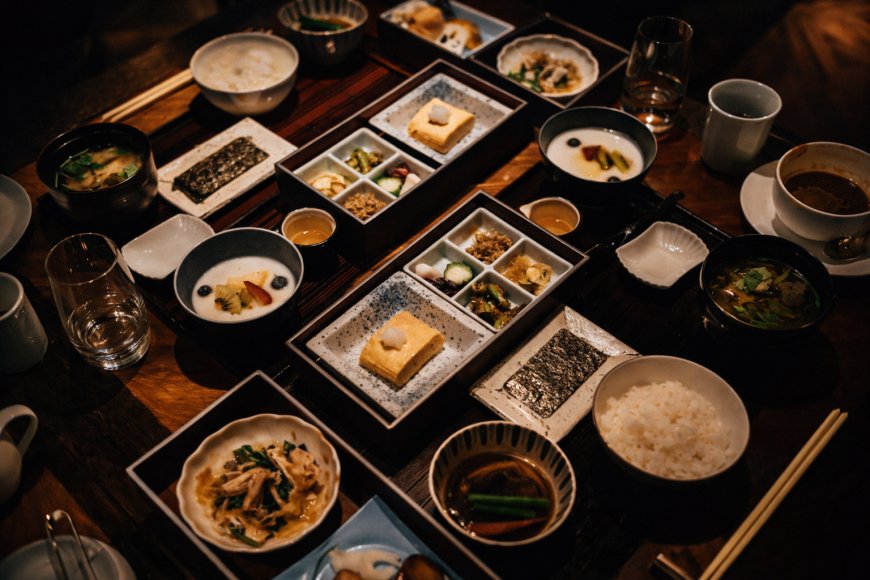
In Japan, eating is not just about food—it is a cultural experience rooted in gratitude, respect, and tradition. From how chopsticks are used to how meals begin and end, each action carries meaning.
For foreigners, the differences can be surprising. However, learning what not to do at the table is one of the easiest ways to adapt and show respect.
Want to avoid common mistakes in your daily life? Check out the Japan Starter Toolkit.
Don't Forget to Say "Itadakimasu" and "Gochisousama"
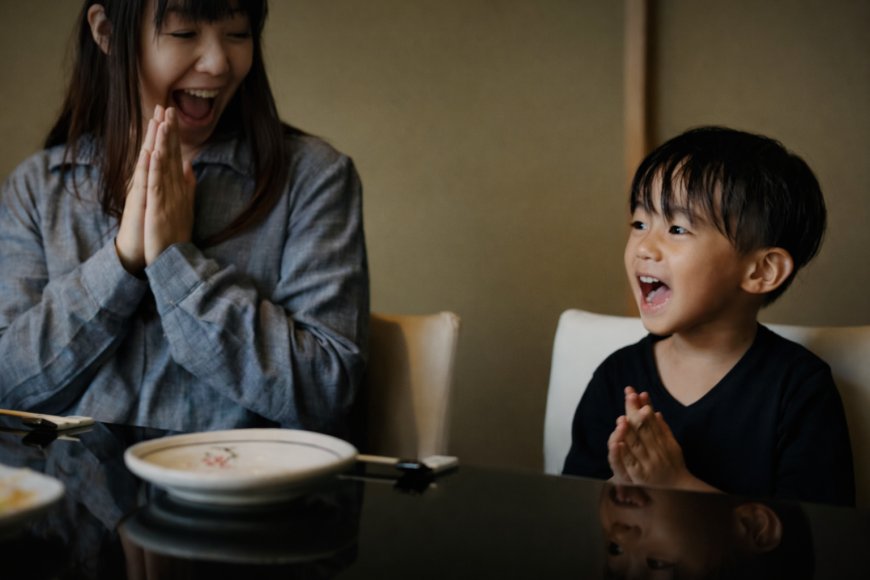
One of the most important customs in Japan is expressing gratitude before and after meals.
✔ Do:
- Say "Itadakimasu" before eating
- Say "Gochisousama deshita" after finishing
❌ Don't:
- Start eating without acknowledging the meal
These phrases reflect appreciation for the food, the people who prepared it, and the ingredients themselves.
Learn essential dining phrases with Everyday Japanese for Beginners.
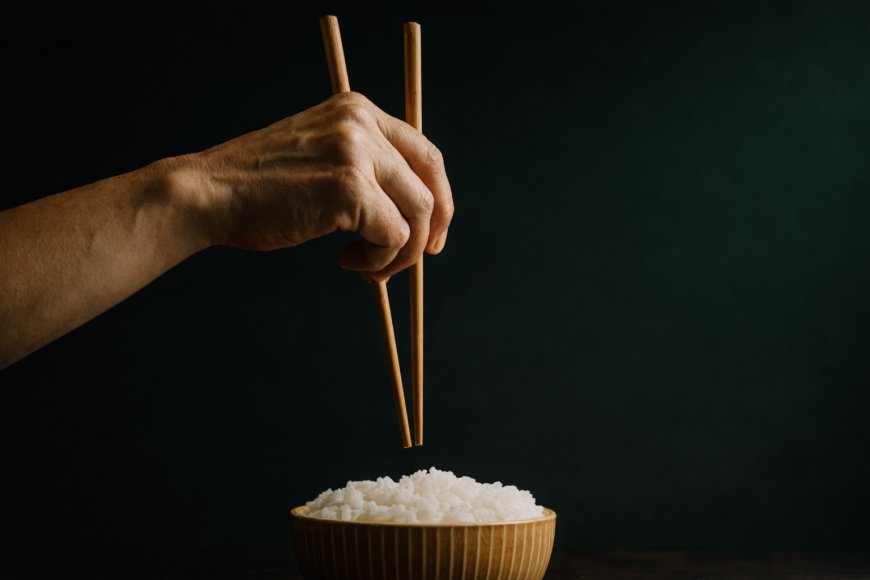
Don't Stick Chopsticks Upright in Rice
This is one of the most important rules to remember.
❌ Don't:
- Stick chopsticks vertically into a bowl of rice
This action resembles a ritual performed at funerals and is considered disrespectful in everyday dining.
✔ Do:
- Place chopsticks on a holder or across your bowl when not in use
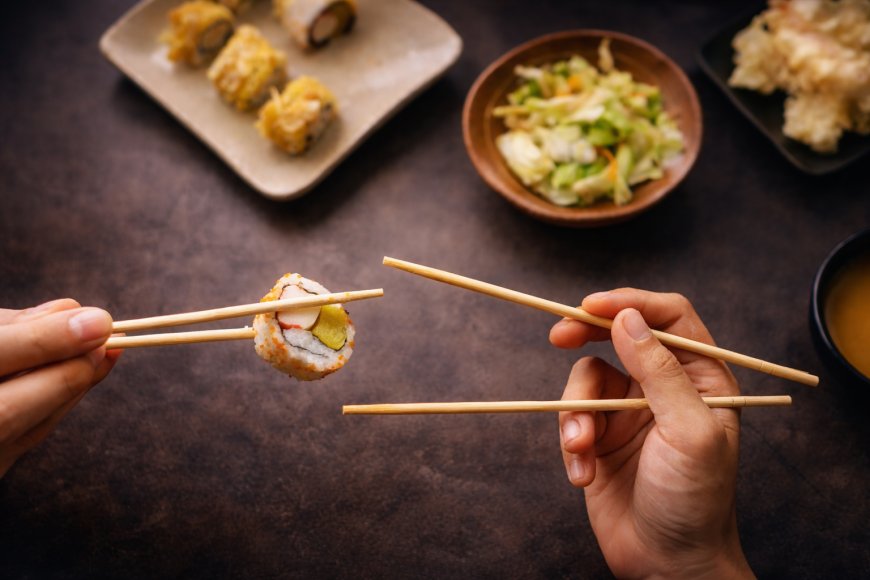
Don't Pass Food Chopstick to Chopstick
Another major etiquette rule involves how food is shared.
❌ Don't:
- Pass food directly from your chopsticks to someone else's
This also resembles a funeral practice and should be avoided.
✔ Do:
- Use serving utensils
- Place food on a shared plate first
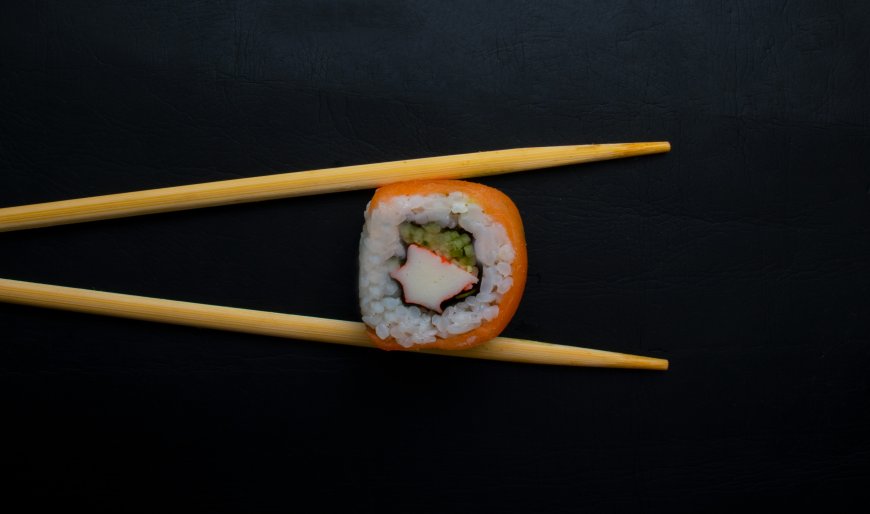
Don't Point or Play with Chopsticks
Chopsticks are treated as eating tools, not objects for gestures.
❌ Don't:
- Point at people with chopsticks
- Wave them around
- Use them to move dishes
✔ Do:
- Use chopsticks only for eating
Proper chopstick use shows good manners and respect.
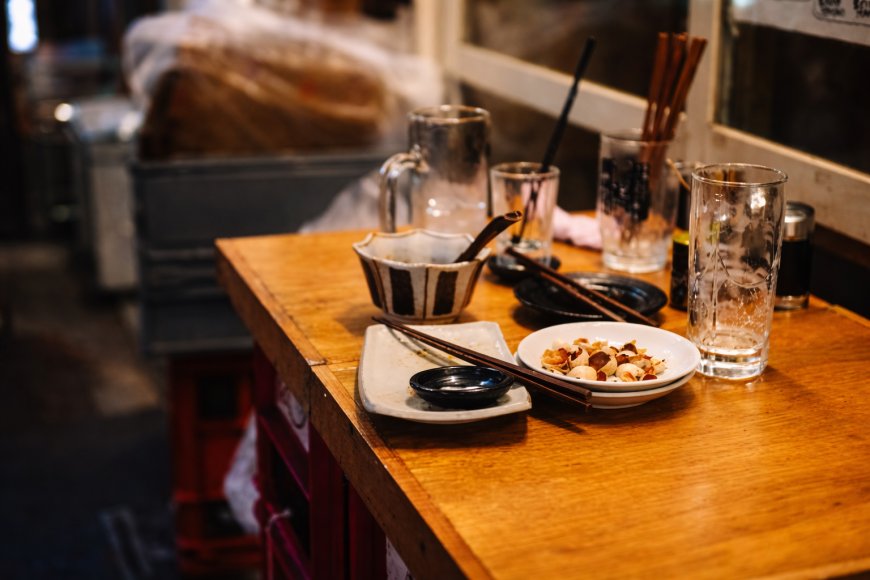
Don't Leave Food Uneaten (Especially Rice)
In Japan, wasting food is discouraged.
❌ Don't:
- Leave large amounts of food on your plate
- Take more than you can eat
✔ Do:
- Finish your meal
- Take smaller portions if unsure
Rice, in particular, is considered important, so finishing it is appreciated.
Don't Be Afraid to Slurp (Yes, Really!)
This is one rule that surprises many foreigners.
❌ Don't:
- Assume slurping is rude
✔ Do:
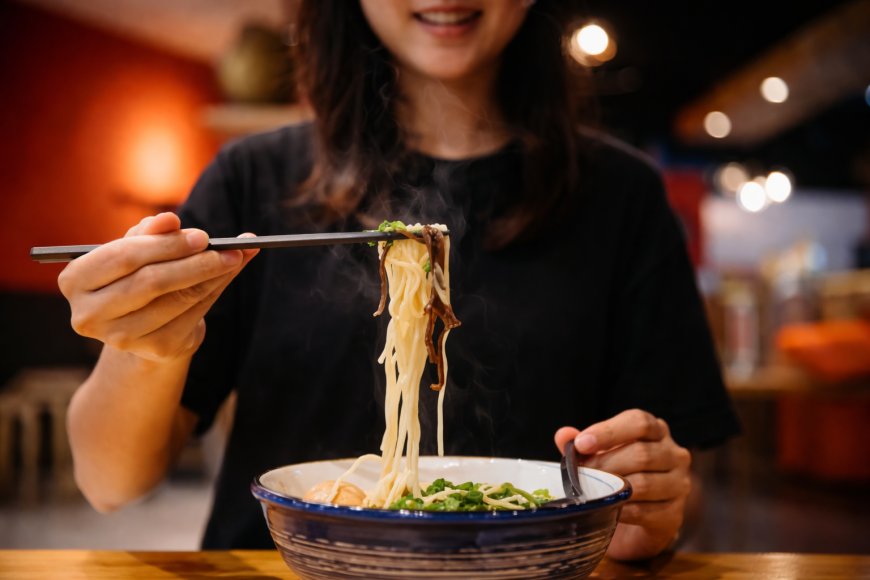
- Slurp noodles like ramen or soba
Slurping is actually seen as a sign that you are enjoying the meal.
Don't Eat While Walking (In Most Situations)
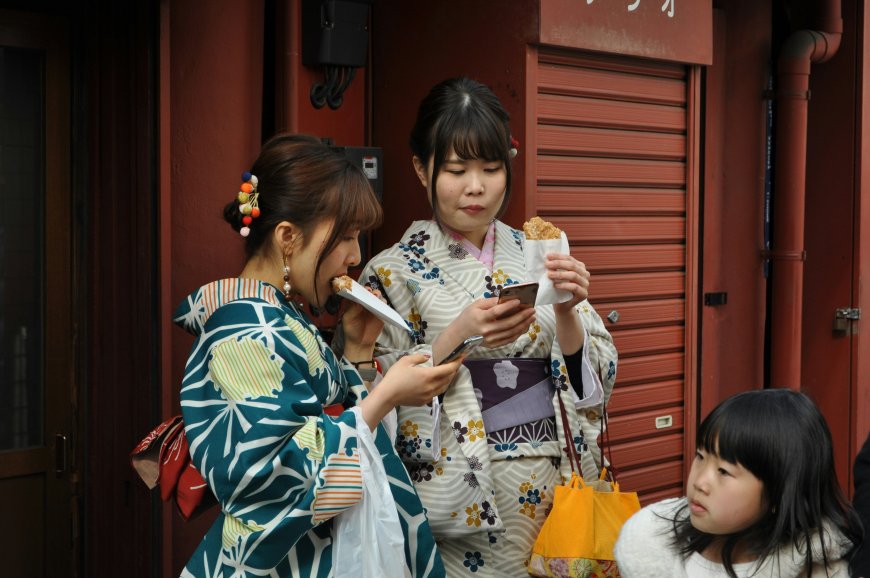
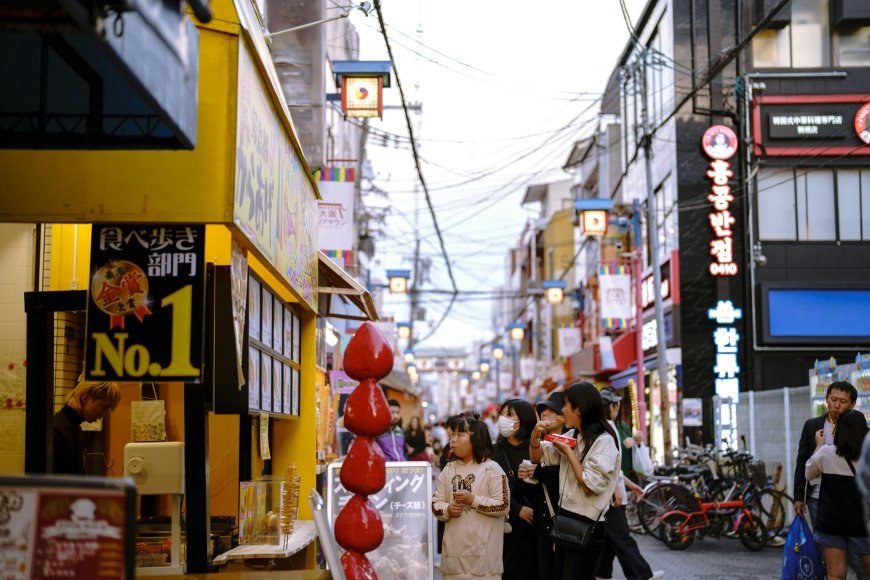
Eating while walking is generally discouraged in Japan, especially in crowded areas.
❌ Don't:
- Eat on the go in busy public places
✔ Do:
- Eat at designated areas
- Finish your food near the store where you bought it
This helps maintain cleanliness and order.
Don't Ignore Cleanliness Before Eating
Cleanliness is an important part of dining etiquette.
✔ Do:
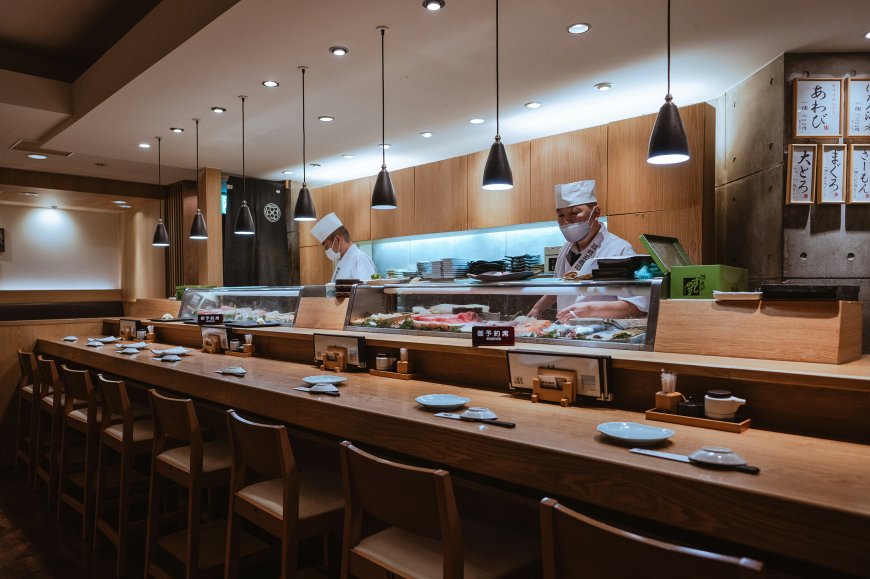
- Use the provided wet towel (oshibori) to clean your hands
❌ Don't:
- Use it to wipe your face or other items
This small step shows respect for hygiene and the dining environment.
Don't Pour Your Own Drink First
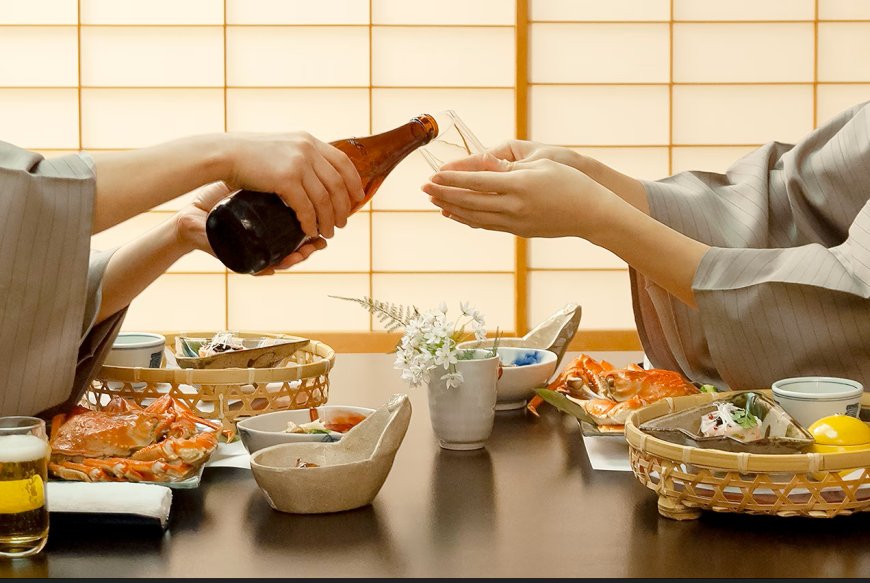
In social dining settings, there is a custom related to drinks.
❌ Don't:
- Immediately pour your own drink
✔ Do:
- Pour drinks for others first
- Wait for someone to pour yours
This reflects consideration and group harmony.
Why These Dining Rules Exist
Japanese dining etiquette is based on deeper cultural values:
Respect
For food, people, and traditions.
Harmony
Maintaining a comfortable atmosphere.
Cleanliness
Keeping the dining space neat.
Understanding these values makes it easier to remember the rules.
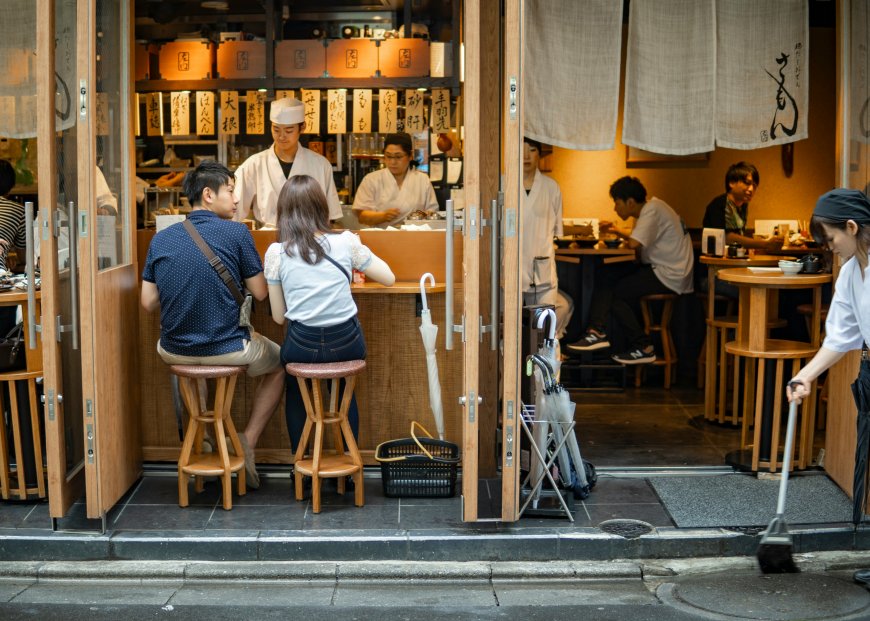
Common Mistakes Foreigners Make
Many beginners make similar mistakes, including:
- Misusing chopsticks
- Forgetting meal phrases
- Eating while walking
- Leaving food unfinished
These are usually unintentional, but learning them early can prevent awkward situations.
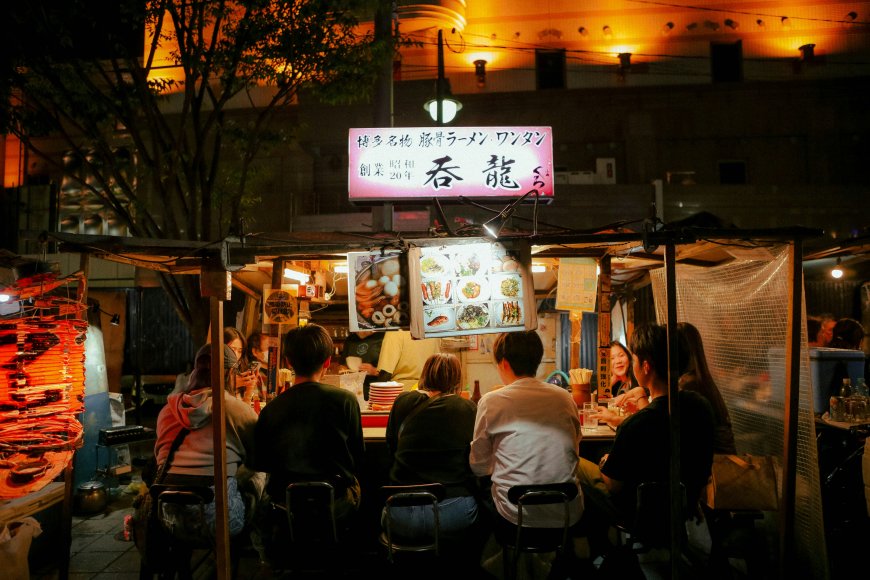
How to Adapt to Japanese Dining Culture
Adapting to dining etiquette does not require perfection—just awareness.
✔ Tips:
- Observe how others eat
- Learn basic phrases
- Practice proper chopstick use
- Stay respectful
Over time, these habits become natural.
Make your transition easier with the Japan Starter Toolkit.
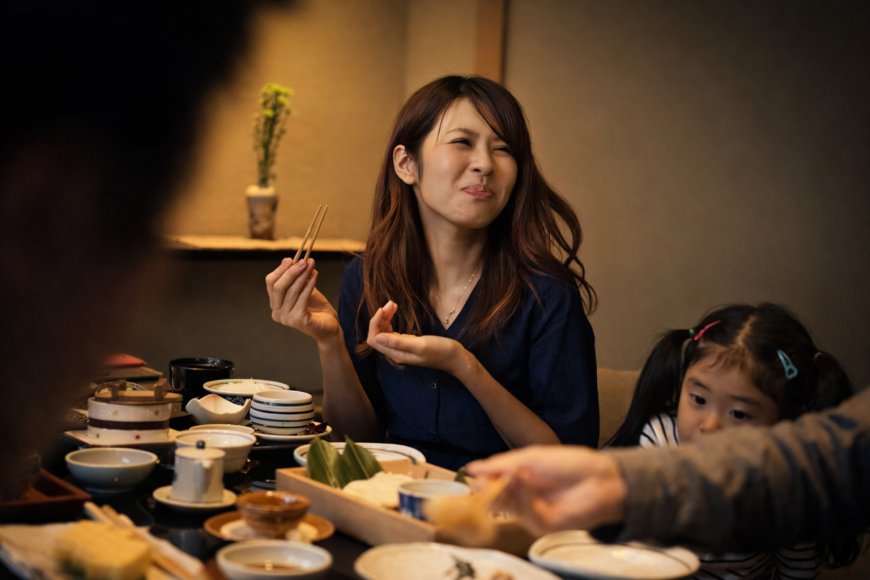
Respect at the Table Goes a Long Way
Dining etiquette in Japan may seem detailed, but it is rooted in simple principles: respect, gratitude, and awareness.
By understanding what not to do at the table, foreigners can avoid misunderstandings, show appreciation, and enjoy a richer cultural experience.
Start Your Japan Journey the Right Way
Get everything you need to settle smoothly with the Japan Starter Toolkit.
Learn how to speak naturally in dining situations with Everyday Japanese for Beginners.
Prepare Smarter, Live Better in Japan (FREE Download)
Download the First 7 Days in Japan Checklist (FREE)
Don’t guess what to do — follow a proven plan.
Download your FREE “First 7 Days in Japan Checklist” PDF now:
✔ Instant download
✔ Mobile-friendly
✔ Printable
Want the COMPLETE Version? (Premium Upgrade)
If you want a deeper, more powerful guide, there’s also a premium version available on Gumroad.
Nipino.com is committed to providing you with accurate and genuine content. Let us know your opinion by clicking HERE.