























Best Ways to Save Money in Japan: A Practical Foreigners Guide
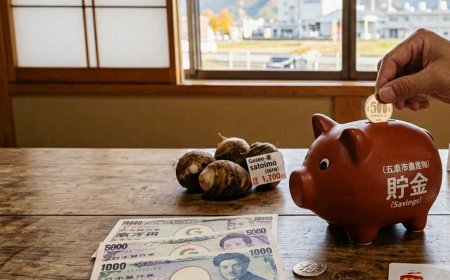
Saving money in Japan is still possible in 2026, but foreigners need a smarter strategy because rent, groceries, utilities, and daily “small spending” can quietly drain a monthly salary. This guide explains practical, realistic ways to reduce costs in Japan without living miserably or feeling like every yen must be guarded like treasure.
Why Saving Money in Japan Feels Different in 2026
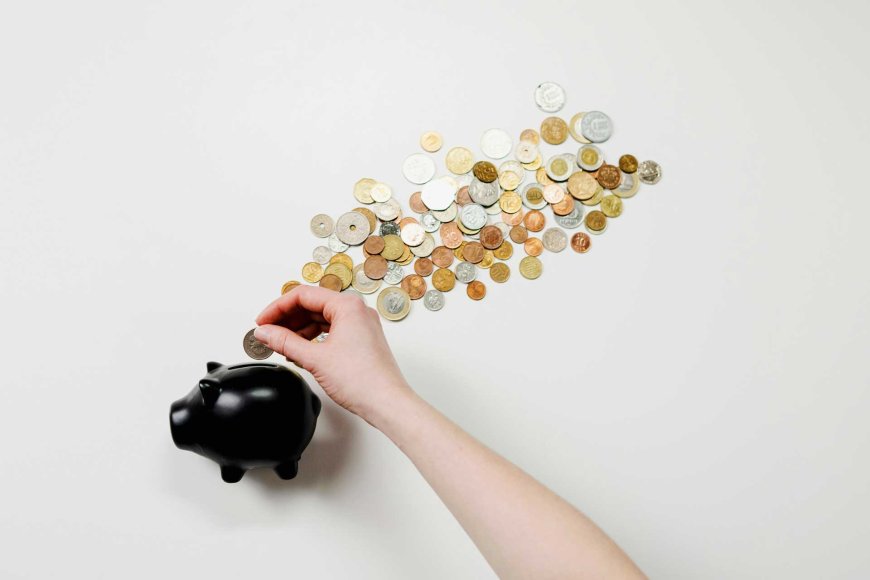
Saving money in Japan used to feel easier for many foreign residents. Rent could be reasonable outside Tokyo, convenience store meals were affordable, and everyday prices felt stable. But in 2026, many people living in Japan are feeling the pinch. The change is not imaginary. Japan’s consumer price index rose 3.2% in 2025, while food prices rose 6.8% that year. Even by March 2026, food inflation was still up 3.6% year-on-year, meaning groceries remain more expensive than many people remember.
For foreigners, the challenge can feel even sharper. New residents often do not know which supermarkets are cheaper, which apps give points, how commuter passes work, or why buying everything at the convenience store is like letting coins leak from a small hole in your pocket every day. Japan is organized, safe, and convenient, but convenience has a price. If you do not build good habits early, your salary can disappear quietly through rent, food, transportation, subscriptions, and small daily purchases.
A realistic monthly living cost for many foreign residents in Japan now ranges from around ¥150,000 to ¥300,000, depending on city, rent, lifestyle, and family size. That means saving money is not about being cheap. It is about creating breathing room. It is about having enough left after payday to save, travel, invest, or support family back home without feeling financially trapped.
New to Japan? Japan Starter Toolkit can help you organize your first apartment, budget, and first-week tasks.
Start With Rent, Because Rent Controls Everything
If there is one expense that decides whether life in Japan feels comfortable or stressful, it is rent. You can save ¥100 on coffee or ¥300 on lunch, but if your apartment is overpriced by ¥30,000 every month, those small savings will not rescue your budget. Rent is the big stone in the jar. Set it correctly first, then adjust the smaller stones later.
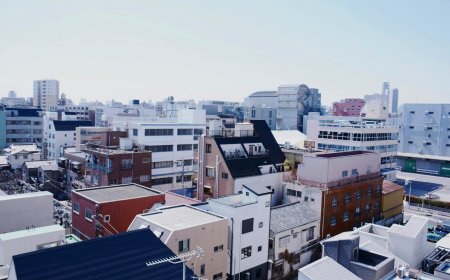
In Tokyo, a small apartment near a major station can easily become the biggest part of your monthly spending. In regional cities such as Niigata, Sendai, Fukuoka, Okayama, or parts of Saitama and Chiba, rent can be much more manageable. This is why many foreigners who work remotely, teach outside big cities, or have flexible jobs can save more money by living away from central Tokyo.
| Housing Choice | Monthly Cost Level | Best For | Main Warning |
|---|---|---|---|
| Central Tokyo apartment | High | Professionals who need location convenience | Rent can destroy savings |
| Suburban apartment | Medium | Workers with commuter passes | Longer train rides |
| Regional city apartment | Low to medium | Teachers, remote workers, families | Fewer job options |
| Share house | Low to medium | New arrivals, students, short-term workers | Less privacy |
| Company housing | Low | Employees with housing support | Limited control over location |
A share house can be a smart first step for newcomers. It reduces move-in costs, avoids complicated furniture purchases, and gives you time to understand neighborhoods before signing a full apartment contract. The downside is privacy. If you value silence, space, and personal routine, a share house can feel tiring after a few months.
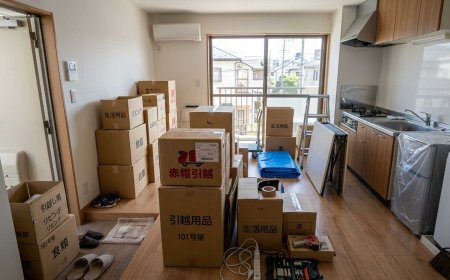
Before renting, check the full move-in cost, not just monthly rent. In Japan, the first payment may include deposit, key money, agency fee, guarantor company fee, cleaning fee, lock exchange fee, fire insurance, and first month’s rent. A cheap-looking apartment can become expensive before you even sleep there.
Cook More, But Shop Like a Local
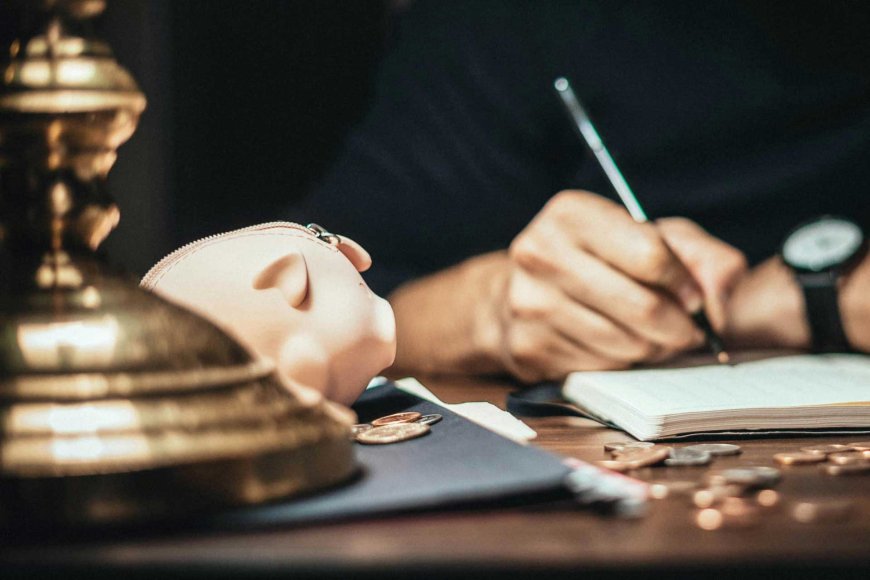
Food is one of the easiest areas to control, but only if you stop shopping like a tourist. Convenience stores are amazing in Japan. They are clean, reliable, and full of tempting meals. The problem is that buying breakfast, lunch, snacks, and drinks there every day can quietly become a second rent.
A single person cooking most meals may spend around ¥30,000–¥40,000 per month on groceries, while families naturally spend much more. If you eat out often, drink bottled coffee daily, and rely on convenience store meals, that number can climb quickly.
The secret is not to cook fancy meals. The secret is to build a small rotation of cheap, repeatable meals. Rice, eggs, tofu, chicken, cabbage, bean sprouts, curry blocks, frozen vegetables, pasta, canned fish, miso soup, and seasonal produce can become your financial defense team.
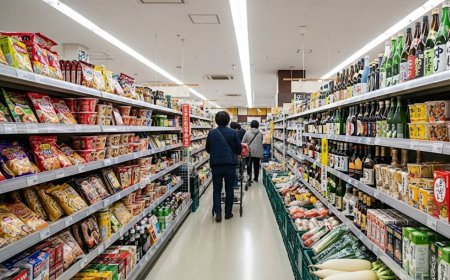
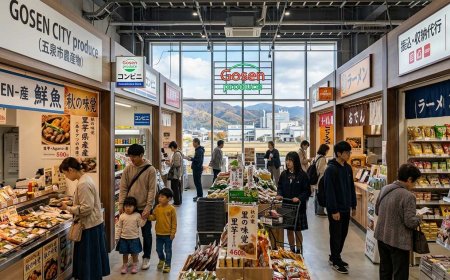
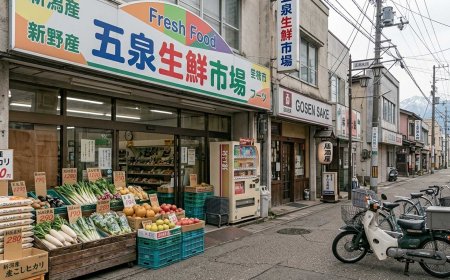
Gyomu Super, local discount supermarkets, drugstores, and evening markdowns are your friends. Many supermarkets discount bentos, sushi, fried foods, bread, and prepared dishes in the evening. The exact time depends on the store, but discounts often appear after the dinner rush. Think of it as a quiet treasure hunt. The same bento that looked expensive at 5 p.m. may become reasonable later at night.
| Food Habit | Expensive Version | Money-Saving Version |
|---|---|---|
| Breakfast | Café sandwich and latte | Rice, egg, natto, toast, instant coffee |
| Lunch | Convenience store set daily | Homemade bento or supermarket lunch |
| Dinner | Restaurant meal | Cooked rice plus supermarket side dishes |
| Drinks | Vending machine daily | Refillable bottle and supermarket drinks |
| Snacks | Convenience store impulse buys | Bulk snacks from supermarket or drugstore |
The goal is not to avoid eating out forever. That would make life boring. The better strategy is to make eating out intentional. Enjoy ramen with friends. Try local restaurants. Celebrate payday. Just do not let random food spending become your default lifestyle.
Use Point Cards Like a Quiet Savings Machine
Japan’s point card culture can feel confusing at first. The cashier asks, “Point card?” You panic. You say no. Then you walk away from free savings.
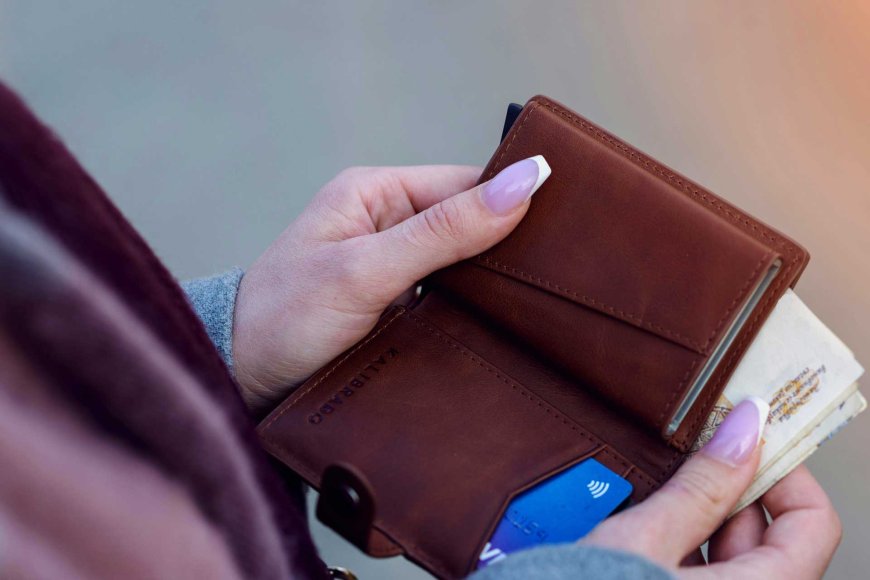
Point systems in Japan usually give around 0.5% to 1% back on purchases, with higher returns during campaigns or when combined with specific apps and cards. Popular systems include Rakuten Point, d POINT, and PayPay Points.
This may sound small, but Japan is a country where people buy many things through repeat systems: groceries, drugstore items, online shopping, phone payments, utility bills, restaurants, and convenience store purchases. If you use one or two point ecosystems consistently, the savings slowly build up like coins in a jar.
Do not collect every card in existence. That becomes messy. Choose a few that match your lifestyle. If you shop on Rakuten, use Rakuten Points. If your phone or payment habits connect with d POINT, use that. If you often pay through PayPay, follow PayPay campaigns. The best point system is the one you will actually use.
A smart approach is to combine three layers when possible: store points, cashless payment points, and campaign bonuses. Some guides call this “triple-dipping,” where one purchase earns rewards from more than one source. Just be careful. Points are useful only when they reduce spending. If campaigns make you buy things you do not need, the store wins, not you.
Cut Utility Bills Without Making Yourself Miserable
Utilities in Japan can surprise foreigners, especially during summer and winter. Air conditioning, heating, hot water, cooking gas, and long showers can push bills higher than expected. Japan’s government has used subsidies to reduce household electricity and gas bills, including winter support estimated at around ¥7,300 for an average household over three months from January to March 2026. Reuters also reported that Japan was considering summer electricity and gas subsidies for July through September 2026 amid higher energy costs.
Still, you should not depend on subsidies to manage your budget. The better approach is to control daily usage.
Use air conditioning wisely, not emotionally. In summer, setting the temperature slightly higher and using a fan can reduce electricity use while keeping the room comfortable. In winter, heat the room you are actually using instead of trying to warm the whole apartment. Thick curtains, rugs, warm clothing, and door draft stoppers can make a real difference.
Gas can also become expensive, especially if your apartment uses propane gas instead of city gas. Many foreigners do not realize this before moving in. If possible, check whether the apartment uses 都市ガス or プロパンガス. City gas is usually cheaper. Propane can feel like paying premium prices for the same hot shower.
Transportation: Let the Train System Work for You
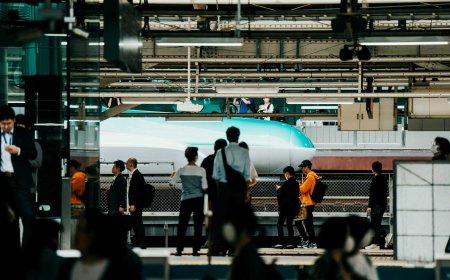
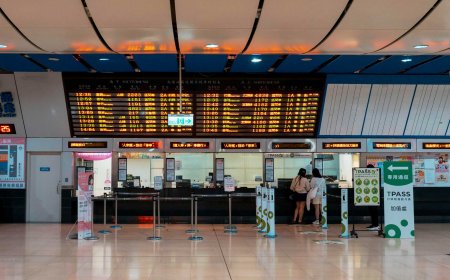
Japan’s transportation system is excellent, but daily movement can still become expensive if you are careless. If you commute to work or school, ask whether your company provides transportation allowance. Many Japanese employers cover commuting costs, which can significantly reduce monthly expenses. Some cost-of-living guides note that employer-supported commuting is common in Japan.
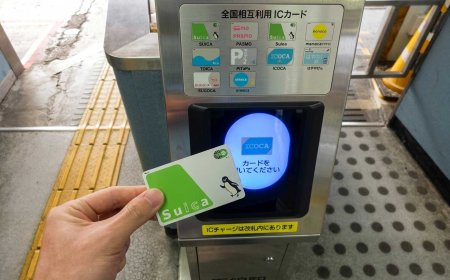
If you travel the same route regularly, buy a commuter pass. It may look expensive at first, but it usually becomes cheaper than paying one-way fares every day. For students, school commuter passes can be even more affordable.
For short distances, a bicycle can be one of the best investments in Japan. Many cities are bike-friendly enough for daily errands. You can save train fares, avoid taxi costs, and get exercise without paying for a gym. Just register your bicycle and follow local parking rules, because illegal bicycle parking can lead to removal fees.
For long-distance travel, compare Shinkansen, highway buses, local trains, and early booking deals. The Shinkansen is fast and wonderful, but highway buses can be dramatically cheaper. If time is flexible, the cheaper option may save thousands of yen per trip.
Stop Letting Convenience Stores Control Your Wallet
Convenience stores in Japan are not evil. They are beautiful traps.
They save you when you are tired, hungry, late, lost, or too lazy to cook. But because they are everywhere, they turn small spending into a habit. A coffee here, an onigiri there, a dessert after work, a bottled tea before the train, a fried chicken snack because it smells good near the register — suddenly, you have spent ¥1,500 without feeling like you bought anything serious.
The easiest way to fight this is not extreme discipline. It is preparation. Bring a water bottle. Keep snacks at home. Cook extra rice. Buy drinks from supermarkets instead of vending machines. Prepare simple breakfast so you do not start every morning with convenience store spending.
If you still love convenience stores, set a weekly limit. For example, allow yourself ¥2,000 per week for convenience store treats. That way, you enjoy the fun without letting it become financial background noise.
Review Your Phone, Internet, and Subscriptions
Many foreigners overpay for phone plans because they sign up quickly after arriving in Japan. At the beginning, this is understandable. You need a number, internet access, and a working life. But after a few months, review your plan.
Budget mobile providers and SIM-only plans can be much cheaper than major carrier contracts. If you mostly use Wi-Fi at home and work, you may not need a large data plan. Check your actual monthly data usage before renewing anything.
Subscriptions are another silent budget killer. Streaming services, cloud storage, apps, online tools, gyms, language apps, and premium memberships can slowly pile up. One subscription does not hurt. Ten subscriptions do. Cancel anything you have not used in 30 days.
A good rule is simple: if you forgot you were paying for it, you probably do not need it.
Buy Used Before Buying New
Japan is one of the best countries in the world for buying used items. Many secondhand products are clean, well-maintained, and carefully inspected. Stores like Hard Off, Book Off, 2nd Street, Treasure Factory, local recycle shops, and online marketplaces can save you serious money.
Furniture, appliances, winter clothing, kitchen tools, electronics, books, bicycles, and musical instruments are often available at much lower prices than buying new. This is especially useful for foreigners who are not sure how long they will stay in Japan.
The only caution is transportation. A cheap sofa is not cheap if delivery costs more than the sofa. Always calculate the full cost before buying large items.
Build a Monthly Budget That Matches Real Life
A budget should not feel like punishment. It should feel like a map. Without it, you may still move forward, but you will waste time and money taking wrong turns.
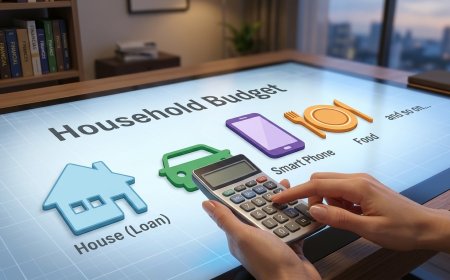
Here is a simple monthly budget example for a single foreign resident in Japan:
| Category | Budget Range |
| Rent | ¥50,000–¥90,000 |
| Food | ¥30,000–¥50,000 |
| Utilities | ¥10,000–¥25,000 |
| Phone and internet | ¥5,000–¥12,000 |
| Transportation | ¥5,000–¥20,000 |
| Daily spending | ¥15,000–¥40,000 |
| Savings | ¥20,000–¥80,000+ |
The exact amount depends on your salary and city, but the structure matters. Pay yourself first. After payday, immediately move savings into a separate account. If you wait until the end of the month to save “whatever is left,” Japan’s convenience will happily eat whatever is left.
Use the 24-Hour Rule for Non-Essential Purchases
Japan is full of beautiful things: stationery, fashion, gadgets, anime goods, kitchen tools, seasonal snacks, limited-edition drinks, and clever household items you never knew you needed. Shopping here can feel like walking through a museum where everything whispers, “Buy me.”
Use the 24-hour rule. When you want something non-essential, wait one day. If you still want it tomorrow and it fits your budget, buy it. Many impulse desires disappear overnight. This one habit can save thousands of yen every month.
For bigger purchases, use the 7-day rule. If you still want it after a week, compare prices online and offline. Japan rewards patient buyers.
Choose Friends and Activities That Match Your Budget
This part is uncomfortable but honest: your social circle affects your spending.
If every weekend means expensive restaurants, drinking parties, taxis, shopping, and paid events, your budget will suffer. You do not need to avoid friends, but you need balance. Suggest cheaper activities sometimes: park picnics, home cooking nights, local festivals, free events, hiking, cycling, language exchange meetups, or coffee instead of dinner.
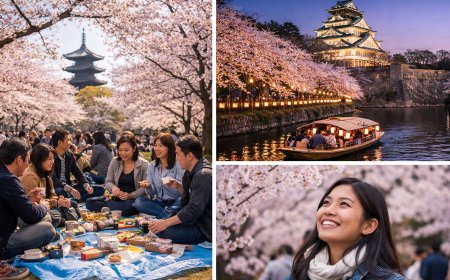
Japan has many low-cost pleasures. Walking through old neighborhoods, visiting temples, exploring riversides, enjoying seasonal flowers, attending local matsuri, and discovering small cafés can make life rich without making your wallet cry.
The Smartest Saving Strategy: Earn More While Spending Better
Saving money matters, but there is a limit to cutting expenses. At some point, the better question becomes: how can you increase income?
Foreigners in Japan can build extra income through translation, tutoring, web design, programming, content creation, online consulting, photography, video editing, writing, or small digital products. Even an extra ¥20,000–¥50,000 per month can change your financial life. That could cover groceries, utilities, savings, or family support.
The goal is not to become obsessed with money. The goal is freedom. More income plus better spending habits gives you choices.
A Better Life in Japan Starts With Intentional Spending
Saving money in Japan is not about living like a monk or saying no to everything fun. It is about knowing where your money goes and deciding what kind of life you want. Japan will always offer convenience, beauty, comfort, and temptation. Your job is to enjoy the country without letting small habits quietly control your future.
Start with rent. Cook more. Use point systems. Watch utilities. Avoid convenience store traps. Buy used. Review subscriptions. Save immediately after payday. Then use the money you protect to build something better: emergency savings, travel memories, business ideas, family support, or long-term stability.
Japan can still be a wonderful place to live, even in 2026. But comfort belongs to the prepared. The people who save well are not always the people with the highest salaries. They are the ones who understand the system, respect their budget, and make every yen work a little harder.
For more practical Japan living guides, explore related resources like the Living in Japan, Japan Starter Toolkit, and Everyday Japanese for Beginners.
Prepare Smarter, Live Better in Japan (FREE Download)
Download the First 7 Days in Japan Checklist (FREE)
Don’t guess what to do — follow a proven plan.
Download your FREE “First 7 Days in Japan Checklist” PDF now:
✔ Instant download
✔ Mobile-friendly
✔ Printable
Want the COMPLETE Version? (Premium Upgrade)
If you want a deeper, more powerful guide, there’s also a premium version available on Gumroad.
Nipino.com is committed to providing you with accurate and genuine content. Let us know your opinion by clicking HERE.