






























Is Japan Still Affordable in 2026? Real Cost of Living Explained
Japan has long had a reputation for being expensive, but the reality in 2026 is more complicated. With food, utilities, rent, and everyday expenses changing, here's what foreign residents should realistically expect—and whether ¥200,000 or ¥250,000 a month is enough.
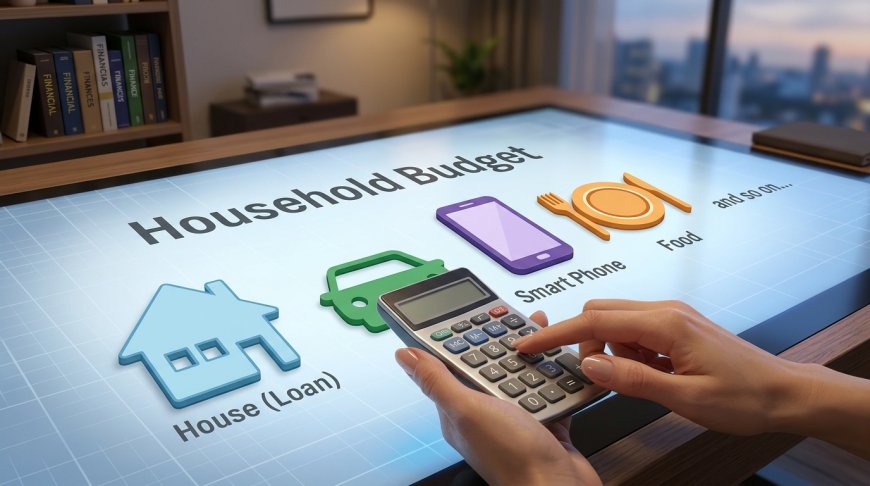
Everyday Expenses are Changing
Japan used to surprise many newcomers in a good way.
Yes, Tokyo apartments could be expensive. Yes, trains weren't exactly cheap. But convenience-store meals were affordable, restaurants offered excellent value, and everyday necessities often cost less than foreigners expected.
In 2026, that picture is changing.
If you've been living in Japan for several years, you've probably noticed it yourself.
The ¥100 item isn't always ¥100 anymore.
Your supermarket bill seems a little heavier.
Rice, drinks, snacks, electricity, restaurant meals, and other everyday purchases gradually take a larger bite out of your salary.
Japan's latest Consumer Price Index data confirms that households continue to face higher prices across important areas of daily life.
So this raises an important question for foreigners:
Is Japan still affordable in 2026?
The answer is yes—but where you live, how much you earn, and how you spend your money matter more than ever.
Guide to Budgeting in Japan: Cost of Living, Savings, and Expenses
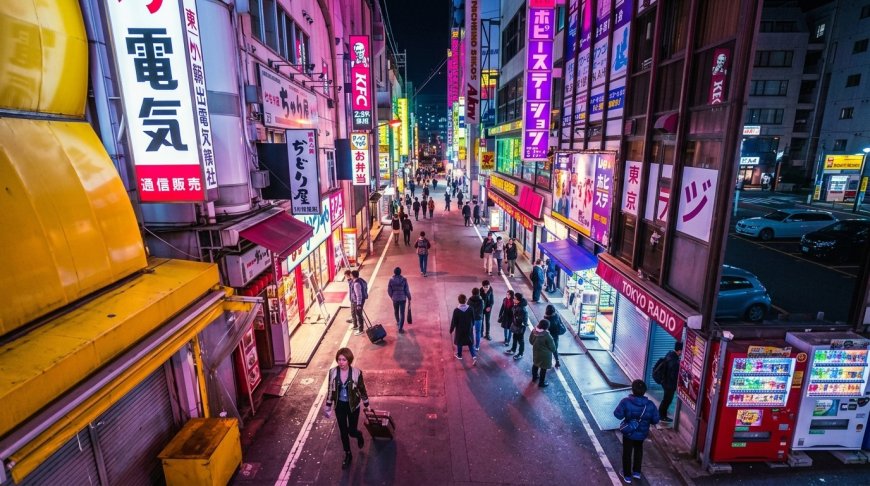
Prices in Japan Are Still Rising
According to Japan's Statistics Bureau, the national Consumer Price Index for July 2026 showed that overall consumer prices were higher than a year earlier.
That doesn't necessarily mean everything suddenly became dramatically more expensive.
Inflation works more quietly than that.
Imagine spending ¥50 more here, ¥100 more there, another ¥500 on groceries, and a few thousand yen more across utilities and household expenses.
Individually, those increases may not seem serious.
Add them together every month, however, and they start affecting how much money remains after payday.
This is particularly noticeable for lower- and middle-income foreign workers who may already be balancing rent, taxes, insurance, pension payments, transportation, remittances, and other expenses.
The Real Question Isn't "Is Japan Expensive?"
People often ask:
Is Japan expensive?
But that's actually the wrong question.
Japan can be surprisingly affordable in some areas and expensive in others.
A better question is:
Can I afford the lifestyle I want in the Japanese city where I plan to live?
Someone earning ¥250,000 in central Tokyo may have a very different financial experience from someone earning exactly the same salary in Niigata, Gunma, Yamagata, or another regional area.
Housing alone can completely change the calculation.
That's why looking only at national averages doesn't tell the whole story.
Housing Is Still the Biggest Variable
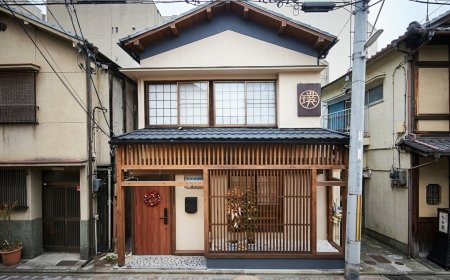
For many foreign residents, rent is the expense that determines whether Japan feels affordable.
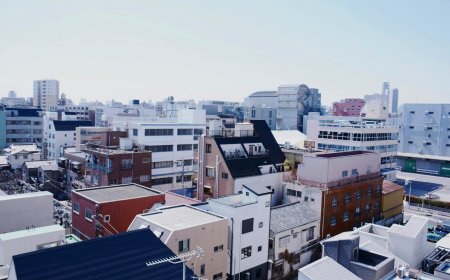
A small apartment outside the major metropolitan areas can sometimes cost dramatically less than a comparable apartment in Tokyo.
For example, a foreign worker living in a regional city might find an apartment somewhere around:
¥40,000–¥65,000 per month
depending on the area, age of the building, size, distance from the station, and other factors.
In popular areas of Tokyo, however, even a relatively small apartment can easily consume a much larger percentage of your salary.
And rent isn't the only housing expense.
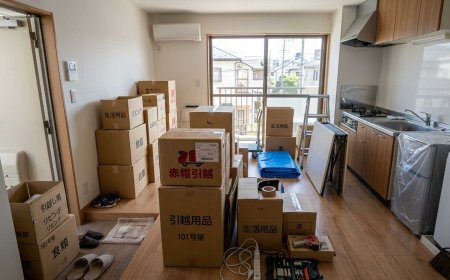
Depending on the property, you may also encounter:
- Management fees
- Parking fees
- Renewal fees
- Guarantor company fees
- Fire insurance
- Internet charges
- Initial deposits
- Key money
This is why comparing salaries without comparing housing costs can be misleading.
A ¥280,000 salary in Tokyo isn't automatically better than ¥250,000 somewhere else.
Your disposable income after essential expenses is what really matters.
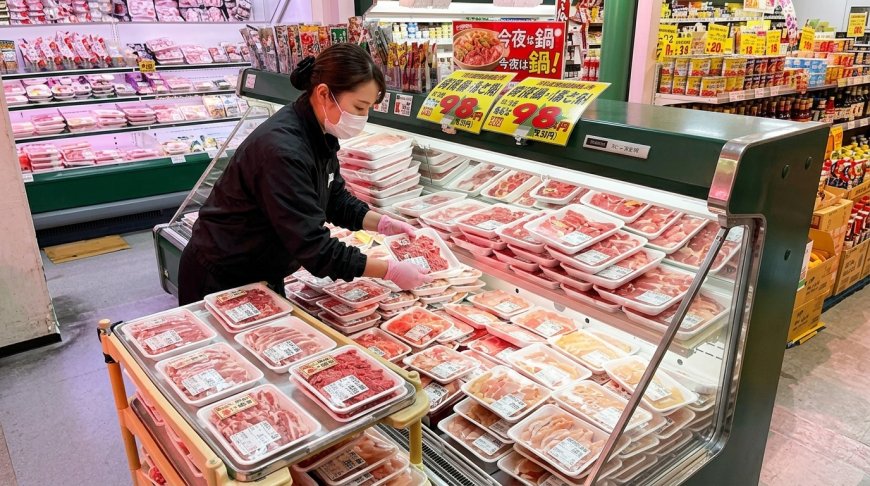
Groceries Are Where Many Residents Feel Inflation
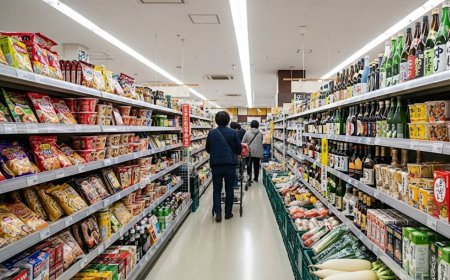
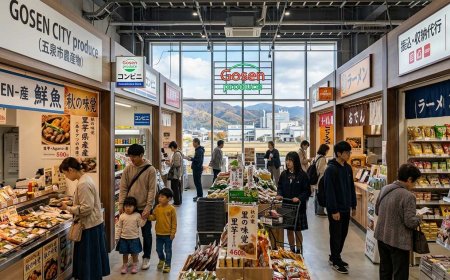
The supermarket is probably where price increases become most visible.
Rice is one obvious example, but it's far from the only one.
Vegetables, processed foods, cooking oil, bread, dairy products, beverages, snacks, frozen food, and imported products can all affect your monthly food budget.
A single person who cooks regularly might aim for approximately:
¥30,000–¥45,000 per month
for groceries.
Someone who frequently buys imported food, premium ingredients, convenience-store meals, or prepared supermarket dishes can easily spend more.
Families naturally need a much larger budget.
For foreigners, there is another factor:
Imported food.
If you regularly buy products from the Philippines, India, Sri Lanka, Vietnam, Indonesia, Nepal, the United States, or other countries, your grocery spending can climb quickly.
Imported products are usually convenience purchases rather than budget purchases.
Cooking Japanese ingredients at home remains one of the easiest ways to control food costs.
Eating Out Can Still Be Surprisingly Affordable
Here's one area where Japan continues to offer excellent value.
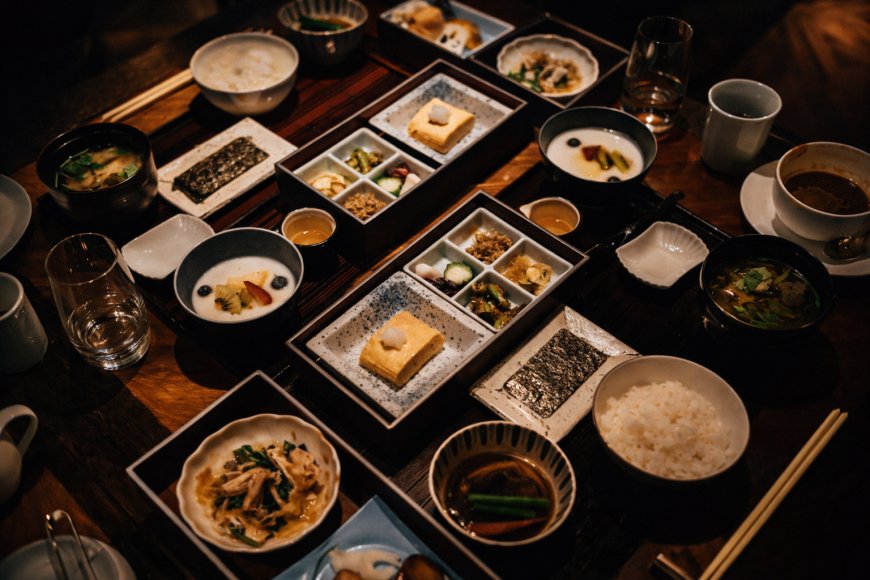
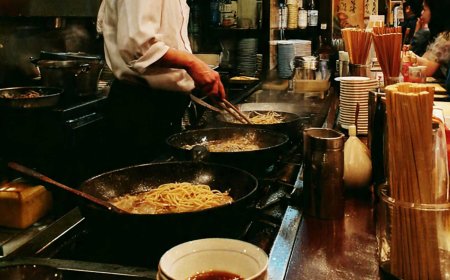
You can still find relatively affordable meals at:
- Gyudon restaurants
- Ramen shops
- Udon restaurants
- Family restaurants
- Curry chains
- Supermarket deli sections
- Local teishoku restaurants
A basic meal can often remain within roughly the ¥500–¥1,000 range depending on where and what you eat.
Compare that with many other developed countries, and Japan can still feel remarkably affordable.
The danger isn't necessarily the price of one restaurant meal.
It's frequency.
A ¥900 lunch doesn't sound expensive.
But:
¥900 × 20 workdays = ¥18,000
Add coffee, drinks, snacks, convenience-store purchases, and weekend meals, and food spending can quietly become one of your biggest monthly expenses.
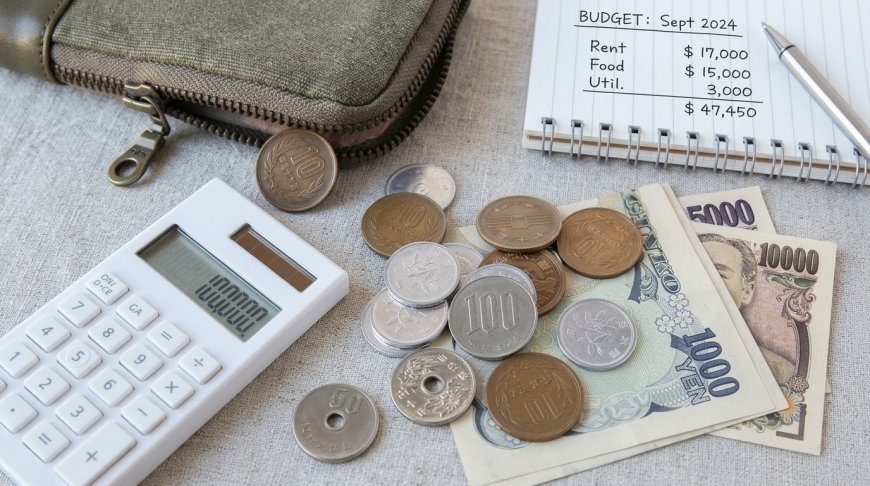
Convenience Stores Are Convenient—Not Necessarily Cheap
Japan's convenience stores are amazing.
You can pay bills, withdraw money, buy concert tickets, print documents, send packages, grab dinner, and buy coffee at almost any hour.
But convenience has a price.
Spending ¥600 here and ¥800 there doesn't feel significant.
Do that several times per week and it becomes thousands—or tens of thousands—of yen every month.
If you're trying to save money in Japan, one of the simplest habits is:
Use supermarkets for planned shopping and convenience stores for convenience.
That distinction sounds obvious, but it can make a noticeable difference over an entire year.
Utilities Can Change Dramatically by Season
Your electricity and gas bills won't necessarily look the same every month.
Japanese summers are hot and humid.
Winters can be cold—and in areas such as Niigata, Hokkaido, Tohoku, and other snowy regions, heating becomes a serious household expense.
For a single resident, combined electricity, gas, and water might commonly fall somewhere around:
¥8,000–¥15,000+ per month
but this can vary significantly.
Summer air conditioning and winter heating can push bills higher.
The type of apartment also matters.
An older apartment with poor insulation can cost more to heat than a newer, energy-efficient property.
This is something foreigners sometimes overlook when choosing accommodation.
Cheap rent doesn't always mean cheap living.
Transportation Depends Heavily on Where You Live
Japan has one of the world's best public transportation systems—but your transportation costs depend heavily on location.
In Tokyo, Osaka, Yokohama, Nagoya, and other major cities, living without a car is completely realistic.
You can use trains, buses, bicycles, and walking for most daily activities.
Regional Japan can be different.
In many areas, owning a car makes life significantly easier.
That introduces additional costs:
- Car payments
- Gasoline
- Parking
- Automobile insurance
- Vehicle tax
- Shaken
- Maintenance
- Tires
- Winter tires in snowy regions
This creates an interesting financial trade-off.
Rent may be much cheaper outside Tokyo, but transportation can become more expensive.
That doesn't necessarily make regional Japan more costly overall, but it needs to be included in your budget.
Don't Forget Taxes, Pension and Health Insurance
One of the biggest mistakes newcomers make is budgeting only around take-home expenses.
Living in Japan means dealing with several mandatory or potentially significant deductions and payments.
These can include:
所得税 (しょとくぜい) — Income Tax
住民税 (じゅうみんぜい) — Resident Tax
健康保険 (けんこうほけん) — Health Insurance
厚生年金 (こうせいねんきん) — Employees' Pension
depending on your employment and circumstances.
Resident tax is particularly important for newcomers to understand because it is generally based on the previous year's income.
That means your financial situation during your first year in Japan may feel different from your second.
A salary advertised as ¥250,000 per month does not mean ¥250,000 will arrive in your bank account.
Always distinguish between:
Gross salary (額面・がくめん) and Take-home pay (手取り・てどり).
Your lifestyle should be planned around the second number.
What Does a ¥200,000 Salary Look Like?
Let's consider a simplified example.
Suppose a foreign worker earns approximately ¥200,000 gross per month.
After applicable deductions, take-home pay could be considerably lower.
If the person lives in affordable regional housing, cooks at home, doesn't own an expensive car, and controls discretionary spending, living on this salary can be possible.
But there may not be much room for:
- Frequent travel
- Large remittances
- Expensive hobbies
- Regular shopping
- Significant investing
- Large emergency savings
At this income level, unexpected expenses can hurt.
A medical bill, car repair, flight home, apartment renewal, or major purchase can quickly consume savings.
Verdict: Possible, but budgeting matters a lot.
What About ¥250,000 Per Month?
¥250,000 is a useful middle example because many foreign workers and younger professionals fall somewhere around this income range.
Let's imagine a single person living outside central Tokyo.
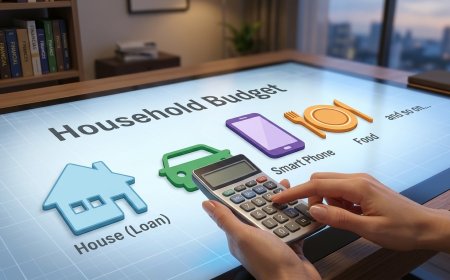
A hypothetical monthly budget could look something like this:
| Expense | Estimated Monthly Cost |
| Rent | ¥55,000 |
| Utilities | ¥12,000 |
| Groceries | ¥35,000 |
| Phone/Internet | ¥7,000 |
| Transportation | ¥12,000 |
| Eating Out/Entertainment | ¥15,000 |
| Household/Personal | ¥10,000 |
| Savings/Emergency Fund | ¥20,000 |
| Other Expenses | ¥10,000 |
| Total | ¥176,000 |
There is one important warning:
¥250,000 gross salary is not ¥250,000 spendable income.
Taxes, pension, health insurance, employment insurance, and other deductions can significantly reduce what reaches your bank account.
So the table above should be treated as a budgeting illustration rather than a promise of what every ¥250,000 earner can afford.
Still, ¥250,000 can support a reasonable single-person lifestyle in many parts of Japan—particularly outside the most expensive areas.
Verdict: Manageable in many regional cities, but savings require discipline.
¥200K vs ¥250K
Here's a simple way to think about it:
| Gross Monthly Salary | General Situation |
| ¥200,000 | Possible, but careful budgeting is important |
| ¥250,000 | Manageable for many single residents |
These are not universal rules.
A married person with children will have completely different expenses from a single resident.
Someone receiving company housing may be better off than someone earning more but paying Tokyo rent.
Someone who needs a car will have different expenses from someone whose employer pays their train commute.
Your circumstances matter more than the number printed on the job advertisement.
Tokyo vs Regional Japan: The Difference Can Be Huge
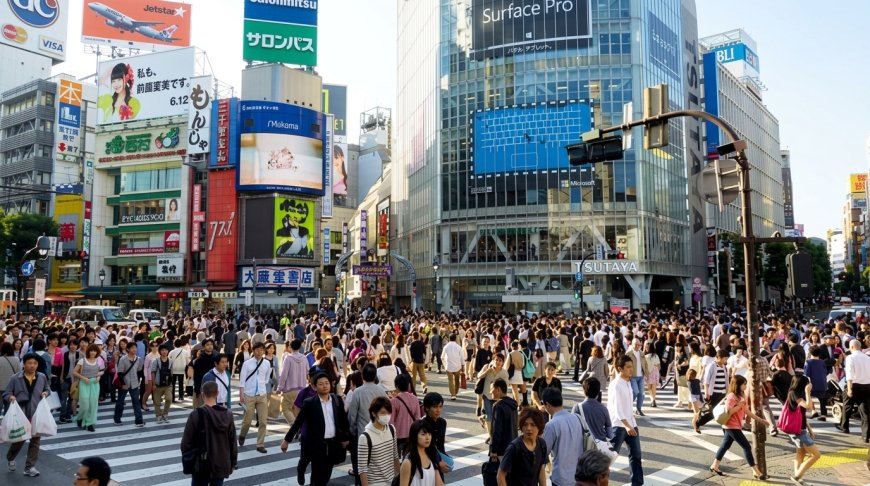
Foreigners often focus almost entirely on Tokyo when thinking about life in Japan.
That's understandable.
Tokyo has more international companies, more English-friendly services, larger foreign communities, more entertainment, and enormous career opportunities.
But Japan is much bigger than Tokyo.
Cities such as Niigata, Sendai, Hiroshima, Okayama, Fukuoka, Kumamoto, and many smaller regional centers can offer a very different cost-of-living equation.
The salary may sometimes be lower.
But so can the rent.
And housing is usually much larger for the money.
This leads to a useful career question:
Would you rather earn ¥300,000 and spend ¥110,000 on housing—or earn ¥260,000 and spend ¥50,000?
There isn't one correct answer.
Career opportunities, transportation, family needs, lifestyle, and long-term goals all matter.
But salary alone doesn't determine quality of life.
Sending Money Home Changes the Calculation
For many foreign workers, especially Filipinos and other migrant workers supporting families overseas, there is another major monthly expense:
Remittances.
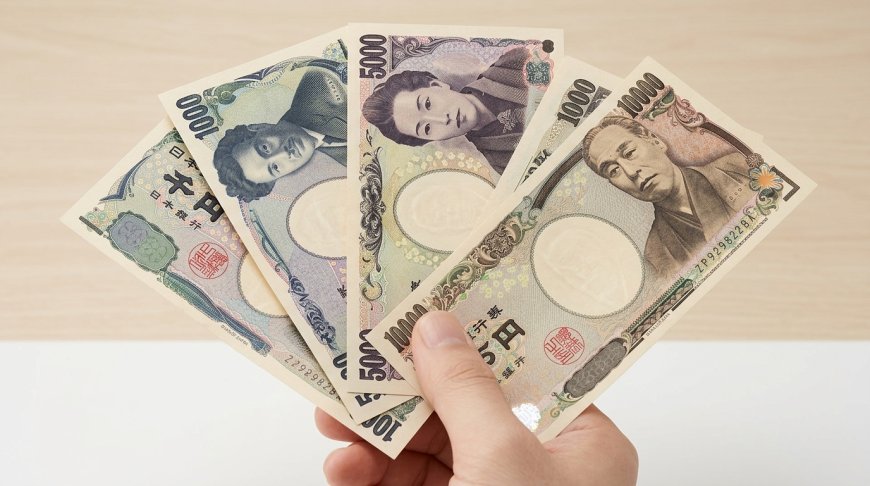
Imagine taking home ¥210,000 and sending ¥50,000 home every month.
Your effective living budget is now:
¥160,000.
That changes everything.
Rent, food, utilities, transportation, and personal expenses must all come from what's left.
Foreign workers supporting family members should therefore treat remittances as part of their core monthly budget—not simply whatever money remains at the end of the month.
Exchange rates matter too.
The same ¥50,000 remittance may have different purchasing power in your home country depending on currency movements.
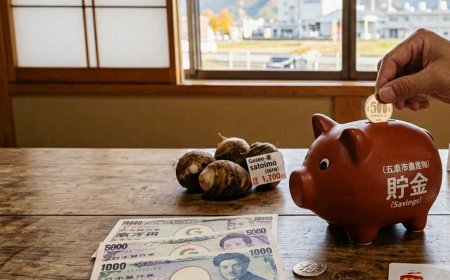
Can You Still Save Money in Japan in 2026?
Yes
But saving usually doesn't happen accidentally.
One of the simplest systems is to treat savings like a mandatory bill.
When salary arrives:
Salary → Savings → Expenses
rather than:
Salary → Expenses → Save whatever is left
Even ¥10,000 per month becomes:
¥120,000 per year.
¥20,000 per month becomes:
¥240,000 per year.
¥30,000 becomes:
¥360,000 per year.
Over several years, the difference becomes significant.
Start with an emergency fund.
Japan is relatively stable, but life isn't always predictable.
You might suddenly need money for a flight home, medical expenses, moving costs, unemployment, visa-related expenses, car repairs, taxes, or family emergencies.
Having cash available can prevent one unexpected event from turning into debt.
Small Expenses Matter More Than You Think
Suppose you spend:
¥200 on coffee.
¥180 on a drink.
¥500 on snacks.
¥1,000 on lunch.
None of those amounts feels dangerous.
But personal finance is rarely destroyed by one ¥200 coffee.
It's the repetition.
A ¥500 unnecessary purchase made 20 times per month is:
¥10,000.
Over a year:
¥120,000.
That doesn't mean you should stop enjoying your life.
Japan would be a miserable place to live if you spent every day worrying about ¥100.
The goal is awareness.
Spend intentionally on things you enjoy and reduce spending on things you don't actually value.
So, Is Japan Still Affordable?
For many foreign residents:
Yes.
Japan in 2026 is more expensive than it was several years ago, but that doesn't automatically make it unaffordable.
Public transportation remains excellent.
Affordable restaurants still exist.
Healthcare costs can be more predictable than in some countries.
Regional housing can offer excellent value.
Supermarkets provide plenty of inexpensive options if you shop carefully.
And you don't necessarily need a luxury salary to live a decent life.
But the margin for financial mistakes is getting smaller.
Someone earning ¥250,000 who doesn't track spending may struggle.
Someone earning the same amount with affordable housing, controlled food costs, and a savings plan may be perfectly comfortable.
Japan's Rising Prices are Real
Food costs more.
Utilities can take a larger bite out of your budget.
Housing remains expensive in desirable urban areas.
And taxes, insurance, pension contributions, transportation, and everyday purchases can quickly add up.
But whether Japan is "expensive" depends heavily on where you live and how you live.
Don't judge a Japanese job solely by the salary.
Look at:
Salary + take-home pay + housing + transportation + benefits + location + lifestyle.
A ¥250,000 salary with inexpensive housing and transportation support may sometimes provide a better quality of life than a much higher salary with expensive Tokyo rent.
And if you're planning to move to Japan, build your budget before you arrive—not after your first salary disappears.
Japan can still be an affordable and comfortable place to live in 2026.
You just have to understand where your yen is going.
For more practical Japan living guides, explore related resources like the Living in Japan, Japan Starter Toolkit, and Everyday Japanese for Beginners.
Prepare Smarter, Live Better in Japan (FREE Download)
Download the First 7 Days in Japan Checklist (FREE)
Don’t guess what to do — follow a proven plan.
Download your FREE “First 7 Days in Japan Checklist” PDF now:
✔ Instant download
✔ Mobile-friendly
✔ Printable
Want the COMPLETE Version? (Premium Upgrade)
If you want a deeper, more powerful guide, there’s also a premium version available on Gumroad.
Nipino.com is committed to providing you with accurate and genuine content. Let us know your opinion by clicking HERE.