









































How Much Does Healthcare Cost in Japan?
Japan’s healthcare system is often more affordable than many foreigners expect, especially for residents enrolled in public health insurance. This guide explains real healthcare costs in Japan, from clinic visits and medicine to hospital stays, dental treatment, insurance premiums, and emergency care.
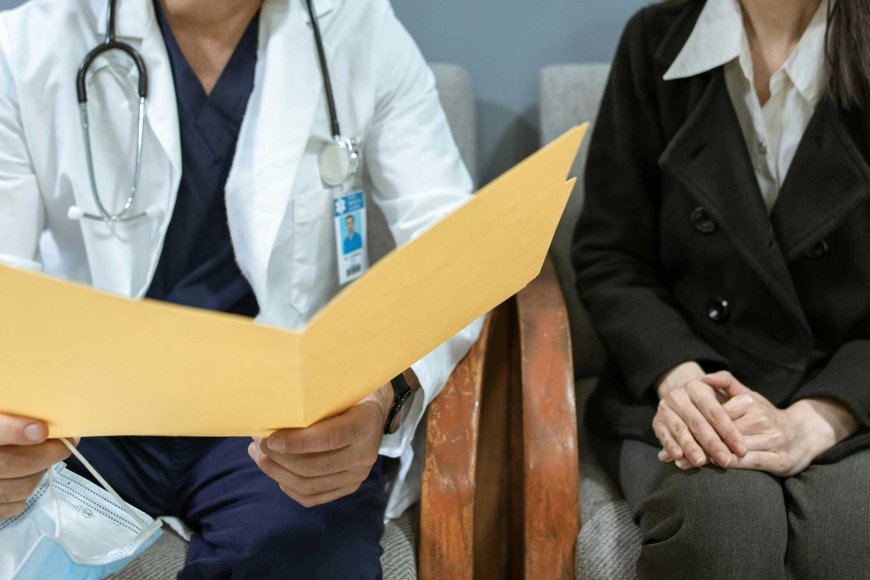
Healthcare Cost
One of the biggest fears many foreigners have before moving to Japan is healthcare cost. People imagine huge hospital bills, complicated insurance systems, and impossible paperwork waiting at clinic counters. Then something surprising happens after arriving in Japan: many discover that healthcare is often far more affordable than expected—if they are properly enrolled in public insurance.
That last part matters.
Japan’s healthcare system works well because it is built around public insurance participation. Residents contribute through insurance premiums, and in return they usually pay only part of covered medical costs when visiting clinics, hospitals, pharmacies, or dentists. The Study in Japan official website explains that National Health Insurance generally covers 70% of total medical costs, while patients usually pay the remaining 30%. (studyinjapan.go.jp)
For foreigners, understanding healthcare costs in Japan is not just about money. It is about reducing fear. When you know approximately what a clinic visit costs, how insurance works, and what situations become expensive, daily life feels much less stressful.
Healthcare in Japan for Foreigners: Insurance, Costs, and How It Works
How Healthcare Costs Work in Japan
Japan uses a universal healthcare system, meaning residents are expected to enroll in public health insurance unless exempt. Instead of paying the full medical bill, insured patients pay only part of the cost at the clinic or hospital.
For most working-age adults, the standard patient share is usually 30% of covered medical treatment. The Commonwealth Fund’s Japan healthcare profile explains that copayment rates generally range from 10% to 30%, depending on age and income. (commonwealthfund.org)
There are two main public insurance categories:
- National Health Insurance (NHI) for students, freelancers, self-employed residents, unemployed residents, and others not covered by employer insurance
- Employee Health Insurance for workers enrolled through their company
Both systems reduce medical costs significantly compared with being uninsured.
This is why two people receiving the same treatment in Japan may pay completely different amounts depending on insurance status.
| Situation | What Usually Happens |
| Insured resident | Pays partial medical cost |
| Uninsured resident/tourist | May pay full medical cost |
| Employee insurance holder | Premium deducted from salary |
| National Health Insurance holder | Premium billed by city office |
Without insurance, healthcare becomes much more expensive very quickly.

Monthly Health Insurance Costs in Japan
Health insurance is not free. Residents pay premiums monthly, but the amount depends on several factors including income, municipality, age, household size, and insurance category.
For National Health Insurance, premiums are calculated by local governments. New arrivals sometimes pay lower premiums initially if they had little or no taxable Japanese income the previous year. Later, premiums can increase after income rises.
Some municipalities explain that premiums are calculated based on factors such as:
- Previous year’s income
- Number of insured household members
- Age
- Municipality-specific formulas
Employee insurance works differently because premiums are usually deducted automatically from salary, and employers also contribute part of the cost.
| Insurance Type | How Payment Works |
|---|---|
| National Health Insurance | Paid directly to city/ward office |
| Employee Insurance | Deducted from salary |
| Student NHI | Lower if income is low |
| Self-employed NHI | Based heavily on declared income |
For foreigners, one important thing to remember is this: insurance premiums and actual clinic costs are separate. Paying insurance does not mean medical treatment becomes completely free. It means you pay a reduced amount during treatment.
How to Apply for National Health Insurance in Japan: Step-by-Step

Typical Medical Costs in Japan
So what does healthcare actually cost in everyday life?
The answer depends on:
- Whether you have insurance
- Which clinic or hospital you visit
- Whether tests or prescriptions are needed
- Whether treatment is covered
A basic clinic visit with insurance may feel surprisingly reasonable compared with healthcare systems in some countries.
| Medical Service | Approximate Patient Cost With Insurance |
| Basic clinic consultation | ¥1,000–¥3,000 |
| Specialist consultation | ¥2,000–¥5,000 |
| Prescription medicine | ¥500–¥3,000 |
| Blood test | ¥1,000–¥5,000 |
| X-ray | ¥2,000–¥6,000 |
| Dental cleaning | ¥2,000–¥5,000 |
| Emergency room visit | ¥5,000–¥20,000+ |
| Hospitalization | Depends heavily on treatment |
These numbers vary, but they give foreigners a realistic idea of the system.
One reason Japan feels affordable is that many clinics are neighborhood-based. Instead of rushing directly to large hospitals, people often visit small local clinics first. This keeps costs lower and reduces pressure on major hospitals.
Why Big Hospitals Can Cost More
Large hospitals in Japan may charge extra fees if patients visit without referral letters. Japan’s Ministry of Health has promoted referral systems to encourage people to use local clinics first before going to major hospitals for non-emergency situations.
This surprises many foreigners because they assume “bigger hospital = better first choice.” In Japan, the system often works differently.
What to Do When You Get Sick in Japan: Hospitals, Clinics, Emergency
Dental Costs in Japan
Dental care in Japan sits somewhere between affordable and confusing.
Many basic dental procedures are covered by public insurance:
- Fillings
- Cavities
- Basic cleanings
- Tooth extractions
- Necessary treatments
But cosmetic procedures may not be covered:
- Teeth whitening
- Cosmetic ceramic work
- Some orthodontics
- Certain implants
| Dental Treatment | Usually Covered? |
| Cavity filling | Yes |
| Tooth extraction | Yes |
| Basic cleaning | Usually |
| Orthodontics | Often no |
| Whitening | Usually no |
| Cosmetic ceramics | Often no |
This is why some dental bills feel very affordable while others suddenly become expensive.
If a treatment is not covered, clinics usually explain this before proceeding. Ask clearly:
“Is this covered by insurance?”
Do not assume.
Emergency and Hospital Costs in Japan
One interesting thing about Japan is that ambulance rides are generally free for users. Japan’s Fire and Disaster Management Agency continues operating public ambulance services without direct transport fees for emergency patients. (fdma.go.jp)
That sounds amazing to many foreigners, especially people from countries where ambulance rides can become financially devastating.
But “free ambulance” does not mean “free hospital treatment.” Once you arrive at the hospital, medical costs still apply.
Emergency room visits can become expensive depending on:
- Time of day
- Tests performed
- Hospital level
- Severity of condition
- Hospitalization
Nighttime, weekends, and holidays may involve additional fees.
Hospitalization costs vary dramatically. Surgery, long stays, specialist treatment, private rooms, and intensive care can become expensive even with insurance.
How Much Does Healthcare Cost in Japan?

The High-Cost Medical Expense Benefit
Japan’s system includes financial protection for residents facing extremely high medical expenses. If covered medical costs exceed certain limits, patients may qualify for reimbursement or reduced payment ceilings.
Nerima City’s National Health Insurance guide explains that people who incur high medical costs because of hospitalization or other reasons may receive reimbursement under the High-Cost Medical Expense Benefit system. (city.nerima.tokyo.jp)
This system helps prevent medical bankruptcy from major illnesses or surgeries.
Healthcare Costs Without Insurance
Healthcare in Japan becomes far more expensive without insurance.
Tourists and uninsured residents may need to pay the full treatment amount directly. Even relatively simple treatment can suddenly become expensive without public coverage.
| Situation | Financial Impact |
|---|---|
| Insured clinic visit | Reduced patient payment |
| Uninsured clinic visit | Full cost |
| Insured hospitalization | Cost partially covered |
| Uninsured hospitalization | Very expensive quickly |
This is why foreigners living in Japan should never delay insurance enrollment unnecessarily.
Even healthy people get sick eventually. A sudden infection, sports injury, dental emergency, or hospitalization can happen unexpectedly.
Healthcare is one of those things you appreciate most after something goes wrong.
How Foreigners Can Save Money on Healthcare
Saving money in Japan’s healthcare system is often about using the system correctly.
Enroll Properly and Early
The biggest financial mistake is delaying insurance enrollment. Some residents mistakenly think they can wait until they become sick. That creates risk and possible back-pay complications.
Use Local Clinics First
Small neighborhood clinics are usually cheaper and faster for ordinary illnesses.
Understand Referral Systems
Large hospitals may charge additional fees without referral letters.
Keep Your Insurance Information Updated
If you move, change jobs, or switch insurance categories, update your records.
Ask Questions Before Expensive Procedures
Especially for dental work and specialized treatment.
Complete Guide to Budgeting in Japan (Cost of Living, Savings, and Expenses)
Common Healthcare Cost Mistakes Foreigners Make
One common mistake is ignoring letters from city hall because they are in Japanese. Many insurance bills, notices, and payment reminders arrive by mail.
Another mistake is misunderstanding the difference between:
- Insurance premiums
- Copayments
- Non-covered treatment
- Emergency fees
- Private room charges
Some foreigners also panic and go directly to large hospitals for mild symptoms, increasing costs unnecessarily.
The smartest approach is preparation. Know where your local clinic is before you become sick. Understand your insurance category. Save emergency funds. Keep your documents organized.
Healthcare Is Cheaper When You Prepare Early
Healthcare in Japan can feel surprisingly manageable once you understand how the system works. Public insurance dramatically reduces medical expenses for residents, and many everyday clinic visits cost far less than foreigners initially fear.
The key difference between affordable healthcare and expensive healthcare in Japan usually comes down to preparation. Enroll in insurance early. Pay premiums properly. Learn how clinics and hospitals operate. Understand what treatment is covered and what is not. Keep your insurance information updated when your job or address changes.
Japan’s healthcare system is not perfect, but for many foreign residents it becomes one of the quiet sources of stability in daily life. When you know that a sudden illness will not automatically destroy your finances, life in Japan feels lighter, calmer, and more secure.
Prepare Smarter, Live Better in Japan (FREE Download)
Download the First 7 Days in Japan Checklist (FREE)
Don’t guess what to do — follow a proven plan.
Download your FREE “First 7 Days in Japan Checklist” PDF now:
✔ Instant download
✔ Mobile-friendly
✔ Printable
Want the COMPLETE Version? (Premium Upgrade)
If you want a deeper, more powerful guide, there’s also a premium version available on Gumroad.
Nipino.com is committed to providing you with accurate and genuine content. Let us know your opinion by clicking HERE.