































Silver Week Japan 2026: Dates, Travel Crowds and Resident Tips
Silver Week 2026 gives Japan a rare five-day holiday from September 19–23. Before booking your trip, check the Shinkansen rules, official highway congestion forecasts and these practical money-saving tips for residents in Japan.
What Is Silver Week in Japan?
Most people who live in Japan know Golden Week, the collection of national holidays around late April and early May.
Silver Week is its less predictable autumn cousin.
Unlike Golden Week, Silver Week does not create a long holiday every year. It depends on how Respect for the Aged Day (敬老の日 / けいろうのひ) and the Autumnal Equinox Day (秋分の日 / しゅうぶんのひ) fall on the calendar.
And 2026 is special.
The official Cabinet Office calendar confirms that Respect for the Aged Day falls on Monday, September 21, while the Autumnal Equinox Day falls on Wednesday, September 23. Because September 22 is sandwiched between two national holidays, it becomes a holiday under Article 3, Paragraph 3 of Japan's Act on National Holidays.
Combined with the weekend, that creates:
| Date | Day | Status |
| September 19 | Saturday | Weekend |
| September 20 | Sunday | Weekend |
| September 21 | Monday | Respect for the Aged Day |
| September 22 | Tuesday | Holiday under the National Holidays Act |
| September 23 | Wednesday | Autumnal Equinox Day |
That means many people will have five consecutive days off from September 19 to September 23.
It is an unusually attractive calendar for domestic travel—and that is exactly why residents should plan carefully.
Why Silver Week 2026 Could Be Extremely Busy
Five days is enough time for people living in Tokyo to head to Hokkaido, Kyushu or Okinawa. It is enough for families to visit grandparents in another prefecture. It is also long enough for international and domestic tourists to build multi-city itineraries.
Japan's expressway operators are taking the period seriously.
NEXCO and the Japan Road Traffic Information Center have forecast 279 traffic jams of 10 km or longer nationwide during September 19–23. The operators are encouraging travelers to change their travel dates or times where possible.
In the Kanto region, the situation could feel similar to Golden Week. NEXCO forecasts the busiest outbound traffic on Sunday, September 20, while inbound traffic is expected to be particularly heavy on Monday, September 21 and Tuesday, September 22.
One particularly serious forecast involves the Kan-Etsu Expressway (関越自動車道) on September 22, where an inbound traffic jam near Sakado-Nishi Smart IC could reach around 40 km.
So this is not simply a case of "the roads might be a little busy."
If you are driving during Silver Week, timing could make a major difference.
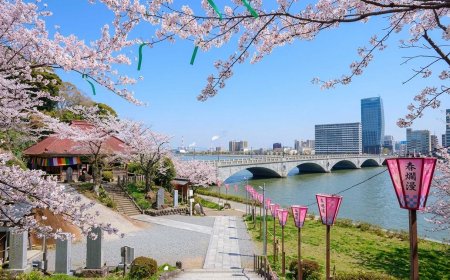
Niigata for Cultural Travelers
Shinkansen During Silver Week: Reserved or Non-Reserved?
One of the biggest mistakes residents can make during a major Japanese holiday is assuming they can simply arrive at the station and take any Shinkansen as usual.
That requires extra caution in 2026.
Nozomi Will Be All Reserved Seating
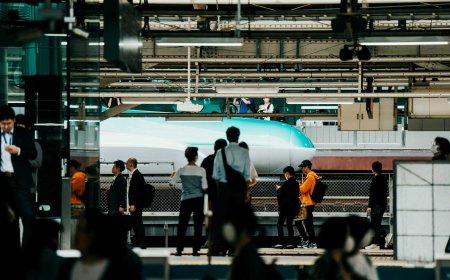
JR Central confirms that all Nozomi (のぞみ) trains on the Tokaido and Sanyo Shinkansen will operate with reserved seats only from September 18 through September 23, 2026.
This applies to Nozomi services operating between Tokyo and Hakata.
In other words, there will be no normal non-reserved Nozomi cars during this period.
However, other services—including Hikari, Kodama, Mizuho, Sakura and Tsubame—will continue to offer non-reserved seating under their normal arrangements.
This distinction matters.
A traveler going from Tokyo toward Kyoto or Osaka, for example, should not assume that buying a non-reserved Shinkansen ticket will allow them to board a Nozomi in the usual way.
If you know exactly when you want to travel, reserving a seat is the safer choice.
JR Central says standard reserved-seat tickets go on sale at 10:00 a.m. one month before the travel date, while services such as Smart EX and Express Reservation can accept some reservations much earlier, subject to their conditions.
What About JR East Shinkansen?
Residents of Niigata, Tohoku, Nagano and surrounding areas use a different Shinkansen network.
JR East operates services including the Joetsu Shinkansen, Tohoku Shinkansen and Hokuriku Shinkansen.
Some JR East Shinkansen services have non-reserved seating, and JR East's Touch de Go! Shinkansen system allows eligible non-reserved journeys using a registered Suica or other supported transportation IC card without making an advance reservation.
But "non-reserved" does not mean "guaranteed seat."
During a major holiday, a non-reserved car can become crowded. If sitting down matters—especially when traveling with children, elderly relatives or luggage—buying a reserved seat in advance is usually worth considering.
Always check the exact train because seating arrangements vary by Shinkansen service.
When Will the Roads Be Worst?
For drivers, the official forecasts provide some useful clues.
In NEXCO East's area, September 20 is expected to be particularly problematic for outbound traffic, while September 21 and 22 require particular caution for inbound traffic.
The pattern makes sense.
At the beginning of a holiday, large numbers of people leave metropolitan areas. As the break progresses, traffic begins moving back toward Tokyo and other major population centers.
Instead of thinking only about which day you travel, think about what time you travel.
Leaving very early in the morning or traveling after the main afternoon/evening peak may save a surprising amount of time. NEXCO specifically recommends changing travel times as one way of avoiding congestion.
And there is another financial detail drivers should know.
Expressway holiday discounts will not apply during September 19–23.
That makes calculating the full cost of a road trip particularly important.
Fuel + tolls + parking + accommodation can turn what looks like a cheap family drive into an expensive holiday.
What About Airports?
Airports should also be approached differently during a five-day national travel period.
Domestic flights are often attractive for longer trips such as Tokyo–Sapporo, Tokyo–Fukuoka or Osaka–Okinawa, but holiday-period travel concentrates passengers into a relatively small number of departure and return dates.
Even if you already have your ticket, do not treat a Silver Week airport departure like an ordinary weekday trip.
Allow extra time for:
- transportation to the airport,
- check-in procedures,
- baggage drop,
- security,
- restaurants and shops,
- and boarding.
More importantly, check your airline's latest information before leaving home. Weather, aircraft changes and operational conditions can affect travel even when you planned everything correctly.
If you have not booked yet, compare the total journey, not just the advertised airfare.
A ¥9,000 flight may not really cost ¥9,000 after adding transportation to a distant airport, baggage fees and other expenses.
The Best Money-Saving Strategy: Do Not Compete With Everyone Else
Here is one advantage foreign residents have over tourists.
You live here.
You do not have to see Kyoto during Silver Week.
You do not have to visit Tokyo Disneyland on one of the busiest weekends of the season.
And you certainly do not need to pay an inflated hotel rate just because everyone else has the same five days available.
If the purpose is simply to enjoy the break, consider reversing the usual holiday strategy.
Stay relatively close to home during September 19–23 and schedule the expensive overnight trip for an ordinary weekend later in September or October.
You may find cheaper accommodation, easier train reservations and a completely different atmosphere.
7 Practical Ways to Save Money During Silver Week
1. Make It a Day Trip
Accommodation can be one of the biggest expenses during a major holiday.
If a destination is one or two hours away, consider returning home the same evening.
For a family, eliminating even one hotel night can significantly reduce the total cost.
2. Use Local and Rapid Trains
The Shinkansen saves time, but speed has a price.
For shorter journeys, compare ordinary JR trains, private railways and buses before automatically buying Shinkansen tickets.
Residents often have more flexibility than tourists and can afford to spend an extra hour traveling if the savings are worthwhile.
3. Travel Outside the Five-Day Period
If your employer gives you some flexibility, moving a trip by even one or two days can help.
Instead of joining the main rush on September 19 or returning during the busiest period, investigate departures before or after Silver Week.
4. Skip the Hotel
A day trip plus dinner at a good local restaurant can still feel like a proper holiday.
You get the experience without paying peak accommodation prices.
5. Bring Food and Drinks
Station bentos are part of the fun of Japanese travel, but buying breakfast, coffee, snacks, lunch and drinks for an entire family quickly adds up.
Bring some food from home and save your travel budget for something memorable at the destination.
6. Check the Entire Driving Cost
Do not compare only gasoline with a train ticket.
Calculate:
fuel + expressway tolls + parking + possible congestion + accommodation
Remember that the normal expressway holiday discount will not apply during the Silver Week period.
7. Explore Your Own Prefecture
One of the cheapest vacations in Japan may be hiding less than an hour from your home.
Instead of asking, "Where can we go in Japan?" ask:
"Where haven't we visited within our own prefecture?"
For residents, Silver Week can be the perfect time to become a tourist in your own region.
What If You Cannot Afford Silver Week Travel?
There is nothing wrong with staying home.
Major holiday periods in Japan can create subtle pressure to "go somewhere." Social media fills with airport photos, Shinkansen meals, hotel breakfasts and family trips.
But Silver Week does not need to become a financial obligation.
If money is tight, give yourself a fixed budget.
For example:
¥3,000: local train trip + lunch
¥5,000: longer day trip + meal + attraction
¥10,000: family drive + food + activities
¥0–¥2,000: park, picnic, cycling, local festival or neighborhood exploration
A five-day holiday is still valuable even if you never board a Shinkansen.
Residents can also use the break to rest, cook something special, meet friends, explore a nearby town or finally visit places they normally ignore because they are "too close to home."
Sometimes the cheapest Silver Week is also the most relaxing one.
If You Must Travel, Reserve Early
If you already know that you need to travel between September 19 and 23, procrastination is not a good strategy.
JR travel providers are already advising customers to make arrangements early because the rare five-day holiday is expected to concentrate demand.
Prioritize reservations in this order:
- Long-distance transportation
- Accommodation
- Rental car if needed
- Popular attractions requiring timed entry
- Restaurants where reservations are essential
Then check everything again several days before departure.
For drivers, check the latest NEXCO and JARTIC traffic information. For rail passengers, check your railway operator. For flights, use your airline's official website or app.
A Simple Silver Week Survival Plan
If you are still deciding what to do, use this approach.
Traveling far? Reserve transportation and accommodation now.
Taking the Shinkansen? Check the seating rules for your exact service. Remember that Nozomi is all-reserved from September 18–23.
Driving toward or from Kanto? Pay particular attention to September 20 outbound and September 21–22 inbound traffic.
Driving in Niigata? Watch the September 21 morning forecast around Nakanoshima-Mitsuke on the Hokuriku Expressway and check live conditions before departure.
Trying to save money? Choose a day trip instead of an overnight stay.
Budget extremely tight? Stay local and save the big trip for an ordinary weekend.
Final Thoughts
Silver Week 2026 is genuinely unusual.
Japan gets a five-day holiday from September 19 through September 23, created by the weekend, Respect for the Aged Day, the legally created September 22 holiday and the Autumnal Equinox Day.
That makes it an excellent opportunity to travel—but also an excellent opportunity to spend too much money while sitting in traffic.
Official expressway forecasts already point to substantial congestion, including 279 predicted traffic jams of 10 km or longer nationwide during the five-day period.
So the smartest Silver Week trip may not be the biggest one.
For foreign residents in Japan, flexibility is your greatest advantage. Reserve early if you need to travel far, avoid peak travel periods where possible, check the exact rules for your Shinkansen, calculate the true cost of driving and consider destinations close to home.
And if you live in Niigata, you certainly do not need to cross half of Japan to have a good holiday.
Sometimes a train ride, a local meal and somewhere you have never explored before are enough.
Enjoy Silver Week—and spend the holiday exploring Japan, not waiting in traffic.
Useful Official Resources
Before traveling, check current information from the relevant railway operator, airline or expressway operator because schedules, weather conditions and congestion can change.
For highway travel, NEXCO East has published dedicated Silver Week 2026 congestion forecasts, including national, Kanto and Niigata editions. The national forecast covers September 19–23 and advises travelers to stagger their travel times where possible.
For Tokaido/Sanyo Shinkansen passengers, JR Central's official guidance confirms that Nozomi trains operate with all seats reserved from September 18–23, 2026.
Important Disclaimer: Travel schedules, fares, congestion forecasts, and transportation rules may change. Please check the latest information from official railway, airline, and highway operators before traveling.
For more practical Japan living guides, explore related resources like the Living in Japan, Japan Starter Toolkit, and Everyday Japanese for Beginners.
Prepare Smarter, Live Better in Japan (FREE Download)
Download the First 7 Days in Japan Checklist (FREE)
Don’t guess what to do — follow a proven plan.
Download your FREE “First 7 Days in Japan Checklist” PDF now:
✔ Instant download
✔ Mobile-friendly
✔ Printable
Want the COMPLETE Version? (Premium Upgrade)
If you want a deeper, more powerful guide, there’s also a premium version available on Gumroad.
Nipino.com is committed to providing you with accurate and genuine content. Let us know your opinion by clicking HERE.