




























































How to Find Foreigner-Friendly Apartments in Japan
Finding an apartment in Japan as a foreigner can feel frustrating because some landlords worry about language barriers, guarantors, contracts, and tenant communication. This guide explains how to find foreigner-friendly apartments in Japan more successfully, avoid common rejection reasons, and improve your chances of getting approved.
Searching for an Apartment in Japan
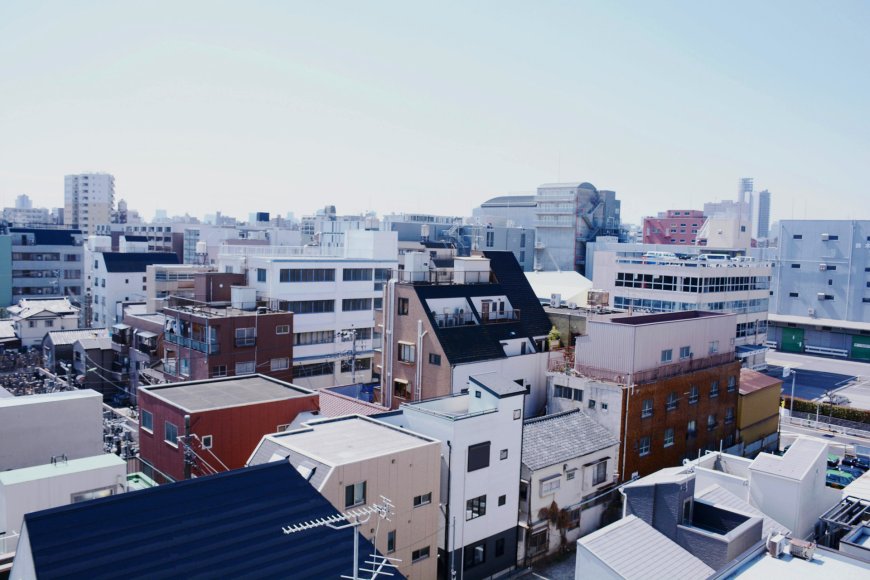
Searching for an apartment in Japan as a foreigner can sometimes feel like trying to enter a members-only club without knowing the password. You find a beautiful apartment online, contact the agency, prepare yourself emotionally to imagine living there—and then suddenly you hear words like “Japanese guarantor required,” “owner prefers Japanese tenants,” or “application difficult for foreigners.” It can feel discouraging, especially for people arriving in Japan for the first time.
The truth is more complicated than simple discrimination. Some landlords worry about communication problems, unpaid rent, contract misunderstandings, emergency contact issues, or tenants suddenly leaving Japan without notice. Others have simply never rented to foreigners before and feel nervous about something unfamiliar. The good news is that Japan’s housing market has been slowly changing. More agencies now actively support international residents, more guarantor companies work with foreign applicants, and more apartments openly advertise themselves as foreigner-friendly.
That does not mean apartment hunting is always easy. It means strategy matters. If you understand how the system works, prepare the right documents, and search through the right channels, your chances improve dramatically.
Want a smoother transition into life in Japan? Check out the Japan Starter Toolkit.
What “Foreigner-Friendly” Really Means
A foreigner-friendly apartment does not necessarily mean the apartment itself is different. Usually, it means the landlord, management company, or agency is willing to rent to non-Japanese residents and has experience handling foreign applications.
That experience matters more than many people realize.
A foreigner-friendly agency may:
- Offer English or multilingual support
- Accept overseas applicants
- Use guarantor companies instead of personal Japanese guarantors
- Understand visa situations
- Explain contracts clearly
- Recommend buildings known to accept foreign residents
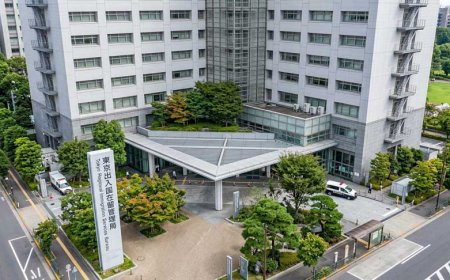
Some housing services in Japan now specifically market apartments for foreigners because demand continues growing. Japan’s Immigration Services Agency reported that the number of foreign residents in Japan exceeded 3.7 million in 2025, continuing a long-term upward trend. (moj.go.jp) That growth affects the housing market directly. More foreigners living in Japan means more landlords and agencies are learning how to handle international tenants.
Still, “foreigner-friendly” does not mean “automatic approval.” Screening still exists. Rent still matters. Income still matters. Communication still matters. The difference is that the agency or landlord is willing to work with foreign applicants instead of rejecting them immediately.
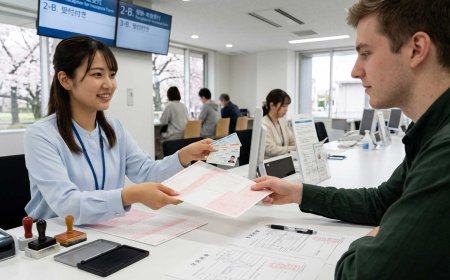
How to Rent an Apartment in Japan (Step-by-Step for Foreigners)
Why Some Foreigners Get Rejected
One of the most frustrating parts of apartment hunting in Japan is rejection without a clear explanation. Sometimes the apartment disappears before you apply. Sometimes the landlord simply says no. Sometimes the guarantor company rejects the application.
There are several common reasons.
Communication Concerns
Many landlords worry about communication during emergencies, maintenance issues, or rule explanations. If a tenant cannot understand notices about garbage, noise, repairs, or contract renewals, management becomes more complicated.
This does not mean you need perfect Japanese. Many foreigners successfully rent apartments with basic Japanese. But showing effort matters. Even simple communication ability can improve trust.
Visa Length
Landlords may check how long your visa lasts. A person with only a few remaining months on their residence status may look riskier than someone with a longer stay period or stable work contract.
Income Stability
Japan’s rental system strongly values stable income. Company employees with regular salaries often pass screening more easily than freelancers, students, or new arrivals without Japanese income history.
Some Tokyo rental guides explain that landlords and guarantor companies commonly review income, visa status, employment stability, and emergency contact information during screening. (tokyo-housing.com)
Fear of Contract Problems
Landlords may worry about unpaid rent, sudden move-outs, illegal subletting, or misunderstandings about apartment rules. This is why showing professionalism matters during apartment hunting.
If you arrive prepared, organized, polite, and financially stable, you already separate yourself from many applicants.
Best Ways to Find Foreigner-Friendly Apartments in Japan
Apartment hunting becomes easier when you stop searching randomly and start targeting the right channels.
Foreign-Friendly Real Estate Agencies
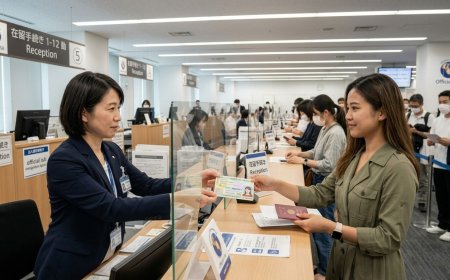
The fastest route is often using agencies experienced with foreign tenants. These companies already know which landlords are open to international renters. That saves time and emotional energy because you avoid repeatedly applying to apartments that will reject foreign applicants automatically.
Many of these agencies also help with:
- Contract translation
- Utility setup
- Guarantor companies
- Internet setup
- Emergency contact guidance
Some even specialize in students, IT workers, English teachers, or corporate relocation clients.
Share House Companies
Share houses are often one of the easiest entry points into Japanese housing. Contracts may be simpler, furniture included, and initial costs lower. Many share houses actively welcome international residents.
This is especially useful if:
- You recently arrived
- You do not yet have stable income
- You are still searching for long-term housing
- You want to improve Japanese or make friends
Some 2026 housing platforms continue promoting share houses as a low-barrier housing solution for foreigners because many properties avoid key money and complicated setup procedures. (x-house.co.jp)
UR Housing
UR housing remains one of the best-kept secrets for foreigners in Japan. UR apartments are managed by the Urban Renaissance Agency and are famous for:
- No key money
- No agency fee
- No guarantor requirement
The official UR website highlights these advantages directly. (ur-net.go.jp)
For foreigners struggling with traditional apartment screening, UR housing can remove several major barriers immediately.
Online Platforms
Many online apartment websites now allow filters such as:
- Foreigner-friendly
- English support
- No guarantor
- No key money
- Furnished
- Short-term available
The danger is assuming every online listing is actually available. Popular apartments disappear quickly. Contact agencies early and be ready with documents.
Local Real Estate Offices
In smaller cities, local agencies may know apartments that never appear on big websites. Some may not speak English, but they may still help if you bring a Japanese-speaking friend or use translation tools carefully.
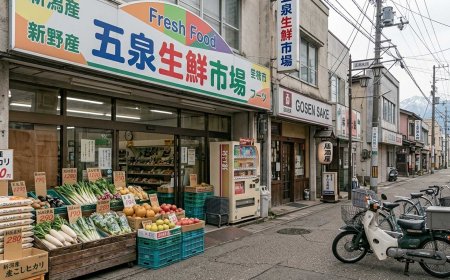
Regional Japan can sometimes be easier than Tokyo because there is less competition and more empty housing inventory.
Best Housing Options in Japan: Apartment vs Share House vs UR
Documents You Should Prepare Before Searching
Apartment hunting moves quickly in Japan. If you delay document preparation, another applicant may take the room before you finish.
Prepare these in advance:
| Document | Why It Matters |
| Residence card | Confirms legal residence |
| Passport | Identity verification |
| Employment certificate | Shows stable work |
| Payslips or income proof | Confirms ability to pay |
| Student certificate | Required for students |
| Emergency contact | Commonly required |
| Japanese phone number | Often needed during application |
Freelancers may also need:
- Tax returns
- Bank statements
- Client contracts
- Savings proof
Some agencies request different combinations depending on the apartment and guarantor company.
How Guarantor Companies Help Foreigners
Years ago, many foreigners struggled because landlords required a Japanese guarantor. Today, guarantor companies have changed the system significantly.
A guarantor company promises to cover unpaid rent if the tenant fails to pay. In exchange, the tenant pays a guarantor fee. Some 2026 foreigner housing guides estimate guarantor company fees around 30% to 100% of one month’s rent depending on the property and tenant profile. (firststep-jp.com)
| Guarantor Company Benefit | Why It Helps |
| No Japanese guarantor needed | Easier for foreigners |
| Standardized process | Faster approval |
| Widely accepted | Common in modern rentals |
| More landlord confidence | Reduces owner risk |
This system is not perfect, but it has made apartment access easier for many international residents.
Questions You Should Ask Before Applying
Apartment hunting is not only about “Can I get approved?” It is also about “Can I live here comfortably?”
Before applying, ask:
- What are the total initial costs?
- Is internet already installed?
- Is the building quiet?
- How far is the station?
- Are there supermarkets nearby?
- Is the apartment insulated well?
- Does the building allow bicycles?
- Are there renewal fees?
- Is smoking allowed?
- Are guests allowed long-term?
A cheap apartment with terrible transportation may cost more emotionally and financially over time. A beautiful apartment with poor insulation can become freezing in winter and expensive to heat.
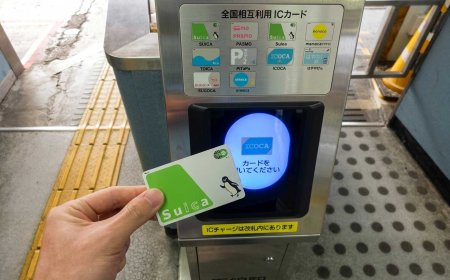
Complete Guide to Transportation in Japan (Trains, Buses, IC Cards & More)
Best Apartment Types for Foreigners
Different foreigners need different housing solutions.
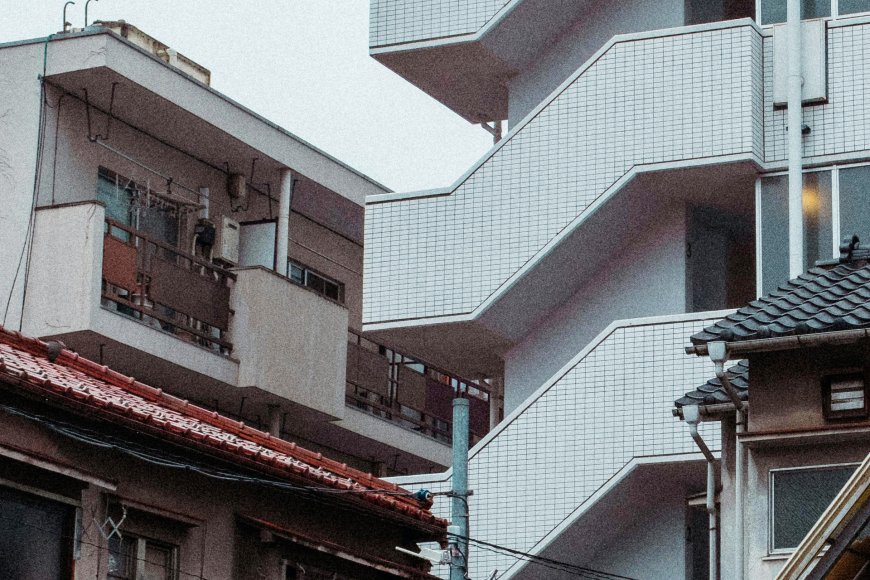
| Housing Type | Best For | Main Advantage | Main Disadvantage |
| Standard apartment | Long-term residents | Privacy | High initial cost |
| Share house | New arrivals | Easy setup | Shared space |
| Monthly apartment | Temporary residents | Flexible contracts | Higher monthly rent |
| UR housing | Families/budget-conscious renters | Lower upfront barriers | Limited availability |
Students often succeed with share houses first. Families may prefer UR housing or larger apartments. Workers with stable income may want regular apartments near train stations. Short-term residents may prefer furnished monthly apartments.
There is no universally “best” option. The right choice depends on your stage of life in Japan.
Common Apartment Hunting Mistakes
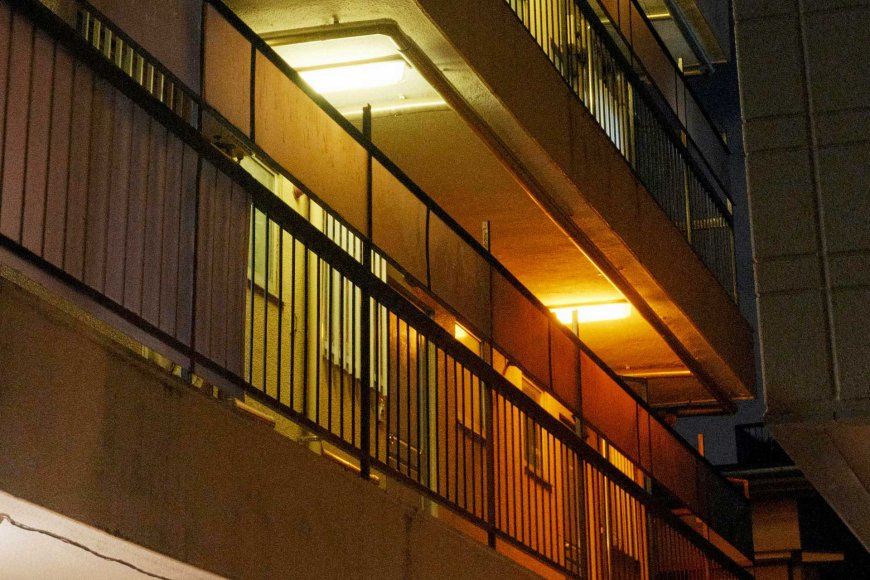
One major mistake is searching only by rent. Transportation matters just as much. A cheap apartment far from work can create expensive commuting and daily exhaustion.
Another mistake is applying without preparation. Agencies respond faster to applicants who already have documents ready.
Some foreigners also ignore apartment rules. Garbage sorting, noise, smoking, balcony use, and move-out restoration rules are serious in Japan. Management companies care about tenants who can follow building rules respectfully.
Top 10 Apartment Rules in Japan Foreigners Must Know
Apartment Hunting Gets Easier With Strategy
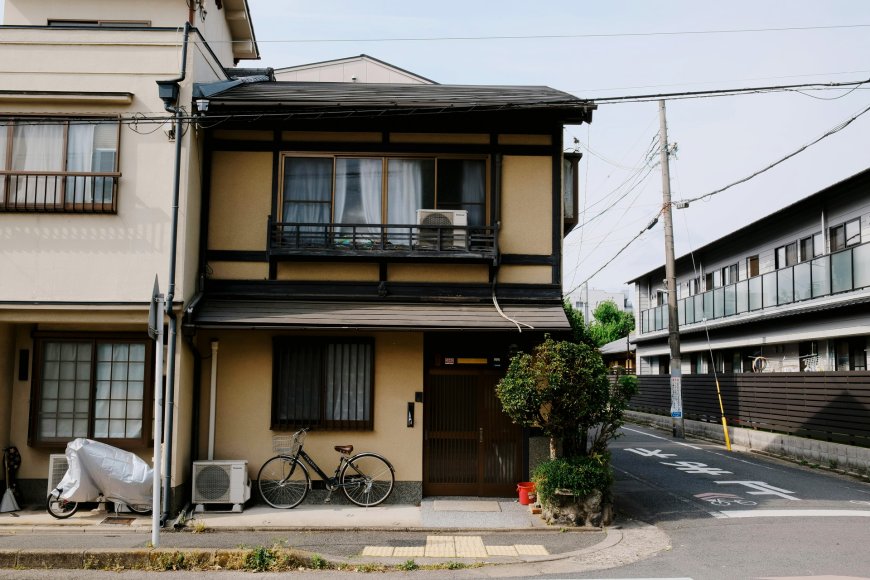
Finding a foreigner-friendly apartment in Japan can feel stressful at first, but the process becomes much smoother when you understand how the system works. The key is preparation. Prepare your documents. Prepare your budget. Prepare your expectations. Search through the right channels instead of applying randomly.
Japan’s rental market is changing slowly. More agencies understand international tenants, more landlords are willing to rent to foreigners, and more services exist to bridge language and cultural gaps. You may still face rejection sometimes, but rejection is not the end of the process. It is simply part of navigating a housing system built around caution and long-term trust.
The right apartment is not just the cheapest room or the newest building. It is the place where your commute feels manageable, your finances stay stable, your neighbors feel comfortable, and your daily life becomes smoother instead of heavier. Apartment hunting in Japan is not really about finding a room. It is about finding the environment where your life in Japan can actually grow.
Prepare Smarter, Live Better in Japan (FREE Download)
Download the First 7 Days in Japan Checklist (FREE)
Don’t guess what to do — follow a proven plan.
Download your FREE “First 7 Days in Japan Checklist” PDF now:
✔ Instant download
✔ Mobile-friendly
✔ Printable
Want the COMPLETE Version? (Premium Upgrade)
If you want a deeper, more powerful guide, there’s also a premium version available on Gumroad.
Nipino.com is committed to providing you with accurate and genuine content. Let us know your opinion by clicking HERE.