





















































Shōmikigen vs. Shōhikigen: Understanding Japan’s Expiration Labels
In Japan, food packaging often displays two different expiration terms: 賞味期限 (Shōmikigen) and 消費期限 (Shōhikigen). Understanding the difference between the two not only prevents food waste but also ensures safety and freshness when consuming products.
Why Expiration Dates Matter in Japan
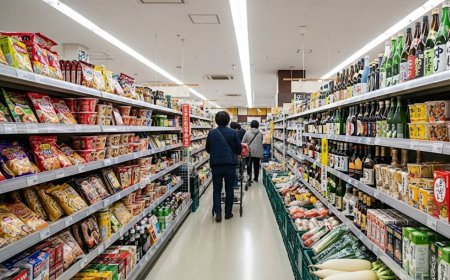
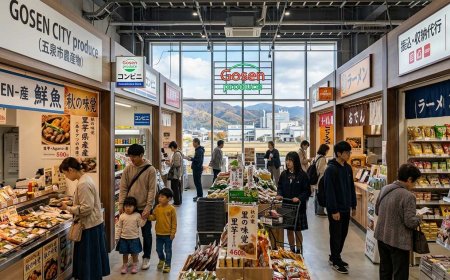
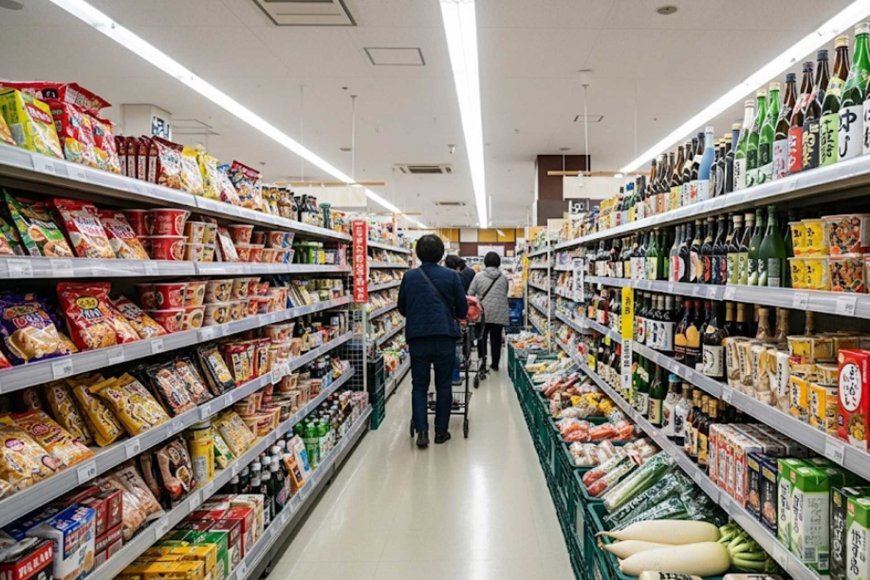
Japan is known for its high standards in food safety and quality. When shopping in Japanese supermarkets, many foreign residents and travelers are puzzled by two common labels: 賞味期限 (Shōmikigen) and 消費期限 (Shōhikigen). While both terms relate to expiration dates, they serve very different purposes. Misunderstanding them could lead to unnecessary waste or, worse, food safety risks.
Shōmikigen (賞味期限): The “Best Before” Date
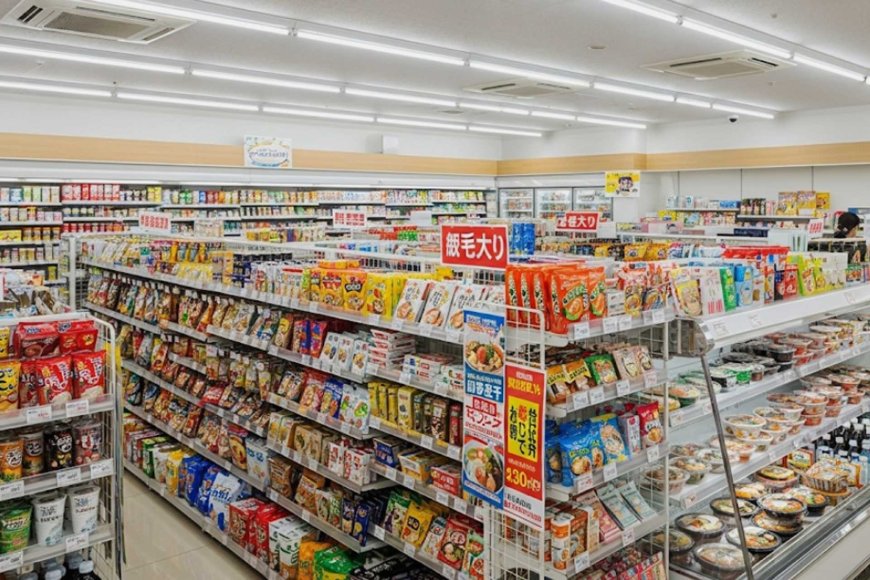
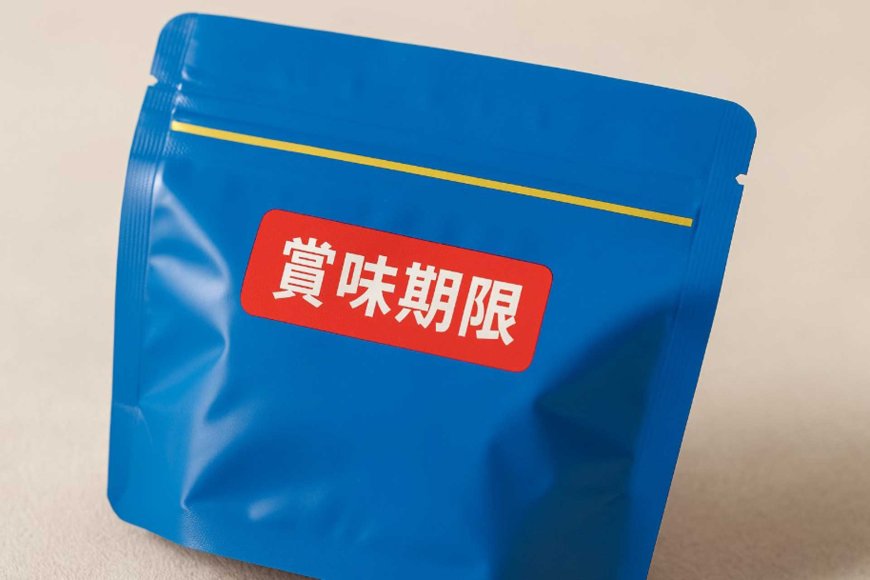
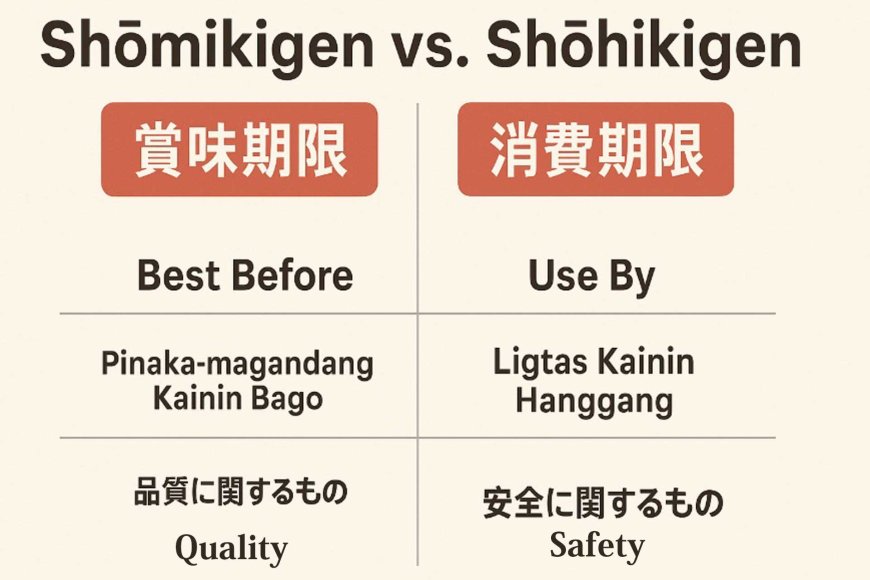
The term Shōmikigen literally translates to “the period of deliciousness.” It is Japan’s equivalent of the “Best Before” date in English-speaking countries. This label tells consumers until when the product is expected to taste its best, retaining its flavor, aroma, and texture.
Common Products with Shōmikigen
- Packaged snacks (chips, biscuits, chocolates)
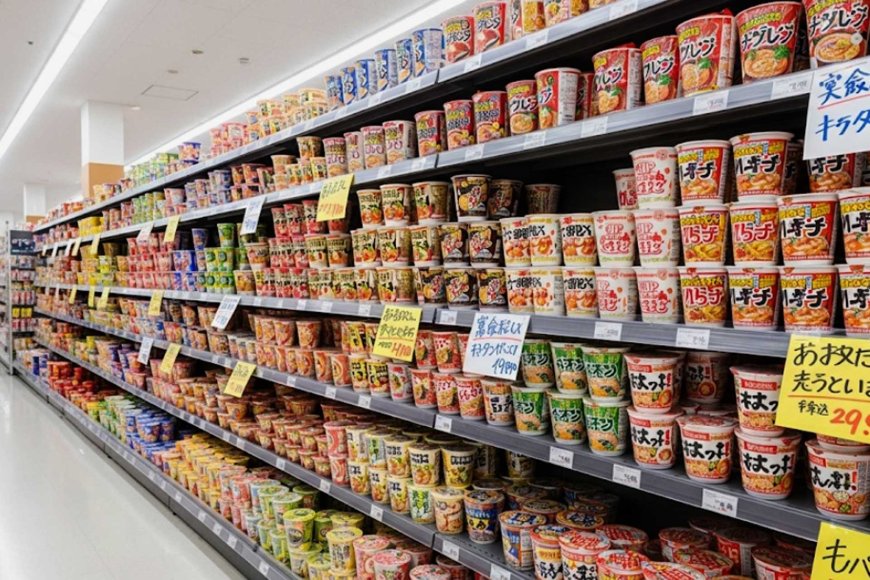
- Instant noodles and cup ramen
- Bottled drinks, juices, and soft drinks
- Canned goods and condiments
These items can often be eaten even after the Shōmikigen date has passed, provided they have been stored properly and the packaging remains intact. For example, chips may lose some crispness, or chocolate may develop a slight white coating (fat bloom), but the product is still safe to eat.
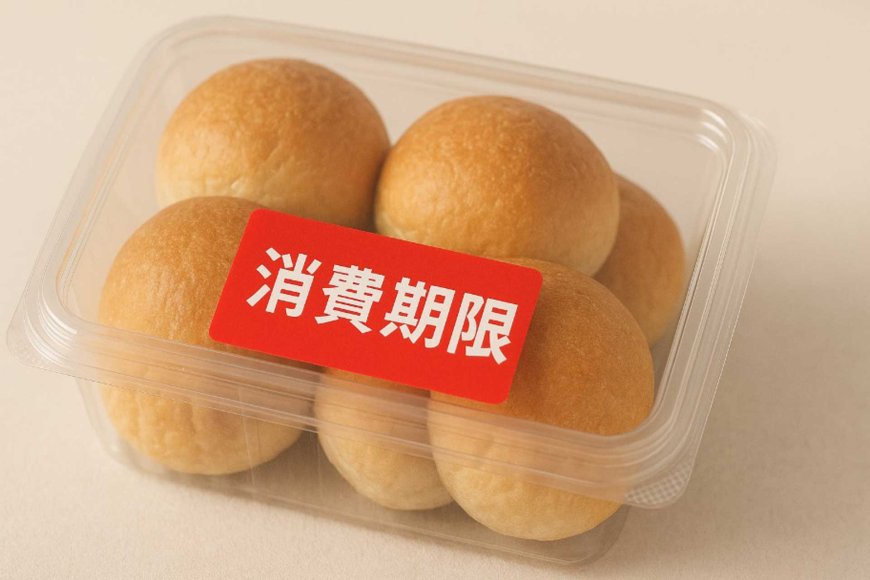
Shōhikigen (消費期限): The “Use By” Date
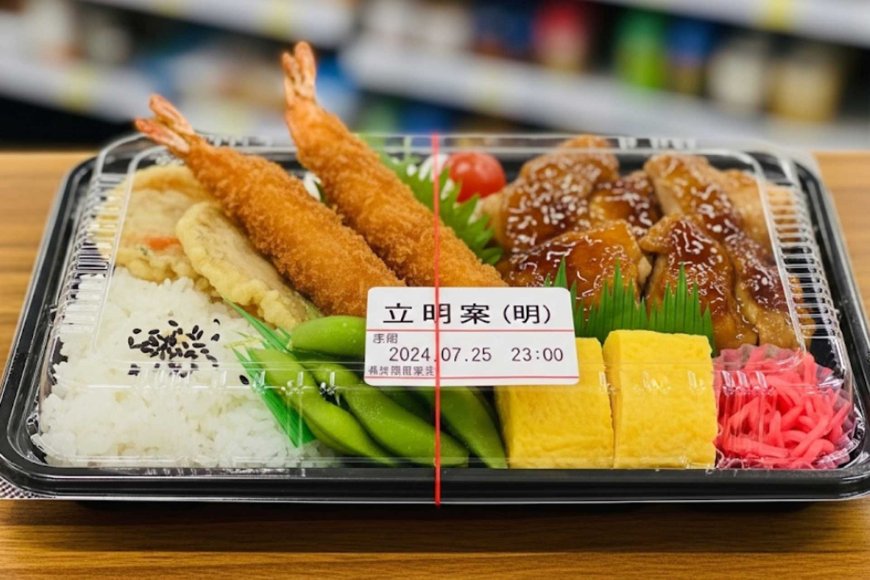
On the other hand, Shōhikigen means “the consumption period.” This label is stricter and refers to the “Use By” date, beyond which food safety cannot be guaranteed. It is applied to items that spoil quickly and can pose health risks if consumed after the date has passed.
Common Products with Shōhikigen
- Fresh lunch boxes (bento)
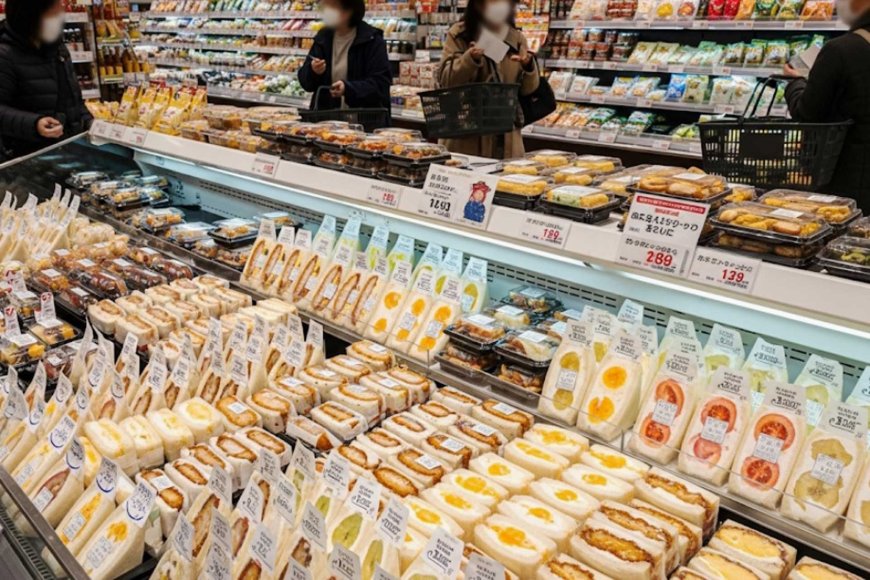
- Packaged sandwiches and salads
- Fresh dairy products like milk and cream
- Ready-to-eat meals and convenience store bentos
- Raw meat, fish, and prepared sushi
Eating these items past the Shōhikigen date is not recommended, as bacteria growth can occur even if the product looks fine. Japanese convenience stores (konbini) are especially strict in removing expired bentos and onigiri once the clock hits the expiration time.
Why Japan Uses Two Expiration Terms
The dual labeling system reflects Japan’s commitment to both quality and safety.
- Shōmikigen emphasizes the enjoyment of food at its best flavor and condition.
- Shōhikigen prioritizes consumer protection, ensuring perishable items are consumed safely.
This distinction also reflects cultural values: Japan has a deep respect for food, often linked to the concept of “mottainai” (wastefulness). By clearly labeling products, consumers can avoid unnecessary waste while protecting their health.
How Foreigners in Japan Can Benefit from Understanding the Difference
For many foreigners, especially students and OFWs (Overseas Filipino Workers) in Japan, grocery budgets are tight. Knowing the difference between Shōmikigen and Shōhikigen can help save money.
- Smart Shopping Tip: Buy items nearing their Shōmikigen date at a discount. Many supermarkets in Japan mark down prices for near-expiry snacks, noodles, and drinks. These are still safe to consume, just not at their peak taste.
- Safety First: Always respect the Shōhikigen date, especially with bentos and raw products. Unlike canned goods, spoiled sushi or milk can lead to food poisoning.
Real-Life Example: Bento vs. Cup Noodles
Imagine you buy two items: a convenience store bento and a pack of instant ramen.
- The bento has a 消費期限 (Shōhikigen) of the same day at 10:00 PM. Eating it past midnight might already be risky.
- The instant ramen has a 賞味期限 (Shōmikigen) of three months later. Even if you eat it one month after that date, it will likely still be safe, though maybe less flavorful.
This illustrates the practical difference: one focuses on safety, the other on quality.
Food Waste in Japan and the Role of Expiration Labels
Japan faces a serious issue with food waste, with millions of tons discarded annually. Much of this waste comes from confusion over expiration labels. Foreigners often throw away food labeled with Shōmikigen, believing it to mean “expired.” In reality, it’s still edible.
By educating consumers, Japan hopes to reduce waste while maintaining strict safety standards. This is also why campaigns and signs in supermarkets encourage customers to buy items close to their Shōmikigen date.
Smarter and Safer Food Choices
Understanding the difference between Shōmikigen (賞味期限) and Shōhikigen (消費期限) is essential for anyone living in or visiting Japan. Shōmikigen is about best quality, while Shōhikigen is about food safety.
By respecting these labels, consumers can make smarter food choices, save money, and avoid unnecessary waste, all while staying safe. Whether shopping in a konbini, supermarket, or local store, this knowledge empowers people to navigate Japan’s food system confidently.
Key Takeaway:
- Shōmikigen = Best Before (quality-focused)
- Shōhikigen = Use By (safety-focused)
Understanding these labels helps foreigners in Japan enjoy food safely while reducing waste and stretching their grocery budget.
Nipino.com is committed to providing you with accurate and genuine content. Let us know your opinion by clicking HERE.