


































































Shunbun no Hi Japan 2026 – Meaning, Traditions & Celebration Guide
Shunbun no Hi, or Spring Equinox Day, is a national holiday in Japan that symbolizes balance, renewal, and respect for nature. It is also a time for families to honor their ancestors and welcome the arrival of spring.
What is Shunbun no Hi?
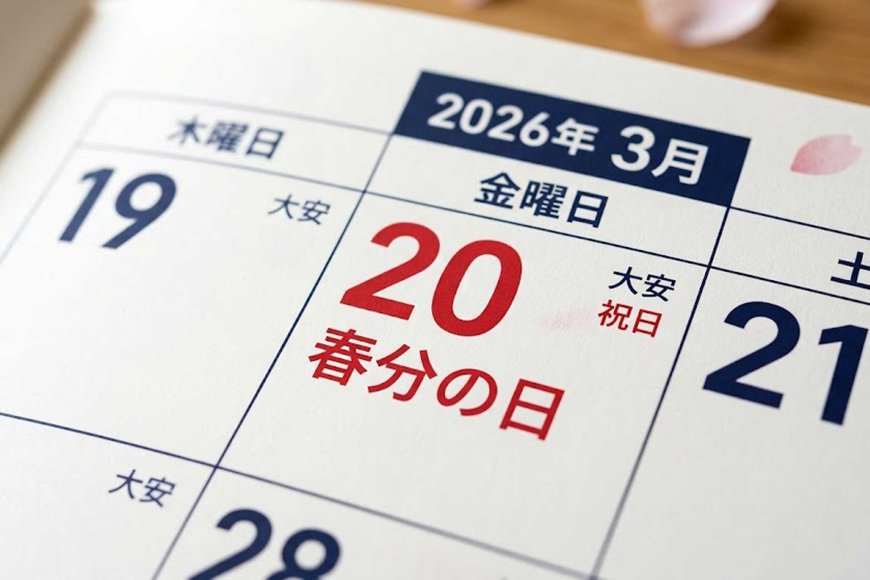
Shunbun no Hi (春分の日) is a national holiday in Japan celebrated around March 20 or 21 each year (March 20 this year, 2026), marking the arrival of the spring equinox. On this day, the length of daytime and nighttime becomes almost equal, symbolizing harmony and balance in nature.
The holiday is officially recognized under Japanese law as a day to “admire nature and care for living things.” It reflects both scientific significance and deep cultural values rooted in Japanese society.
The Meaning Behind the Spring Equinox
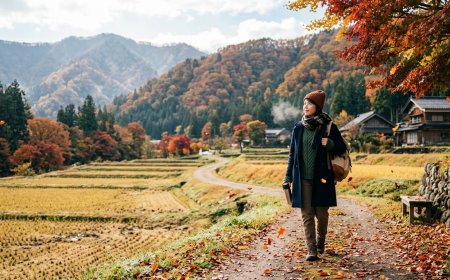
The spring equinox is more than just a seasonal change—it represents new beginnings and renewal. As winter fades away, warmer weather and blooming flowers signal a fresh start.
In Japanese culture, this balance between light and darkness is often associated with emotional and spiritual harmony. It is seen as the perfect time to reflect, reset, and appreciate life’s natural cycles.
Ohigan: Honoring Ancestors
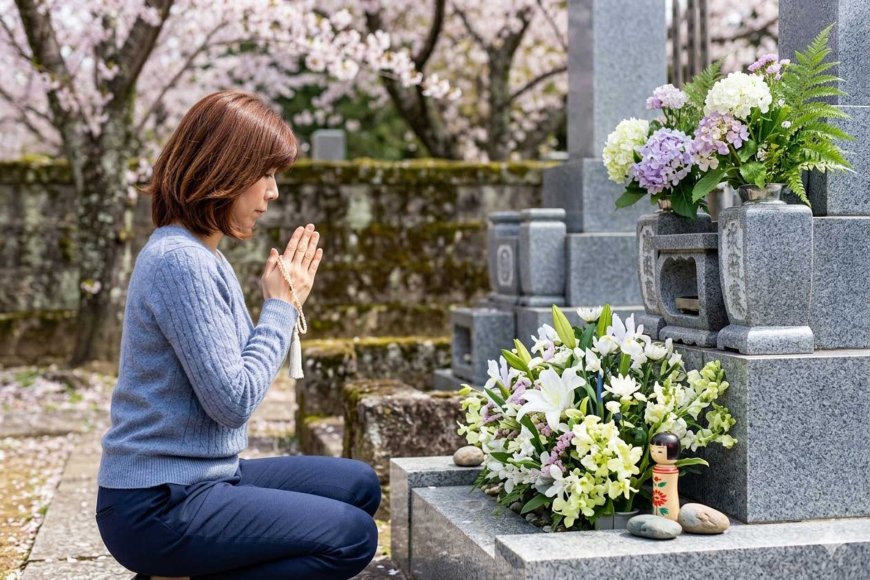
Shunbun no Hi is closely connected to a Buddhist tradition called Ohigan (お彼岸), a week-long period centered around the equinox. During this time, families visit graves, clean tombstones, and offer prayers for their ancestors.
People often bring flowers, incense, and food offerings to the graves. It is a quiet and respectful time that emphasizes gratitude and remembrance.
Traditional Foods During Shunbun no Hi
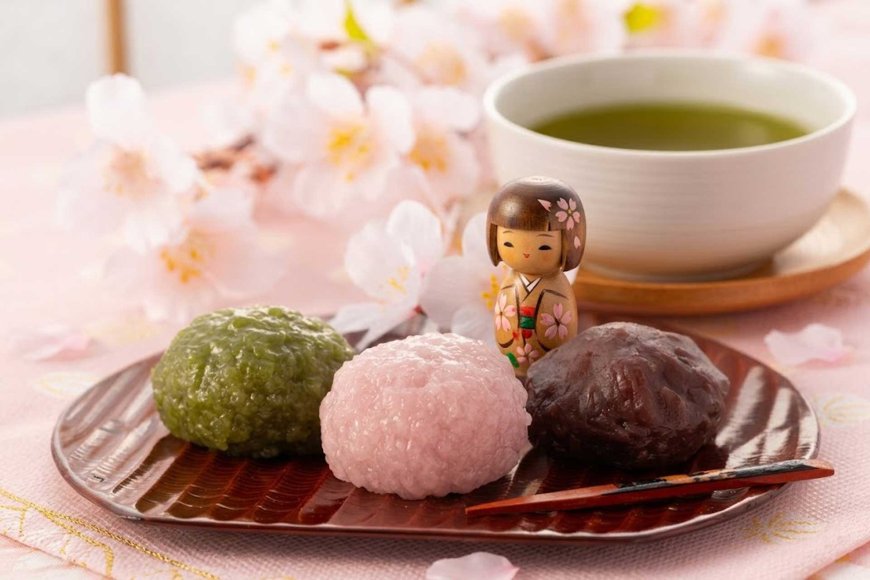
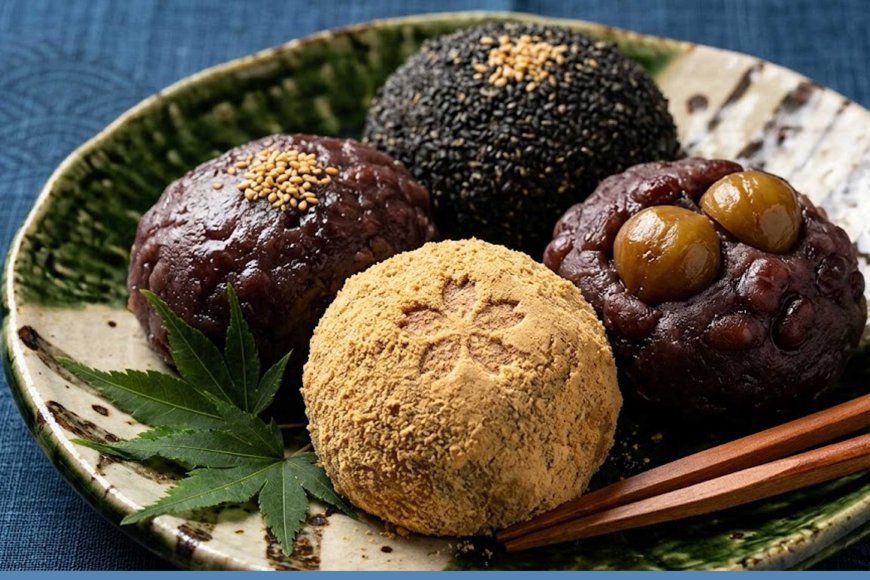
One of the most popular foods during this holiday is botamochi, a sweet rice ball covered with red bean paste. It is traditionally eaten during the spring Ohigan period.
The red bean paste is believed to ward off evil spirits, while the rice symbolizes purity. Sharing these foods with family reflects unity and cultural continuity.
How People Celebrate Today
In modern Japan, Shunbun no Hi is often a peaceful public holiday. Many people take the opportunity to relax, enjoy nature, or spend time with family.
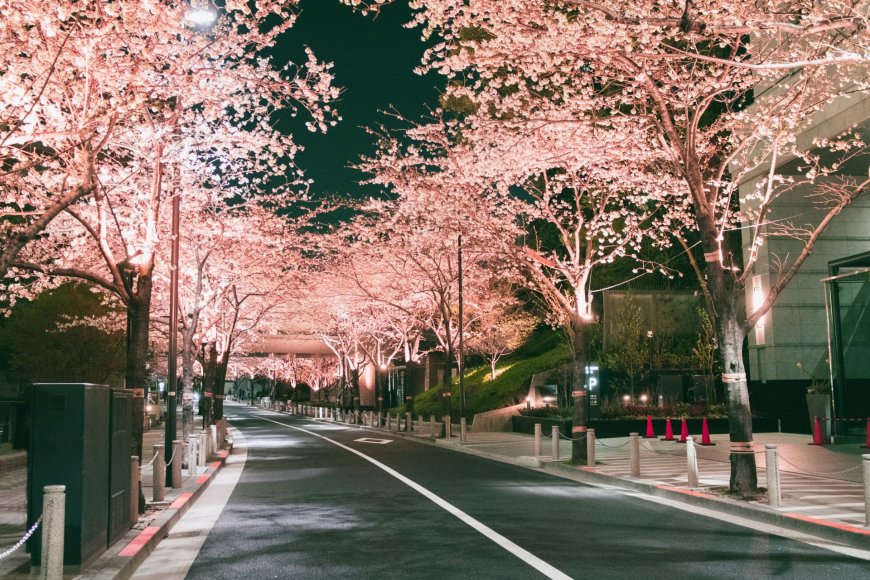
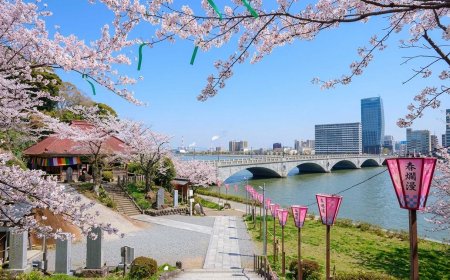
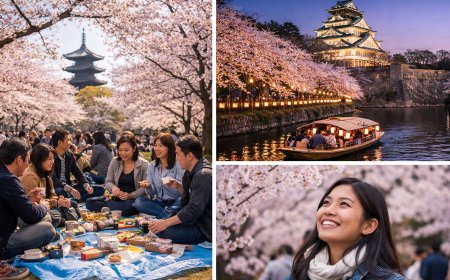
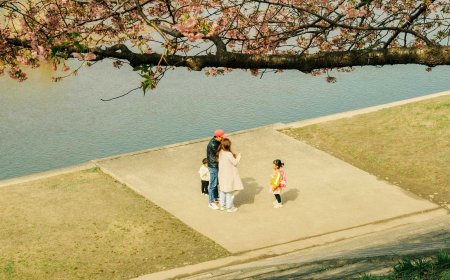
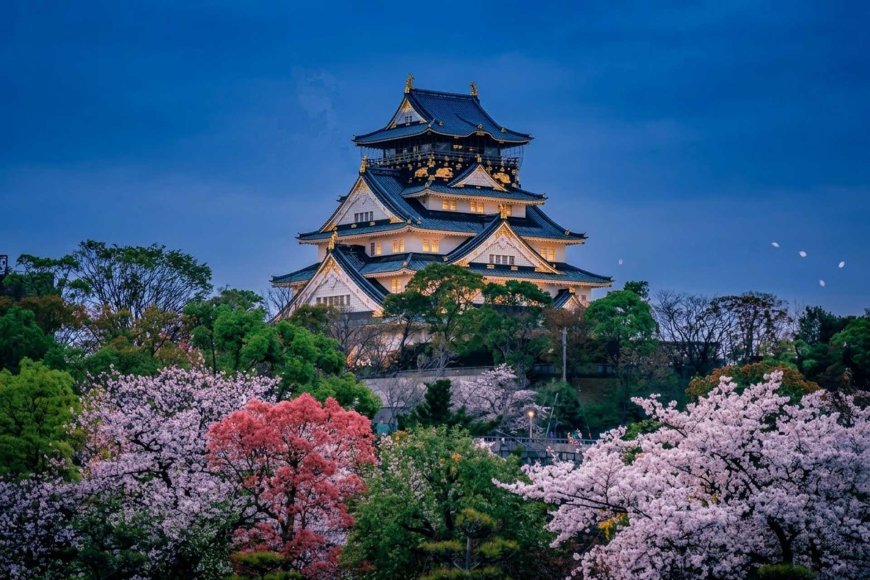
Parks and gardens become popular spots as early cherry blossoms begin to bloom. Some people also use this day for self-reflection, cleaning their homes, or starting new goals for the year.
Why Shunbun no Hi Matters for Foreigners in Japan
For foreigners living in Japan, Shunbun no Hi offers a meaningful glimpse into Japanese values—respect for nature, family, and balance in life.
It is also a perfect time to explore local traditions, visit temples, or simply enjoy the changing seasons. Understanding this holiday helps deepen one’s appreciation of life in Japan.
Nipino.com is committed to providing you with accurate and genuine content. Let us know your opinion by clicking HERE.