


































































Shūbun no Hi - 秋分の日 in Japan: Balancing Tradition, Nature, and Reflection
Shūbun no Hi (秋分の日), or Autumnal Equinox Day in Japan, is more than just a national holiday. It is a time when people celebrate balance in nature, honor their ancestors, and embrace traditions that connect past and present.

The Meaning of Shūbun no Hi (秋分の日)
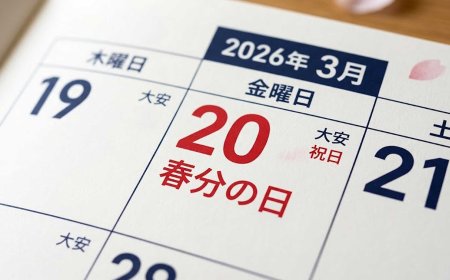
Shūbun no Hi (秋分の日), translated as Autumnal Equinox Day, is observed on September 22 or 23 each year (September 23 this year). It marks the moment when day and night are almost equal in length, symbolizing harmony and balance in nature. In Japan, this day is a public holiday, recognized officially in 1948, and is deeply tied to Shinto and Buddhist traditions.
For many, it is not just a scientific event but also a spiritual one. Families reflect on the passage of time, the balance of light and darkness, and the impermanence of life—a core concept in Japanese culture.
Historical Background of Shūbun no Hi
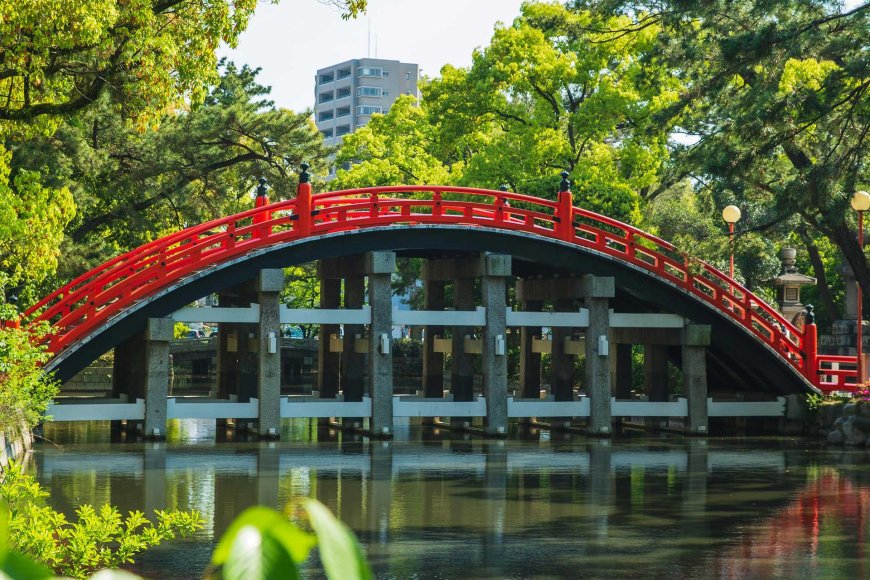
Before it became a national holiday, Shūbun no Hi had agricultural and spiritual importance. In ancient Japan, the equinox marked a period when farmers expressed gratitude for the harvest and prayed for future prosperity. The day also aligns with Ohigan (お彼岸), a Buddhist practice observed during both spring and autumn equinoxes.
During Ohigan, people visit graves, offer flowers, and make food offerings to honor their ancestors. This blend of Shinto reverence for nature and Buddhist respect for the deceased shaped the way Japanese people observe Shūbun no Hi today.

Visiting Ancestral Graves (Ohaka Mairi)
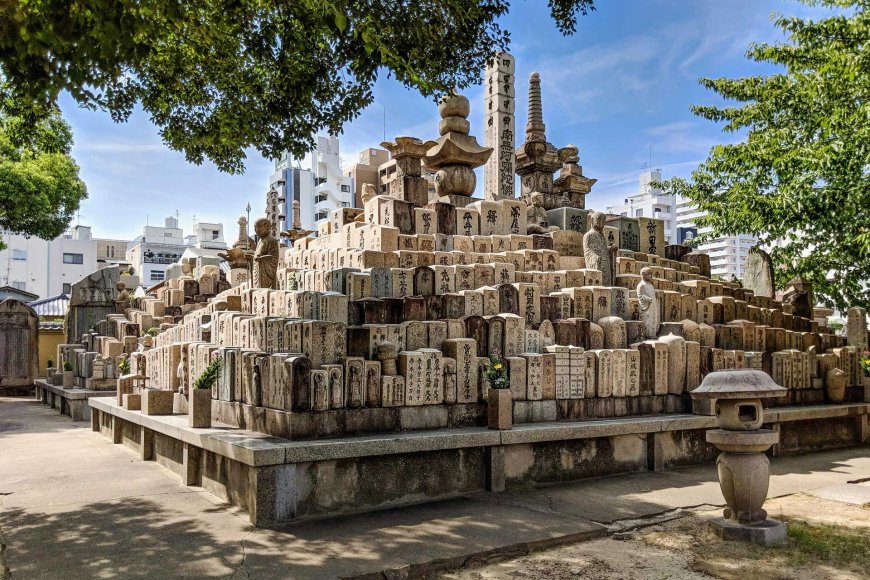
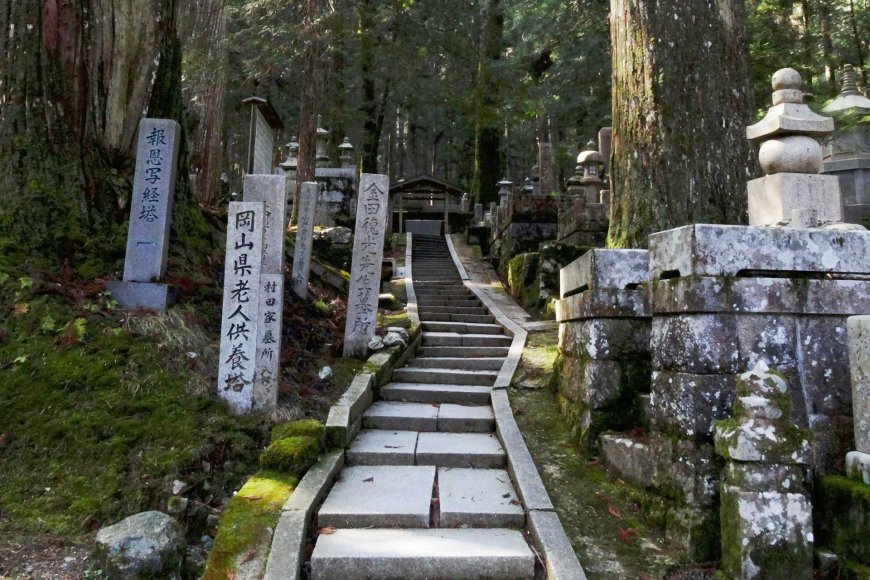
One of the most important customs of Shūbun no Hi is ohaka mairi (お墓参り), or visiting ancestral graves. Families clean gravestones, pull weeds, and leave offerings such as incense, flowers, and favorite foods of their loved ones.
This ritual not only honors the dead but also strengthens family ties. Parents often bring children along, teaching them the importance of respect and remembrance. For many, this quiet reflection creates a moment of gratitude—connecting the living with those who came before.
Seasonal Foods of Shūbun no Hi
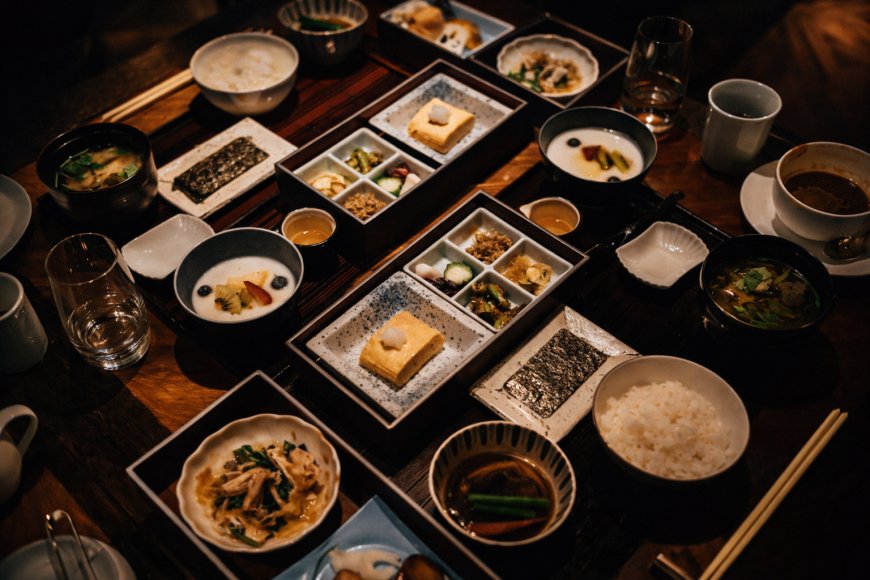
Food plays a central role in this holiday. Traditional offerings and meals include:
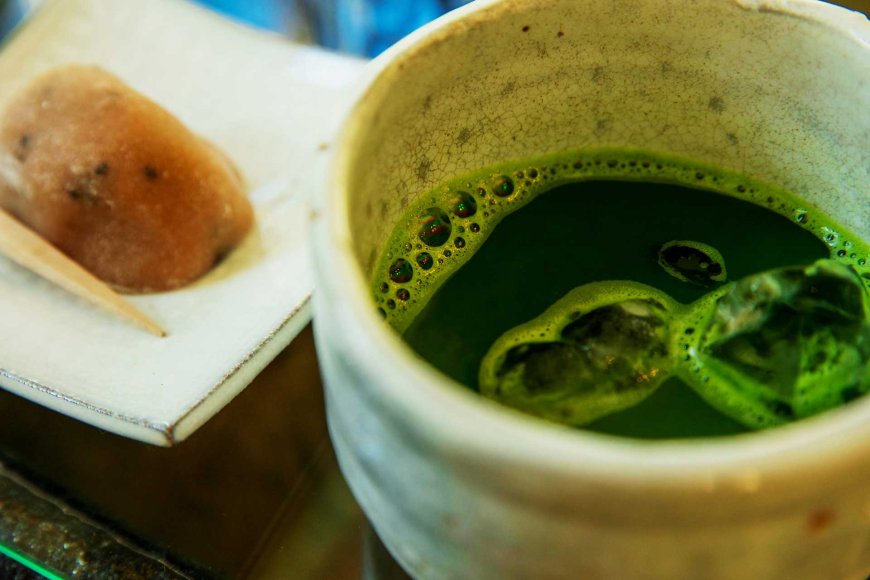
- Ohagi (おはぎ) – Sweet rice balls coated with red bean paste, symbolizing protection from evil.
- Seasonal vegetables and fruits – Celebrating the autumn harvest.
- Matcha and tea offerings – Shared during family gatherings or placed at altars.
Eating seasonal foods during Shūbun no Hi is not only an act of tradition but also a way to appreciate nature’s bounty and the cycles of the year.
Symbolism of Balance and Harmony
Shūbun no Hi is unique because it embodies balance. With equal day and night, the holiday becomes a metaphor for harmony between opposing forces—light and dark, life and death, nature and humanity.
Japanese culture often emphasizes the importance of balance, seen in Zen philosophy, seasonal festivals, and even everyday customs. The equinox provides a natural reminder to pause, reflect, and align oneself with the rhythm of the universe.
Modern Observances of Autumnal Equinox Day
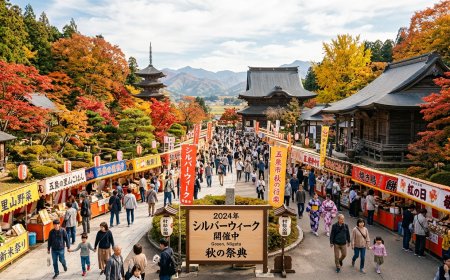
Today, Shūbun no Hi is a public holiday under Japan’s Happy Monday System, often giving people a long weekend. Many families use the day for rest, travel, or quiet reflection. Some temples and shrines host special ceremonies, while local communities organize events celebrating seasonal beauty, such as moon-viewing (tsukimi).
Although modernization has changed how Japanese people live, Shūbun no Hi continues to provide a spiritual anchor—reminding everyone of their roots, traditions, and the natural cycles that guide life.
A Day of Reflection and Connection
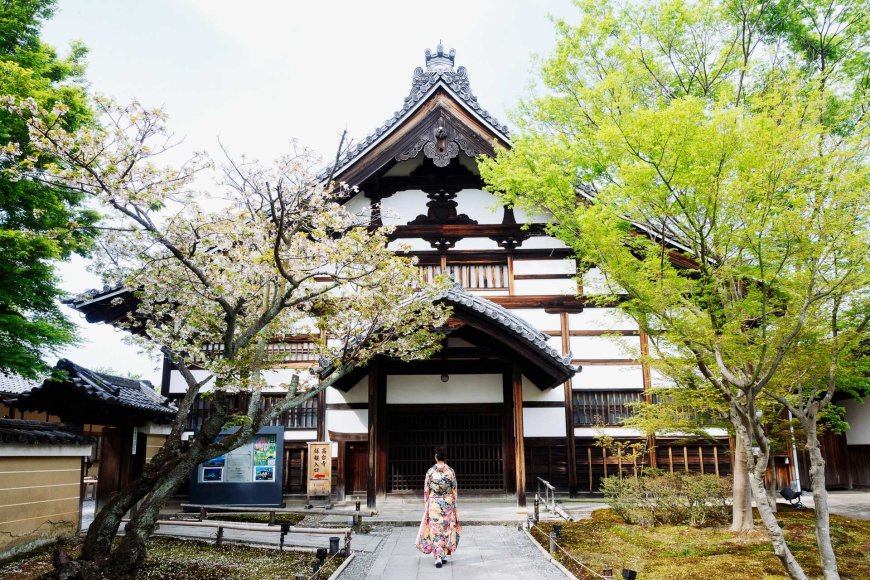
Shūbun no Hi is more than just a day off in Japan. It is a cultural and spiritual holiday that encourages reflection on balance, respect for ancestors, and gratitude for nature’s cycles. Whether through visiting graves, eating ohagi, or simply appreciating equal day and night, Japanese people use this day to find harmony within themselves and with the world around them.
As a bridge between tradition and modern life, 秋分の日 continues to remind Japan—and the world—that balance is the key to living meaningfully.
Nipino.com is committed to providing you with accurate and genuine content. Let us know your opinion by clicking HERE.