





























































Japanese Manners Every Foreigner Should Know
Japanese manners are rooted in respect, harmony, and awareness of others, shaping everyday behavior in subtle but important ways. Understanding these essential manners helps foreigners avoid common mistakes and build positive relationships in Japan.
Why Japanese Manners Matter
For foreigners arriving in Japan, one of the biggest adjustments is learning how to behave in everyday situations. Japanese society places great importance on manners—not just in formal settings, but in daily life.
Unlike some cultures where individuality is emphasized, Japan focuses on harmony and consideration for others. Understanding basic manners helps newcomers feel more comfortable and accepted while avoiding unintentional disrespect.
Want a smoother transition into Japanese life? Explore the Japan Starter Toolkit.
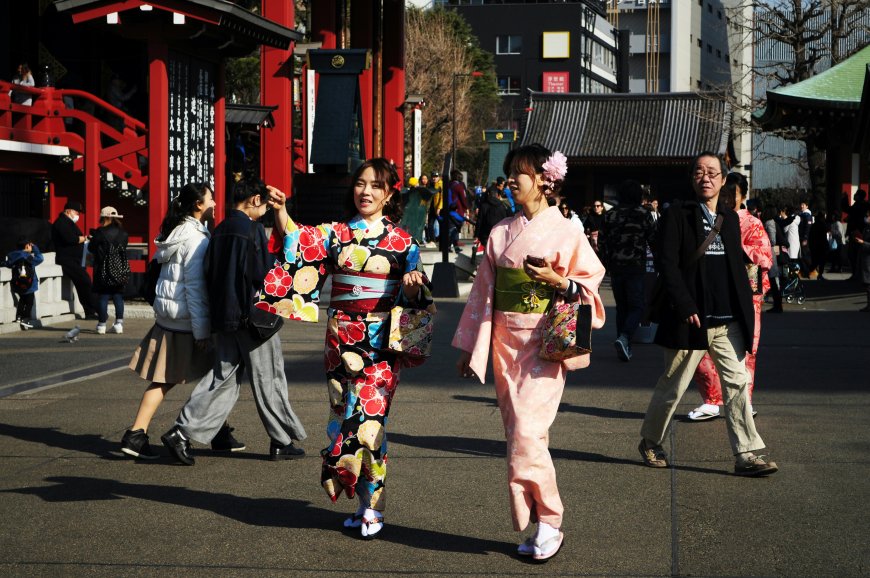
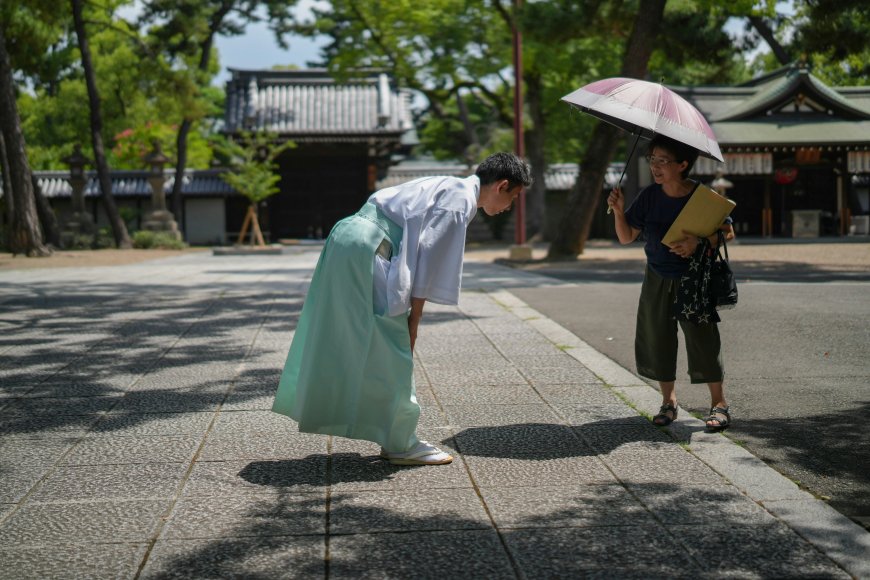
Greeting Properly: Respect Through Simple Actions
In Japan, greetings are more than just words—they include gestures and tone.
✔ Common Manners:
- Bow slightly when greeting
- Use polite language
- Maintain a calm and respectful tone
Even a small bow combined with phrases like "Arigatou gozaimasu" (Thank you) or "Sumimasen" (Excuse me) can make a strong positive impression.
Learn these essential phrases with Everyday Japanese for Beginners.
Speaking Politely: Choose Words Carefully
Language plays a major role in Japanese manners.
✔ Key Points:
- Use polite forms when speaking to strangers
- Avoid overly direct statements
- Speak in a calm and respectful tone
Japanese communication often values subtlety. Being too direct can come across as rude, even if unintentional.
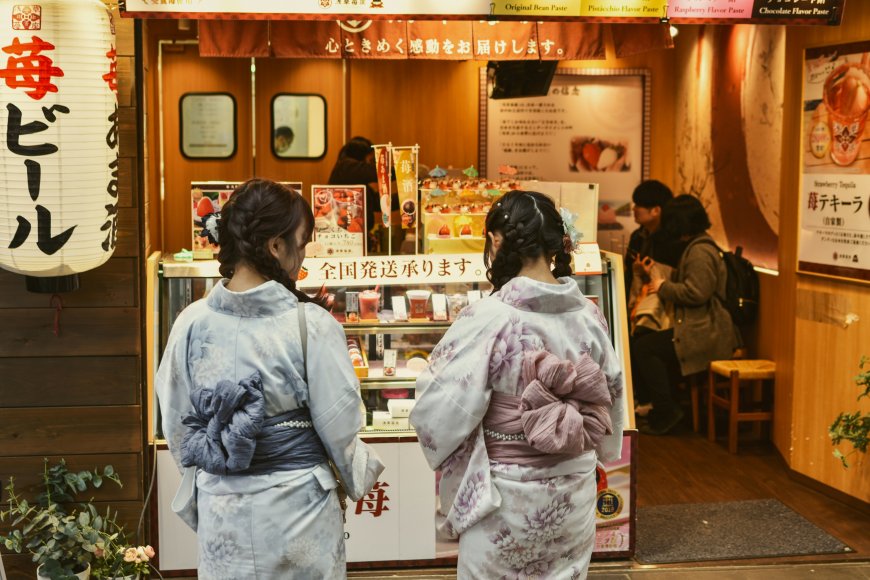
Public Behavior: Be Quiet and Considerate
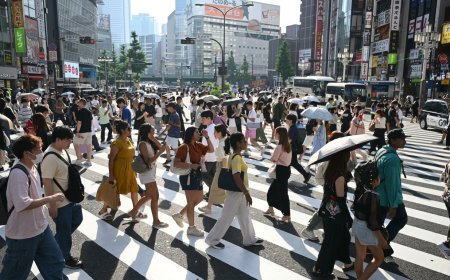
Public spaces in Japan are known for their quiet and orderly atmosphere.
✔ Expected Behavior:
- Keep your voice low
- Avoid phone calls on trains
- Be aware of your surroundings
❌ Avoid:
- Loud conversations
- Playing music without headphones
- Drawing unnecessary attention
Being mindful of others is one of the most important manners in Japan.
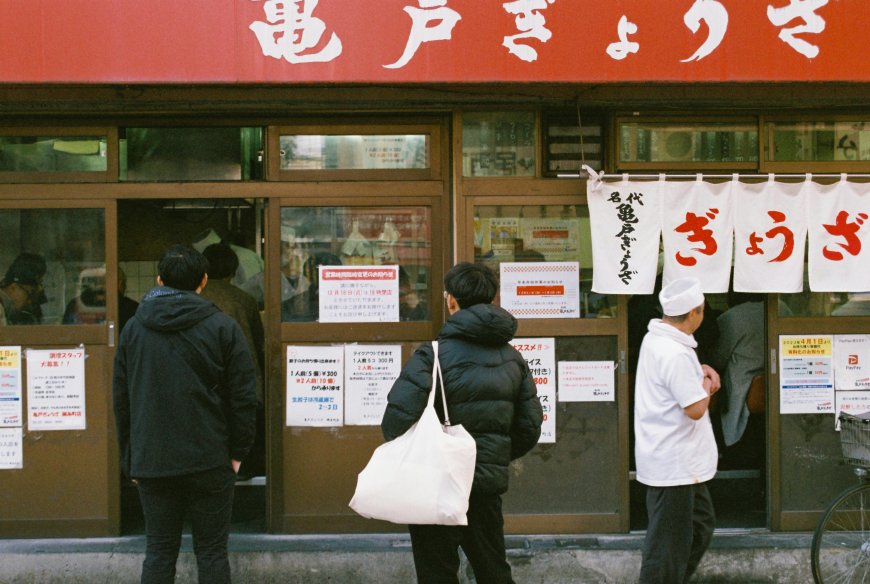
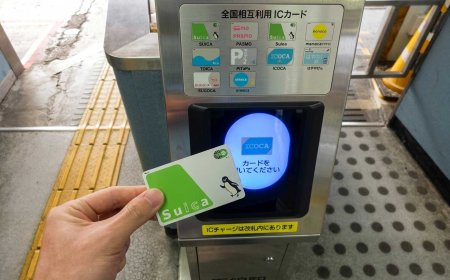
Train Etiquette: Respect Shared Spaces
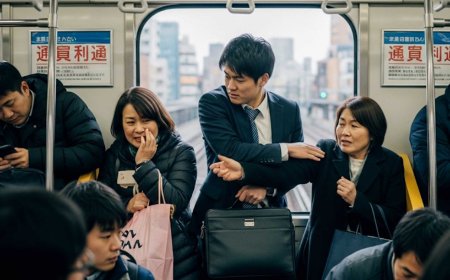
Japan's trains are efficient, but they rely on proper behavior from passengers.
✔ Do:
- Line up before boarding
- Let others exit first
- Give priority seats to those in need
❌ Don't:
- Eat on crowded commuter trains
- Block doors
- Talk loudly
Following these rules ensures a smooth experience for everyone.
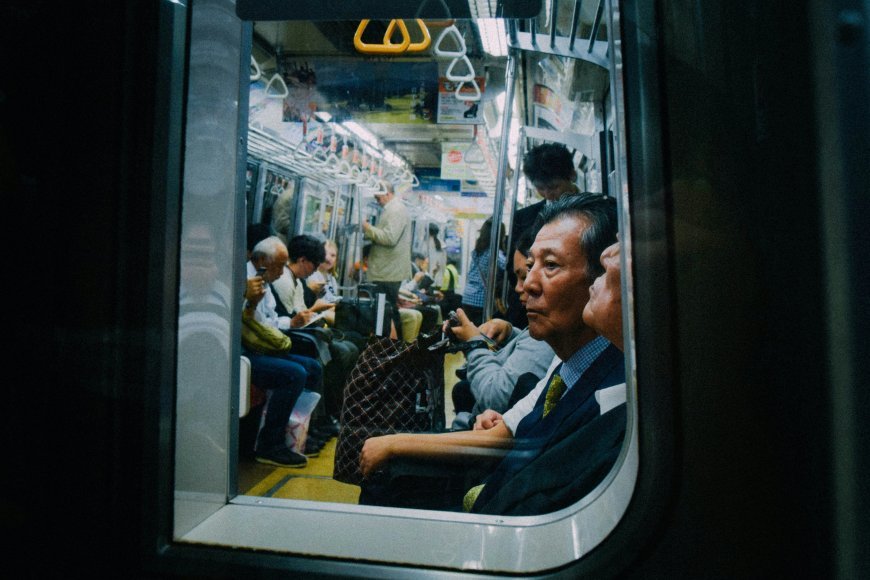
Shoes Off: Respect Indoor Spaces
Removing shoes before entering indoor areas is a common practice in Japan.
✔ Where to Remove Shoes:
- Homes
- Traditional restaurants
- Some schools and facilities
Indoor slippers are often provided. This custom reflects cleanliness and respect for shared spaces.
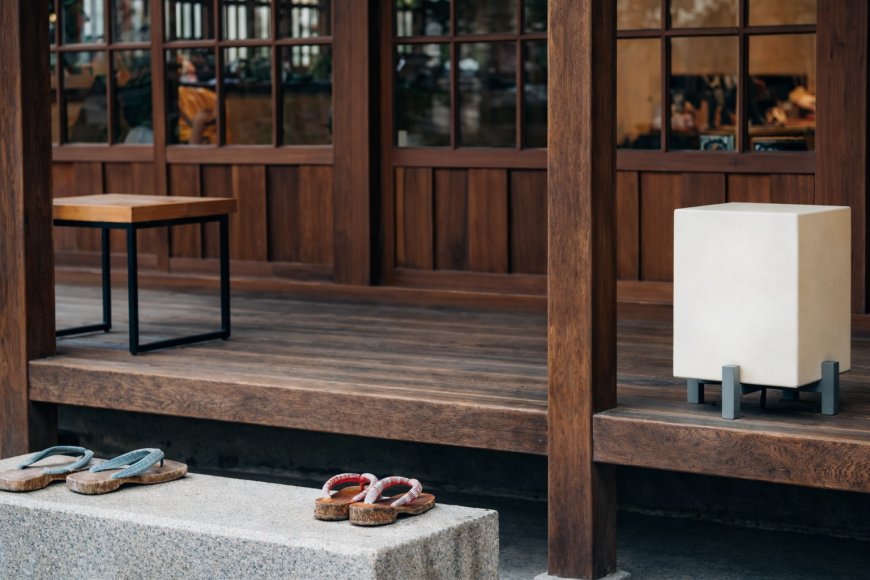
Dining Manners: Show Gratitude and Respect
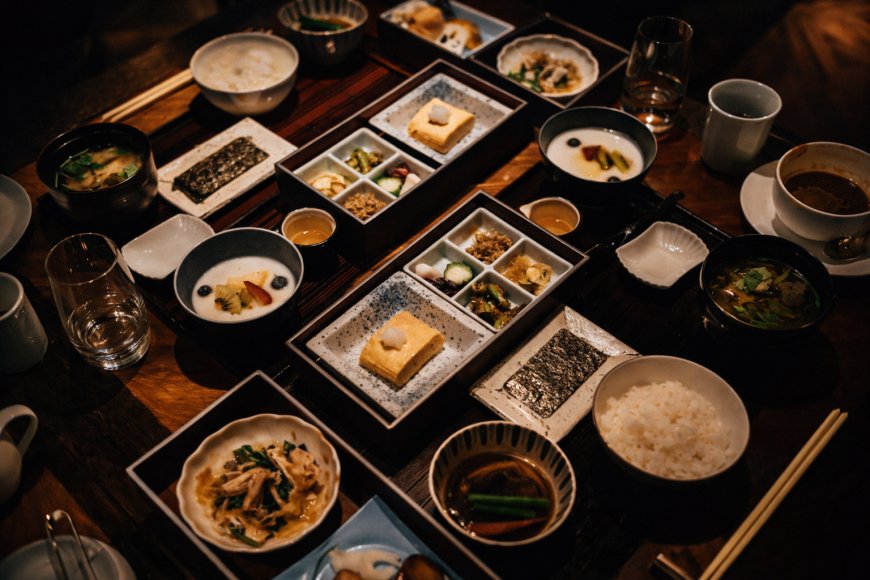
Dining etiquette in Japan includes several important customs.
✔ Do:
- Say "Itadakimasu" before eating
- Say "Gochisousama deshita" after eating
❌ Don't:
- Stick chopsticks upright in rice
- Pass food directly between chopsticks
- Point with chopsticks
These manners are deeply rooted in tradition and should be respected.
Learn useful dining phrases with Everyday Japanese for Beginners.
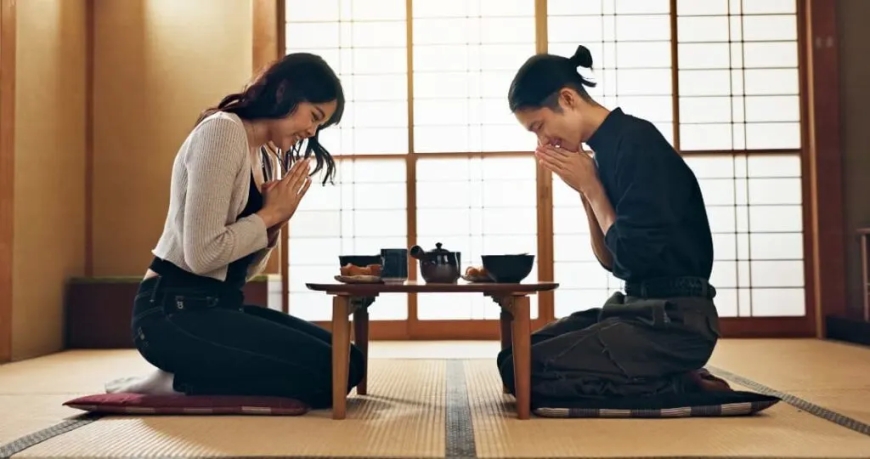
Cleanliness and Responsibility: Everyone Contributes
Japan's cleanliness is not accidental—it is maintained by everyone.
✔ Expected Habits:
- Sort trash properly
- Follow collection schedules
- Keep public spaces clean
❌ Avoid:
- Littering
- Ignoring waste separation rules
Even small actions contribute to the overall cleanliness of the environment.
Stay organized with the Japan Starter Toolkit.

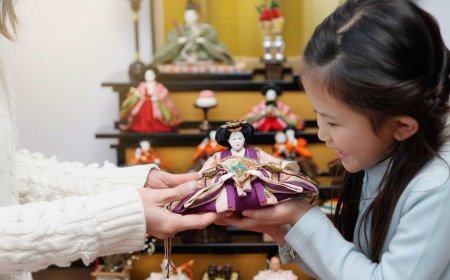
Gift-Giving Manners: Thoughtfulness Counts
Gift-giving is an important part of Japanese culture.
✔ Do:
- Bring souvenirs (omiyage) when visiting
- Wrap gifts neatly
- Offer gifts with both hands
❌ Don't:
- Give overly casual or poorly presented gifts
The effort and presentation are just as important as the gift itself.
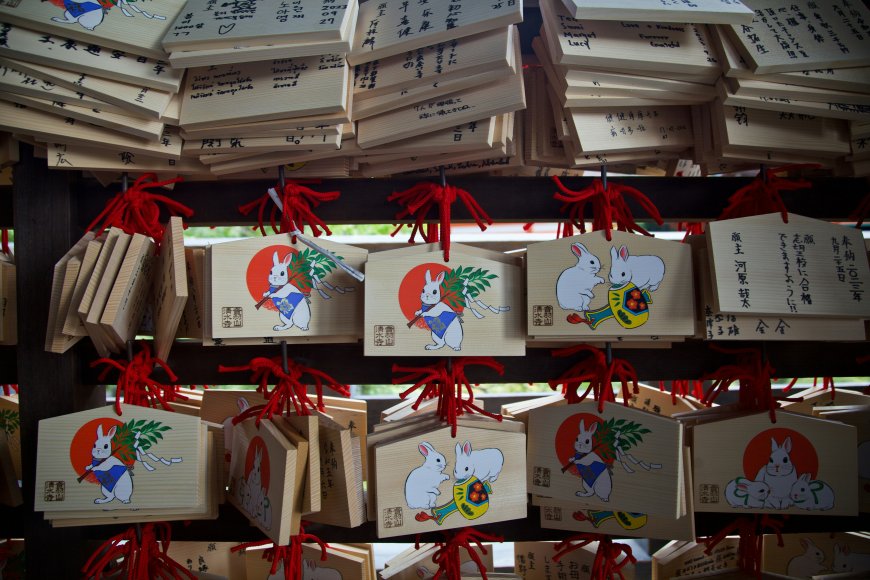
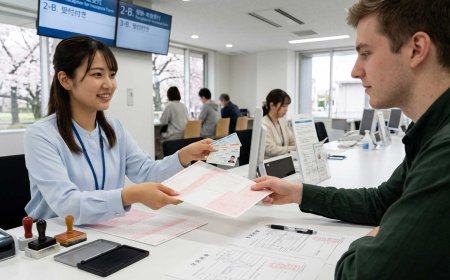
Workplace Manners: Professional Behavior Matters
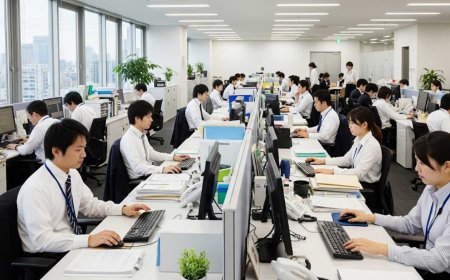
For foreigners working in Japan, workplace manners are essential.
✔ Key Expectations:
- Be punctual
- Respect hierarchy (senpai–kohai system)
- Communicate politely
Professional environments emphasize teamwork and harmony.

Common Manners Mistakes Foreigners Make
Many newcomers unintentionally make mistakes when adjusting to Japanese manners.
Common examples include:
- Speaking too loudly in public
- Being too direct in conversations
- Ignoring small rules
- Not observing others
The good news is that effort is appreciated, and most people are understanding.
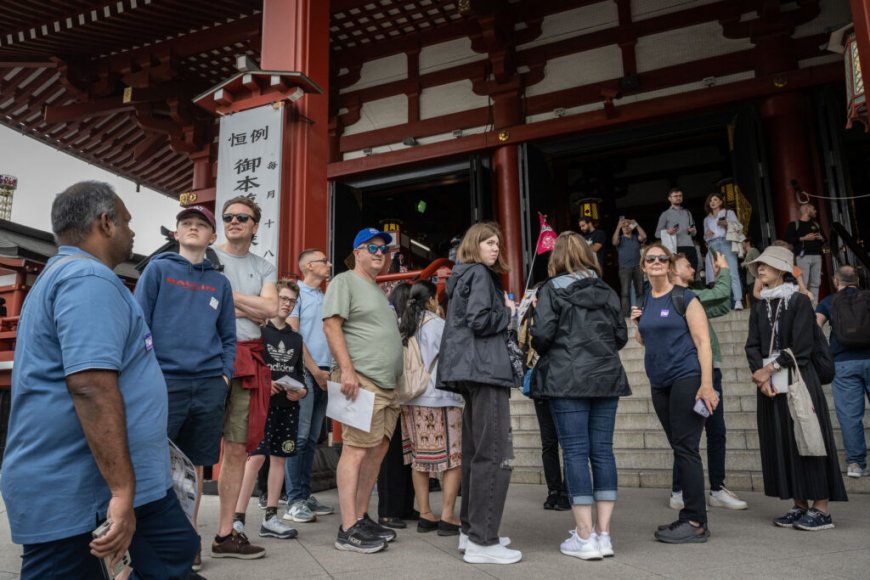
How to Adapt to Japanese Manners
Adapting to Japanese manners takes time, but it becomes easier with practice.
✔ Helpful Tips:
- Observe how locals behave
- Learn basic Japanese phrases
- Follow rules carefully
- Stay respectful and open-minded
Over time, these manners become part of daily routine.
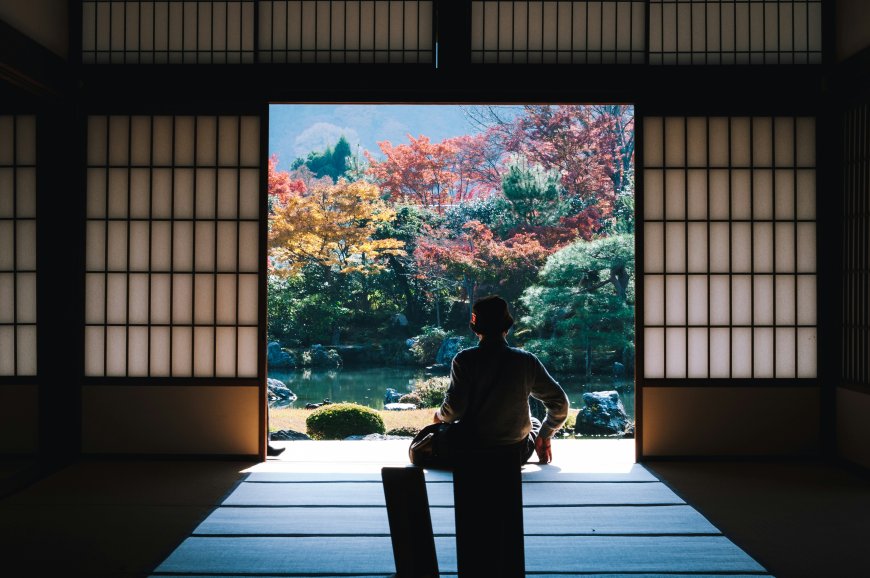
Respect Is the Key to Everything
Japanese manners may seem strict at first, but they are based on simple principles: respect, harmony, and consideration for others.
For foreigners, understanding these manners is one of the most important steps toward building a successful and enjoyable life in Japan.
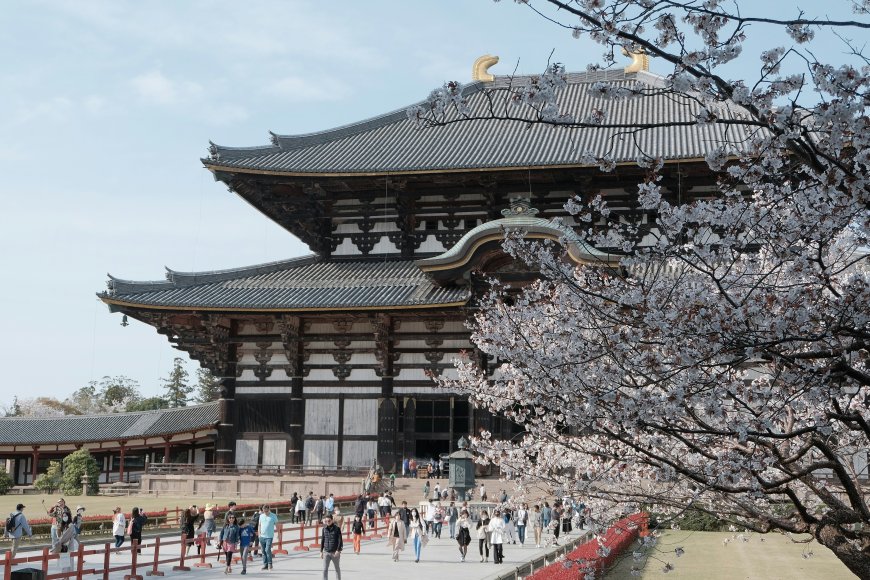
Start Your Japan Journey with Confidence
Get everything you need to settle smoothly with the Japan Starter Toolkit.
Learn how to communicate naturally in daily life with Everyday Japanese for Beginners.
Prepare Smarter, Live Better in Japan (FREE Download)
Download the First 7 Days in Japan Checklist (FREE)
Don’t guess what to do — follow a proven plan.
Download your FREE “First 7 Days in Japan Checklist” PDF now:
✔ Instant download
✔ Mobile-friendly
✔ Printable
Want the COMPLETE Version? (Premium Upgrade)
If you want a deeper, more powerful guide, there’s also a premium version available on Gumroad.
Nipino.com is committed to providing you with accurate and genuine content. Let us know your opinion by clicking HERE.