
























































































Tama-ko: The Heroic Shiba Inu of Japan’s Snow Country
Tama-ko, a brave female Shiba Inu from the snow-covered region of Niigata, Japan, is remembered for saving her owner from deadly avalanches not once, but twice in the 1930s. Her story stands as a powerful testament to the deep bond between humans and dogs, and a uniquely Japanese tale of loyalty, instinct, and survival in harsh winter landscapes.

A Snow Country Legend
In the serene, snow-laden mountains of Kawauchi-mura, Nakakambara-gun—now part of Muramatsu district in Gosen City, Niigata Prefecture—a small Shiba Inu named Tama-ko became an unlikely hero. She was owned by Kichitaro Karita, a seasoned local hunter who relied on her not just for companionship, but for survival in the treacherous winter wilderness of Japan’s “snow country” (雪国, yukiguni).
Unlike city dogs or house pets, hunting dogs in these regions are trained to be resilient, agile, and responsive to nature’s often cruel cues. Tama-ko was all of these and more. But it wasn’t just her skill—it was her heart—that made her a legend.

Avalanche Survival: Not Once, But Twice
In 1934, tragedy nearly struck when Kichitaro was caught in a sudden avalanche during one of his winter hunting trips. These natural disasters are not uncommon in Niigata’s mountainous areas, where snow can pile meters high and collapse without warning. As snow buried the hunter, Tama-ko is said to have barked fiercely, dug persistently through the thick snow, and eventually helped alert nearby villagers who came to rescue Kichitaro in time.
Two years later, in 1936, a similar incident occurred—an unthinkable repeat. Again, Tama-ko responded without hesitation, braving the cold and danger to save her master. Surviving even one avalanche is considered miraculous, but being saved twice by the same loyal companion is a story that transcends folklore.
The Bond Between Hunter and Dog
Tama-ko’s tale is a moving example of mutual dependence between man and animal in Japan’s rural communities, especially in pre-war times when technology and rescue services were nearly nonexistent in remote areas. Hunting dogs were more than tools—they were family.
In Shinto and traditional Japanese belief, animals are often seen as possessing a spiritual awareness or protective role, especially dogs who have long symbolized loyalty and bravery. Tama-ko came to embody both, earning a place in local memory as a symbol of the resilience and heart of Japan’s countryside.

Why Her Story Matters Today
In an era of rapid urbanization and high-tech living, Tama-ko’s story reminds us of a slower, harsher time when life and death often balanced on the instincts of a faithful animal. It's also a poignant tale in Japan’s snowbelt region, where winters remain challenging and the relationship with nature still commands respect.
The legacy of Tama-ko reflects not just a remarkable series of events, but also a deeper cultural narrative about endurance, trust, and the quiet heroism found in everyday lives.

Commemorating Tama-ko
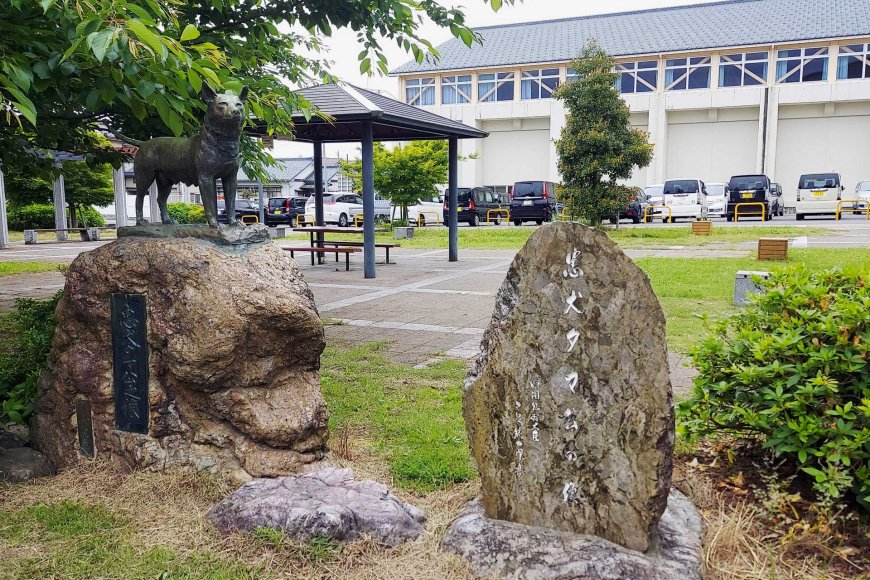
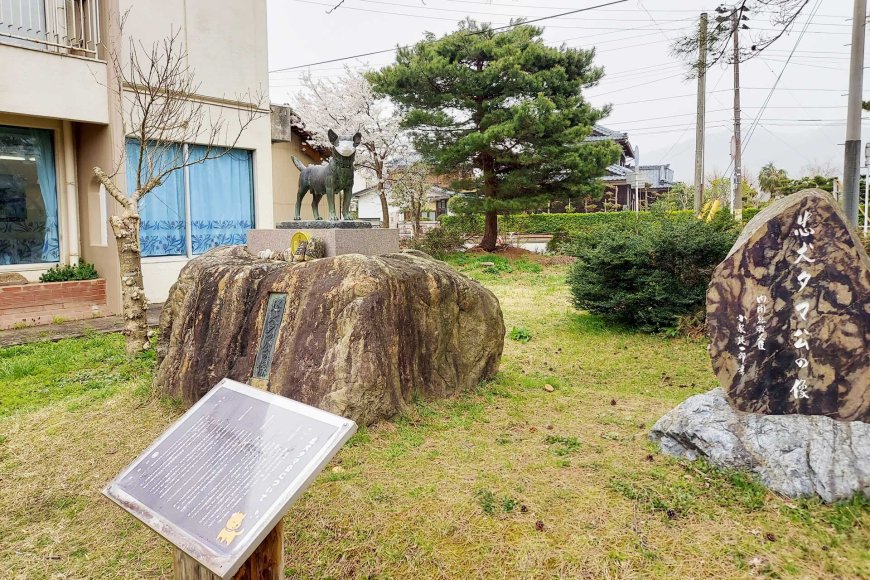
While Tama-ko may not have a statue like Hachikō, she remains one of Japan’s unsung canine heroes. Her story is still told in local folklore around Gosen-shi and passed down in the memories of elders in Niigata. There have been small efforts to preserve such local histories, including oral storytelling, school projects, and regional museum exhibits.
A Tale Carved in Snow
Tama-ko’s bravery is not simply a dog story—it is a story of place, of peril, and of a bond tested under life-threatening conditions. In the white silence of Niigata’s snowfields, one Shiba Inu barked against death—and won.
Nipino.com is committed to providing you with accurate and genuine content. Let us know your opinion by clicking HERE.