



























Bonenkai: The Year-End Tradition of Letting Go and Starting Fresh
Bonenkai is a Japanese year-end gathering where people come together to reflect on the hardships of the past year and symbolically leave them behind. More than just a party, it represents renewal, gratitude, and the collective desire to begin the new year with a lighter heart.
A Party with a Deeper Meaning
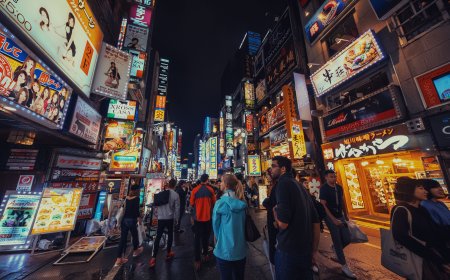
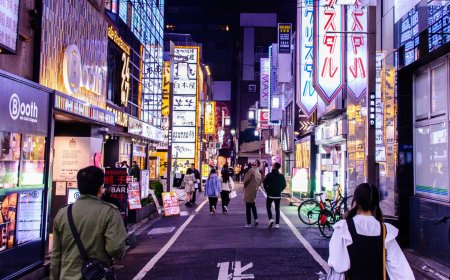
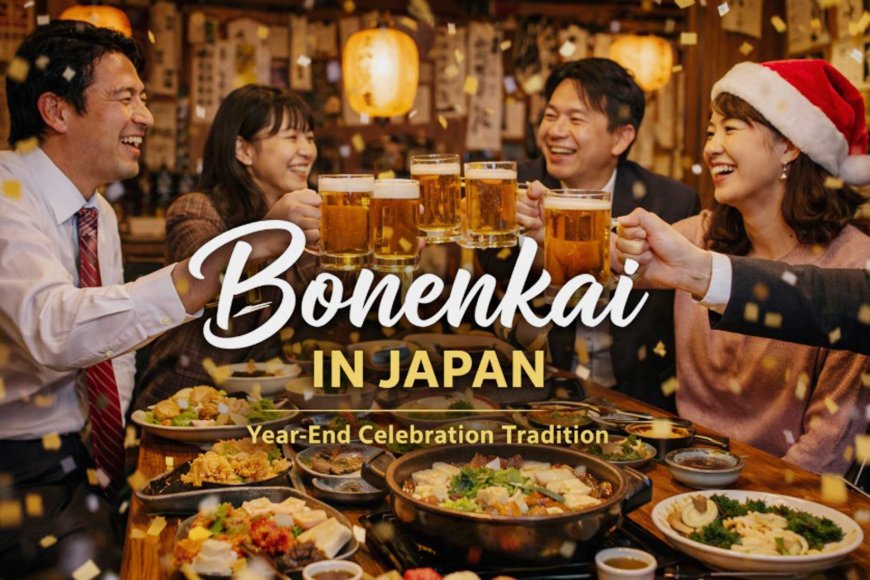
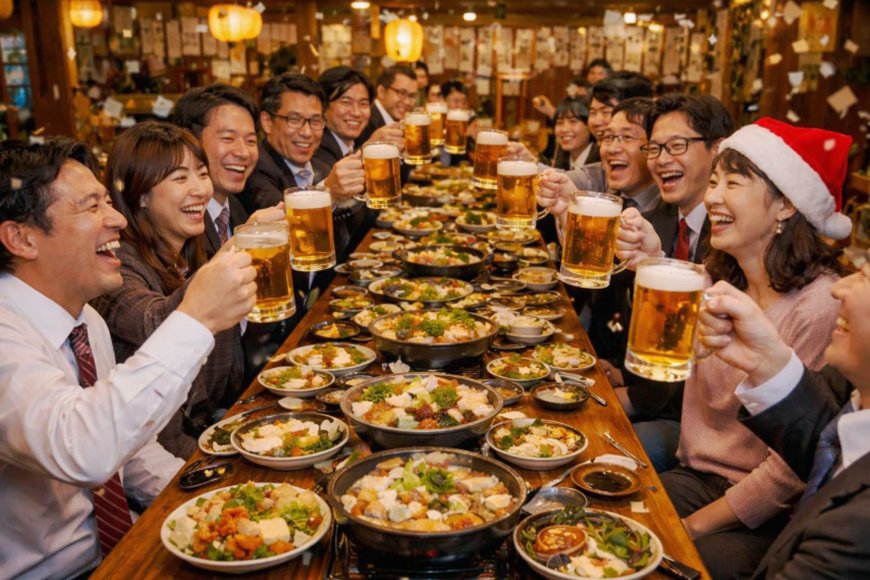
As December approaches in Japan, restaurants, izakaya, and banquet halls fill with lively voices, laughter, and raised glasses. These gatherings are known as Bonenkai, a traditional year-end event that plays a significant role in Japanese social and work culture. While it may look like a simple drinking party on the surface, Bonenkai carries a deeper emotional and cultural meaning.
Bonenkai is a time when coworkers, friends, and communities come together to acknowledge the challenges of the year, release lingering stress, and symbolically prepare themselves for a fresh start. It reflects Japan’s collective mindset—valuing harmony, reflection, and renewal as one year ends and another begins.
What Does Bonenkai Mean?
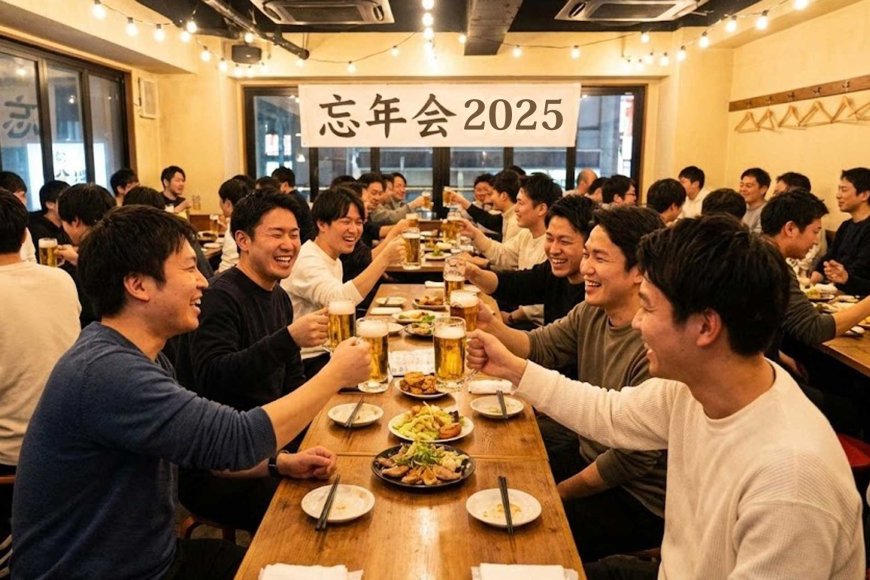
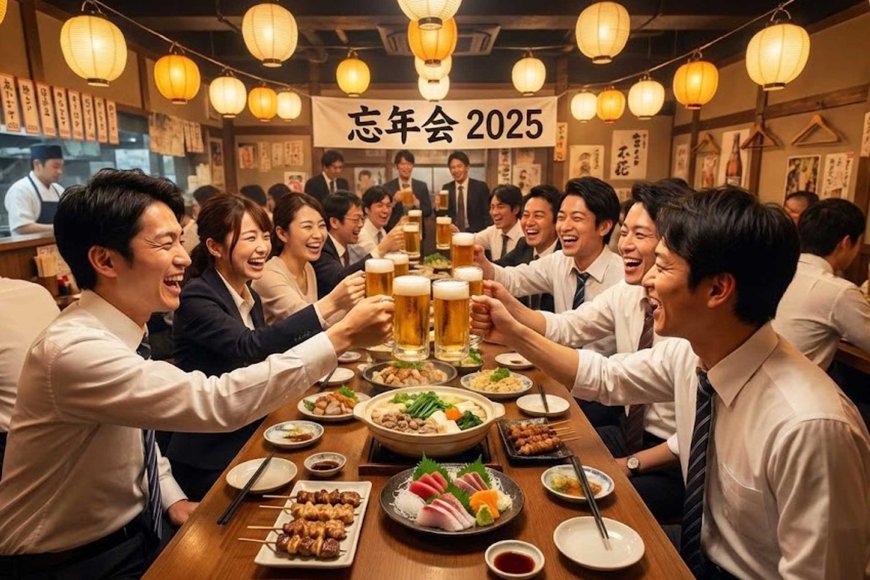
The word Bonenkai is written in Japanese as 忘年会, which literally translates to “forget-the-year gathering.” The term is composed of three characters: wasureru (to forget), nen (year), and kai (meeting). Together, they express the idea of forgetting the troubles, failures, and stress of the past year through communal celebration.
Rather than dwelling on regrets, Bonenkai encourages people to acknowledge difficulties openly, laugh about them, and move forward. This philosophy aligns closely with Japanese values of emotional balance and resilience.
The History Behind Bonenkai
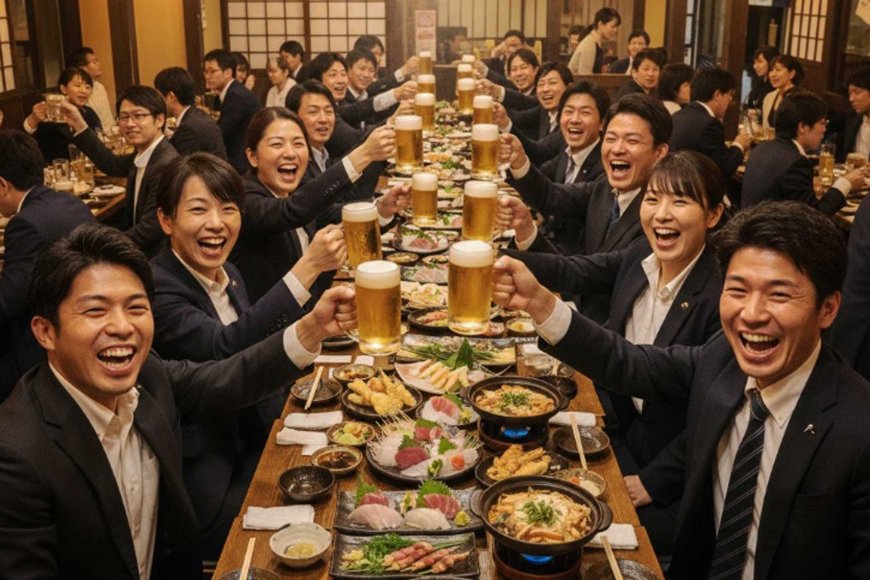
Bonenkai is believed to have originated during the Muromachi period (1336–1573), when aristocrats and samurai held gatherings at the end of the year to reflect on hardships and pray for better fortune. Over time, the tradition spread to common people and eventually evolved into the modern Bonenkai seen today.
During Japan’s rapid industrialization, Bonenkai became closely associated with company culture. As work environments grew more structured and hierarchical, Bonenkai offered a rare opportunity for open communication between employees and management in a relaxed setting.
Bonenkai in Modern Japanese Society
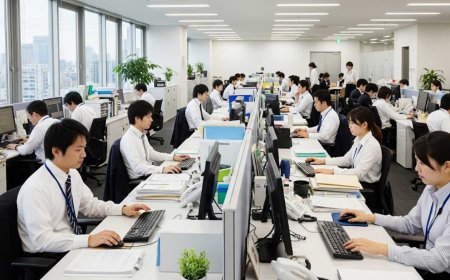
Today, Bonenkai is common in workplaces, schools, clubs, and even among families. Companies often organize official Bonenkai events, sometimes reserving entire restaurants. Attendance is usually encouraged, as these gatherings help strengthen teamwork and relationships outside the formal office environment.
Unlike regular drinking parties, Bonenkai carries an unspoken permission to be more honest. Employees may speak more freely, joke with superiors, and express feelings that would normally remain unspoken. This temporary loosening of social boundaries reinforces group unity.
Food, Drinks, and Atmosphere
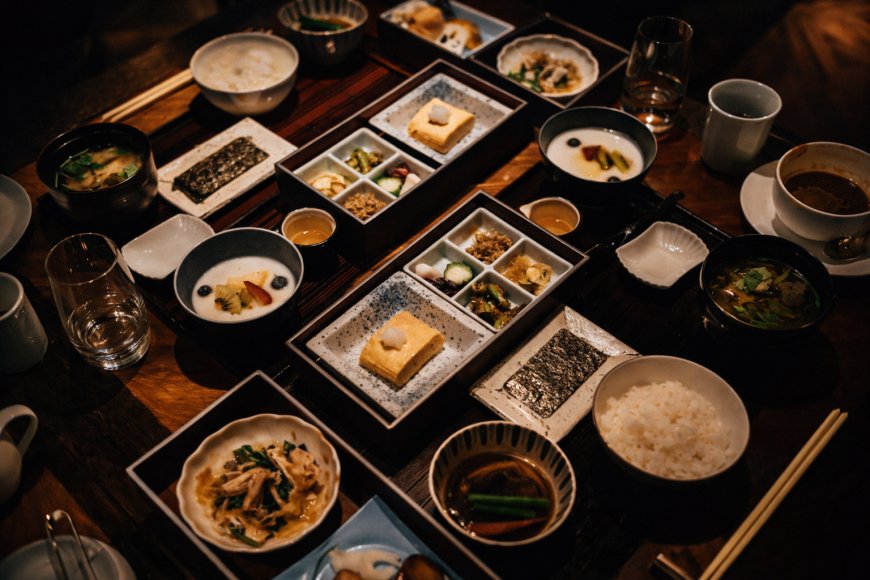
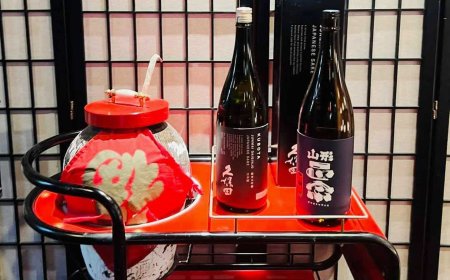
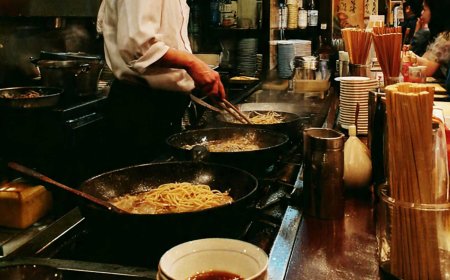
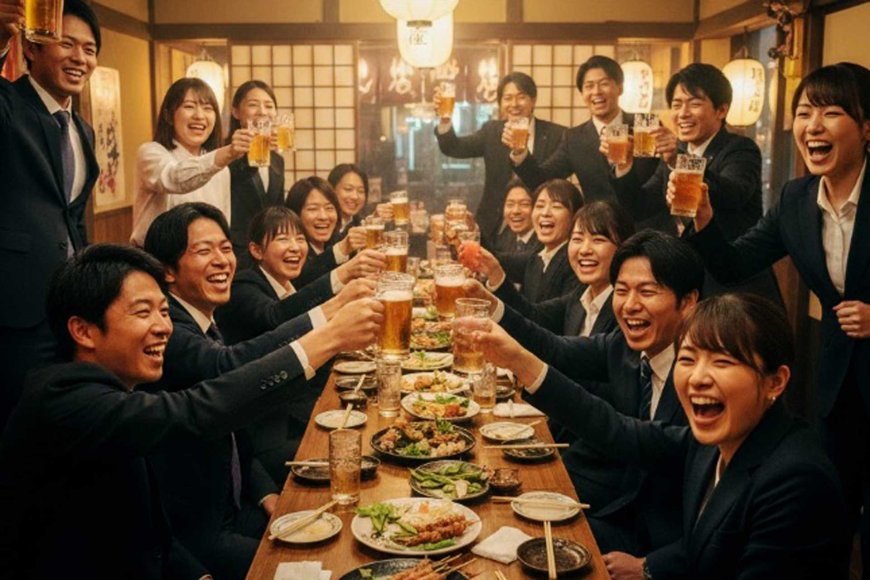
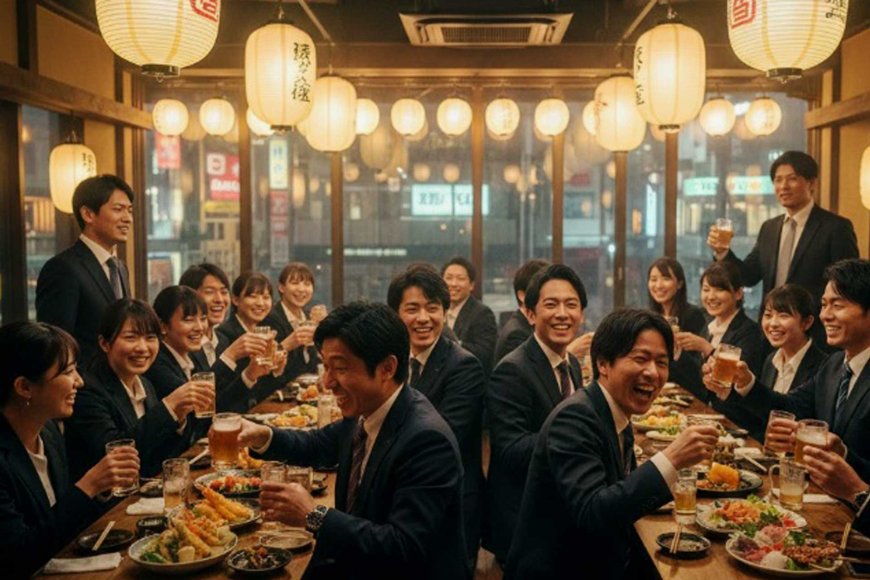
Bonenkai celebrations typically take place at izakaya, where shared dishes and drinks are served. Popular foods include nabe (hot pot), sashimi, karaage (fried chicken), and seasonal dishes meant to provide warmth during winter. Alcohol, especially beer, sake, and highballs, plays a central role, symbolizing the act of “washing away” the year’s troubles.
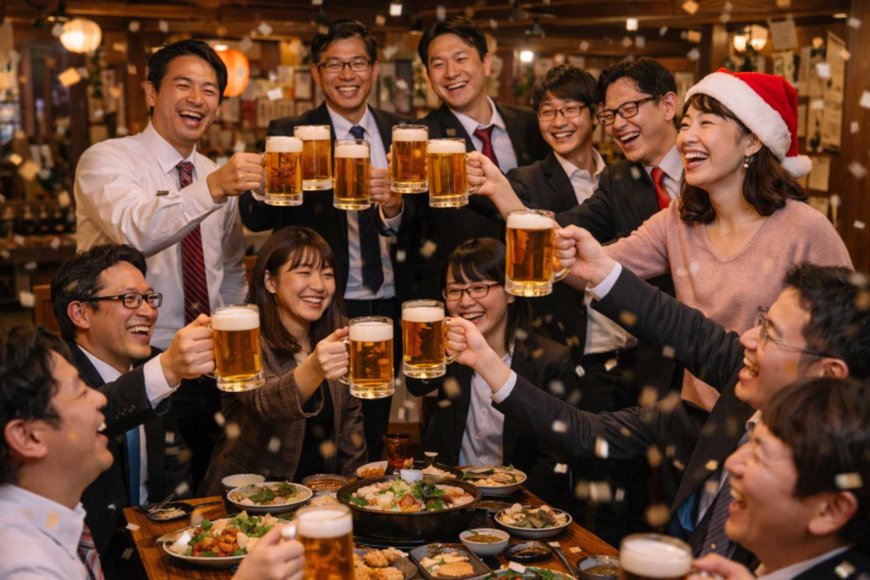
The atmosphere is festive yet reflective. Toasts are made, speeches are given, and laughter fills the room—but beneath it all is a shared understanding that this is a moment of closure.
Bonenkai vs. Shinnenkai
Bonenkai is often compared to Shinnenkai, or New Year’s parties. While Bonenkai focuses on letting go of the past year, Shinnenkai celebrates new beginnings and future goals. Together, they form a symbolic bridge between reflection and hope, reinforcing Japan’s cyclical view of time.
Why Bonenkai Matters Culturally
Bonenkai highlights key aspects of Japanese culture: collective healing, emotional restraint balanced with release, and the importance of shared experiences. It shows how Japan values not just productivity, but also emotional well-being through structured social rituals.
For foreigners living in Japan, participating in a Bonenkai can offer deep insight into Japanese social dynamics. It is a moment where formality softens, and genuine human connection takes center stage.
More Than Just a Party
Bonenkai is more than an excuse to drink—it is a cultural ritual rooted in reflection, forgiveness, and renewal. By gathering together to “forget the year,” people reaffirm their bonds and step into the new year with clarity and optimism.
In a society that values harmony and endurance, Bonenkai serves as a gentle reminder that it is okay to pause, reflect, and let go before moving forward.
Nipino.com is committed to providing you with accurate and genuine content. Let us know your opinion by clicking HERE.