


































































Step-by-Step Guide to Applying for Jobs in Japan
Applying for jobs in Japan as a foreigner becomes much easier when you understand the correct process: checking your visa eligibility, preparing Japanese-style documents, choosing the right job sites, and practicing for interviews. This guide walks you through each step clearly so you can apply with more confidence and avoid common mistakes that delay many foreign job seekers.

Applying for Jobs in Japan
Applying for jobs in Japan can feel confusing at first, especially if you are a foreigner. The rules, documents, interviews, visa conditions, and workplace expectations may be very different from what you are used to. But once you understand the process, job hunting in Japan becomes less like walking through fog and more like following a map.
Japan continues to rely more on foreign workers because of labor shortages and an aging population. As of October 2025, Japan had a record 2.57 million foreign workers, up 11.7% from the previous year. That was the 13th straight year Japan recorded a new high in foreign workers.
Japan’s job market also remains tight. The job openings-to-applicants ratio was around 1.18 in early 2026, meaning there were more job openings than job seekers overall. But this does not mean every foreigner can easily get any job. Your visa status, Japanese language ability, experience, and industry still matter.
Best Websites to Find Jobs in Japan for Foreigners

Step 1: Check Your Visa Status First
Before you apply for jobs in Japan, check whether your current status of residence allows you to work. This is the first step because even if a company likes you, they may not be able to hire you if your visa does not match the job.
For example, a student visa does not automatically allow full-time work. Students usually need permission to engage in activities outside their visa status, and even then, working hours are limited. A spouse visa, permanent resident visa, or long-term resident visa may give more flexibility. A work visa, on the other hand, is usually tied to a certain type of job.
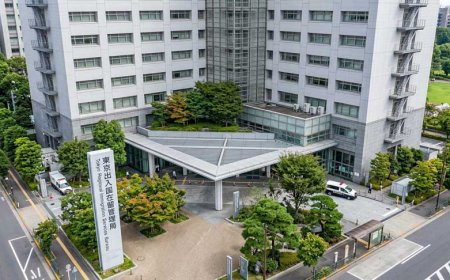
Japan does not simply give one general “work visa.” There are different statuses of residence depending on the job type. The Tokyo Employment Service Center for Foreigners explains that foreign nationals need to understand whether they are permitted to work and what kind of work they can do under their residence status.
If you are currently a student and want to work in Japan after graduation, you may need to apply for a change of status of residence. The University of Tokyo notes that changing to an appropriate working status can usually take 1 to 3 months, so you should prepare early.
Step 2: Choose Jobs That Match Your Skills and Visa
Do not apply to every job you see. That is one of the fastest ways to waste time. Instead, choose jobs that match your skill level, Japanese level, experience, and visa possibilities.
If you are good at programming, look at IT jobs. If you have nursing or caregiving experience, check caregiving-related roles. If you speak English well, teaching or international customer support may be possible. If you have hospitality experience, hotels and tourism-related companies may be worth exploring.
The best job for you is not always the highest-paying one. It is the job where your skills, documents, visa, and communication ability match what the employer needs.
| Applicant Type | Good Job Targets | Japanese Level Usually Needed |
|---|---|---|
| Beginner Japanese speaker | English teaching, some IT jobs, international companies | Low to intermediate |
| Conversational Japanese speaker | Hospitality, factory, restaurant, support work | Intermediate |
| JLPT N2 or higher | Office jobs, sales, HR, translation, customer-facing roles | Upper intermediate to advanced |
| Skilled technical worker | IT, engineering, design, specialized roles | Varies by company |
| SSW applicant | Caregiving, food service, construction, agriculture, etc. | Usually required |

Step 3: Prepare the Right Documents
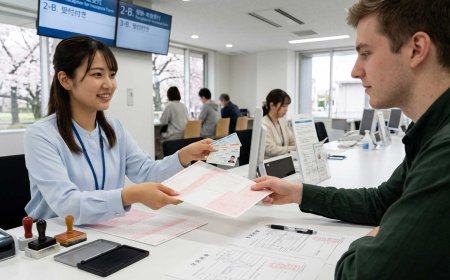
Japanese job applications often require more than a simple resume. You may need three types of documents.
The first is your resume. This can be an English-style resume, especially if you are applying to international companies or tech companies. Keep it clean, direct, and focused on results.
The second is a 履歴書 (rirekisho), the traditional Japanese resume. This usually includes your personal details, education, work history, qualifications, reason for applying, and sometimes a photo.
The third is a 職務経歴書 (shokumukeirekisho). This is a more detailed work history document. It explains your previous jobs, responsibilities, achievements, tools used, projects completed, and professional strengths.
If you work in a creative or technical field, prepare a portfolio. For example, web developers should show websites or GitHub projects. Designers should show sample designs. Video editors should show edited videos. Teachers can prepare lesson samples or teaching materials.

Step 4: Search on the Right Job Platforms
Once your documents are ready, start searching. Use a mix of foreigner-friendly websites, Japanese job boards, recruiters, and government services.
For English-friendly job listings, platforms like GaijinPot Jobs, Jobs in Japan, Daijob, LinkedIn, Japan Dev, TokyoDev, and YOLO JAPAN are useful depending on your industry. For local support, Hello Work is also important. Hello Work is Japan’s public employment service, and Public Employment Security Offices provide job counseling, vacancy information, and placement services for foreign nationals with residence statuses that allow them to work.
Tokyo’s official foreign employment service lists the Tokyo Employment Service Center for Foreigners and the Shinjuku Foreigners’ Employment Assistance and Guidance Center, which support foreign job seekers.
You can also search directly on company websites. This is useful if you already know the companies you want to work for. Some companies post jobs on their own recruitment pages before listing them elsewhere.
Step 5: Read the Job Post Carefully
Before applying, read the job post slowly. Look for important details such as salary, location, working hours, contract type, Japanese level, required experience, and visa support.
Many foreign job seekers skip this step and apply too quickly. That can lead to disappointment later. For example, a job may look attractive, but the company may require native-level Japanese. Another job may welcome foreigners but not offer visa sponsorship. Another may be part-time only, which may not fit your visa or income needs.
Pay attention to these phrases:
| Job Post Phrase | Meaning |
|---|---|
| Visa sponsorship available | Company may support your work visa |
| Business Japanese required | You need strong workplace Japanese |
| Conversational Japanese OK | Daily communication may be enough |
| No Japanese required | Often international or English-based workplace |
| Must currently reside in Japan | Overseas applicants may not be accepted |
| 未経験歓迎 | No experience welcome |
| 外国人歓迎 | Foreign applicants welcome |

Step 6: Customize Every Application
Do not send the same application to every company. Japanese employers often care about your reason for applying. They want to know why you chose their company, not just why you need a job.
Your application should answer three simple questions:
- Why are you interested in this company?
- What skills or experience can you offer?
- Why are you a good fit for this role?
Keep your writing polite and specific. If you are applying for a hotel job, mention your customer service experience, language skills, and interest in helping international guests. If you are applying for an IT job, mention your technical stack, projects, and ability to solve real problems.
A good application feels like a key made for one lock. A weak application feels like a key you are trying to force into every door.
Step 7: Prepare for the Interview
If you receive an interview invitation, prepare seriously. Japanese interviews are often structured and polite. You may be asked about your self-introduction, reason for applying, strengths, weaknesses, work history, Japanese level, expected salary, and long-term plans in Japan.
Practice your self-introduction first. Keep it short, clear, and confident. Mention your name, background, experience, and why you are interested in the role.
You should also prepare for questions like:
- Why do you want to work in Japan?
- Why did you apply to our company?
- What are your strengths?
- What challenges have you faced at work?
- How long do you plan to stay in Japan?
- Can you work in a Japanese-speaking environment?
- Do you need visa support?
Business manners matter. Be on time, dress properly, speak politely, and prepare questions for the interviewer. Even online interviews should be treated seriously. Check your camera, microphone, lighting, and internet connection before the interview.
Step 8: Review the Job Offer Carefully
If you pass the interview and receive an offer, do not say yes immediately without checking the details. Review the salary, working hours, overtime rules, holidays, benefits, contract period, job duties, probation period, and visa support.
Foreign workers should be especially careful about unclear contracts. The job duties should match your visa category. If the company asks you to do work outside your permitted status, that can create problems for you.
Also check the real monthly take-home pay. Your gross salary is not the amount you bring home. Taxes, health insurance, pension, employment insurance, and other deductions may reduce your monthly income. This is why it helps to compare the offer with the cost of living in Japan before accepting.

Step 9: Keep Records of Everything
Keep copies of your job posts, emails, contract documents, visa documents, and payslips. This protects you if problems happen later. Japan has labor laws, and foreign workers have rights, but you need records if you ever need to explain your situation.
The Tokyo Employment Service Center also provides information for foreigners about labor-related laws, resigning from a company, insurance systems, and useful resources.
Your Next Application Can Be Better Than Your Last One
Applying for jobs in Japan is not only about sending resumes. It is about preparation, timing, documents, communication, and trust. When you check your visa first, choose realistic jobs, prepare proper documents, and apply carefully, you already move ahead of many applicants who rush the process.
Japan needs foreign workers, but companies still want people who are reliable, respectful, and ready to work within the rules. Treat every application as a serious opportunity, not a random click. Your next job in Japan may not come from luck. It may come from doing the small steps properly, one by one.
For more practical Japan living guides, explore related resources like the Living in Japan, Japan Starter Toolkit, and Everyday Japanese for Beginners.
Prepare Smarter, Live Better in Japan (FREE Download)
Download the First 7 Days in Japan Checklist (FREE)
Don’t guess what to do — follow a proven plan.
Download your FREE “First 7 Days in Japan Checklist” PDF now:
✔ Instant download
✔ Mobile-friendly
✔ Printable
Want the COMPLETE Version? (Premium Upgrade)
If you want a deeper, more powerful guide, there’s also a premium version available on Gumroad.
Nipino.com is committed to providing you with accurate and genuine content. Let us know your opinion by clicking HERE.