












































Hina Matsuri in Japan: Meaning, Traditions, Dolls & Modern Celebrations (2026 Guide)
Hina Matsuri, also known as Girls’ Day or Doll Festival, is celebrated every March 3 in Japan to wish young girls health, happiness, and prosperity. Through beautifully arranged dolls, traditional foods, and family gatherings, this centuries-old tradition continues to shape Japanese cultural identity today.
What is Hina Matsuri?
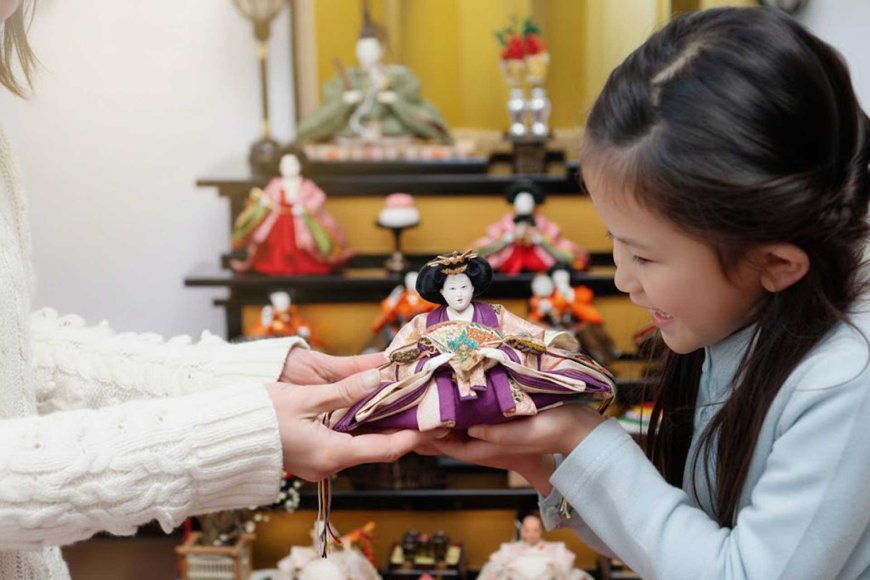
Hina Matsuri (雛祭り), also known as Girls’ Day or Doll Festival, is a traditional Japanese celebration held every March 3. It is a special day dedicated to praying for the health, happiness, and future success of young girls.
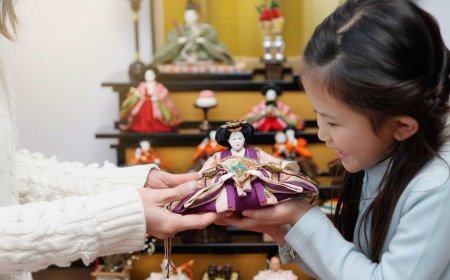
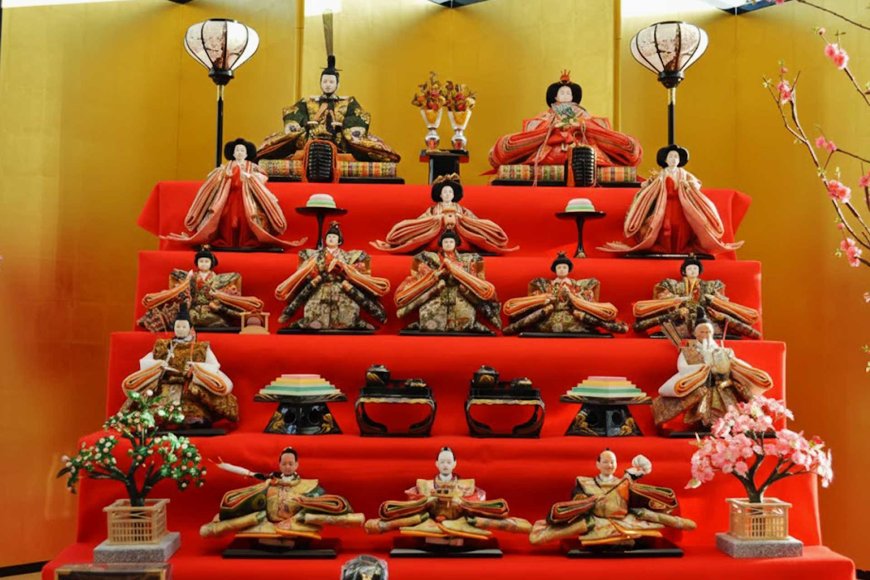
Families with daughters display ornamental dolls called hina ningyō (雛人形) on a multi-tiered platform covered with red cloth. The dolls represent the Emperor, Empress, court attendants, and musicians of the Heian period (794–1185). The display reflects elegance, refinement, and Japan’s deep respect for history and family tradition.
The Historical Origins of the Doll Festival
The roots of Hina Matsuri trace back over 1,000 years to the Heian period. Originally, a purification ritual called hina-nagashi (雛流し) involved placing paper dolls in rivers to carry away bad luck and misfortune.
Over time, this practice evolved into displaying elaborate dolls inside homes instead of sending them away. By the Edo period (1603–1868), the custom had become widely popular among samurai and merchant families. Today, it remains a meaningful annual tradition observed across Japan.
The Meaning Behind the Hina Doll Display
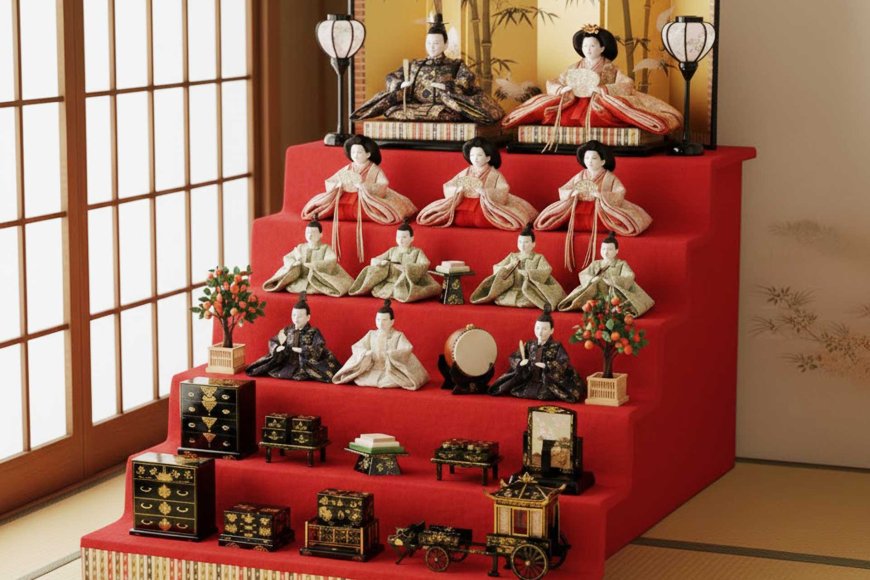
A traditional hina doll display usually has five to seven tiers:
- Top Tier: The Emperor (Odairi-sama) and Empress (Ohina-sama)
- Second Tier: Three court ladies
- Third Tier: Five musicians
- Lower Tiers: Ministers, guards, furniture, and miniature palace items
Each piece symbolizes harmony, protection, and good fortune. The red cloth used in the display represents warding off evil spirits.
Interestingly, there is a common belief that hina dolls should be put away immediately after March 3. According to folklore, leaving them displayed too long may delay a daughter’s marriage — though this is more tradition than superstition today.
Traditional Foods of Hina Matsuri
Food plays a central role in the celebration. Some traditional dishes include:
- Chirashi-zushi (ちらし寿司): Colorful scattered sushi symbolizing prosperity
- Hishimochi (菱餅): Diamond-shaped rice cakes in pink, white, and green
- Hina-arare (ひなあられ): Sweet rice crackers
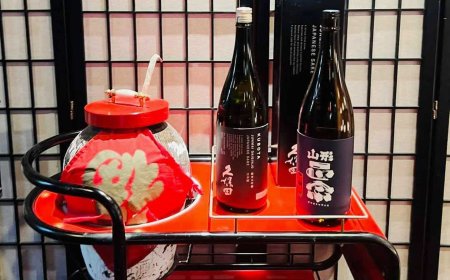
- Shirozake (白酒): Sweet rice wine (non-alcoholic versions for children)
The colors of the food often reflect spring — pink for peach blossoms, white for purity, and green for growth.
Hina Matsuri in Modern Japan
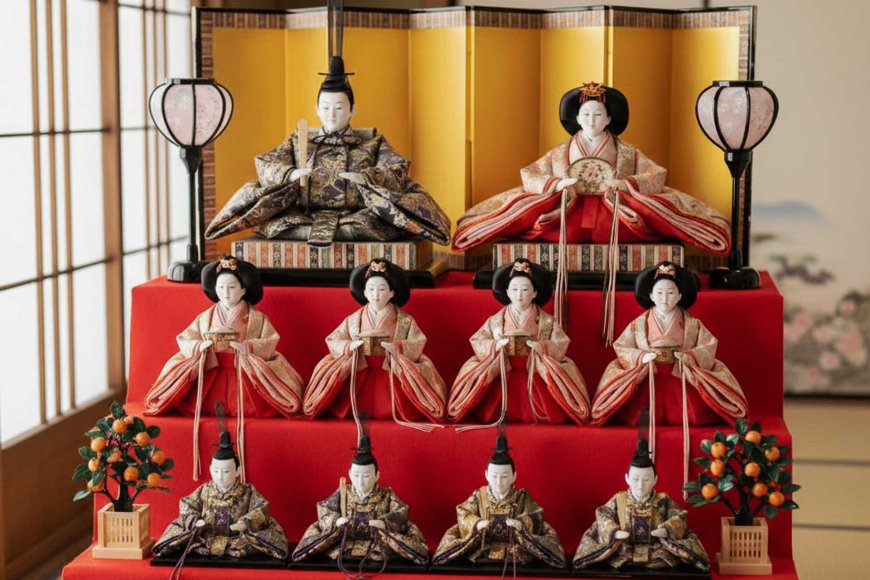
While the tradition remains strong, modern celebrations have evolved. Some families opt for compact or minimalist doll sets due to limited space in urban homes.
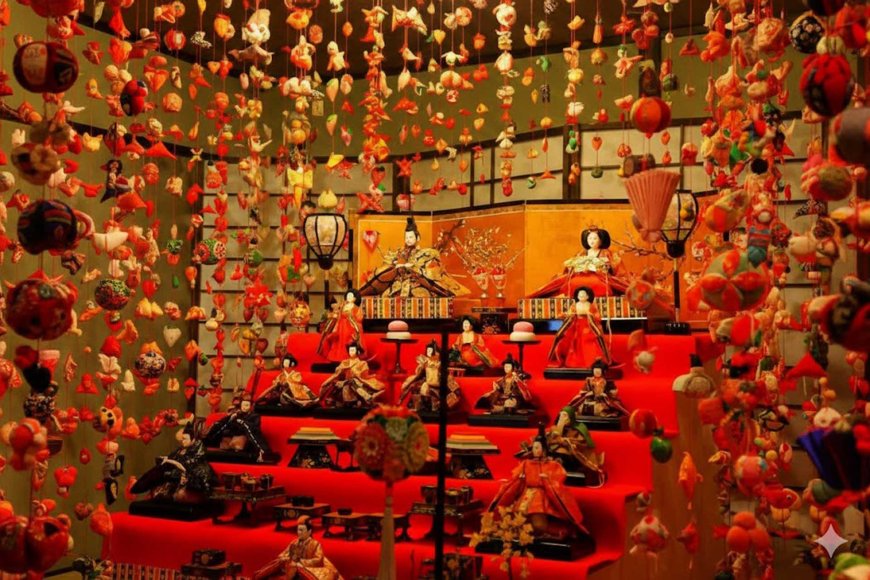
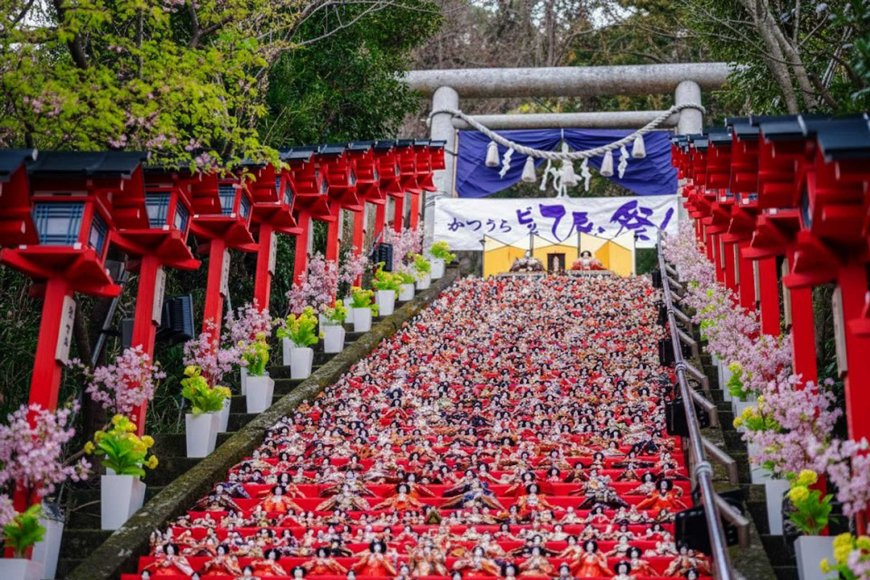
Department stores, shopping malls, and cultural centers host hina doll exhibitions. In some regions, large public displays feature hundreds or even thousands of dolls arranged in grand staircases.
In the digital age, social media also plays a role. Families share photos of their displays, keeping the tradition alive in new and modern ways.
Hina Matsuri is Still Meaningful Today
In contemporary Japan, where lifestyles are increasingly fast-paced, Hina Matsuri offers a meaningful pause. It is a time for families to gather, reflect on their daughters’ growth, and honor tradition.
The festival also highlights Japan’s seasonal awareness — celebrating early spring and the beauty of peach blossoms. Beyond the dolls and decorations, Hina Matsuri represents parental love, hope, and cultural continuity.
Nipino.com is committed to providing you with accurate and genuine content. Let us know your opinion by clicking HERE.