






































Suica vs PASMO vs ICOCA: Which IC Card Should You Get?
Suica, PASMO, and ICOCA are Japan’s most useful IC cards for trains, buses, shopping, vending machines, and daily travel. For most beginners, the best card depends less on features and more on where they arrive first: Suica for Tokyo/JR East, PASMO for Tokyo private railways and subways, and ICOCA for Osaka, Kyoto, and Kansai.
IC Cards in Japan
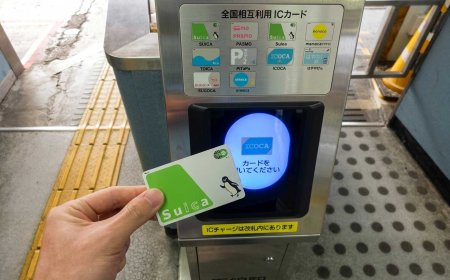
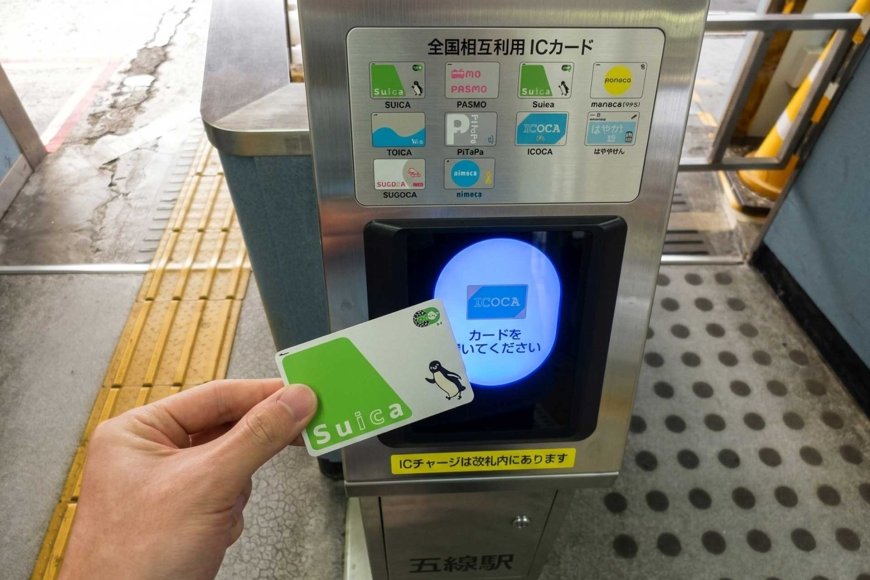
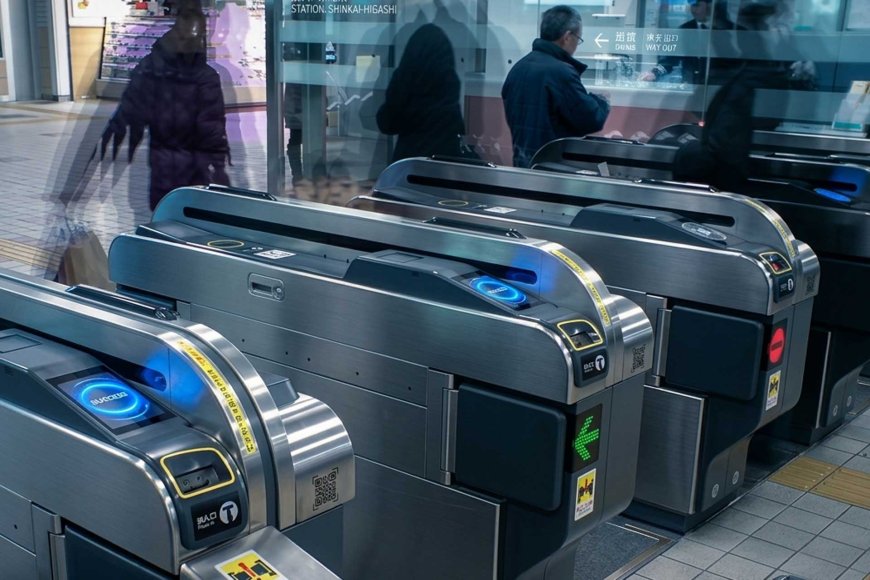
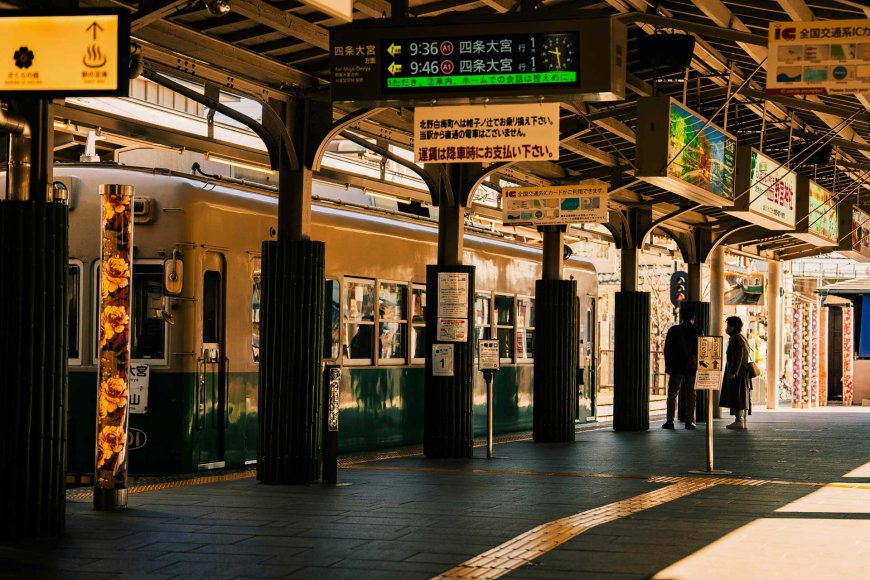
If you are coming to Japan for the first time, one of the smartest things you can do is get an IC card. It may look like a simple plastic card—or just a digital card inside your phone—but in daily life, it feels like a magic key. You tap it at train gates, buses, convenience stores, vending machines, coin lockers, and even some restaurants. No counting coins. No guessing ticket fares. No standing in front of a ticket machine while a line quietly grows behind you.
The confusing part? Japan has many IC cards. The three names beginners usually hear first are Suica, PASMO, and ICOCA. At first, they sound like completely different products, almost like choosing between three phone companies. But in real use, they are more like three different doors leading into the same house.
So, which one should you get? The simple answer is this: get the card that is easiest to buy where you arrive. If you land in Tokyo, Suica or PASMO makes sense. If you land in Osaka or Kansai, ICOCA is usually the natural choice. The deeper answer depends on whether you are a tourist, student, worker, long-term resident, iPhone user, or someone planning to travel across Japan.
Traveling to Japan? Japan Starter Toolkit can help you navigate Japan easier and more enjoyable.
What Is an IC Card in Japan?
An IC card is a rechargeable prepaid card used for transportation and small payments. Instead of buying a paper ticket every time you ride a train, you load money onto the card and tap it at the gate. The system automatically deducts the correct fare when you exit.
JR East describes Suica as a prepaid form of electronic money that can be used for trains, subways, buses, monorails, and shopping. The biggest convenience is that riders do not need to buy tickets from vending machines each time; they simply tap the card and the fare is deducted automatically.
This is why IC cards are so helpful for beginners. Japan’s train system is excellent, but fare maps can feel overwhelming. One ride might be ¥180, another ¥260, another ¥430. With an IC card, you do not need to memorize every fare. You just charge the card, tap, ride, and tap again.
Suica: Best for Tokyo, JR East, and Mobile Users
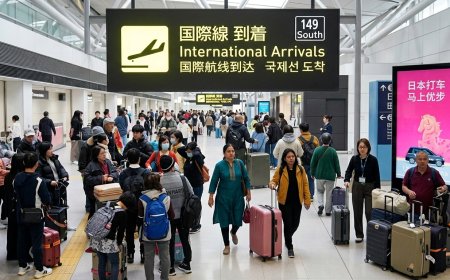
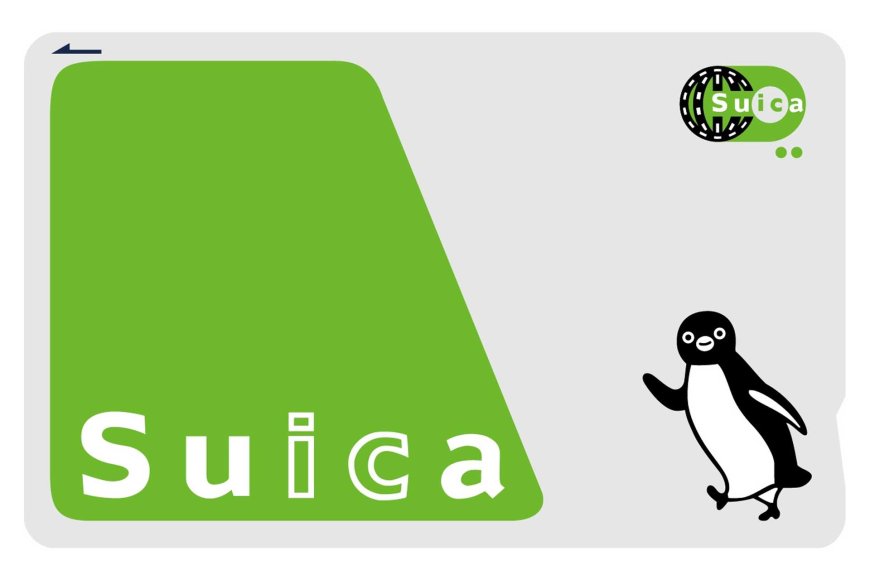
Suica is issued by JR East, making it one of the most common IC cards in Tokyo and eastern Japan. If you are arriving at Narita Airport, Haneda Airport, Tokyo Station, Shinjuku, Ueno, Ikebukuro, or anywhere around the JR East network, Suica is probably the first card you will see.
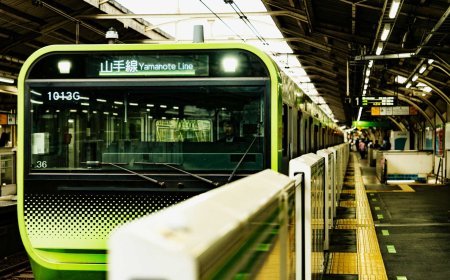
Suica works well for trains, buses, shopping, vending machines, and many daily payments. It is especially convenient for people staying in Tokyo because JR lines are everywhere. The Yamanote Line alone connects many famous areas such as Shinjuku, Shibuya, Harajuku, Ueno, Akihabara, Tokyo Station, and Ikebukuro.
For tourists, Welcome Suica is important. JR East says Welcome Suica has been sold at specific locations since March 27, 2025, and in principle only one card can be sold to each person. JR East also offers Welcome Suica Mobile for iOS, allowing users to issue and top up Suica on an iPhone. It can be used for trains, buses, shopping, and more.
Suica is a strong choice if you want a simple Tokyo-friendly card, especially if you like using your phone instead of carrying more plastic.
PASMO: Best for Tokyo Subways and Private Railways
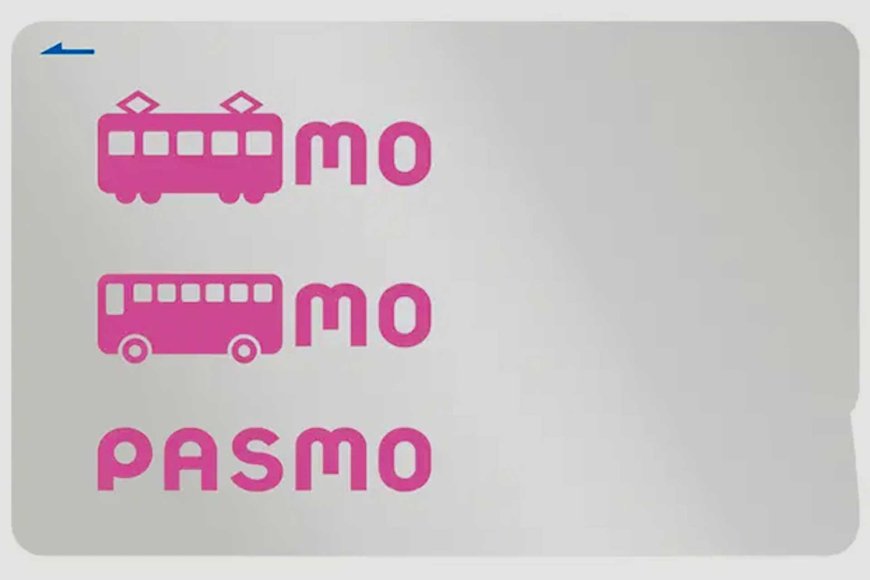
PASMO is also widely used in Tokyo and surrounding areas. For everyday travelers, PASMO feels almost identical to Suica. You tap in, tap out, recharge, shop, and ride. The main difference is its background. PASMO is strongly connected with private railway companies, subway lines, and buses in the Tokyo metropolitan area.
The official PASMO site says PASMO can be used to pay for train and bus fares and for cashless payments at participating stores. It also explains that PASMO can be used across the metro Tokyo area and participating railway and bus networks across Japan, while noting that it is not accepted on all train and bus networks.
For a tourist staying mainly in Tokyo, PASMO is just as useful as Suica in most cases. If your hotel is near a Tokyo Metro, Toei Subway, Keio, Odakyu, Tokyu, Seibu, Tobu, or Keikyu line, PASMO may feel very natural.
A big 2026 update is the arrival of TOURIST PASMO. PASMO’s official visitor page lists an April 17, 2026 notice announcing that TOURIST PASMO for international visitors is available soon. Reports based on the announcement say Tourist PASMO is planned for foreign visitors from May 2026 and is valid for 28 days.
ICOCA: Best for Osaka, Kyoto, Kobe, and Kansai
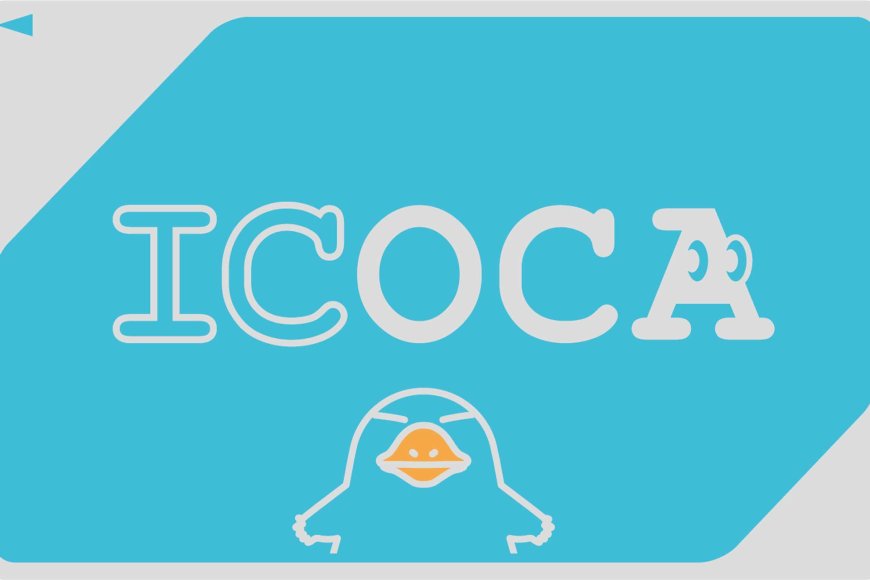
ICOCA is issued by JR West and is the natural IC card choice for Kansai. If you are arriving at Kansai International Airport, Osaka, Kyoto, Kobe, Nara, or nearby western Japan destinations, ICOCA is usually the easiest card to get.
JR West says ICOCA can be used across Japan on railways, buses, and participating shops displaying the IC mark. The same official page explains that ICOCA is accepted not only in the ICOCA area but also in participating areas for cards such as Kitaca, PASMO, Suica, TOICA, PiTaPa, Hayakaken, nimoca, and SUGOCA.
JR West lists ICOCA at ¥2,000, including a ¥500 deposit. That means ¥1,500 is usable balance when purchasing a new card. JR West also explains that the ¥500 deposit exists because ICOCA can be reused, and the deposit is refunded when the card is returned.
For visitors exploring Kyoto temples, Osaka food streets, Kobe harbor areas, and Nara day trips, ICOCA is extremely convenient. You can use it on JR lines, many private railways, buses, and shops.
Suica vs PASMO vs ICOCA: Quick Comparison
| IC Card | Main Region | Issuer / Network | Best For | Deposit / Cost Notes |
|---|---|---|---|---|
| Suica | Tokyo, eastern Japan | JR East | Tokyo travelers, JR users, mobile users | Regular Suica usually includes deposit; Welcome Suica options differ |
| PASMO | Tokyo metro/private railway areas | PASMO network | Tokyo subway and private railway users | Tourist PASMO expected for visitors from May 2026 |
| ICOCA | Osaka, Kyoto, Kansai, western Japan | JR West | Kansai travelers and residents | ¥2,000 purchase price including ¥500 deposit |
| Welcome Suica Mobile | Japan-wide IC areas | JR East mobile service | iPhone users and short-term travelers | No physical card needed |
Can You Use One IC Card Across Japan?
Yes, in many major areas. This is where beginners can relax. You usually do not need to buy Suica for Tokyo, ICOCA for Osaka, and another card for Fukuoka. The major IC cards are interoperable across many transportation networks.
Japan’s official tourism site explains that IC cards can be used nationwide and make travel and small purchases easier. It also notes that most IC cards require a ¥500 security deposit when purchased. JR West also clearly states that ICOCA works in usage areas for other major cards, including Suica and PASMO.
That said, “nationwide” does not mean every single bus stop, countryside station, ferry, ropeway, or private local line accepts IC cards. Some rural lines still require paper tickets or cash. Another important limitation is that you generally cannot start in one IC card area and travel across a non-compatible boundary on one continuous conventional train ride. For long-distance travel, especially between regions, Shinkansen tickets or separate paper/e-tickets may be needed.
Which IC Card Should Tourists Get?
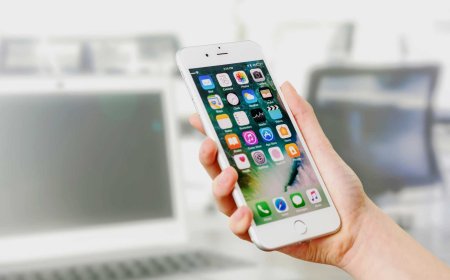
If you are a short-term visitor landing in Tokyo, Welcome Suica or Tourist PASMO will probably be the easiest choice in 2026. If you use an iPhone, Welcome Suica Mobile is also attractive because you can issue and top up the card digitally through iOS. JR East says the Welcome Suica Mobile app lets users issue and top up Suica, and top-ups can be done using a credit card registered with Apple Pay.
If you are landing at Kansai International Airport, going straight to Osaka or Kyoto, ICOCA is the practical choice. It is easy to understand, easy to use, and deeply connected to the Kansai travel experience.
Here is a simple tourist decision table:
| Your Situation | Best IC Card |
|---|---|
| Landing in Tokyo | Suica or PASMO |
| Landing in Osaka/Kansai | ICOCA |
| Staying only 1–4 weeks | Welcome Suica or Tourist PASMO |
| Using iPhone and Apple Pay | Welcome Suica Mobile or Mobile Suica |
| Traveling Tokyo + Kyoto + Osaka | Any major IC card is usually fine |
| Collecting a souvenir card | Welcome Suica, Tourist PASMO, or ICOCA |
Which IC Card Should Residents Get?
For residents, the best card is usually tied to your daily commute. If your school or workplace commute uses JR East, Suica is convenient. If your route mainly uses Tokyo Metro, Toei Subway, or private railway lines, PASMO may be slightly more natural. If you live in Osaka, Kyoto, Kobe, or western Japan, ICOCA is the obvious everyday option.
Residents should also think about commuter passes. A commuter pass can often be loaded onto an IC card, making daily travel smoother. Students and workers who travel the same route almost every day should check whether a monthly, three-month, or six-month commuter pass saves money.
For long-term residents with iPhones, mobile IC cards can be even easier. No card to lose. No need to search your wallet at the ticket gate. Just tap your phone and keep moving.
Common Mistakes Beginners Should Avoid
The first mistake is buying multiple cards for no reason. If you already have Suica, you usually do not need PASMO just because you ride Tokyo Metro. If you already have ICOCA, you can usually use it in Tokyo’s major IC card areas too.
The second mistake is leaving too much money on a temporary tourist card. Some visitor cards expire, and refund rules can differ from regular cards. Before leaving Japan, use remaining balance at convenience stores, airport shops, vending machines, or station stores.
The third mistake is assuming every place accepts IC cards. Big cities are easy. Rural Japan can be different. If you are traveling to countryside areas, carry some cash. Japan is cashless in many places now, but not everywhere.
The fourth mistake is confusing IC cards with rail passes. An IC card is not unlimited travel. It is a prepaid payment tool. A rail pass is a separate product that may cover specific routes or days. Think of an IC card like a wallet, not a free-pass ticket.
So, Which One Should You Get?
For most people, the answer is refreshingly simple.
If you arrive in Tokyo, get Suica or PASMO. If you arrive in Osaka or Kyoto, get ICOCA. If you are using an iPhone and want less plastic in your pocket, consider Welcome Suica Mobile or a mobile IC card setup. If you are a resident, choose the card that fits your commuter route and local train company.
The truth is that Suica vs PASMO vs ICOCA is not a battle where one card destroys the others. They are more like different keys cut for different regions, but most of them open many of the same doors. The smartest choice is not always the “best” card on paper. It is the card you can buy easily, recharge easily, and use naturally in your daily route.
Your Japan Trip Gets Easier After the First Tap
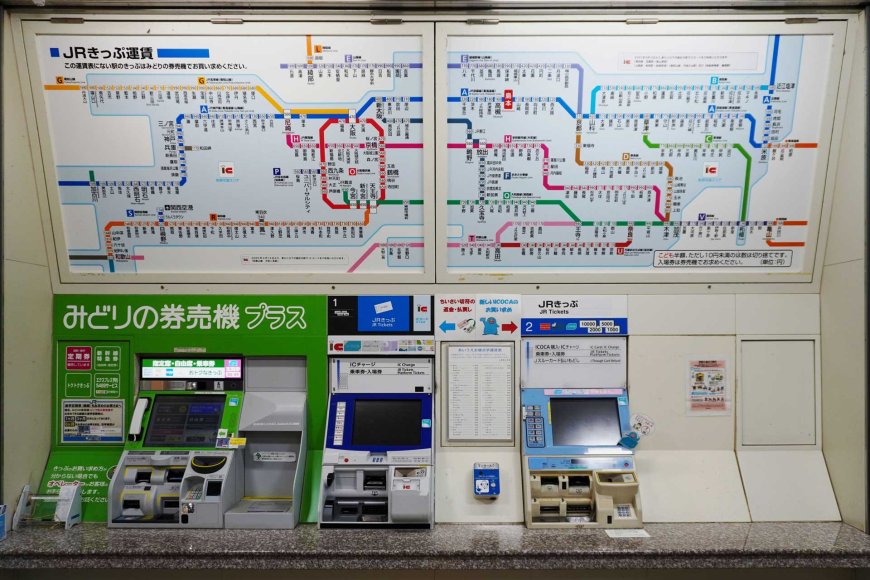
Japan can feel overwhelming on day one. The train lines, station gates, platform signs, and payment systems may seem like a maze. But an IC card removes one big layer of stress. Once you have Suica, PASMO, or ICOCA in your hand—or inside your phone—you can move through Japan with more confidence.
You do not need to master every railway company. You do not need to calculate every fare. You only need to tap, ride, and enjoy the journey. Whether you choose Suica, PASMO, or ICOCA, the real win is the same: smoother travel, fewer coins, shorter lines, and a Japan experience that feels a little less confusing every day.
For more practical Japan living guides, explore related resources like the Living in Japan, Japan Starter Toolkit, and Everyday Japanese for Beginners.
Prepare Smarter, Live Better in Japan (FREE Download)
Download the First 7 Days in Japan Checklist (FREE)
Don’t guess what to do — follow a proven plan.
Download your FREE “First 7 Days in Japan Checklist” PDF now:
✔ Instant download
✔ Mobile-friendly
✔ Printable
Want the COMPLETE Version? (Premium Upgrade)
If you want a deeper, more powerful guide, there’s also a premium version available on Gumroad.
Nipino.com is committed to providing you with accurate and genuine content. Let us know your opinion by clicking HERE.