
















How Mixed-Culture Families Blend Filipino and Japanese Traditions
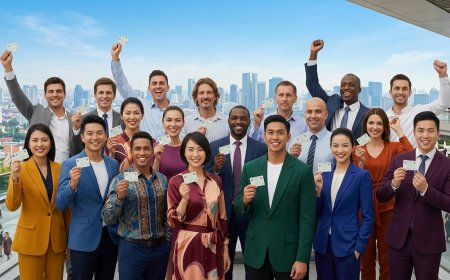
Mixed-culture Filipino–Japanese families create unique households by thoughtfully blending traditions from both cultures, balancing values, language, and daily practices. Their shared lives reveal how respect, flexibility, and love turn cultural differences into meaningful connections.
A Life Shaped by Two Cultures
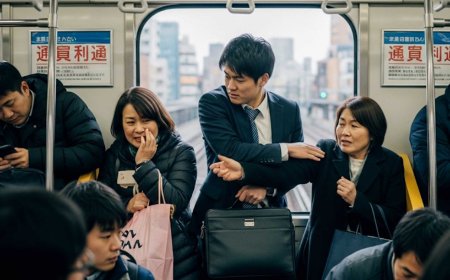
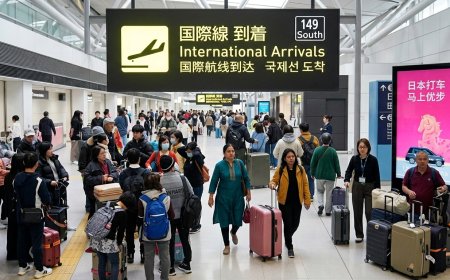
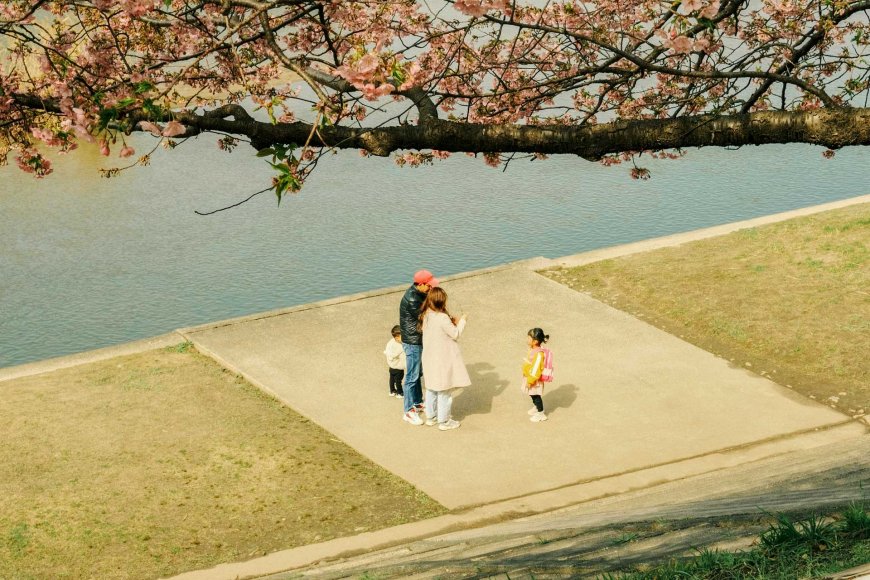
Mixed-culture families are becoming increasingly visible in Japan, especially households where Filipino and Japanese traditions coexist. These families live at the crossroads of two rich cultures, each with distinct values, customs, and social expectations. Rather than choosing one over the other, many Filipino–Japanese families find ways to blend traditions into a shared family identity.
In these homes, cultural blending is not a one-time decision but a daily practice. From mealtime habits to holiday celebrations, parents and children negotiate cultural differences with care and creativity. What emerges is not confusion, but a hybrid way of life shaped by understanding and mutual respect.
Family Values: Respect Meets Warmth
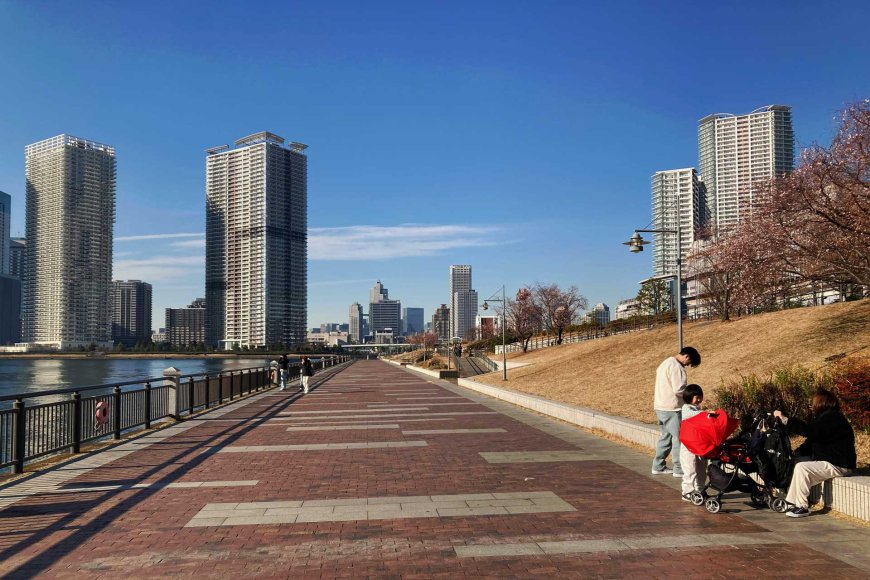
At the heart of Japanese culture lies a strong emphasis on respect, harmony, and social order. Filipino culture, on the other hand, is known for its warmth, expressiveness, and close-knit family ties. In mixed households, these values often complement each other naturally.
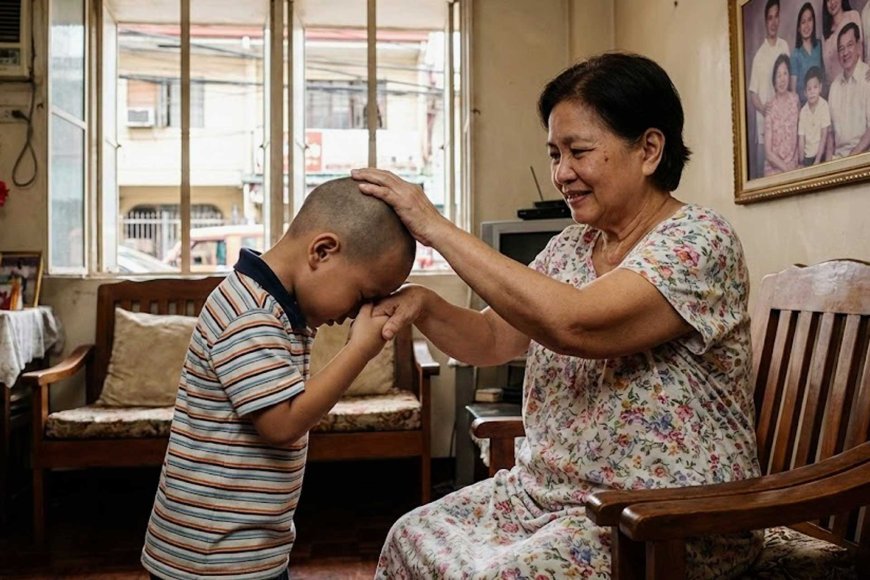
Children may be taught Japanese values such as punctuality, politeness, and consideration for others, while also growing up in an environment filled with Filipino affection, humor, and emotional openness. Elders are respected deeply, yet family conversations are often lively and expressive, reflecting the influence of both cultures.
Food Culture: From Adobo to Miso Soup
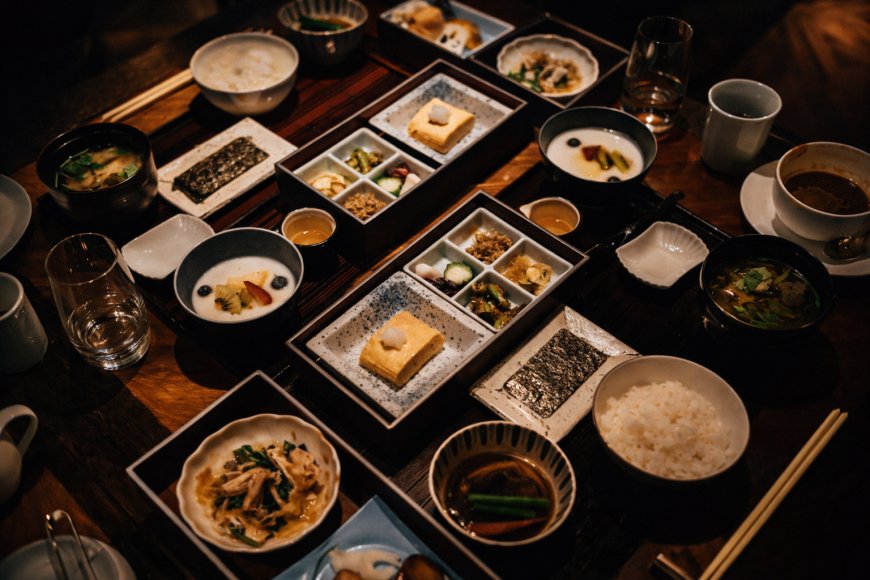
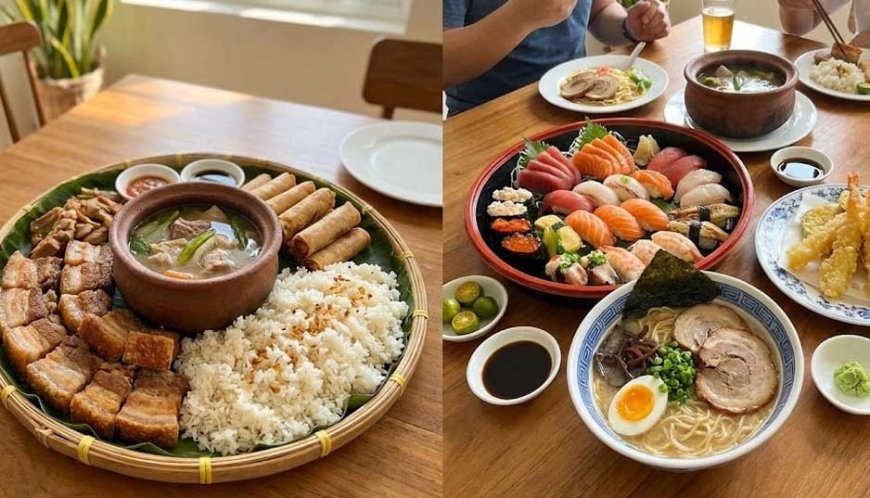
Food is one of the most visible ways cultures blend in Filipino–Japanese homes. A typical dinner table may feature miso soup alongside adobo, or rice served with both Japanese and Filipino side dishes. These meals become daily reminders of shared heritage.
Parents often introduce children to both cuisines early in life, allowing them to develop diverse tastes and cultural curiosity. Special occasions may include sushi platters next to pancit, showing that cultural blending does not mean compromise but expansion.
Celebrations and Holidays: Two Calendars, One Home
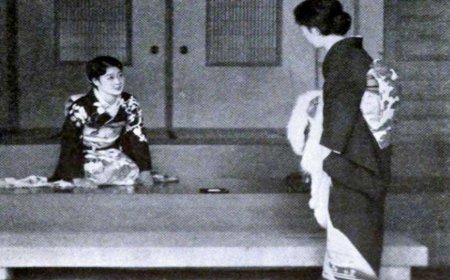
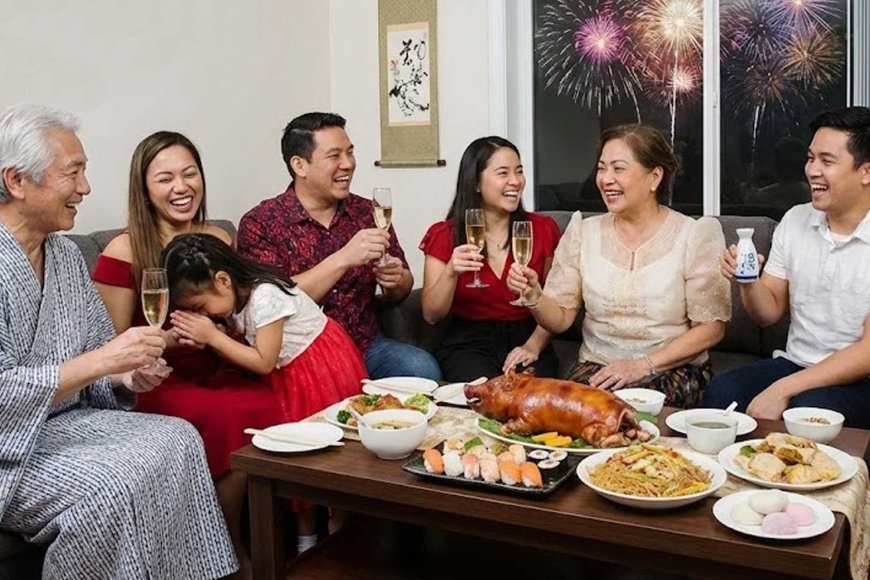
Holidays offer meaningful opportunities for cultural exchange. Japanese celebrations like New Year (お正月) emphasize quiet reflection and family rituals, while Filipino festivities such as Christmas are vibrant, music-filled, and communal.
Mixed-culture families often celebrate both, adapting traditions to fit their household. A Japanese-style New Year meal may be followed by Filipino noche buena later in the year. These blended celebrations teach children that honoring both cultures is not only possible but enriching.
Language at Home: Growing Up Bilingual
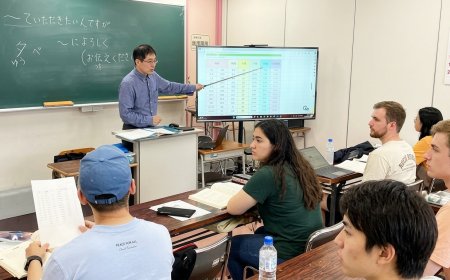
Language plays a crucial role in shaping identity. Many Filipino–Japanese families encourage bilingual or even trilingual environments, mixing Japanese, English, and Filipino languages at home.
Children may speak Japanese at school, English with one parent, and Filipino with relatives. While this can be challenging, it also strengthens communication skills and cultural awareness. Parents often emphasize that language is not just a tool, but a bridge connecting children to their roots.
Parenting Styles: Balancing Discipline and Emotion
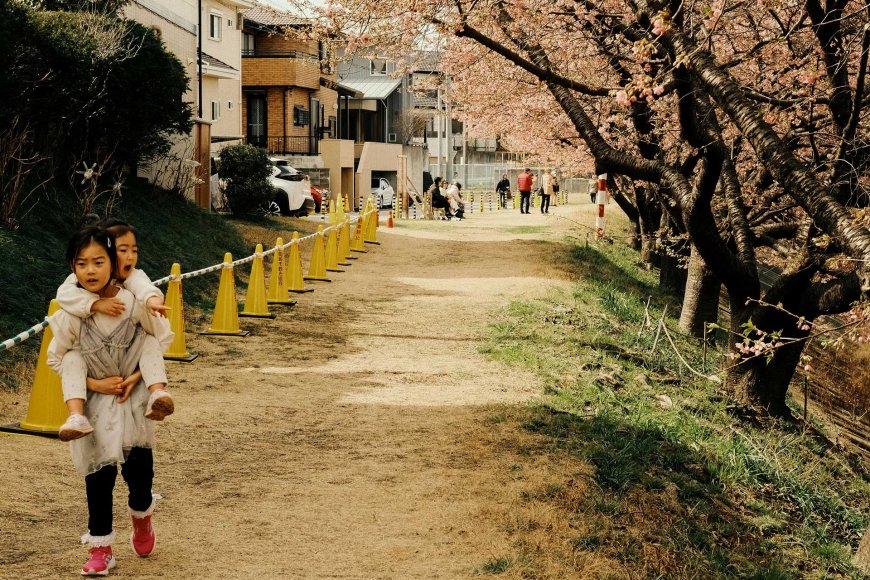
Parenting in mixed-culture households often involves finding middle ground between different approaches. Japanese parenting tends to emphasize structure, independence, and social responsibility, while Filipino parenting is often more emotionally expressive and protective.
By blending these styles, parents create balanced environments where children learn discipline without losing emotional security. Open communication helps families address differences thoughtfully, ensuring that children grow up confident and culturally grounded.
Challenges and Growth Through Understanding
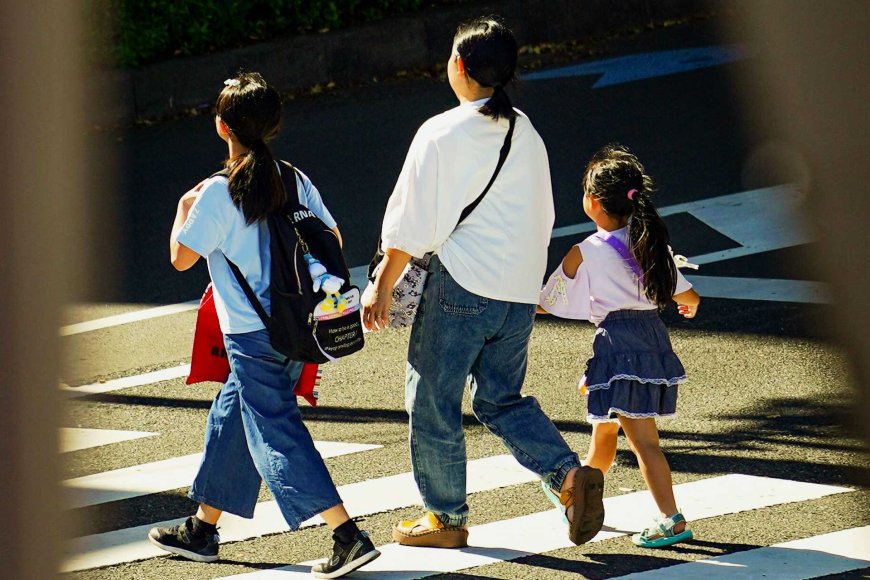
Despite its beauty, cultural blending is not without challenges. Differences in communication styles, expectations, or extended family dynamics can sometimes lead to misunderstandings. However, many families view these challenges as opportunities for growth.
Through patience, dialogue, and shared experiences, Filipino–Japanese families learn to navigate differences with empathy. Over time, these experiences strengthen family bonds and deepen mutual understanding.
Building a Shared Cultural Identity
Mixed-culture Filipino–Japanese families demonstrate that culture is not something fixed, but something lived and shaped together. By honoring both traditions, they create homes where diversity becomes a strength rather than a barrier.
Their stories reflect a broader truth: when cultures meet with respect and love, they do not clash—they blend, evolve, and create something uniquely beautiful.
Nipino.com is committed to providing you with accurate and genuine content. Let us know your opinion by clicking HERE.