



























































Types of Work Visas in Japan Explained
Japan offers a variety of work visas designed for different professions, skill levels, and industries, making it possible for foreigners to build careers across multiple sectors. Understanding the purpose, eligibility, and limitations of each visa is essential for anyone planning to work legally and successfully in Japan.

A Variety of Work Visas
Japan has become one of the world's most attractive destinations for foreign professionals, skilled workers, and recent graduates seeking international career opportunities. As labor shortages continue across several industries, Japanese employers are increasingly hiring talent from around the world.
However, before accepting a job offer, every foreign worker must ensure they have the appropriate residence status that allows them to work legally in Japan.
Unlike some countries that issue a single general work permit, Japan offers multiple work visa categories, each designed for specific professions and industries. Choosing the correct visa is one of the most important steps in beginning a career in Japan.
What Is a Japanese Work Visa?
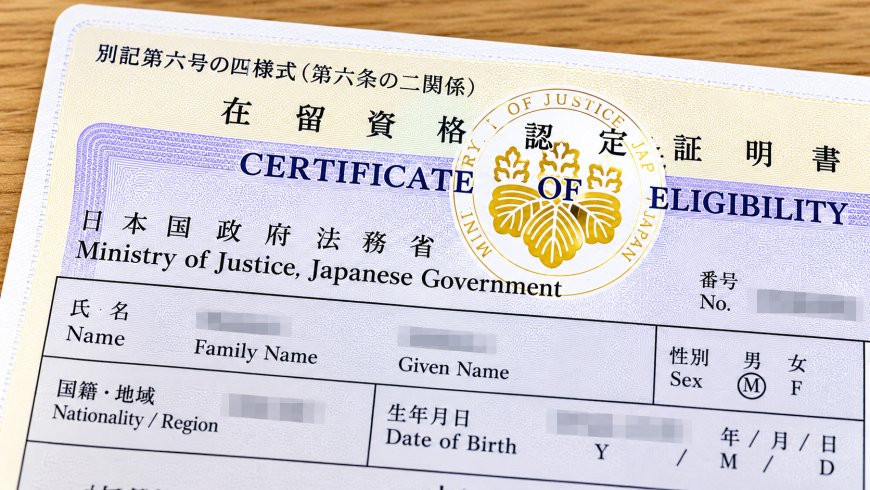
A Japanese work visa is officially a Status of Residence that permits foreign nationals to engage in specific professional activities while living in Japan.
Each visa has clearly defined conditions, including:
- Eligible occupations
- Educational requirements
- Professional experience
- Length of stay
- Permitted work activities
Working outside the activities allowed by a particular visa may violate Japanese immigration regulations, making it essential to understand the conditions before accepting employment.
Engineer / Specialist in Humanities / International Services Visa
This is the most common work visa issued to foreign professionals.
Often abbreviated as Engineer/Specialist/Humanities (E/S/H), this visa covers a wide variety of white-collar occupations.
Typical Jobs
- Software Engineer
- Web Developer
- System Administrator
- Data Analyst
- Marketing Specialist
- Accountant
- Translator
- Interpreter
- Graphic Designer
- HR Professional
- International Sales
Typical Requirements
- Bachelor's degree or equivalent
- Relevant professional experience
- Employment contract with a Japanese company
This visa is especially popular among IT professionals and international business specialists.
For readers interested in technology careers, see How to Find a Job in Japan as a Foreigner.

Highly Skilled Professional Visa
Japan introduced the Highly Skilled Professional (HSP) visa to attract experienced global talent.
Rather than focusing on a single occupation, this visa uses a points-based system that evaluates:
- Education
- Professional experience
- Annual salary
- Research achievements
- Japanese language ability
Benefits
- Faster path to permanent residency
- Permission for multiple professional activities
- Easier family sponsorship
- Spouse may also work
- Simplified immigration procedures
This visa is ideal for highly qualified engineers, researchers, executives, and university professors.
Specified Skilled Worker (SSW)
The Specified Skilled Worker (Tokutei Ginou) program addresses Japan's labor shortages in industries experiencing high demand.
It is divided into two categories.
SSW Type 1
Suitable for workers entering industries such as:
- Nursing care
- Construction
- Agriculture
- Food manufacturing
- Restaurants
- Hotels
- Building cleaning
- Automotive maintenance
- Shipbuilding
- Aviation
- Industrial machinery
Applicants generally need to pass:
- A skills examination
- A Japanese language examination (usually equivalent to JLPT N4 or JFT-Basic)
The visa is renewable for up to five years but generally does not permit bringing family members.
SSW Type 2
This category is available in selected industries for experienced workers who have advanced skills.
Additional benefits include:
- Longer-term residence
- Ability to renew indefinitely
- Eligibility to sponsor family members
- Greater career stability
The Japanese government has gradually expanded the industries eligible for SSW Type 2 in response to ongoing labor shortages.

Skilled Labor Visa
The Skilled Labor Visa is intended for professionals with specialized expertise acquired through years of experience.
Examples include:
- Foreign chefs
- Sports instructors
- Jewelry artisans
- Animal trainers
- Sommeliers
Unlike the Engineer visa, applicants usually need several years of documented professional experience rather than a university degree.
Instructor Visa
Foreign nationals teaching at public educational institutions typically receive an Instructor Visa.
Common employers include:
- Public elementary schools
- Junior high schools
- High schools
- Boards of Education
Assistant Language Teachers (ALTs) working through government programs often use this visa.
Business Manager Visa
Entrepreneurs who wish to establish or manage a company in Japan may qualify for the Business Manager Visa.
Applicants generally need:
- A viable business plan
- Registered office space
- Sufficient investment capital
- A legally established business entity
This visa is commonly used by startup founders and foreign business owners expanding into the Japanese market.
Medical Services Visa
Doctors, dentists, nurses, pharmacists, and other licensed healthcare professionals require the Medical Services Visa.
Applicants generally must:
- Hold recognized professional qualifications
- Meet Japanese licensing requirements
- Demonstrate sufficient Japanese language ability for patient care
Healthcare positions often require higher Japanese proficiency because communication directly affects patient safety.
Entering Japan on a Student Visa
Many international students begin their careers in Japan after graduation.
Following graduation, they typically apply for a Change of Status of Residence, switching from Student Visa to an appropriate work visa once they secure employment.
This pathway has become increasingly common among graduates of Japanese universities and vocational schools.
Choosing the Right Visa
Selecting the appropriate work visa depends on several factors.
Consider:
- Your educational background
- Work experience
- Occupation
- Employer
- Long-term career plans
- Family situation
- Japanese language ability
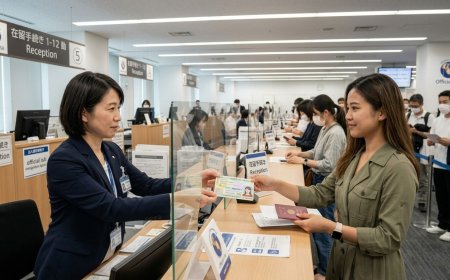
Employers often assist successful candidates by sponsoring the Certificate of Eligibility (COE), an important step before obtaining the visa.
Preparing Before Applying
Successful applicants usually prepare long before submitting visa applications.
Helpful preparations include:
- Updating a professional resume
- Preparing employment certificates
- Organizing educational documents
- Studying workplace Japanese
- Understanding Japanese business etiquette
- Researching living costs
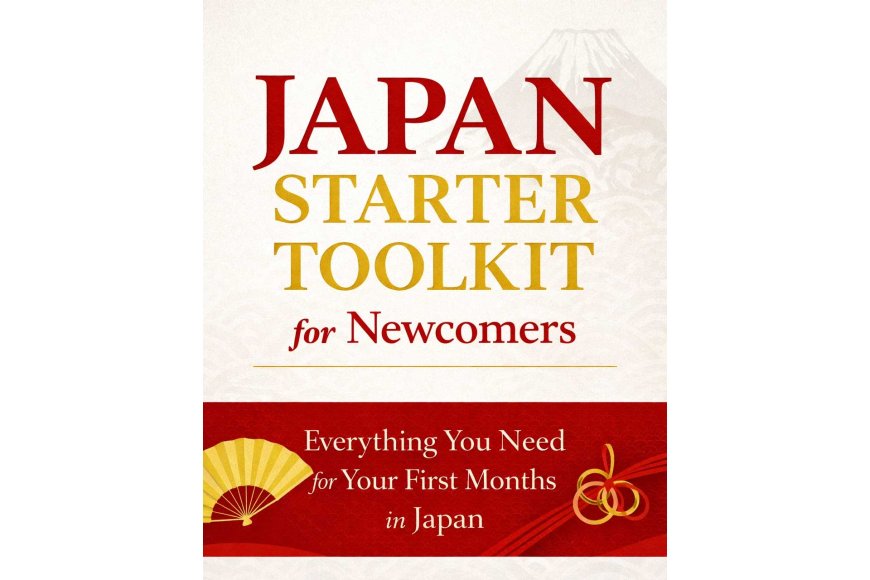
The Japan Starter Toolkit, provides practical checklists, budgeting tools, relocation guides, and essential documents that help newcomers prepare for life and work in Japan.
Preparing Before Applying
Japan's work visa system may appear complex at first, but each category is designed to match specific professions and career paths. Whether someone is an engineer, teacher, skilled tradesperson, entrepreneur, healthcare professional, or hospitality worker, understanding the correct visa is the first step toward building a successful future in Japan.
By choosing the appropriate visa, preparing the necessary documents, improving Japanese language skills, and learning about Japanese workplace culture, foreign job seekers can greatly increase their chances of securing rewarding employment. With careful planning and the right resources, working legally and confidently in Japan becomes an achievable goal for professionals from around the world.
For more practical Japan living guides, explore related resources like the Living in Japan, Japan Starter Toolkit, and Everyday Japanese for Beginners.
Prepare Smarter, Live Better in Japan (FREE Download)
Download the First 7 Days in Japan Checklist (FREE)
Don’t guess what to do — follow a proven plan.
Download your FREE “First 7 Days in Japan Checklist” PDF now:
✔ Instant download
✔ Mobile-friendly
✔ Printable
Want the COMPLETE Version? (Premium Upgrade)
If you want a deeper, more powerful guide, there’s also a premium version available on Gumroad.
Nipino.com is committed to providing you with accurate and genuine content. Let us know your opinion by clicking HERE.