









































Kentucky Fried Chicken for Christmas: Japan’s Unique Holiday Tradition
In Japan, Christmas is not celebrated with roast turkey or family feasts, but with buckets of Kentucky Fried Chicken shared among couples, friends, and families. This uniquely Japanese tradition reveals how clever marketing, cultural adaptation, and modern lifestyles transformed fried chicken into a national Christmas symbol.
A Christmas Tradition Unlike Any Other
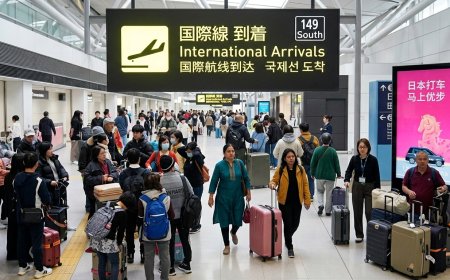
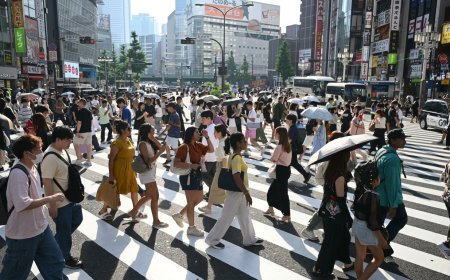
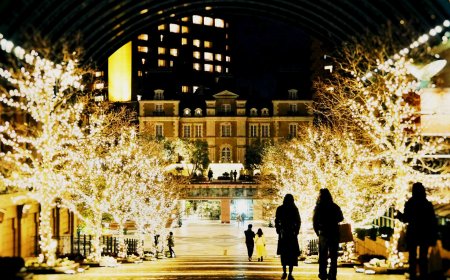
While many countries associate Christmas with family dinners, home-cooked meals, and religious traditions, Japan tells a very different story. In a country where Christmas is not a national holiday, December 24 and 25 are often spent dining out, exchanging gifts, and enjoying romantic dates. Among these modern customs, one tradition stands out above all: eating Kentucky Fried Chicken for Christmas.
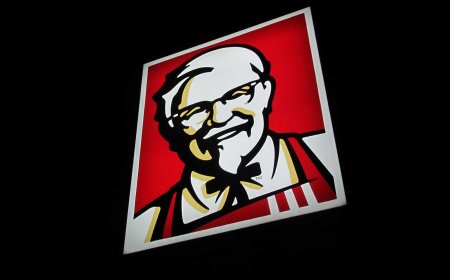
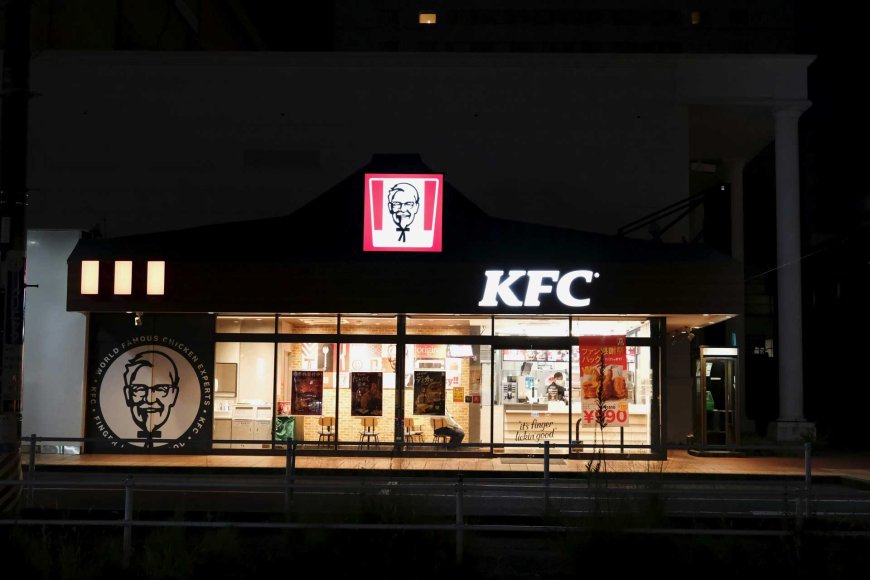
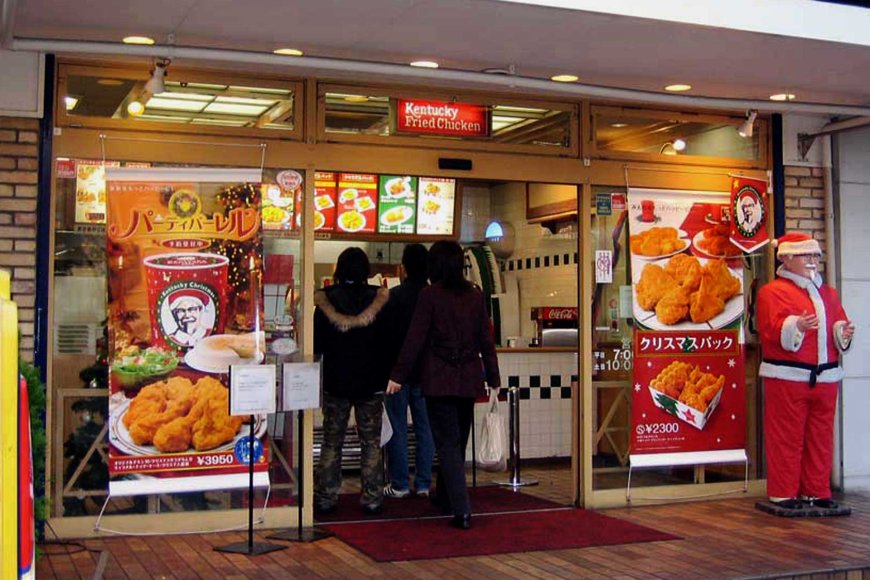
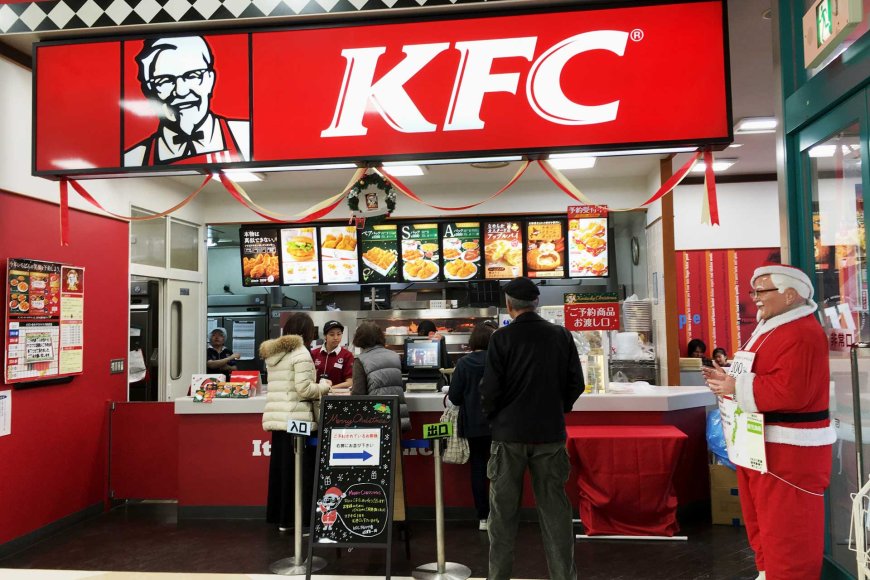
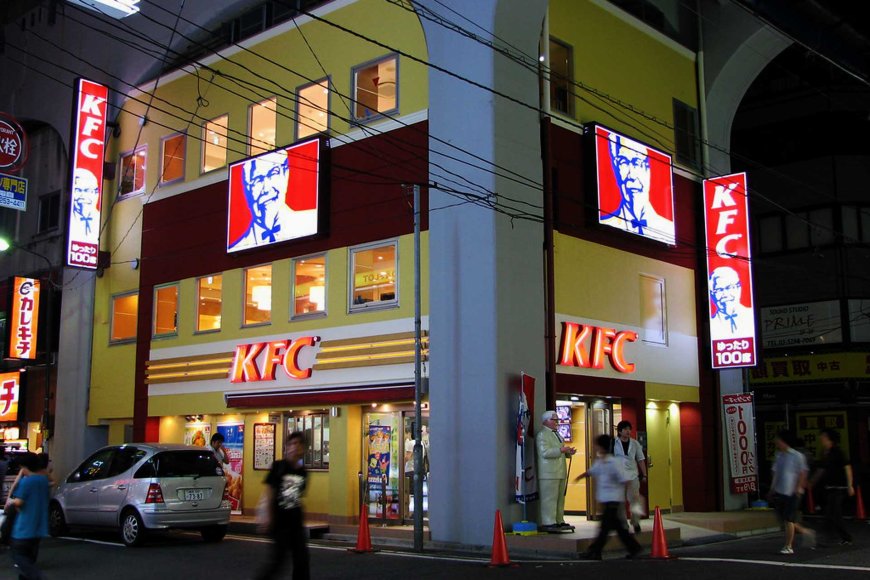
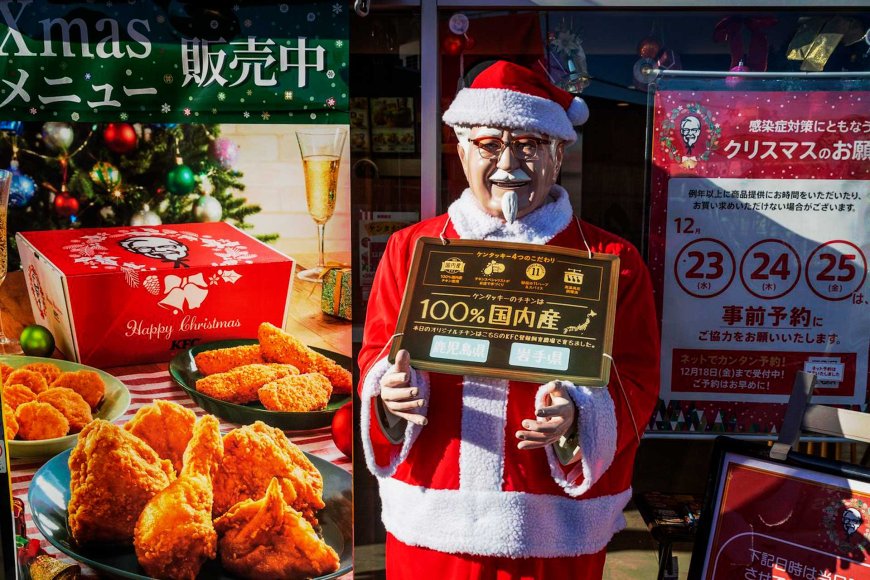
Every December, long lines form outside KFC branches across Japan. Customers place reservations weeks in advance, special Christmas buckets sell out, and Colonel Sanders statues are dressed in Santa Claus outfits. To outsiders, this may seem strange, but for many Japanese people, Christmas simply feels incomplete without fried chicken.
How KFC Became Japan’s Christmas Meal
The origins of this tradition date back to the 1970s. At the time, foreign residents in Japan struggled to find traditional Christmas foods like turkey. One story suggests that a group of foreigners visited a KFC and joked that fried chicken would have to replace turkey. This idea eventually inspired a nationwide marketing campaign.
In 1974, KFC Japan launched the now-famous slogan “Kurisumasu ni wa Kentakkii” (Kentucky for Christmas). The campaign was simple, catchy, and perfectly timed. Television commercials showed happy families and couples enjoying fried chicken together, slowly shaping the idea that KFC was the “correct” Christmas meal.
Over time, this advertising message became cultural truth. What began as a marketing experiment evolved into a deeply embedded seasonal ritual.
The Power of Marketing and Cultural Timing
KFC’s success in Japan highlights the extraordinary power of marketing when combined with cultural context. Christmas in Japan lacks strong historical or religious meaning, making it flexible and open to reinvention. Instead of tradition dictating behavior, branding filled the gap.
KFC positioned itself not just as fast food, but as a festive experience. Special holiday packaging, limited-edition menus, cakes, wine, and elaborate party barrels transformed fried chicken into something celebratory. Ordering KFC for Christmas became a sign of planning, care, and participation in the season.
This strategy worked so well that even people who rarely eat fast food throughout the year make an exception in December.
What Christmas Means in Japan
Understanding this tradition requires understanding Japanese Christmas culture itself. Christmas in Japan is often romantic rather than family-centered. Couples go on dates, exchange gifts, and eat special meals together. Families may celebrate, but New Year’s remains the most important family holiday.
Because many people work on December 25, convenience matters. KFC offers a ready-made solution: no cooking, no preparation, and a sense of occasion. In a busy society, outsourcing celebration to a trusted brand feels natural.
How Filipinos in Japan See KFC Christmas
For Filipinos living in Japan, this tradition often brings surprise and amusement. In the Philippines, Christmas is deeply religious, family-oriented, and celebrated with long gatherings, home-cooked meals, and weeks of preparation.
Seeing fried chicken replace noche buena can feel strange at first. Yet many Filipinos eventually embrace the custom, combining it with their own traditions. Some enjoy KFC on Christmas Eve, then prepare Filipino dishes at home. Others see it as a fun cultural experience worth sharing.
This blending of traditions reflects the adaptability of overseas Filipinos and the shared joy found in food, no matter the form.
A Symbol of Modern Japanese Culture
More than just a meal, KFC at Christmas represents modern Japanese culture itself. It reflects how traditions can be created, how foreign ideas are localized, and how food becomes a social symbol. It also shows Japan’s talent for turning ordinary experiences into seasonal rituals.
Today, the tradition continues to thrive, attracting tourists, inspiring social media posts, and fascinating people around the world. Kentucky Fried Chicken has become, quite unexpectedly, a Christmas icon in Japan.
Fried Chicken, Festivity, and Cultural Creativity
Kentucky Fried Chicken for Christmas may seem unusual, but it perfectly captures Japan’s creative relationship with culture and celebration. It proves that traditions do not always come from history—they can come from timing, storytelling, and shared experience.
For those living in or visiting Japan during the holidays, joining the KFC Christmas rush is more than a meal. It is a taste of how cultures evolve, adapt, and celebrate in their own unique ways.
Nipino.com is committed to providing you with accurate and genuine content. Let us know your opinion by clicking HERE.