

























Japan Is Cracking Down on Airbnb & Minpaku: What Foreign Residents Need to Know
Tokyo's Shinjuku Ward is moving to significantly tighten rules on minpaku, or private short-term accommodation, following growing complaints from local residents. If you live in Japan, the issue matters even if you never use Airbnb because it touches apartment rules, neighborhood life, renting, property ownership, and the responsibilities that come with living in a Japanese community.
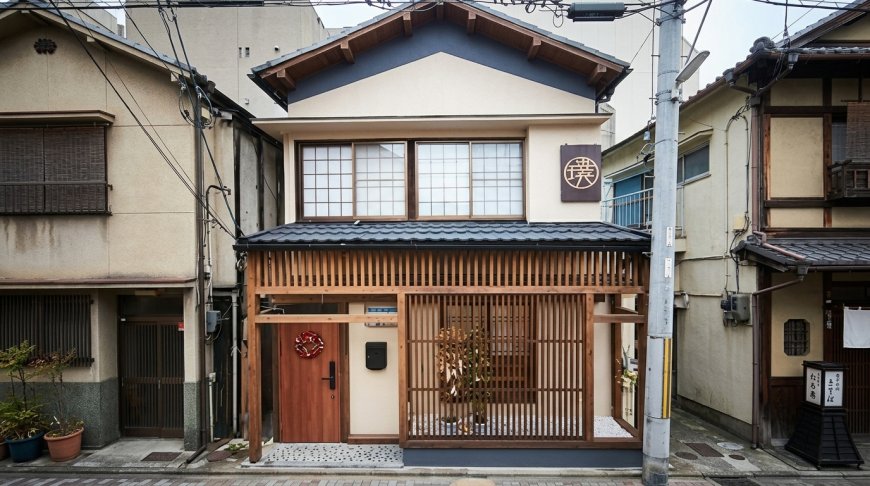
If you live in Japan, you have probably seen them without realizing what they are.
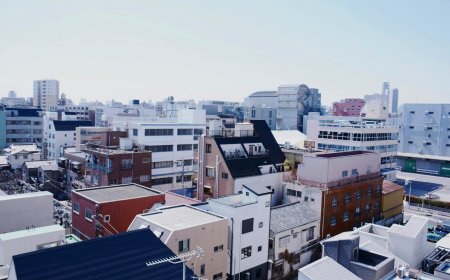
A group of travelers pulling suitcases through a quiet residential street. Different people entering the same apartment every few days. A small sign near the entrance displaying a registration number.
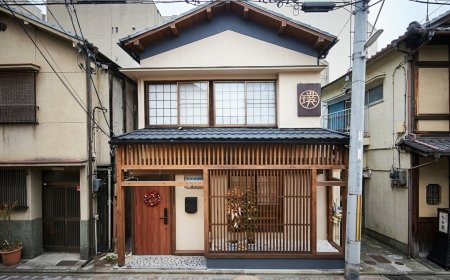
The property might be a minpaku (民泊) — a private home or apartment being used as short-term accommodation.
For years, services such as Airbnb have made these properties an alternative to hotels for people visiting Japan. But as Japan receives huge numbers of international visitors, the relationship between tourism and everyday residential life is becoming increasingly complicated.
Now, one of Tokyo's most famous areas is preparing to tighten the rules.
In September 2026, Shinjuku Ward announced plans for stronger restrictions on minpaku, including restrictions in residential areas. The move comes after complaints involving garbage, late-night noise, smoking, and other problems associated with short-term guests.
So, what exactly is happening?
And more importantly for Nipino readers:
What does this mean if you are a foreign resident living in Japan?
What Is Minpaku (民泊)?
The word minpaku (民泊) generally refers to private lodging where a house, apartment, or part of a residence is offered to paying guests.
Think of it as the Japanese version of the short-term home rental model commonly associated with platforms such as Airbnb.
However, simply having an empty room or apartment does not automatically mean you can rent it to tourists.
Japan regulates this type of accommodation.
Under the Private Lodging Business Act (住宅宿泊事業法), a person operating a qualifying private lodging business generally needs to submit the required notification to the appropriate local authority.
Under the national system, a registered minpaku can generally provide accommodation for up to 180 days per year.
Local governments can also establish additional restrictions depending on local conditions.
That last point is becoming increasingly important.
How to Rent an Apartment in Japan: Step-by-Step for Foreigners
What Is Happening in Shinjuku?
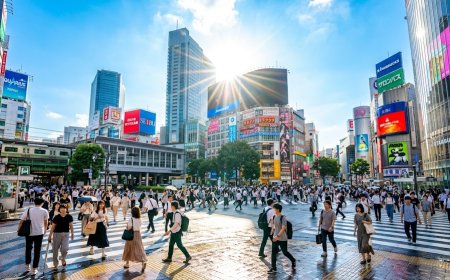
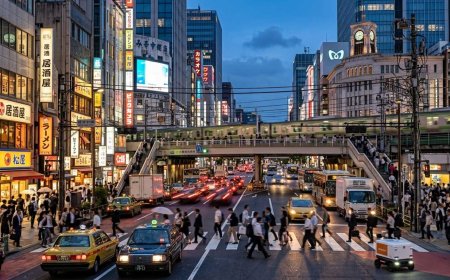
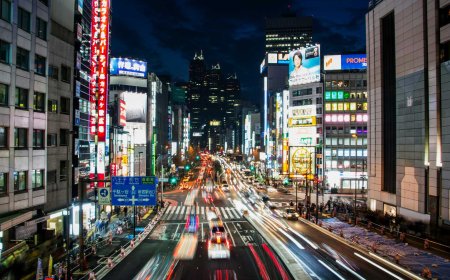
Shinjuku is one of the most recognizable parts of Tokyo.
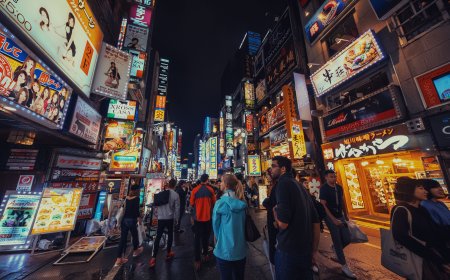
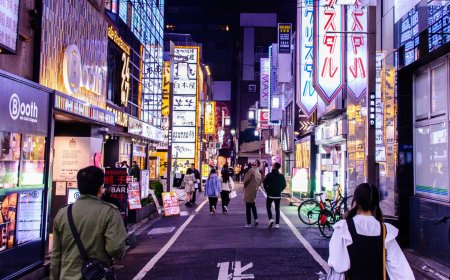
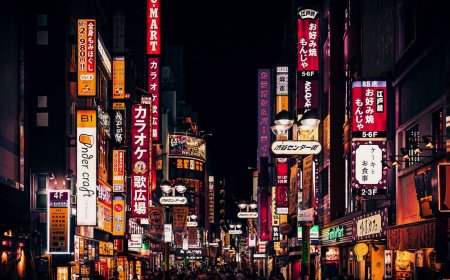
It includes major business districts, residential neighborhoods, shopping areas, Kabukicho, and Shinjuku Station. Unsurprisingly, it is also extremely popular with international visitors.
But tourism and residential life do not always mix smoothly.
Shinjuku Ward says the increase in minpaku has contributed to problems affecting residents' living environment.
Among the complaints reported by residents are:
- Guests putting garbage out incorrectly
- Excessive noise late at night
- Smoking-related problems
- Problems involving the behavior and management of guests
In September 2026, Shinjuku Ward announced plans to strengthen its rules.
Under the proposed changes, new minpaku operations would generally be prohibited in residential-use zones.
The ward also plans to reduce the permitted operating period in commercial-use areas to 120 days per year, compared with the national maximum of 180 days under the standard minpaku system.
Importantly, the ward says the new restrictions would eventually apply to existing facilities as well, following a two-year transitional period.
The proposals still have to go through the local rule-making process, including public consultation.
In other words, this should not be interpreted as saying that Airbnb or all minpaku have suddenly been banned across Tokyo or Japan.
This is a local Shinjuku policy proposal — but it could be a sign of how some Japanese communities may deal with short-term accommodation in the future.
Why Is Japan Becoming Stricter About Minpaku?
The problem is not necessarily tourism itself.
The bigger issue is what happens when a property designed for normal residential life effectively begins operating like a hotel.
Imagine living in the same apartment building for several years.
You know when garbage should be placed outside. You understand that bottles, cans, plastics, burnable garbage, and oversized garbage may need to be separated.
You know that making loud noise at midnight is probably going to annoy your neighbors.
Then suddenly, the apartment beside you has different occupants every few days.
Those visitors may have arrived in Japan only hours earlier.
They might not understand the garbage system.
They might talk loudly in the hallway.
They may drag suitcases through the building late at night.
They may accidentally enter private areas.
Most travelers are not intentionally trying to cause trouble. Often, they simply don't know the local rules.
But from a resident's perspective, experiencing the same problems repeatedly can become exhausting.
This is one reason minpaku has become more than a tourism issue.
It is increasingly a community issue.
Why Should Foreign Residents Care?
You might be thinking:
"I live in Japan. I'm not a tourist. Why should this matter to me?"
There are several reasons.
1. Minpaku Could Be Operating in Your Building
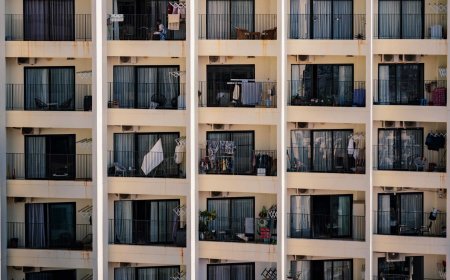
If you live in a condominium or apartment in a popular city, you may encounter short-term guests in your building.
Depending on the property, building rules or condominium management regulations may restrict or prohibit minpaku operations.
That can directly affect your living environment.
2. Foreign Residents Can Be Caught in the Middle
Unfortunately, neighbors may not always immediately know whether a foreign person entering a building is a resident or a short-term visitor.
If tourism-related problems become common in a neighborhood, foreign residents who actually live there can sometimes feel the social consequences too.
This makes something simple surprisingly important:
Being a good neighbor matters.
Following garbage rules, respecting quiet hours, parking bicycles correctly, following smoking rules, and greeting neighbors may seem like small things. If you're new to apartment life here, understanding apartment rules in Japan foreigners must know can help you avoid many of the most common problems with landlords and neighbors.
But these habits help distinguish being part of the community from simply passing through it.
Apartment rules in Japan foreigners must know.
Can You Turn Your Apartment in Japan Into an Airbnb?
Japan's rental system can already be complicated for newcomers, particularly when it comes to contracts, guarantors, deposits, and restrictions. If you're still learning how the system works, read our guide to renting an apartment in Japan as a foreigner before considering any type of subletting.
Suppose you rent an apartment in Japan and think:
"I'm going overseas for two months. Why don't I put my apartment on Airbnb while I'm away?"
Do not assume that this is allowed.
If you are renting the property, Japan's official minpaku guidance requires confirmation that the landlord has agreed to the property being sublet for private lodging purposes.
You also need to check the property's rules.
For condominium properties, the condominium management rules must not prohibit minpaku. Even when the written rules do not explicitly ban it, the operator may need to confirm that the management association does not have a policy against minpaku.
There can also be:
- Local government regulations
- Fire-safety requirements
- Registration or notification requirements
- Property-management requirements
- Guest-management responsibilities
So having an Airbnb account and an available apartment is not enough.
What If You Own the Condominium?
Ownership does not automatically give you permission to operate a minpaku either.
If you own a condominium unit, you should check the building's management bylaws (管理規約 / かんりきやく).
Japan's Ministry of Land, Infrastructure, Transport and Tourism specifically advises condominium owners to check whether their management association prohibits private lodging.
If the condominium's bylaws prohibit minpaku, you cannot simply ignore those rules because you own the unit.
You must also comply with the applicable national and local laws.
This is an important difference between:
"I own this property."
and
"I am legally allowed to operate this property as short-term accommodation."
They are not necessarily the same thing.
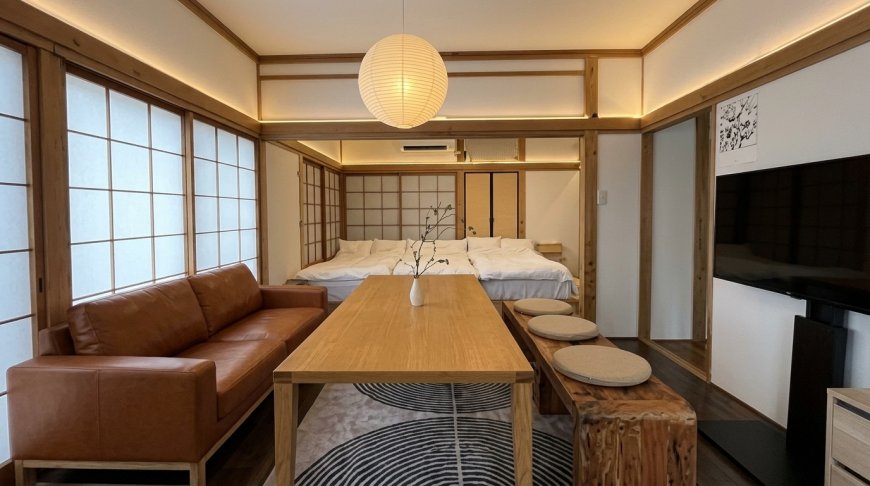
Hotel, Minpaku, Monthly Mansion, or Normal Apartment?
Foreigners arriving in Japan sometimes confuse these different accommodation types.
Hotel / Ryokan
Designed primarily for short-term guests and operated under Japan's accommodation regulations.
Minpaku (民泊)
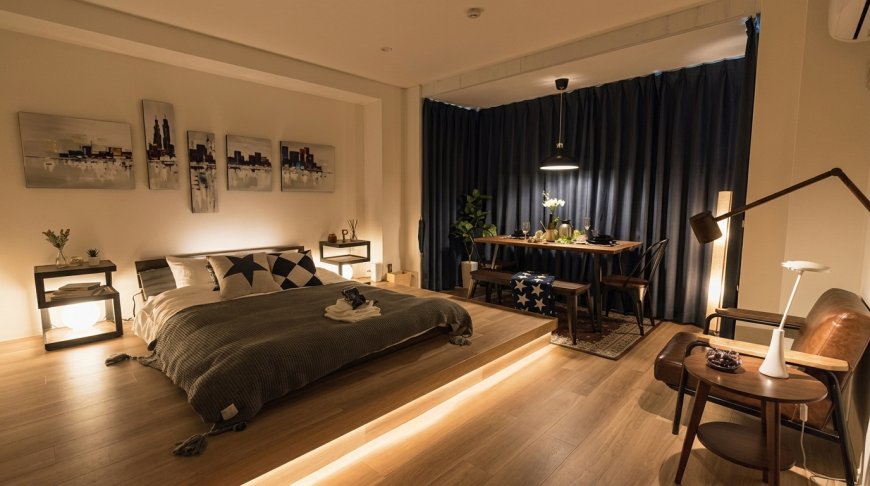
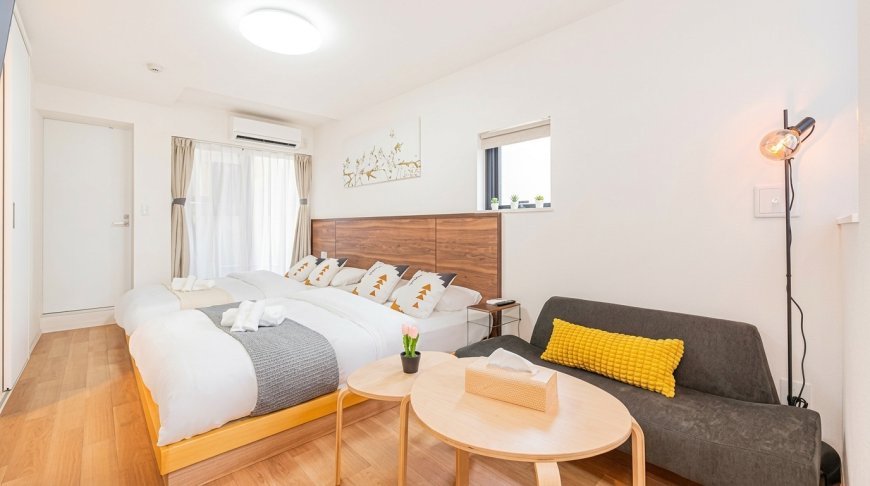
A private residence offered as paid accommodation under applicable rules, including the Private Lodging Business Act in many cases.
Monthly Mansion (マンスリーマンション)
A furnished apartment designed for stays that are typically longer than ordinary hotel visits but shorter than conventional apartment leases.
These can be useful for people who have just arrived in Japan, workers on temporary assignments, or people searching for permanent housing.
Normal Rental Apartment
This is intended primarily as someone's residence.
You normally sign a rental agreement and may need to pay expenses such as deposits, key money, guarantor-company fees, insurance, and other initial costs.
Most importantly:
Do not assume that a normal rental apartment can automatically be converted into short-term tourist accommodation.
Choosing between a normal apartment, share house, monthly mansion, or other accommodation depends on how long you plan to stay and your budget. Our complete guide to housing in Japan for foreigners explains the rental system, initial costs, guarantors, contracts, and other issues in more detail.
Could Other Parts of Japan Follow Shinjuku?
This is the bigger question.
Shinjuku's situation is particularly intense because of its enormous tourism industry and concentration of short-term accommodation.
That does not mean every municipality in Japan will introduce identical rules.
Japan's minpaku framework allows local authorities to respond to local circumstances, however, so rules can vary depending on where you live.
This means foreigners should become accustomed to checking local rules, not just national rules.
The regulations affecting accommodation in Shinjuku may be different from those in Osaka, Kyoto, Niigata, Fukuoka, Sapporo, or a smaller Japanese city.
This is a useful rule for living in Japan generally:
National law tells you part of the story. Your prefecture, city, ward, building, and contract can tell you the rest.
What Should You Do If a Minpaku Is Causing Problems Near Your Home?
Suppose a nearby short-term rental repeatedly causes problems.
First, avoid assuming that every unfamiliar foreign visitor is responsible.
If there is a genuine recurring problem, document the specific issue.
For example:
- Repeated late-night noise
- Garbage being left incorrectly
- Unauthorized entry
- Smoking in prohibited areas
- Blocking entrances or shared spaces
If you rent your apartment, you can contact your landlord or property management company (管理会社 / かんりがいしゃ).
For condominium buildings, you may also be able to raise the issue with the management association.
For suspected illegal minpaku operations or serious recurring problems, check your municipality's official website for the appropriate department or consultation service.
Shinjuku Ward, for example, publishes information about private lodging businesses and enforcement on its website.
Useful Japanese Words to Know
If you encounter this issue in your building or neighborhood, these terms may help:
民泊 (みんぱく / minpaku)
Private lodging or short-term home accommodation.
住宅宿泊事業 (じゅうたくしゅくはくじぎょう)
Private lodging business under Japan's regulatory system.
賃貸契約 (ちんたいけいやく)
Rental agreement.
管理会社 (かんりがいしゃ)
Property management company.
管理規約 (かんりきやく)
Management bylaws or building rules.
管理組合 (かんりくみあい)
Condominium management association.
転貸 (てんたい)
Subletting.
騒音 (そうおん)
Noise.
ごみ出しルール
Garbage disposal rules.
近所迷惑 (きんじょめいわく)
Behavior that causes trouble or inconvenience to neighbors.
A Bigger Lesson About Living in Japan
The minpaku debate highlights something foreigners living in Japan eventually discover:
Living here is about much more than having the correct visa and paying rent.
Japanese residential life relies heavily on shared rules.
Garbage is collected according to schedules.
Bicycles have designated parking areas.
Apartment buildings have rules.
Neighborhoods have expectations about noise.
Condominiums have management associations.
Municipalities can have regulations that differ from those of another city or ward.
Some of these rules can initially feel complicated, particularly if you come from a country where residential life is less regulated.
But understanding public behavior rules in Japan—including cleanliness, noise, shared spaces, and consideration for others—can make adapting to daily life much easier.
And as Japan balances record levels of international tourism with the needs of the people who actually live in its neighborhoods, those rules are likely to receive even more attention.
What Foreign Residents Should Remember
The recent Shinjuku development does not mean Japan has banned Airbnb.
It also does not mean foreigners should avoid minpaku.
The important points are simpler:
If you are a guest: Respect the neighborhood as though you live there.
If you are a resident: Learn your building and neighborhood rules.
If you are a tenant considering hosting: Check your lease, obtain the necessary landlord permission, and check the applicable minpaku regulations before doing anything.
If you own a condominium: Check the management bylaws and management association's policy.
If you plan to operate a minpaku: Check national law as well as prefectural, municipal, ward, fire-safety, and property-specific requirements.
Rules can change, so always confirm the latest requirements with the relevant local government before starting a short-term accommodation business.
Japan Needs Tourism
Millions of visitors support hotels, restaurants, transportation companies, shops, attractions, and local economies.
But Japan also has to protect something less visible: the everyday lives of the people who call these neighborhoods home.
Shinjuku's proposed minpaku restrictions show how difficult that balance is becoming.
For foreigners who live in Japan, there is another lesson here.
We are not simply visitors.
Our apartment building is someone's community. Our street is someone's neighborhood. The small rules surrounding garbage, noise, bicycles, smoking, and shared spaces are part of living together.
Understanding those rules doesn't just make life easier.
It helps make Japan feel more like home.
Important Disclaimer: Regulations can differ by municipality and can change. This article is intended as general information for foreign residents and should not be considered legal advice. Always confirm current requirements with your landlord, management company, condominium association, municipality, or the relevant Japanese authority before operating a minpaku.
Sources: Shinjuku Ward; Japan Tourism Agency / Ministry of Land, Infrastructure, Transport and Tourism; reporting published in September 2026.
For more practical Japan living guides, explore related resources like the Living in Japan, Japan Starter Toolkit, and Everyday Japanese for Beginners.
Prepare Smarter, Live Better in Japan (FREE Download)
Download the First 7 Days in Japan Checklist (FREE)
Don’t guess what to do — follow a proven plan.
Download your FREE “First 7 Days in Japan Checklist” PDF now:
✔ Instant download
✔ Mobile-friendly
✔ Printable
Want the COMPLETE Version? (Premium Upgrade)
If you want a deeper, more powerful guide, there’s also a premium version available on Gumroad.
Nipino.com is committed to providing you with accurate and genuine content. Let us know your opinion by clicking HERE.