


































































Japan Visa & Residence Rules Changing in 2026: 10 Things Foreigners Should Check
Japan introduced several immigration-related changes in 2026, including higher fees for certain applications, updated residence-card procedures, and revised permanent-residence guidelines. Foreign residents should also continue to keep their address, employment, tax, pension, insurance, passport, and residence-card information accurate.
Japan Visa & Residence Rules Changing in 2026: 10 Things Foreigners Should Check Now
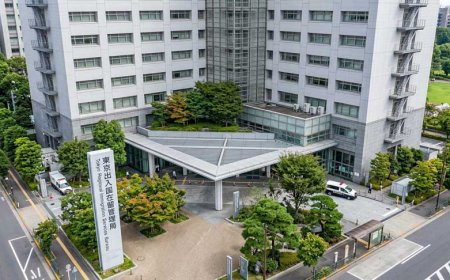
Japan's immigration and residence procedures are changing in 2026, and several of the changes matter directly to foreign residents.
From higher immigration application fees to revised permanent-residence guidelines and new residence-card procedures, there are several details worth checking before you renew your status of residence, change jobs, move to a new address, or prepare a permanent-residence application.
This does not mean that every foreign resident needs to apply for a new visa or replace their residence card immediately.
However, 2026 is a good time to review your immigration and administrative records and make sure that the information connected to your life in Japan is accurate.
If you are unfamiliar with the difference between a visa and a Status of Residence, start with our guide to Japan's Status of Residence.
Here are 10 things foreign residents should check now.
1. Check the New Residence Application Fees
One of the most noticeable immigration changes coming in 2026 is the increase in fees for certain residence procedures.
From October 1, 2026, Japan will change the fees for applications involving:
- Change of status of residence
- Extension of period of stay
- Permanent residence
The amount for a change or extension application depends on the period of stay granted.
For online applications, the Immigration Services Agency lists the following fees from October 1:
| Period of stay granted | Immigration fee | Online payment fee | Total |
|---|---|---|---|
| 3 months or less | ¥10,000 | ¥330 | ¥10,330 |
| More than 3 months to 6 months | ¥15,000 | ¥330 | ¥15,330 |
| More than 6 months to less than 1 year | ¥21,000 | ¥330 | ¥21,330 |
| 1 year | ¥27,000 | ¥330 | ¥27,330 |
| More than 1 year to less than 3 years | ¥42,000 | ¥330 | ¥42,330 |
| 3 years to less than 5 years | ¥56,000 | ¥550 | ¥56,550 |
| 5 years or more | ¥65,000 | ¥550 | ¥65,550 |
These totals include the applicable online payment-processing fee.
Applications submitted at an immigration office
The fee is different when the application is submitted at an immigration office.
From October 1, 2026, the in-person fees are:
| Period of stay granted | Immigration-office fee |
|---|---|
| 3 months or less | ¥10,000 |
| More than 3 months to 6 months | ¥18,000 |
| More than 6 months to less than 1 year | ¥25,000 |
| 1 year | ¥33,000 |
| More than 1 year to less than 3 years | ¥48,000 |
| 3 years to less than 5 years | ¥64,000 |
| 5 years or more | ¥75,000 |
Applications submitted at an immigration office continue to use revenue stamps for payment.
Permanent residence has a much larger fee increase
Permanent residence is also affected.
For applications accepted from October 1, 2026, the standard permanent-residence permission fee is ¥200,000.
This is substantially higher than the previous ¥10,000 fee.
There are limited fee-reduction and fee-exemption provisions for people who meet specific legal requirements. The Immigration Services Agency states that qualifying people receiving a reduction may pay ¥20,000 for permanent residence, while certain categories may qualify for an exemption.
If you are considering permanent residence, therefore, the date your application is accepted can have a significant financial impact.
There is also an important timing point.
Applications accepted by September 30, 2026 remain subject to the previous fee schedule even if the permission itself is granted on or after October 1.
For applications accepted from October 1 onward, the new fee schedule applies.
Online applicants should also pay attention to the payment method. The Immigration Services Agency has moved online applicants away from revenue stamps for these fees, with payment handled through the designated online payment process.
For the detailed numbers and application-by-application breakdown, see our guide to Japan residence application fees in 2026.
What to do now: If your residence renewal, Status of Residence change, or PR application is coming soon, check the fee that will apply based on when your application will be accepted, and whether you will apply online or at an immigration office.
Is Japan Still Affordable in 2026? Real Cost of Living Explained
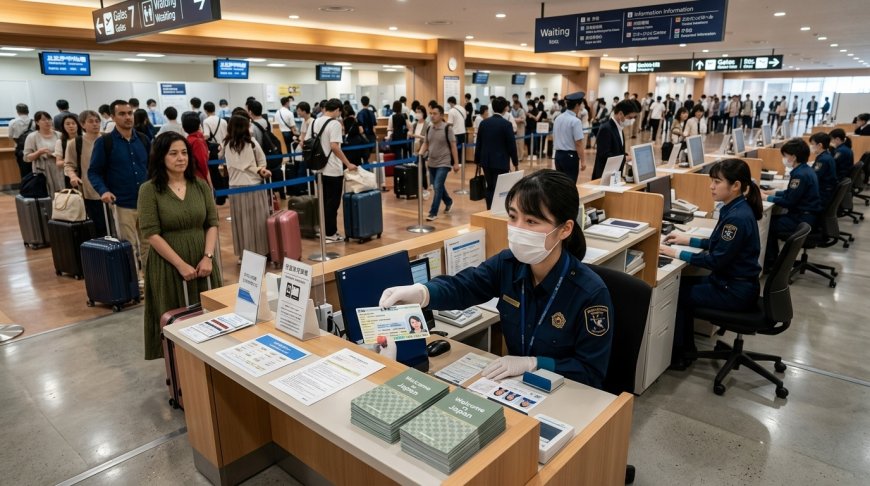
2. Review Your Permanent Residence Plans
Permanent residence, or PR, is an important long-term goal for many foreign residents in Japan.
Japan revised its permanent-residence guidelines on February 24, 2026.
The revised guidelines continue to consider several major areas, including:
- Good conduct
- Ability to maintain an independent livelihood
- Length and type of residence in Japan
- Proper fulfillment of public obligations
- Compliance with required immigration notifications
- Whether the applicant has the required period of stay for their current Status of Residence
The guidelines specifically address public obligations such as:
- Taxes
- Public pension contributions
- Public medical insurance premiums
- Required immigration notifications
The timing of payments can also matter.
The revised guideline states that if public obligations were not fulfilled within the original payment period, that history can generally be evaluated negatively even if the amount has been paid by the time the PR application is submitted.
This means that simply paying a late tax or insurance payment shortly before applying for PR does not necessarily erase the fact that the payment was late.
For anyone planning to apply for PR, it is therefore worth reviewing your records well before submitting an application.
Check:
- Resident tax
- Income-related tax records
- Pension payments
- Health insurance premiums
- Employment history
- Residence history
- Immigration notifications
- Current Status of Residence
- Period of Stay
For a deeper look at the current requirements, see our guide to Permanent Residence in Japan.
3. Pay Attention to the PR "Longest Period of Stay" Rule
One of the most important details in the revised PR guidelines concerns the longest period of stay.
In principle, the revised guideline requires an applicant to be staying under the longest period of stay prescribed for their current Status of Residence.
This matters for foreign residents who have repeatedly received a three-year period of stay and are considering permanent residence.
However, there is an important transitional provision.
The Immigration Services Agency states that until March 31, 2027, a person holding a three-year period of stay will be treated as holding the longest period of stay for this particular PR requirement.
There is also a further transitional provision.
If a person holds a three-year period of stay as of March 31, 2027, and receives a PR decision during that three-year period, the person can be treated as satisfying the longest-period requirement for the first decision under the transitional rule.
This means that people planning a PR application should not simply assume:
"I have a three-year visa, so I automatically qualify."
Nor should they assume:
"A three-year period of stay automatically prevents me from applying."
The exact Status of Residence, timing and transitional provisions matter.
Also remember that the more accurate immigration term is “three-year period of stay,” rather than “three-year visa.”
If PR is part of your long-term plan, check the rules that apply to your particular Status of Residence and application timing rather than relying on older information or online discussions.
Our Permanent Residence in Japan guide explains the wider issues surrounding income, pension, tax and other public obligations.

4. Do Not Wait Until the Last Minute to Renew Your Status of Residence
A residence card expiration date should be treated as an important deadline.
If you want to continue staying in Japan under your existing Status of Residence, you generally need to apply for an extension before your current Period of Stay expires.
For people with a Period of Stay of six months or longer, an extension application can generally be submitted from three months before the expiration date.
For example, if your Period of Stay expires on December 20, you generally do not need to wait until December to begin the application process.
Use the available preparation period to collect the required documents and check whether anything has changed since your last application.
The Immigration Services Agency also currently recommends that people who want their application decided before their existing Period of Stay expires try to apply during the period between three months and 45 days before expiration, where applicable.
This is administrative guidance rather than a new three-month legal deadline.
This is particularly important if you have:
- Changed employers
- Changed jobs
- Changed your salary or working conditions
- Moved
- Changed your family situation
- Started or ended certain activities
- Changed the nature of your work
Your Status of Residence is connected to the activities you are permitted to undertake in Japan.
A simple extension may therefore not be the correct procedure in every situation.
If your circumstances have changed substantially, check whether you need a Change of Status of Residence or another immigration procedure.
Our guide to Japan's Status of Residence explains the difference between Status of Residence, Period of Stay and the activities permitted under different statuses.
5. If You Change Jobs, Check Whether You Need to Notify Immigration
Changing jobs in Japan can involve more than signing a new employment contract.
Depending on your status of residence, you may have a notification obligation concerning your affiliated or contracting organization.
For example, the Immigration Services Agency lists notification requirements for certain statuses including:
- Highly Skilled Professional
- Professor/Research-related statuses
- Engineer/Specialist in Humanities/International Services
- Nursing Care
- Entertainer
- Skilled Labor
- Specified Skilled Worker
For the applicable categories, changes such as ending a contract with an organization or entering into a new contract generally need to be reported within 14 days.
A job change can also raise another question:
Does the new job fit within my current status of residence?
For example, someone whose status permits particular professional activities should not automatically assume that every new job is covered by the same status.
Depending on the circumstances, you may need to apply for a change of status of residence.
Before changing jobs, check the requirements for your particular status.
If you have already lost or left a job, our guide on what happens to your Status of Residence after losing your job in Japan covers some of the practical issues to consider.
Also keep copies of:
- Your old employment contract
- Your new employment contract
- Company information
- Employment certificates
- Salary information
- Immigration notifications
Keeping these records can make future immigration procedures easier.
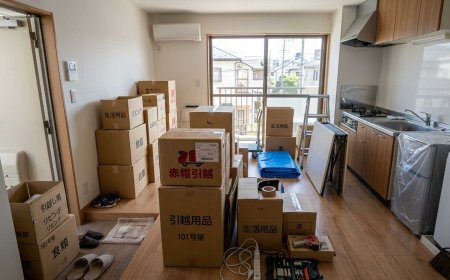
6. Report Your New Address After Moving
Moving to a new apartment is not only a matter of changing your address with the post office.
Foreign residents also need to keep their official residence information updated.
For medium- and long-term residents who change their place of residence, the Immigration Services Agency states that the new address must generally be reported within 14 days of moving to the new residence.
In practice, when you take your residence card to the appropriate municipal office and complete the required resident-registration procedure, that can also satisfy the immigration residence notification requirement.
Your registered address can affect many other parts of daily life, including:
- Resident tax
- National Health Insurance
- Pension
- Municipal services
- Official correspondence
- Banking and other administrative procedures
If you move, add the address-change procedure to your moving checklist.
Don't assume that changing your address with your employer or bank automatically updates every government record.

7. Check Your Residence Card and Passport Information
Your residence card is one of the most important documents you carry while living in Japan.
Japan introduced new-format residence cards and the Specified Residence Card system on June 14, 2026.
The changes are connected with the introduction of residence cards that can incorporate My Number card functions, as well as revisions to the standard residence-card format.
However, this does not mean that every foreign resident must immediately replace a valid older residence card.
The Immigration Services Agency states that residence cards issued under the previous format remain valid. Residents do not need to replace an older valid card simply because the new format has been introduced.
The Specified Residence Card is also optional. Foreign residents can continue to use a residence card and My Number card separately.
What changed on the new residence card?
The new-format card does not display exactly the same information on its face as the previous format.
For example, certain information such as:
- Period of Stay
- Type of permission
- Date of permission
is no longer displayed on the card face in the same way.
The Immigration Services Agency's official residence-card reading application was updated on August 19, 2026 so that users can check the Period of Stay, type of permission and permission date electronically.
The card itself can still display important information including:
- Name
- Date of birth
- Sex
- Nationality or region
- Address
- Status of Residence
- Expiration date of the Period of Stay
- Residence card number
- Residence card validity date
- Work restrictions
- Whether permission for activities outside the Status of Residence has been granted
If you receive a new-format residence card, do not assume that information that is no longer printed on the front of the card has disappeared from your official record.
You should also check your passport.
Make sure your passport has not expired and that your personal information is consistent across your important documents.
If you notice an error, do not simply ignore it until your next renewal.
Ask the appropriate authority how it should be corrected.
For a broader explanation of residence cards and how they relate to your legal Status of Residence, see Japan's Status of Residence guide.
8. Keep Your Tax Records
Taxes are part of everyday life in Japan, but they can also become important when dealing with immigration.
This is particularly relevant if you are considering permanent residence.
The current PR guidelines specifically identify proper fulfillment of tax obligations as part of the public-obligation requirement.
If you are employed, keep documents such as:
- Withholding tax slips
- Resident tax notices
- Tax certificates
- Tax payment certificates
- Salary statements
If you are self-employed or have other taxable income, keep the relevant tax returns and payment records as well.
Do not rely only on your bank statement.
For important immigration applications, you may need official certificates or other documentation showing your tax situation.
If you have missed a payment or are unsure about your tax status, contact your municipality or the appropriate tax authority rather than waiting until you are preparing a PR application.
If you are also trying to understand how taxes, insurance and pension fit into your everyday budget, see our guide to budgeting for life in Japan, including taxes, insurance and pension.
9. Check Your Pension and Health Insurance History
Pension and health insurance are another area foreign residents should review regularly.
Japan's current permanent-residence guidelines specifically include public pension and public medical-insurance premiums among the public obligations considered for PR.
This can be particularly important when your employment situation changes.
For example, if you:
- Leave a company
- Start a new job
- Become self-employed
- Change from employee insurance to National Health Insurance
- Change your pension category
- Experience a gap between jobs
make sure the appropriate procedures are completed.
Check whether:
- Your pension status is correct
- Your pension payments are recorded
- Your health insurance enrollment is correct
- Your premiums have been paid
- Your employer completed the necessary social-insurance procedures
- You have documentation of your payment history
If something appears to be missing, investigate it early.
A problem discovered several years later can be much harder to reconstruct than a problem discovered while the relevant documents are still available.
For more context on how pension, insurance and other recurring costs fit into life in Japan, see our Japan budgeting guide.
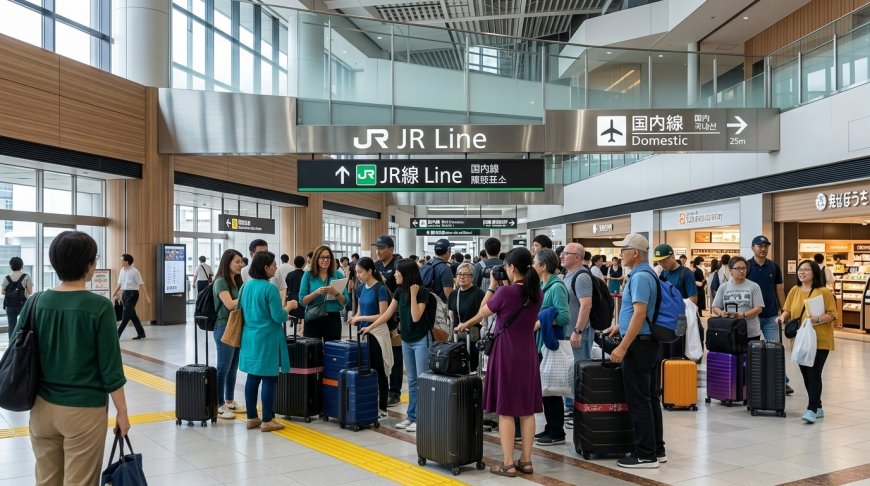
10. Build a Personal "Japan Residence File"
One of the simplest ways to make future immigration procedures easier is to maintain your own residence-document file.
You can keep both a physical folder and a secure digital backup.
Identity Documents
Keep copies of:
- Passport
- Residence card
- Previous residence cards
- My Number-related documents where appropriate
Immigration Documents
Keep:
- Status-of-residence approvals
- Extension applications
- Change-of-status applications
- Permanent-residence documents
- Immigration notification records
- Other important immigration correspondence
Employment Documents
Keep:
- Employment contracts
- Employment certificates
- Salary information
- Company information
- Tax withholding documents
Tax Documents
Keep:
- Resident tax certificates
- Tax payment certificates
- Tax returns where applicable
- Payment records
Pension and Insurance Documents
Keep:
- Pension records
- Pension payment information
- Health insurance documents
- Relevant certificates
- Payment records
Residence History
Keep a simple record of:
- Current address
- Previous addresses
- Moving dates
- Municipal registration procedures
You do not necessarily need to keep every piece of paper forever.
The goal is to maintain an organized record of documents that may be important for immigration, tax, employment, housing, or other major administrative procedures.
A Simple 2026 Residence Checkup
If you have not reviewed your records recently, set aside 30 minutes and go through this checklist.
Immigration
☐ Is my residence card valid?
☐ Do I know the exact expiration date of my current period of stay?
☐ Do I understand what activities my current status of residence permits?
☐ Have I completed any required immigration notifications?
Employment
☐ Is my current employer information correct?
☐ If I changed jobs, did I check whether a notification was required?
☐ Does my current job fit within my status of residence?
Address
☐ Is my registered address correct?
☐ If I moved, did I complete the required procedure within 14 days?
Taxes
☐ Are my resident-tax payments up to date?
☐ Do I have important tax certificates?
☐ Do I have records of my payments?
Pension & Health Insurance
☐ Is my pension record correct?
☐ Are my pension payments up to date?
☐ Is my health insurance information correct?
☐ Are my insurance premiums paid?
Documents
☐ Is my passport valid?
☐ Are my passport and residence-card details consistent?
☐ Do I have copies of important immigration documents?
Future Plans
☐ Am I planning to renew my residence status soon?
☐ Am I considering permanent residence?
☐ Have I checked the latest PR requirements?
☐ Have I checked the immigration fee that will apply to my application?
Why 2026 Is a Good Year to Review Your Records
The important point about Japan's immigration changes in 2026 is that they are not one single change affecting every foreign resident in exactly the same way.
Instead, several different areas have changed or been updated.
Immigration application fees will change from October 1, 2026.
Permanent-residence guidelines were revised earlier in the year.
Residence-card formats changed from June 14.
At the same time, the existing requirements surrounding address notifications, employment-related notifications, tax, pension, health insurance, and residence-status renewals continue to matter.
For foreign residents, this means that old information found in social-media posts, forums, or articles from several years ago may not tell the whole story.
That does not mean every online source is wrong.
It means that important immigration decisions should be checked against current official information.
This is especially important when:
- Your residence period is about to expire
- You are changing jobs
- You are changing your address
- You are preparing a PR application
- Your family situation has changed
- Your employment situation has changed
- You have questions about taxes or pension
- Your passport or residence card is expiring
A small amount of preparation can make a major administrative procedure much easier.
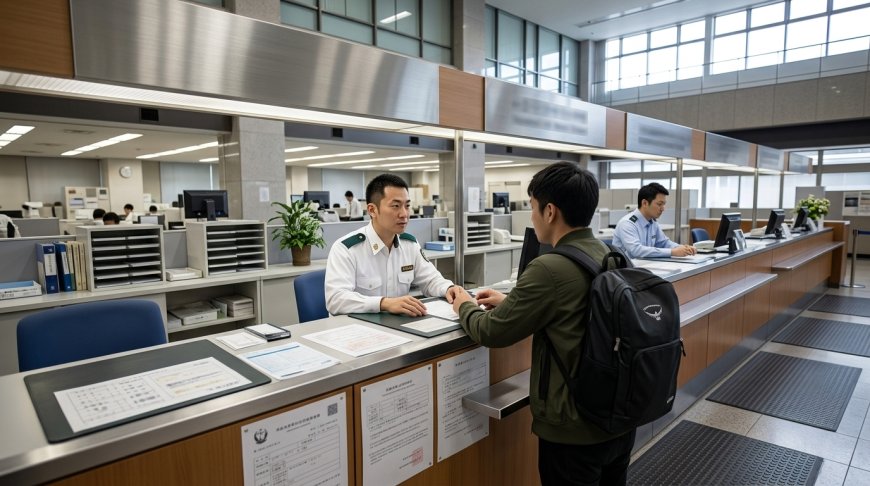
Japan Residence & Newcomer Checklist
Whether you are new to Japan or have already lived here for several years, keeping track of administrative tasks can be difficult.
A practical Japan Residence / Newcomer Checklist can help you organize the important steps surrounding:
- Residence status
- Residence card
- Address registration
- Moving
- Employment
- Taxes
- Pension
- Health insurance
- Banking
- Important documents
- Everyday life in Japan
It can be especially useful if you are:
- Moving to Japan for the first time
- Changing jobs
- Moving to another city
- Preparing for a residence renewal
- Considering permanent residence
- Bringing family members to Japan
- Trying to organize your Japanese administrative documents
[Get the Japan Residence / Newcomer Checklist]
If you are already living in Japan, you can also explore our guide to Japan's Status of Residence and Permanent Residence in Japan.
Frequently Asked Questions
Are Japan visa rules changing in 2026?
Yes. Japan has introduced several immigration-related changes and revisions in 2026, including higher fees for certain residence applications, revised permanent-residence guidelines, and new residence-card formats.
However, these changes do not mean that every foreign resident needs to obtain a new visa or replace their residence card.
How much does it cost to renew a Japan visa in 2026?
From October 1, 2026, fees for extension and change-of-status applications vary according to the period of stay granted. For online applications, the immigration fee ranges from ¥10,000 to ¥65,000, plus the applicable payment-processing fee.
Applications accepted by September 30, 2026 remain subject to the previous fee even if the permission is granted after October 1.
For the detailed fee schedule, see Japan residence fees in 2026.
Are Japan PR requirements changing in 2026?
Japan revised its permanent-residence guidelines in February 2026.
The guidelines continue to address good conduct, independent livelihood, residence history, public obligations, immigration notifications, and the required period of stay for the applicant's current status.
See our Japan Permanent Residence guide for more information.
Does a three-year visa still matter for Japan PR?
Yes. The revised guidelines generally require applicants to have the longest period of stay available for their current status.
However, there is a transitional provision under which a three-year period of stay is treated as the longest period for this requirement until March 31, 2027, with an additional limited transition for certain people holding three years on that date.
Do I need a new residence card in 2026?
Not simply because a new residence-card format has been introduced.
New-format residence cards began being issued from June 14, 2026, but the existence of a new format does not by itself mean that every valid older card must immediately be replaced.
How early can I renew my Japan residence status?
For people with a period of stay of six months or longer, an extension application can generally be submitted from three months before the expiration date.
What should I do if I change jobs in Japan?
Check whether your status of residence requires an immigration notification. For several specified statuses, changes such as ending an employment contract or entering into a new contract must generally be reported within 14 days.
Also check whether your new job falls within the activities permitted by your current status of residence.
If you have lost or left a job, read Lost Your Job in Japan? What Happens to Your Status of Residence?.
How long do I have to report a change of address?
A medium- or long-term resident who changes their residence generally needs to report the new address within 14 days of moving. The required residence notification can generally be handled through the municipal resident-registration procedure.
Can unpaid taxes affect a permanent-residence application?
Proper fulfillment of public obligations is part of the current PR guidelines. The guidelines specifically include taxation, pension, public health insurance and immigration-related notifications.
The timing of payment can also matter. Paying an obligation later does not necessarily mean that the original delay will be disregarded.
Where should I check the latest Japan immigration rules?
For important immigration decisions, check the latest information published by the Immigration Services Agency of Japan and other relevant Japanese government authorities.
Rules and procedures can change, so avoid relying solely on old articles, social-media posts, or advice from someone whose residence status is different from yours.
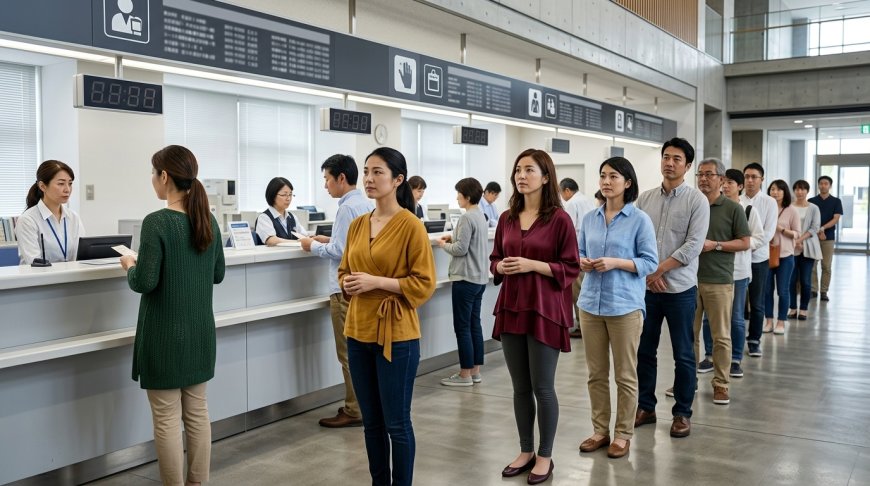
Moving Beyond Visa Management
Living in Japan involves more than keeping track of a visa expiration date.
Your residence status, employment, address, residence card, passport, taxes, pension, health insurance, and immigration notifications can all become important parts of your administrative record.
In 2026, several changes make it particularly useful to review those records.
Immigration application fees are changing from October 1. Permanent-residence guidelines have been revised. New residence-card formats are now being issued. And the importance of keeping public obligations and required notifications properly documented remains clear.
The practical approach is simple:
Know your status.
Know your deadlines.
Keep your records.
Report changes promptly.
Check current official information before making an important immigration decision.
You do not need to memorize every Japanese immigration rule.
But you should know which rules apply to your situation—and where to find the current information when something changes.
Important Disclaimer: This article is provided for general informational purposes only and does not constitute legal, immigration, tax, pension, or other professional advice. Immigration rules, fees, procedures, and individual requirements can change. Always confirm the latest requirements with the Immigration Services Agency of Japan, your local government, or another appropriate official authority before submitting an application or making an important decision.
For more practical Japan living guides, explore related resources like the Living in Japan, Japan Starter Toolkit, and Everyday Japanese for Beginners.
Prepare Smarter, Live Better in Japan (FREE Download)
Download the First 7 Days in Japan Checklist (FREE)
Don’t guess what to do — follow a proven plan.
Download your FREE “First 7 Days in Japan Checklist” PDF now:
✔ Instant download
✔ Mobile-friendly
✔ Printable
Want the COMPLETE Version? (Premium Upgrade)
If you want a deeper, more powerful guide, there’s also a premium version available on Gumroad.
Nipino.com is committed to providing you with accurate and genuine content. Let us know your opinion by clicking HERE.