















































Initial Costs of Moving into an Apartment in Japan
Moving into an apartment in Japan can be surprisingly expensive because renters often pay several months’ worth of costs before receiving the keys. This guide explains each fee clearly, gives realistic sample budgets, and shows how foreigners can reduce upfront costs when renting in Japan.
What Are Initial Costs in Japan?
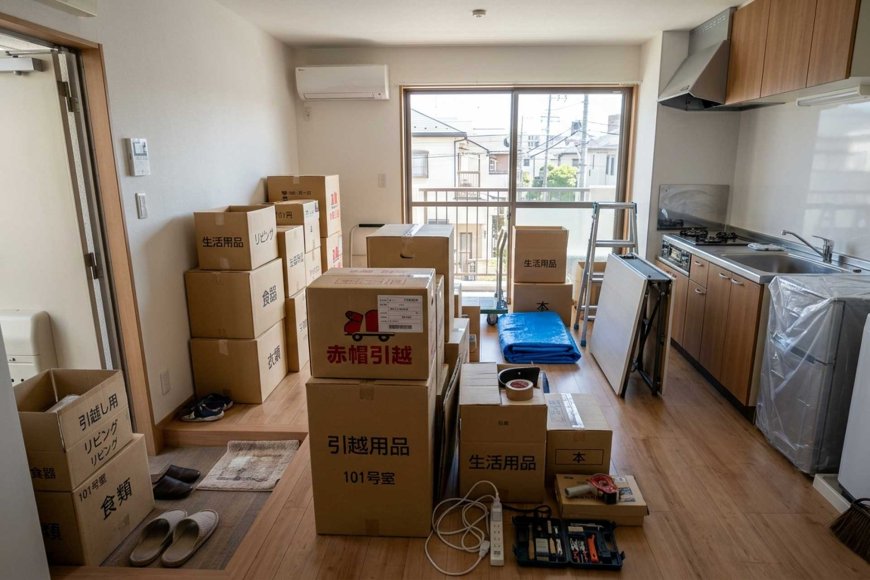
In Japanese, apartment move-in costs are commonly called 初期費用 (shoki hiyou), which means initial expenses. These are the payments required before or around the time you sign the lease and receive the keys. In Japan, the rental process normally involves choosing a property, applying, passing tenant screening, receiving an important matters explanation, signing the contract, paying the required fees, and then receiving the keys. MLIT’s international real estate leasing manual also states that closing costs commonly include security deposit, key money, agent fees, fire insurance, and first month rent.
This is why apartment hunting in Japan should always begin with a budget. A room that looks affordable online may become difficult once all the hidden or semi-hidden fees are added. If your monthly rent target is ¥80,000, you may need several hundred thousand yen ready before move-in. That is not an exaggeration; it is normal in many standard rental contracts.
For a complete overview of the rental process: Complete Guide to Housing in Japan for Foreigners
Security Deposit / 敷金
The security deposit, called 敷金 (shikikin), is money paid to the landlord as protection against unpaid rent, damage, or cleaning costs after you move out. Unlike key money, this fee may be partially refundable. The important word is “partially,” because deductions are common. If the apartment needs cleaning, repairs, or restoration beyond normal wear and tear, the cost may be taken from your deposit.
A typical deposit is around one month’s rent, but some apartments may ask for two months, especially for larger units, pet-friendly rooms, or higher-end properties. Some modern or campaign-based listings advertise zero deposit, but you should read carefully because the cost may appear somewhere else, such as a fixed cleaning fee or higher guarantor fee.
Think of the deposit as a safety cushion for the landlord, not as savings you are guaranteed to get back. Before moving in, take photos and videos of the apartment, especially scratches, stains, dents, old wallpaper, damaged flooring, and bathroom issues. This simple habit can protect you when you move out.
Key Money / 礼金
Key money, called 礼金 (reikin), is one of the most confusing apartment fees in Japan. It is a non-refundable payment to the landlord. Traditionally, it is described as a “thank you” payment for allowing the tenant to rent the property. For many foreigners, this feels strange because you are already paying rent. Still, it remains common in many areas and properties.
Key money is often one month’s rent, though some properties ask for two months, while others offer zero key money. Recent foreigner-friendly listings and competitive rental markets sometimes reduce or remove key money to attract tenants. GTN notes that many foreigner-friendly properties now offer reduced initial costs and that searching for “no key money” can significantly reduce upfront expenses.
If you are trying to lower your move-in cost, zero key money apartments should be one of your first search filters. Paying key money may be unavoidable for a specific location or very attractive apartment, but if your budget is tight, this is one of the easiest fees to avoid.
How to Find Foreigner-Friendly Apartments in Japan
Agency Fee / 仲介手数料
The agency fee, or 仲介手数料 (chukai tesuryo), is paid to the real estate company that introduces the property and handles the rental process. In many cases, the fee is around one month’s rent plus consumption tax. For example, if the rent is ¥80,000, the agency fee may be ¥88,000 after 10% tax.
This fee can feel painful because it does not go toward your rent or deposit. It is payment for the agent’s service. Some agencies offer half-month fees or no agency fee campaigns, but many standard listings still charge close to one month. If you are comparing two similar apartments, always compare the total initial cost, not just the monthly rent.
A lower-rent apartment with high agency fees, key money, and cleaning fees may end up more expensive than a slightly higher-rent apartment with fewer upfront charges.
Guarantor Company Fee / 保証会社費用
Many apartments in Japan require either a personal guarantor or a guarantor company. For foreigners, students, freelancers, and new arrivals, guarantor companies are very common. The guarantor company acts as financial backup if the tenant cannot pay rent.
MLIT’s guide mentions that when using a rental guarantee company, the fee is often about half a month’s rent for a two-year guarantee. In real listings, the first guarantor fee is often around 30% to 100% of one month’s rent, depending on the company and tenant profile. Some contracts also require an annual renewal fee.
This fee is especially important for foreigners because tenant screening may check visa status, income, job type, Japanese ability, emergency contact, and whether the applicant has a stable payment history. MLIT’s manual notes that tenant screening may involve reviewing immigration status and financial capacity.
How to Rent an Apartment in Japan: Step-by-Step for Foreigners
Fire Insurance / 火災保険
Most rental contracts require fire insurance, called 火災保険 (kasai hoken). This usually covers fire-related damage, water leakage, and personal liability depending on the policy. Even if the apartment is small, insurance is usually not optional.
A common range is around ¥15,000 to ¥25,000 for a two-year lease, though the amount depends on the property and insurance plan. It may not be the largest fee, but it is part of the standard move-in package, so do not forget to include it in your budget.
Lock Change Fee
The lock change fee covers replacing or changing the cylinder before the new tenant moves in. This is done for security, so the previous tenant cannot access the unit. The fee often ranges from around ¥10,000 to ¥25,000, though it can be higher for special keys or auto-lock systems.
Some tenants wonder if this fee is necessary. In many contracts, it is simply included as part of the required move-in cost. If the estimate includes it, ask the agent whether it is optional or mandatory. Usually, it is treated as standard.
Cleaning Fee
A cleaning fee may be charged upfront or deducted when you move out. Some apartments list it clearly from the beginning, while others mention it in the contract details. This fee is used for professional cleaning after you leave the apartment.
Cleaning fees vary by room size. A small 1R or 1K apartment may cost less, while a family-sized unit will cost more. Be careful with apartments advertised as zero deposit, because they may still require a fixed cleaning fee. In that case, the upfront cost looks cheaper, but it is not completely free.
First Month’s Rent and Prorated Rent
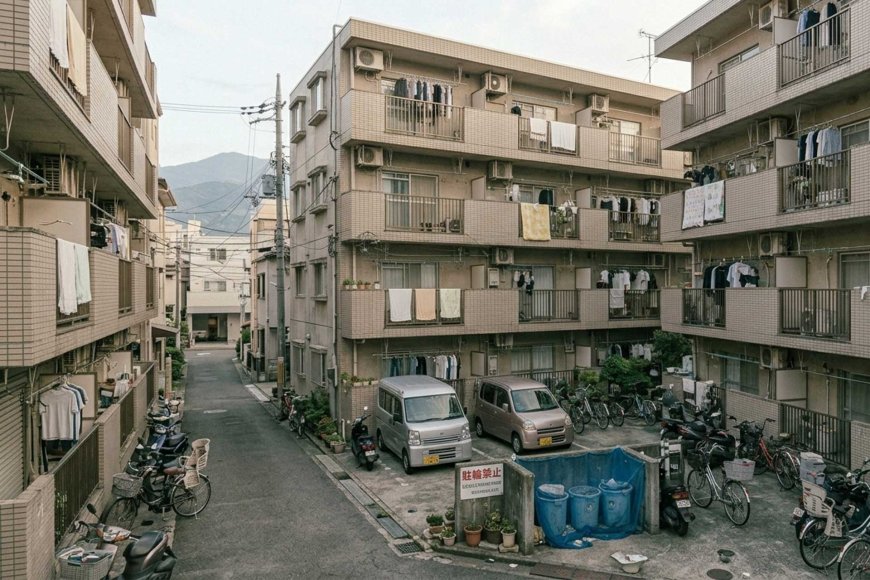
In Japan, rent is usually paid in advance. If you move in on the first day of the month, you may pay the full first month’s rent. If you move in during the middle of the month, you may pay prorated rent for the remaining days plus the next full month’s rent.
This is where estimates can become confusing. For example, moving in on April 20 may require rent for April 20–30 plus all of May. That means your “first rent payment” may be more than one month. Always ask the agent which period the rent payment covers.
Common Service Fee / 管理費・共益費
Many apartments charge a monthly management fee or common service fee, called 管理費 (kanrihi) or 共益費 (kyoekihi). This pays for shared building maintenance, lights in common areas, cleaning, elevators, garbage areas, and other building services.
This fee may be ¥3,000, ¥5,000, ¥10,000, or more depending on the building. It is usually paid monthly together with rent, but it may also appear in the initial payment calculation. When comparing properties, do not compare rent alone. Compare rent + management fee.
Sample Initial Cost Breakdown
Here is a simple estimate to show how apartment move-in costs can quickly add up. Actual prices vary by city, property, landlord, agency, and campaign.
| Monthly Rent | ¥70,000 | ¥90,000 | ¥120,000 |
| Deposit | ¥70,000 | ¥90,000 | ¥120,000 |
| Key Money | ¥70,000 | ¥90,000 | ¥120,000 |
| Agency Fee + Tax | ¥77,000 | ¥99,000 | ¥132,000 |
| Guarantor Fee | ¥35,000 | ¥45,000 | ¥60,000 |
| Insurance | ¥20,000 | ¥20,000 | ¥25,000 |
| Lock/Cleaning Fees | ¥40,000 | ¥45,000 | ¥50,000 |
| First Rent | ¥70,000 | ¥90,000 | ¥120,000 |
| Estimated Total | ¥382,000 | ¥479,000 | ¥627,000 |
A 2026 rental example from a Tokyo-focused housing guide showed a ¥90,000 apartment with key money, deposit, agency fee, guarantor fee, insurance, lock change, and first month’s rent totaling around ¥450,500. Another 2026 foreigner rental guide notes that even without key money, upfront costs can often reach 3–5 months of rent.
This is why a safe budgeting rule is simple: prepare at least 4 to 6 months of rent before applying. If you find a cheaper contract, great. But if you only prepare two months of rent, your options may become very limited.
Tokyo vs Regional Cities: Why Location Changes Everything
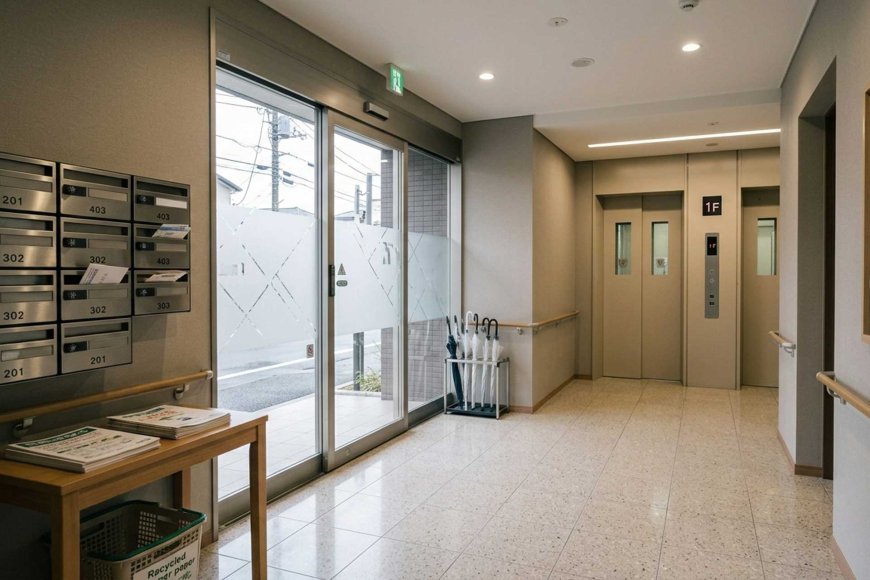
Tokyo is usually more expensive than regional cities, especially near popular train lines and central wards. Recent Tokyo rental guides estimate that single-person rent in Tokyo can commonly fall around ¥80,000 to ¥130,000, depending on area and apartment type. For 1R or 1K apartments, some 2026 Tokyo estimates place typical rents around ¥70,000 to ¥120,000, with larger layouts rising much higher.
In regional areas like Niigata, Sendai, Okayama, Fukuoka suburbs, or smaller cities, rent can be significantly lower. But the structure of initial fees may still be similar. A cheaper apartment does not always mean fewer fee categories. It simply means each rent-based fee may be calculated from a lower monthly rent.
Monthly Cost of Living in Japan: 2026 Full Breakdown
How Foreigners Can Reduce Initial Apartment Costs
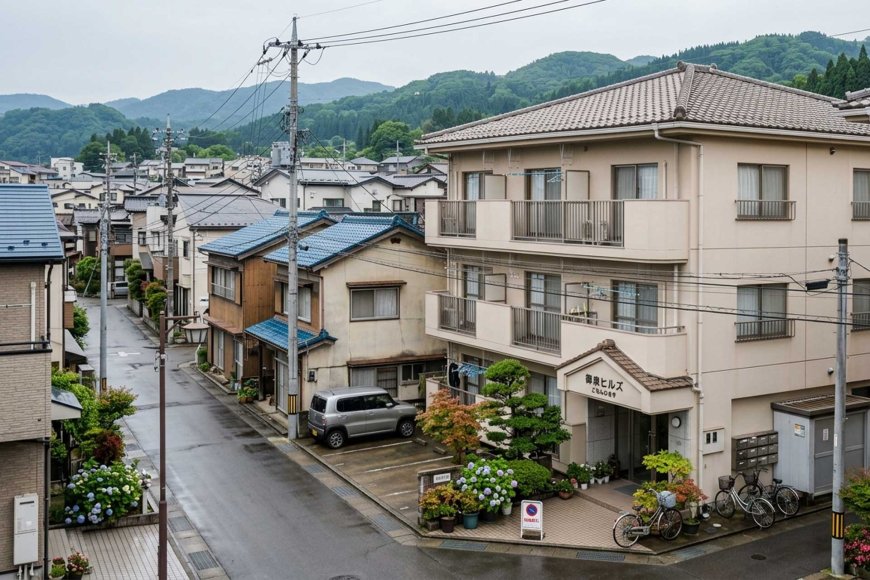
The best way to reduce apartment move-in costs in Japan is to search strategically. Do not fall in love with the first beautiful room you see online. Apartment hunting is like grocery shopping when you are hungry: if you rush, you may overpay.
Start by looking for apartments with zero key money, zero deposit, or reduced initial cost campaigns. These listings are common in some areas, especially during slower rental seasons or in buildings that want faster occupancy. You can also consider share houses, which often have much lower upfront costs. Some 2026 housing guides note that share houses may require no key money, no deposit, and no agency fee, with move-in costs as low as one or two months’ rent.
Monthly apartments are another option if you are newly arrived, still job hunting, or unsure where you want to live long term. They may cost more per month, but they can reduce the pressure of paying several large fees immediately. For some people, the best strategy is to stay in a share house or monthly apartment for the first few months, then move into a standard apartment after building income records, documents, and confidence.
Also, avoid making your search too narrow. If you demand “5 minutes from the station, new building, no key money, pet-friendly, large room, cheap rent, foreigner-friendly, top floor,” you may find almost nothing. Choose your top three priorities. Maybe location, total initial cost, and foreigner-friendly screening matter more than having a brand-new kitchen.
Best Housing Options in Japan: Apartment vs Share House vs UR
Documents You May Need Before Paying
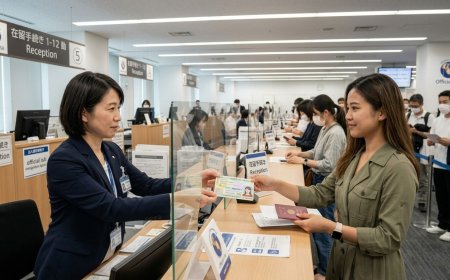
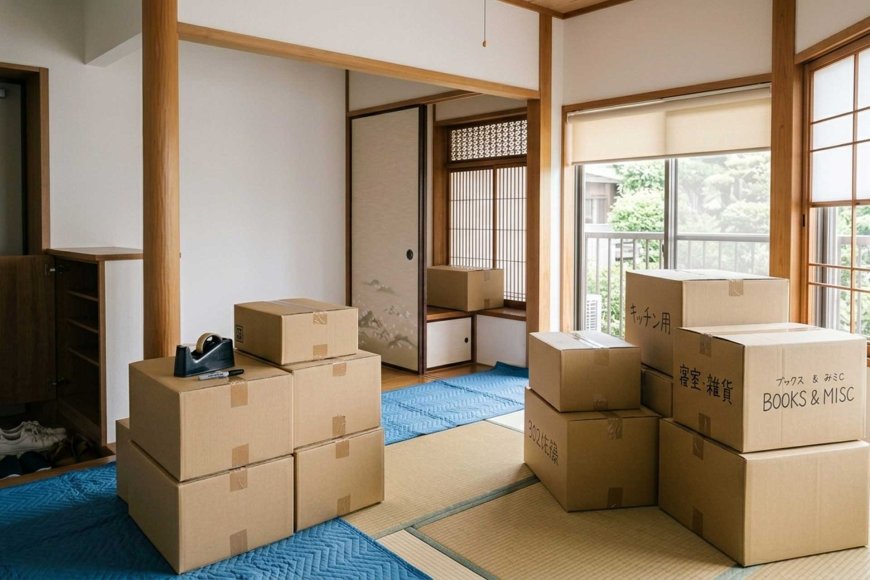
Before you even reach the payment stage, you usually need to pass screening. MLIT’s guide lists documents such as passport, residence card, proof of earnings, employment certificate, student registration certificate, and guarantor-related documents when applicable.
Prepare these early. If your documents are incomplete, another applicant may take the room before you finish. In Japan’s rental market, timing matters. A good apartment can disappear quickly, especially before the school year or company transfer season.
Common documents include:
| Document | Why It Matters |
| Residence card | Confirms legal status in Japan |
| Passport | Confirms identity |
| Employment certificate | Shows job stability |
| Proof of income | Shows ability to pay rent |
| Student certificate | Required for students |
| Emergency contact | Often required for screening |
| Japanese phone number | Usually needed for application |
The Smart Way to Budget Before Signing
Before signing, ask the agent for a full written estimate. Do not rely on verbal explanations only. The estimate should show each fee clearly. If you do not understand a fee, ask. If the Japanese is difficult, use translation support or ask someone you trust to check it.
You should know:
| Question | Why You Should Ask |
| Is the deposit refundable? | To understand move-out expectations |
| Is key money required? | To know what will not come back |
| Is the agency fee negotiable? | To possibly reduce upfront cost |
| Is there a guarantor renewal fee? | To avoid surprise future costs |
| Is cleaning paid now or at move-out? | To calculate total cost |
| What date does rent start? | To avoid paying earlier than expected |
A cheap-looking apartment can become expensive if the contract includes many extras. A slightly more expensive apartment can actually be better if it has no key money and lower initial fees.
A Practical Rule for Readers
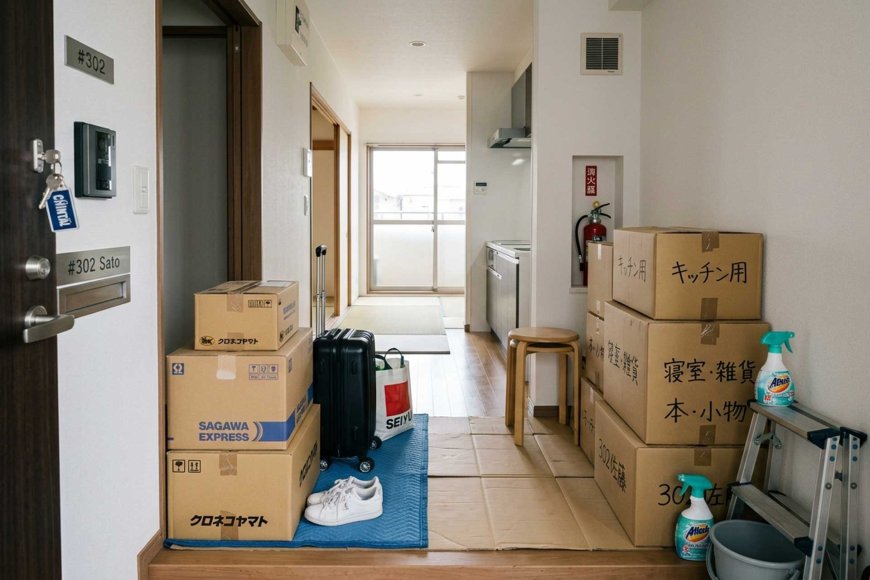
For foreigners moving into an apartment in Japan, here is a simple rule: do not apply for an apartment unless you can comfortably pay the full initial estimate and still have emergency money left. Moving costs do not stop at the contract. You may still need furniture, curtains, bedding, appliances, internet setup, transportation, city hall paperwork, and daily necessities.
If the apartment is unfurnished, even basic items can add up quickly. Refrigerator, washing machine, microwave, futon, table, curtains, lights, cookware, and cleaning supplies can easily cost tens of thousands of yen more. Your apartment contract is only the first gate. Living comfortably is the next one.
Complete Guide to Budgeting in Japan
Budget First, Choose the Room Second
The initial costs of moving into an apartment in Japan can feel heavy, but they become less scary when you understand each fee. The biggest mistake is looking only at monthly rent. The smarter approach is to calculate the full move-in cost, compare several properties, check which fees are refundable, and choose a room that fits both your lifestyle and your wallet.
Japan rewards preparation. If you prepare your documents, understand the fees, and set a realistic budget, apartment hunting becomes much smoother. You may not avoid every cost, but you can avoid the worst surprise: finding the perfect room and realizing too late that the real move-in price is far beyond your budget.
Prepare Smarter, Live Better in Japan (FREE Download)
Download the First 7 Days in Japan Checklist (FREE)
Don’t guess what to do — follow a proven plan.
Download your FREE “First 7 Days in Japan Checklist” PDF now:
✔ Instant download
✔ Mobile-friendly
✔ Printable
Want the COMPLETE Version? (Premium Upgrade)
If you want a deeper, more powerful guide, there’s also a premium version available on Gumroad.
Nipino.com is committed to providing you with accurate and genuine content. Let us know your opinion by clicking HERE.