































September in Japan 2026: Weather, Holidays, Festivals & Tips
September marks the beginning of autumn in Japan, but don't put away your summer clothes just yet. From lingering heat and typhoons to festivals, seasonal food and the first autumn colors, here's what foreigners living in Japan should know about September 2026.
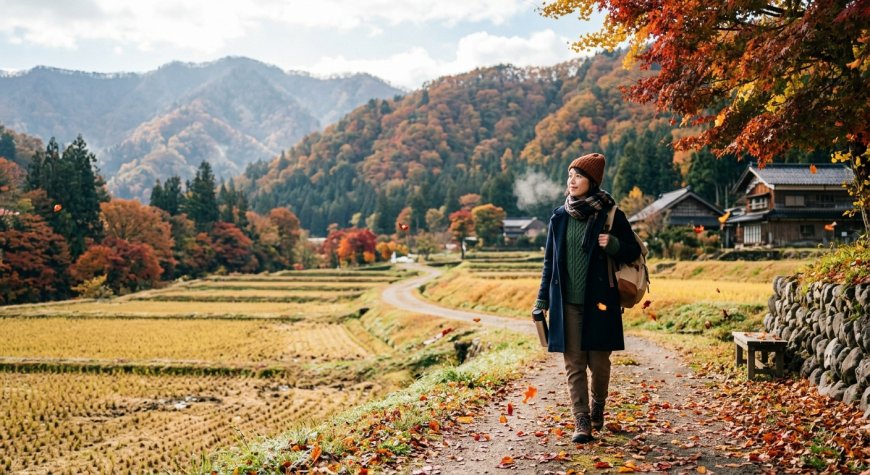
September is an Interesting Month in Japan
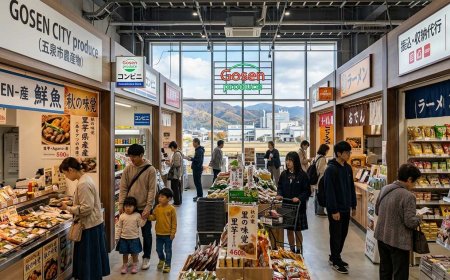
According to the traditional calendar, summer is ending and autumn is beginning. Convenience stores start displaying autumn products, seasonal foods return to supermarket shelves, and advertisements suddenly seem filled with red leaves and warmer colors.
Step outside, however, and it may still feel very much like summer.
September can remain hot and humid across much of Japan, particularly during the first half of the month. At the same time, typhoons can disrupt transportation and daily life, while northern and mountainous areas gradually begin showing the first signs of autumn.
For foreigners living in Japan, September is therefore more than simply the month between summer and autumn.
There are holidays to know about, weather risks to prepare for, festivals worth experiencing, seasonal foods appearing in stores, and several small changes in everyday life.
Guide to Budgeting in Japan: Cost of Living, Savings, and Expenses
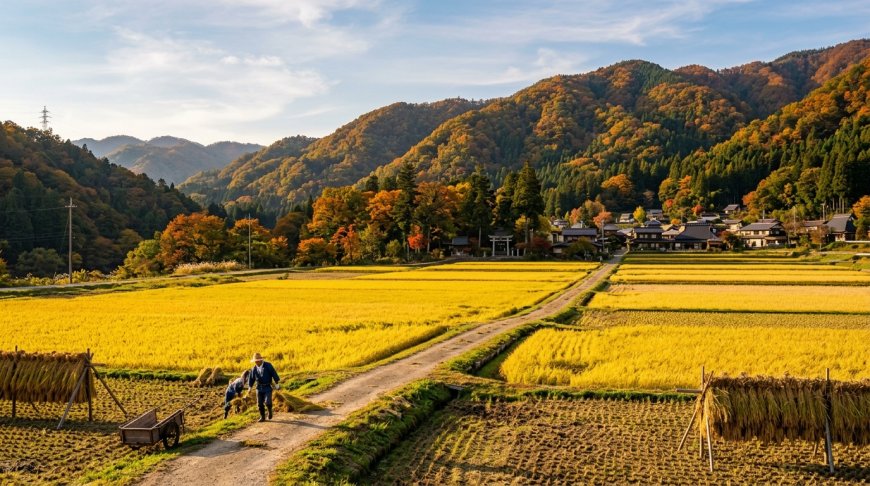
Is September Autumn in Japan?
Officially, yes.
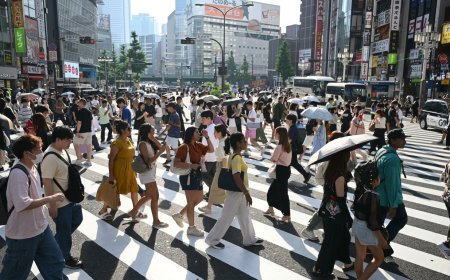
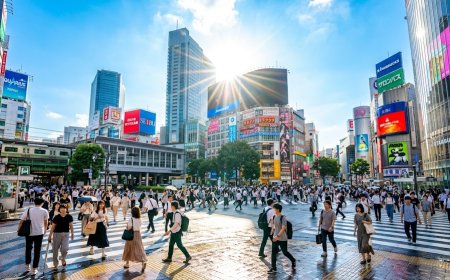
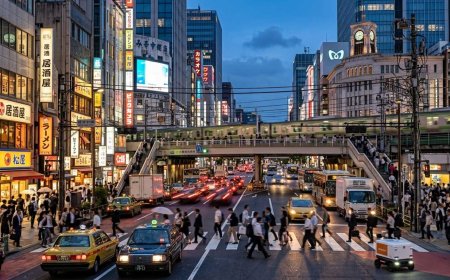
September, October and November are generally considered Japan's autumn months. But Japanese seasons do not change overnight. In Tokyo, Osaka, Nagoya, Fukuoka and many other cities, September can still feel surprisingly hot. People may continue using air conditioners, wearing short sleeves and carrying drinks everywhere they go. The change is usually gradual.
Mornings and evenings may begin feeling more comfortable. Humidity can slowly decrease. Daylight becomes shorter, and cooler days become increasingly common as the month progresses.
Travel north, however, and the situation can be very different.
Hokkaido begins experiencing autumn considerably earlier than central and southern Japan. In high-elevation areas such as Daisetsuzan, autumn colors can start appearing during September.
This is one of the fascinating things about Japan.
The country stretches far enough from north to south that someone in Hokkaido can be looking at autumn leaves while someone in Okinawa is still going to the beach.
September Weather in Japan
One mistake newcomers sometimes make is assuming that September means cool autumn weather.
Not necessarily.
September can still bring significant heat and humidity. This is especially true during the beginning of the month.
If you are living in Japan, it is usually too early to completely pack away your summer clothes.
Short-sleeved shirts may still be useful during the daytime, while a light jacket or cardigan can become increasingly useful during cooler mornings and evenings later in the month.
The temperature also depends heavily on where you live.
Hokkaido
Autumn arrives earlier here.
Temperatures begin cooling, particularly in the mornings and evenings, and mountainous areas can already display autumn colors.
Tohoku
September becomes increasingly comfortable as the month progresses, although warmer days are still possible.
Tokyo, Yokohama and Kanto
Expect a mixture of summer-like heat, humidity, rain and gradually cooler days.
Nagoya, Kyoto and Osaka
September can still feel very warm, especially during the first half of the month.
Kyushu
Summer conditions can continue well into September.
Okinawa
Expect warm tropical conditions, but also pay close attention to typhoon forecasts.
The best approach is simple:
Don't dress according to the calendar. Dress according to the weather forecast.
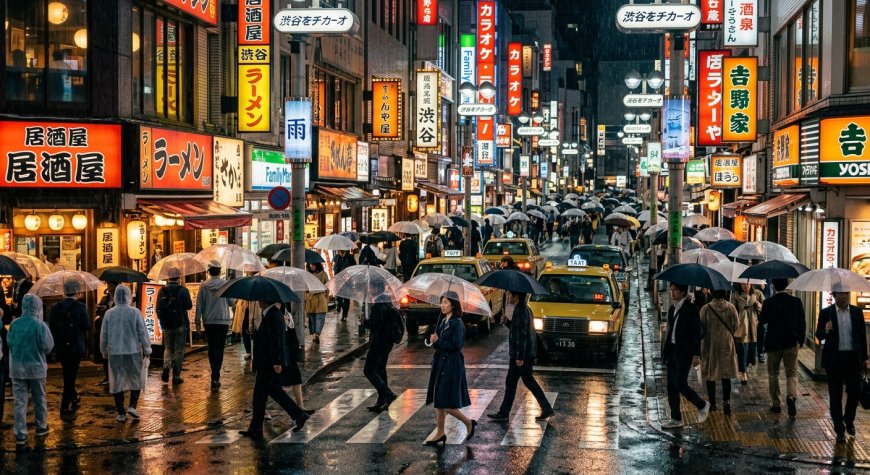
September Is Also Typhoon Season
This is probably the most important practical thing foreigners should understand about September. Typhoons, called 台風 (たいふう / taifū) in Japanese, are most frequent around late summer and September. That does not mean a typhoon will hit your city.
It means you should be prepared for the possibility.
Typhoons can bring:
- Strong winds
- Heavy rain
- Flooding
- Landslides
- Train delays
- Train cancellations
- Flight cancellations
- Road closures
- Ferry cancellations
- Temporary business closures
Even if the center of a typhoon does not pass directly over your area, transportation can still be affected.
This matters particularly if you commute by train or have travel plans.
Learn These Japanese Typhoon Words
Foreign residents do not need to understand every word in a Japanese weather report.
But learning several important terms can make emergency information much easier to understand.
- 台風 (たいふう) — Typhoon
- 大雨 (おおあめ) — Heavy rain
- 強風 (きょうふう) — Strong wind
- 暴風 (ぼうふう) — Violent/very strong wind
- 洪水 (こうずい) — Flood
- 土砂災害 (どしゃさいがい) — Landslide disaster
- 警報 (けいほう) — Warning
- 注意報 (ちゅういほう) — Advisory
- 避難 (ひなん) — Evacuation
- 運休 (うんきゅう) — Suspension/cancellation of transportation service
If you see 運休 next to your train line, pay attention.
It may mean your train is not operating.
Prepare Before a Typhoon Arrives
Japan has extensive disaster-management systems, but preparation is still the responsibility of each household.
If a strong typhoon is forecast for your area, basic preparations can make life much easier.
- Charge your phone and power bank.
- Keep some drinking water available.
- Have enough simple food for at least a short period.
- Bring objects from your balcony indoors.
- Check your train or bus service before leaving home.
- Know where your nearest evacuation center is located.
- Keep important documents somewhere protected from water.
- If you live near a river, mountain or flood-prone area, check your municipality's hazard map.
Foreign residents should also consider installing disaster and weather applications that provide notifications they can understand.
Do not wait until conditions become dangerous before checking what is happening.
September Holidays in Japan
September usually contains two important national holidays.
Understanding Japanese holidays is useful even if you personally do not celebrate them because they can affect schools, government offices, businesses, transportation and travel.
Respect for the Aged Day — 敬老の日
敬老の日 (けいろうのひ / Keirō no Hi) means Respect for the Aged Day.
It is a national holiday dedicated to showing appreciation and respect for elderly people and celebrating longevity.
Families may visit grandparents, give gifts or spend time together.
For foreigners living in Japan, it is also an interesting reminder of the importance Japanese society traditionally places on respecting older generations.
Autumnal Equinox Day — 秋分の日
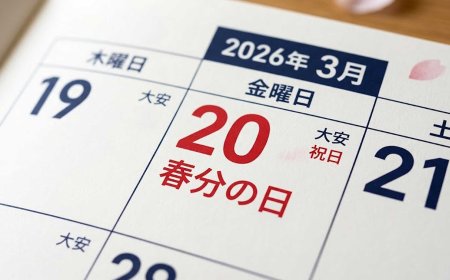
秋分の日 (しゅうぶんのひ / Shūbun no Hi) is Autumnal Equinox Day.
It occurs around the time when daytime and nighttime become approximately equal in length.
The holiday also has cultural connections with remembering ancestors and visiting family graves.
You may hear the term:
お彼岸 (おひがん / Ohigan)
This refers to a Buddhist period associated with the spring and autumn equinoxes.
Some Japanese families visit graves, clean family grave sites and make offerings during this period.
Why September Holidays Matter for Travel
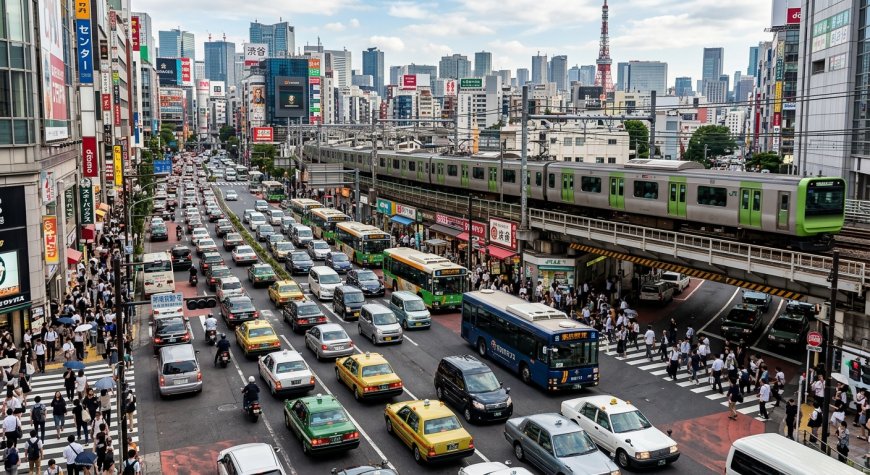
National holidays can create busy travel periods.
That means trains, highways, hotels and popular tourist destinations can become considerably busier than normal.
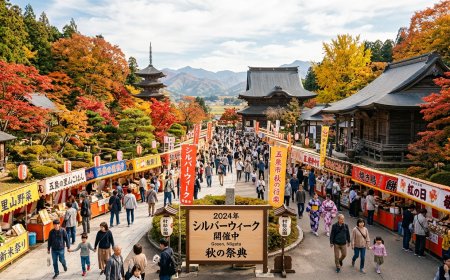
If several holidays and weekends fall close together, people sometimes refer to the period as:
シルバーウィーク — Silver Week
The name is inspired by Golden Week.
Silver Week does not occur in exactly the same way every year because it depends on how the September holidays align with weekends and the calendar.
For foreigners planning domestic trips, the lesson is straightforward:
Check the holiday calendar before booking.
A hotel that is inexpensive on an ordinary September weekday may become considerably more expensive during a holiday period.
Shinkansen seats can also become harder to obtain.
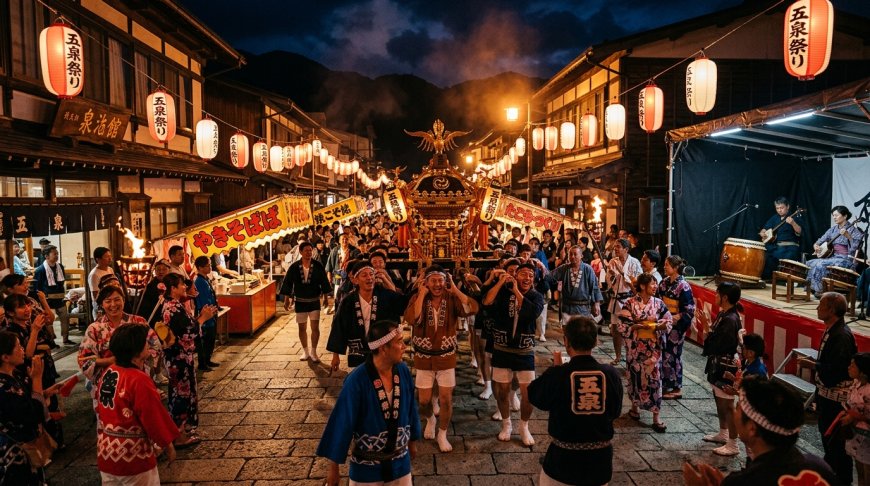
September Festivals Worth Knowing
Summer may be famous for fireworks and huge matsuri, but Japan's festival season does not suddenly end when August finishes.
September has several fascinating traditional festivals.
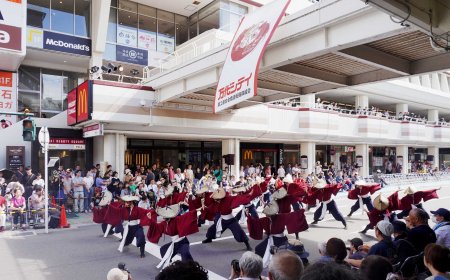
Owara Kaze no Bon — Toyama
One of the most atmospheric September festivals takes place relatively close to Niigata.
Owara Kaze no Bon (おわら風の盆) is held in Yatsuo, Toyama.
Rather than the loud, energetic atmosphere associated with some Japanese summer festivals, Kaze no Bon has a more elegant and almost mysterious feeling.
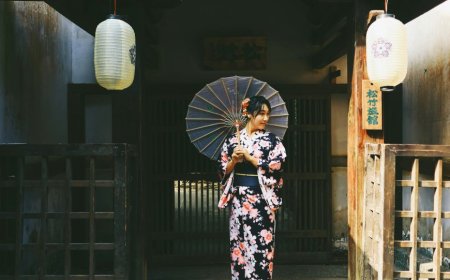
Dancers wearing traditional clothing move through historic streets accompanied by traditional music.
The festival is traditionally held from September 1 to 3.
For foreigners living in the Hokuriku or Niigata region, it can make an excellent cultural trip.
Kishiwada Danjiri Festival — Osaka
At the opposite end of the festival spectrum is Osaka's famous Kishiwada Danjiri Festival.
Large wooden festival floats called だんじり (danjiri) are pulled through the streets by teams of participants.
The festival is famous for its speed, energy and dramatic turns.
It is one of the most visually impressive traditional festivals to experience in September.
Early Autumn Events Across Japan
September also brings numerous smaller local festivals.
This is something foreigners living outside major tourist cities should take advantage of.
You do not always need to travel to Kyoto, Osaka or Tokyo to experience Japanese culture.
Check:
- Your city website
- Local tourism websites
- Train station posters
- Community newsletters
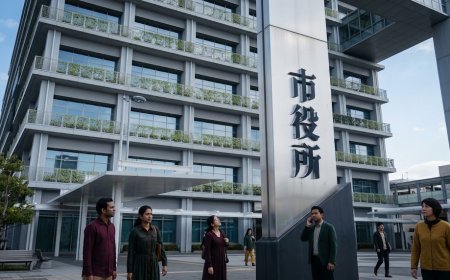
- 市役所 (しやくしょ / city hall) information
- Tourist information centers
You may discover festivals only a short train ride from home.
Autumn Leaves Begin—but Not Everywhere
Foreigners sometimes associate September in Japan with spectacular red maple leaves.
For most of the country, that image is a little early.
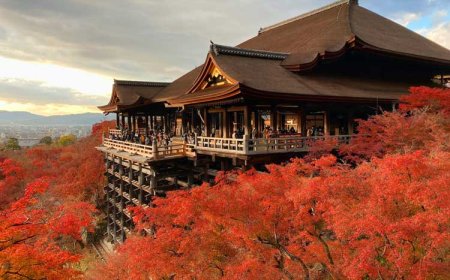
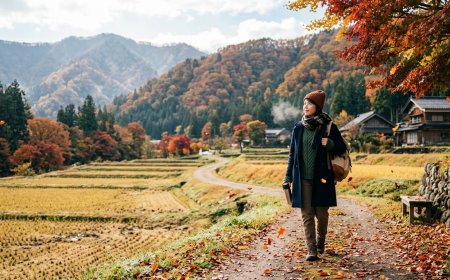
Japan's famous autumn foliage generally progresses from north to south and from higher elevations toward lower elevations.
During September, some of the earliest colors can appear in Hokkaido and high mountain areas.
Daisetsuzan National Park in Hokkaido is particularly famous for experiencing some of Japan's earliest autumn foliage.
In Tokyo, Kyoto, Osaka and many lower-elevation locations, peak autumn colors usually arrive considerably later.
So if you visit Kyoto in early September expecting bright red maple trees everywhere, you may be disappointed.
But if you enjoy hiking and are willing to travel north or into the mountains, September can offer an early preview of Japan's autumn.
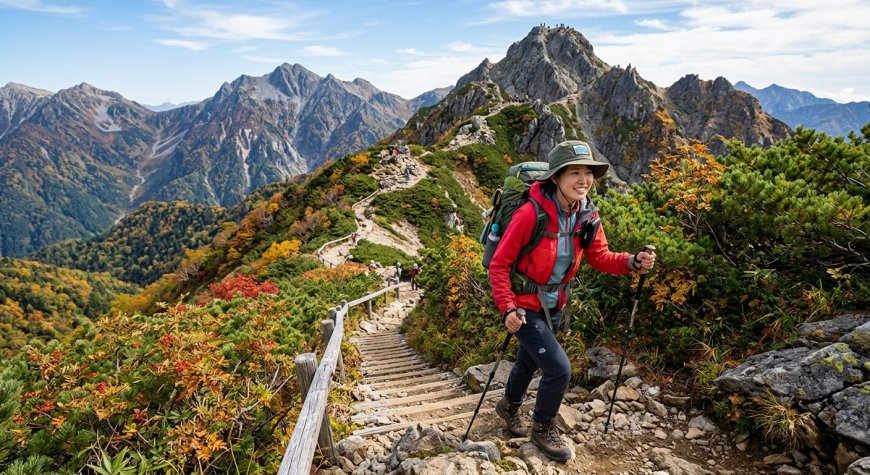
September Is a Great Month for Hiking
As the extreme summer heat gradually weakens, outdoor activities become more comfortable.
That makes September attractive for:
- Hiking
- Cycling
- Camping
- Scenic drives
- Nature photography
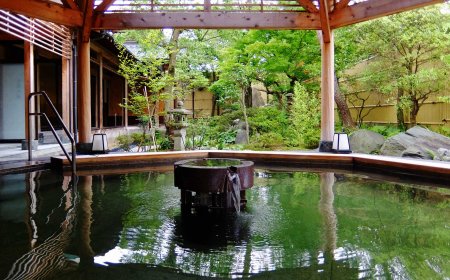
- Onsen trips
But remember the typhoon risk. Always check the weather forecast before heading into mountains or remote areas. Heavy rainfall can create dangerous conditions even after the rain itself has stopped.
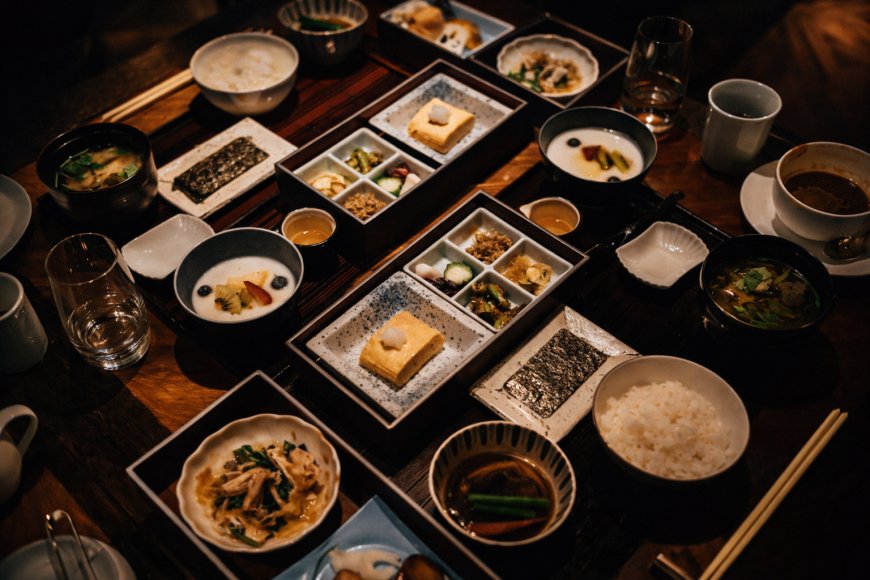
Autumn Food Starts Appearing Everywhere
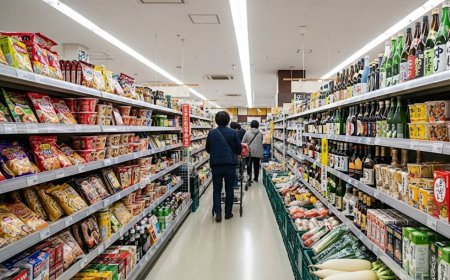
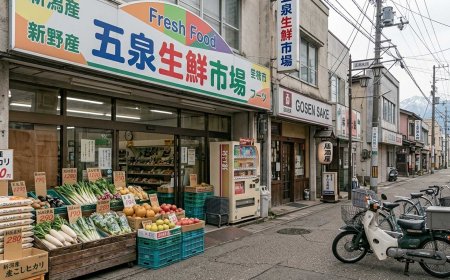
One of the easiest ways to notice the changing seasons in Japan is simply to walk through a supermarket. Japan takes seasonal food very seriously. Autumn is sometimes described as:
食欲の秋 (しょくよくのあき / shokuyoku no aki)
Literally:
"Autumn of appetite."
The expression reflects the idea that autumn is an especially good season for eating. During September, supermarkets, restaurants, bakeries and convenience stores begin highlighting autumn flavors.
Look for foods such as:
Sanma — 秋刀魚
Pacific saury is one of Japan's classic autumn fish.
Grilled sanma served with grated daikon is a simple seasonal dish worth trying.
Kuri — 栗
Chestnuts begin appearing in desserts, cakes, rice dishes and sweets.
You may see:
栗ご飯 (くりごはん) — chestnut rice.
Satsumaimo — さつまいも
Japanese sweet potato becomes increasingly visible as autumn approaches.
Expect sweet-potato flavored desserts, drinks, ice cream and snacks.
Nashi — 梨
Japanese pears are crisp, juicy and refreshing.
They are one of the easiest seasonal fruits for newcomers to enjoy.
Shinmai — 新米
新米 (しんまい) means newly harvested rice.
This is particularly significant in rice-producing prefectures.
And if you live in Niigata, autumn is an especially interesting time.
Niigata is one of Japan's most famous rice-producing regions, and the arrival of newly harvested rice is something worth experiencing.
Try freshly harvested local rice and you may understand why Japanese people can become surprisingly passionate about something that looks as simple as a bowl of white rice.
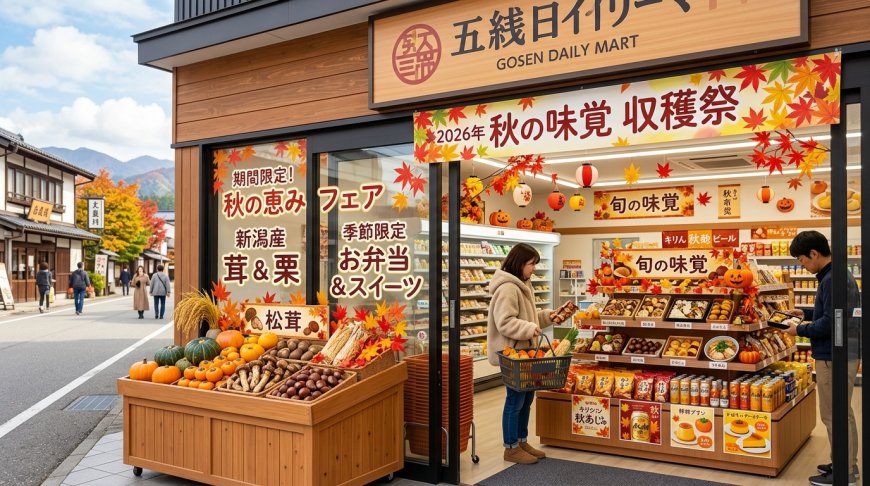
Convenience Stores Change With the Season Too
Japan's convenience stores are surprisingly good indicators of seasonal change.
During September, you may start noticing:
- Sweet potato desserts
- Chestnut sweets
- Pumpkin products
- Autumn-themed drinks
- Seasonal beer packaging
- Limited-edition chocolates
- Hotter food options gradually returning
Japan's major food companies frequently release limited seasonal products. Some disappear after only a few weeks. So if something looks interesting, waiting too long can mean missing it completely.
A Simple September Checklist for Foreign Residents
As September begins, consider doing a few simple things.
Keep your summer clothes available.
Hot weather may continue.
Prepare for typhoons.
Check emergency supplies, weather applications and your local hazard map.
Check the national holiday calendar.
Especially before making travel plans.
Start looking for autumn events.
Local festivals can be some of the best cultural experiences in Japan.
Try seasonal food.
Look for sanma, nashi, chestnuts, sweet potatoes and newly harvested rice.
Plan an autumn trip.
But remember that peak autumn foliage comes later in much of Japan.
Enjoy the transition.
September is not fully summer and not fully autumn.
That is exactly what makes it interesting.
One of Japan's Most Underrated Months
September does not have the worldwide reputation of cherry blossom season.
It does not have the spectacular autumn colors that usually attract travelers later in the year.
And it certainly does not have the excitement of New Year or Golden Week.
But September offers something different.
It is a month of transition.
Summer festivals slowly disappear.
Rice fields turn golden.
Seasonal foods return.
The evenings become cooler.
The first autumn colors appear in northern Japan.
And somewhere in the Pacific, everyone keeps one eye on the next typhoon forecast.
For foreigners living in Japan, these seasonal transitions are part of understanding the country.
Japan's seasons are not simply changes in temperature.
They influence food, holidays, festivals, clothing, travel, advertising, traditions and everyday conversations.
So when September arrives, don't simply wait for autumn.
Pay attention to the small changes happening around you.
Try the seasonal food.
Visit a local festival.
Take a weekend trip.
Learn a few new Japanese words.
And enjoy one of the most interesting transitions in the Japanese calendar.
Autumn is coming.
But in Japan, the journey from summer to autumn is an experience of its own.
For more practical Japan living guides, explore related resources like the Living in Japan, Japan Starter Toolkit, and Everyday Japanese for Beginners.
Prepare Smarter, Live Better in Japan (FREE Download)
Download the First 7 Days in Japan Checklist (FREE)
Don’t guess what to do — follow a proven plan.
Download your FREE “First 7 Days in Japan Checklist” PDF now:
✔ Instant download
✔ Mobile-friendly
✔ Printable
Want the COMPLETE Version? (Premium Upgrade)
If you want a deeper, more powerful guide, there’s also a premium version available on Gumroad.
Nipino.com is committed to providing you with accurate and genuine content. Let us know your opinion by clicking HERE.