















































Japanese Phrases You Need at City Hall: 25 Words & Sentences for Foreign Residents
Visiting city hall in Japan can be confusing when you don't speak much Japanese. This beginner-friendly guide teaches 25 useful Japanese words and sentences for address registration, residence certificates, health insurance, My Number procedures, and asking municipal staff for help.
Visiting City Hall in Japan Doesn't Have to Be Stressful
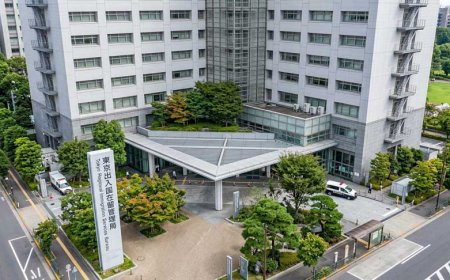
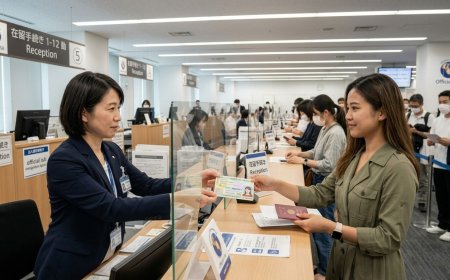
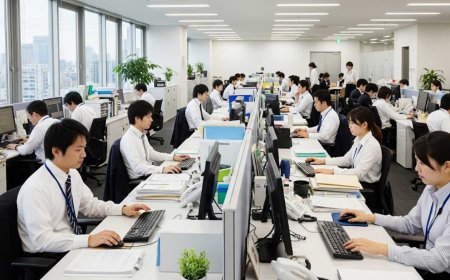
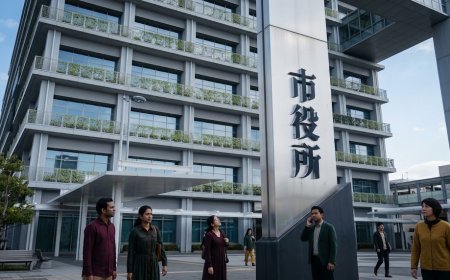
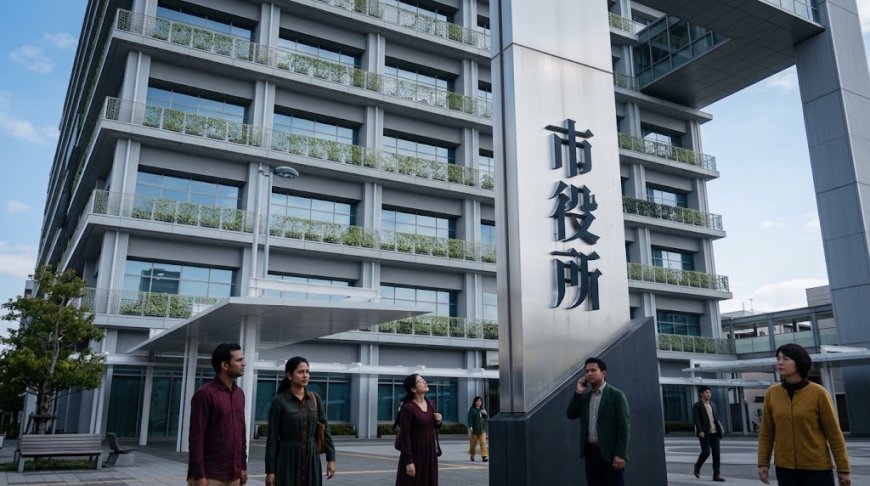
If you're a foreigner living in Japan, sooner or later you'll need to visit your local city hall (市役所), ward office (区役所), or town office (町役場).
Maybe you've just moved to Japan and need to register your address. Perhaps you've changed apartments, need a residence certificate, or have questions about national health insurance.
Whatever your situation, visiting a government office can feel intimidating, especially when the staff speak Japanese and you're still learning the language.
The good news? You don't need to speak fluent Japanese to handle many basic procedures.
Knowing a few important words, asking simple questions, and preparing your documents can make the experience much easier.
If you're new to Japan, our Ultimate Guide to Moving to Japan explains other important steps to help you settle into your new life.
Let's start with 25 useful Japanese words and sentences you can use at city hall.
What Is City Hall Called in Japanese?
Before learning the phrases, it's helpful to understand the different names used for municipal offices.
| Japanese | Hiragana | Meaning |
|---|---|---|
| 市役所 | しやくしょ | City hall |
| 区役所 | くやくしょ | Ward office |
| 町役場 | まちやくば | Town office |
| 村役場 | むらやくば | Village office |
| 窓口 | まどぐち | Service counter |
These offices handle many everyday administrative procedures for residents.
Depending on your municipality and personal circumstances, you may visit them for address registration, residence certificates, health insurance, pension inquiries, tax documents, or My Number procedures.
Important: Immigration procedures such as extending your period of stay are generally handled by the Immigration Services Agency, not city hall.
For more information about residence-related responsibilities, read Japan Visa & Residence Rules Changing in 2026: 10 Things Foreigners Should Check.
25 Essential Japanese Words & Sentences for City Hall
Part 1: Basic Communication at the Counter
1. すみません。 (Sumimasen)
English: Excuse me.
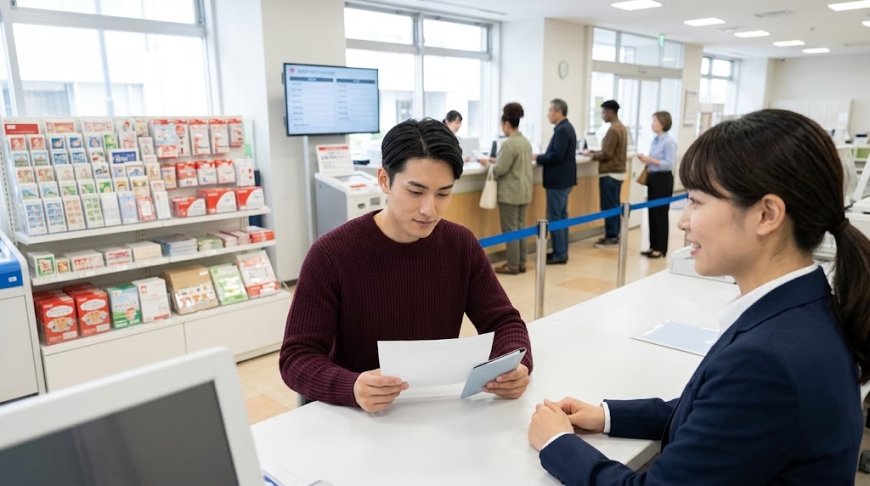
Use this when approaching a counter or asking a staff member for assistance.
Example:
すみません、ちょっといいですか。
Sumimasen, chotto ii desu ka?
Excuse me, may I ask you something?
2. 日本語があまり話せません。 (にほんごが あまり はなせません)
Romaji: Nihongo ga amari hanasemasen.
English: I don't speak much Japanese.
This is one of the most useful sentences for beginners.
It politely tells the staff that you may need additional assistance.
3. ゆっくり話してください。 (ゆっくり はなしてください)
Romaji: Yukkuri hanashite kudasai.
English: Please speak slowly.
Municipal staff may use unfamiliar administrative vocabulary. Don't hesitate to ask them to slow down.
4. もう一度お願いします。 (もういちど おねがいします)
Romaji: Mou ichido onegaishimasu.
English: One more time, please.
Use this when you didn't hear or understand something.
5. 英語で対応できますか。 (えいごで たいおうできますか)
Romaji: Eigo de taiou dekimasu ka?
English: Is assistance available in English?
Some municipalities offer multilingual assistance, interpreters, or translation devices. Availability varies by office.
If English support isn't available, ask whether another language or interpretation service can be provided.
Japan Visa & Residence Rules Changing in 2026: 10 Things Foreigners Should Check
Part 2: Registering or Changing Your Address
6. 住所を登録したいです。 (じゅうしょを とうろくしたいです)
Romaji: Juusho o touroku shitai desu.
English: I would like to register my address.
Use this when registering your residential address after arriving in Japan.
7. 引っ越してきました。 (ひっこしてきました)
Romaji: Hikkoshite kimashita.
English: I have moved here.
This is useful when you have recently moved into the municipality.
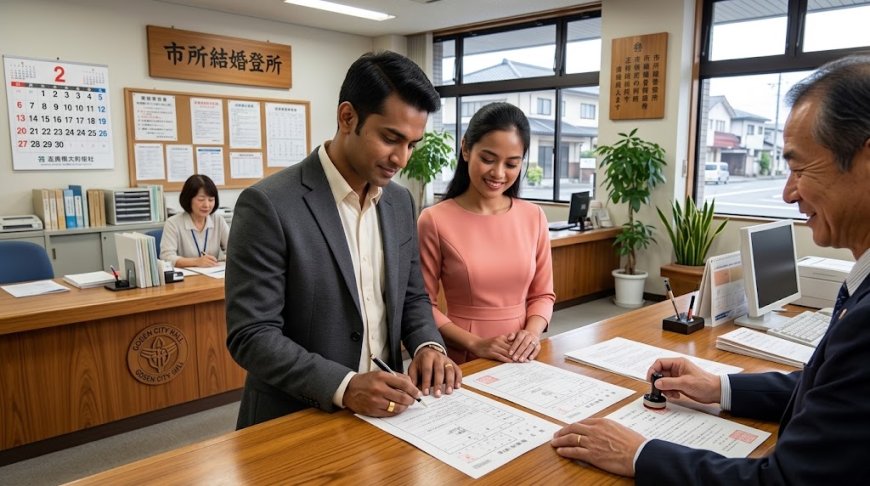
8. 転入届を出したいです。 (てんにゅうとどけを だしたいです)
Romaji: Tennyuu todoke o dashitai desu.
English: I would like to submit a moving-in notification.
A 転入届 is used when moving into a municipality from another municipality, and also for certain new arrivals from overseas.
9. 転出届を出したいです。 (てんしゅつとどけを だしたいです)
Romaji: Tenshutsu todoke o dashitai desu.
English: I would like to submit a moving-out notification.
This is generally relevant when moving from one municipality to another.
10. 転居届を出したいです。 (てんきょとどけを だしたいです)
Romaji: Tenkyo todoke o dashitai desu.
English: I would like to submit a change-of-address notification within the same municipality.
This is useful if you move to another address within the same city or municipality.
Important: Foreign residents covered by the residence registration requirements generally need to report their new address within 14 days of establishing residence there. Different notifications and additional procedures may apply depending on where you're moving from.
If you're still looking for accommodation, check our Complete Guide to Housing in Japan for Foreigners for information about rental contracts, guarantors, and apartment costs.
Part 3: Residence Cards and Certificates
11. 在留カード (ざいりゅうカード)
Romaji: Zairyuu kaado
English: Residence card.
Your residence card is an important identification document for eligible foreign residents.
Example:
在留カードを持ってきました。
Zairyuu kaado o motte kimashita.
I brought my residence card.
12. 住民票 (じゅうみんひょう)
Romaji: Juuminhyou
English: Certificate of residence / resident record.
A copy of your residence record may be needed for banking, employment, school, or other administrative procedures.
Example:
住民票が必要です。
Juuminhyou ga hitsuyou desu.
I need a residence certificate.
13. 住民票を一通ください。 (じゅうみんひょうを いっつう ください)
Romaji: Juuminhyou o ittsuu kudasai.
English: One copy of my residence certificate, please.
This is particularly useful at the certificate issuance counter.
Be aware that different organizations may require particular information to appear on the certificate.
14. この書類は何ですか。 (この しょるいは なんですか)
Romaji: Kono shorui wa nan desu ka?
English: What is this document?
Use this whenever you're handed an unfamiliar form.
15. どこに記入すればいいですか。 (どこに きにゅうすれば いいですか)
Romaji: Doko ni kinyuu sureba ii desu ka?
English: Where should I fill this in?
This sentence can save you from filling in the wrong section of a form.
Part 4: My Number, Health Insurance, and Pension
16. マイナンバーカードを申請したいです。 (マイナンバーカードを しんせいしたいです)
Romaji: Mai nanbaa kaado o shinsei shitai desu.
English: I would like to apply for a My Number Card.
Your My Number is a personal identification number used for certain administrative purposes. The physical My Number Card is a separate identification card that eligible residents can apply for.
17. マイナンバーカードを受け取りたいです。 (マイナンバーカードを うけとりたいです)
Romaji: Mai nanbaa kaado o uketoritai desu.
English: I would like to collect my My Number Card.
Use this when visiting the designated counter after receiving the appropriate collection notice.
18. 国民健康保険に加入したいです。 (こくみんけんこうほけんに かにゅうしたいです)
Romaji: Kokumin kenkou hoken ni kanyuu shitai desu.
English: I would like to enroll in National Health Insurance.
This is useful if you are eligible for municipal National Health Insurance.
Not everyone needs to enroll through city hall. For example, people covered by an employer's health insurance generally use that system instead.
19. 国民年金について質問があります。 (こくみんねんきんについて しつもんが あります)
Romaji: Kokumin nenkin ni tsuite shitsumon ga arimasu.
English: I have a question about the National Pension system.
Use this when asking about pension enrollment, payments, or applicable exemption procedures.
20. 保険料はいくらですか。 (ほけんりょうは いくらですか)
Romaji: Hokenryou wa ikura desu ka?
English: How much is the insurance premium?
You can use this when asking about health insurance or other applicable insurance contributions.
The actual amount depends on the insurance system and your circumstances.
Part 5: Asking About Documents, Fees, and Procedures
21. 何が必要ですか。 (なにが ひつようですか)
Romaji: Nani ga hitsuyou desu ka?
English: What do I need?
A very useful question when you're unsure which documents to prepare.
22. パスポートは必要ですか。 (パスポートは ひつようですか)
Romaji: Pasupooto wa hitsuyou desu ka?
English: Do I need my passport?
Ask this before completing a procedure if you're uncertain about identification requirements.
23. 手数料はいくらですか。 (てすうりょうは いくらですか)
Romaji: Tesuuryou wa ikura desu ka?
English: How much is the administrative fee?
Some certificates and procedures require fees, while others are free.
24. どのくらい時間がかかりますか。 (どのくらい じかんが かかりますか)
Romaji: Dono kurai jikan ga kakarimasu ka
English: How long will it take?
Useful when you're waiting for documents or completing a procedure during your lunch break.
25. ありがとうございました。 (Arigatou gozaimashita)
English: Thank you very much.
Use this when the staff member has finished helping you.
Politeness goes a long way in Japanese public offices, and a simple thank-you is always appreciated.
Example Conversation: Registering Your Address at City Hall
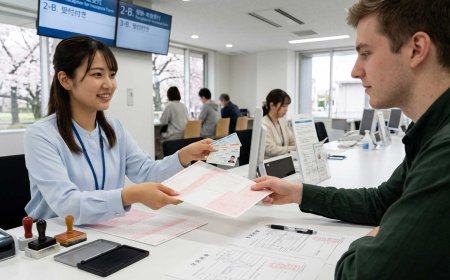
Here's a realistic beginner-level conversation you can practice before visiting city hall.
Foreign resident:
すみません。引っ越してきました。転入届を出したいです。
Sumimasen. Hikkoshite kimashita. Tennyuu todoke o dashitai desu.
Excuse me. I've moved here. I'd like to submit a moving-in notification.
City hall staff:
在留カードをお持ちですか。
Zairyuu kaado o omochi desu ka?
Do you have your residence card?
Foreign resident:
>はい、持っています。
Hai, motte imasu.
Yes, I have it.
City hall staff:
こちらの用紙に記入してください。
Kochira no youshi ni kinyuu shite kudasai.
Please fill out this form.
Foreign resident:
すみません。日本語があまり話せません。ゆっくり話してください。
Sumimasen. Nihongo ga amari hanasemasen. Yukkuri hanashite kudasai.
Excuse me. I don't speak much Japanese. Please speak slowly.
City hall staff:
はい、わかりました。
Hai, wakarimashita.
Yes, understood.
Foreign resident:
ありがとうございます。
Arigatou gozaimasu.
Thank you.
This is a simplified example. The actual conversation and required documents depend on your municipality and circumstances.
What Documents Should Foreign Residents Bring to City Hall?
Before visiting, check your municipality's official website or contact its service counter.
Depending on the procedure, you may need:
-
Residence card
-
Passport
-
My Number Card, if you have one
-
Moving-out certificate, when applicable
-
Health insurance-related documents
-
Relevant application forms
-
Documents showing family relationships, if required
-
Payment for certificates or applicable administrative fees
Not every procedure requires every document.
For example, moving from another Japanese municipality may involve different paperwork from registering after your first arrival in Japan.
It's also helpful to prepare your new address in Japanese, including your postal code, apartment name, and room number.
If you're preparing for life in Japan, our step-by-step guide to renting an apartment explains how to handle common housing procedures before moving in.
Five Tips to Make Your City Hall Visit Easier
1. Visit early when possible.
Municipal offices can become crowded, especially around the beginning and end of Japan's fiscal and school years.
2. Check the office hours.
Most municipal offices operate primarily on weekdays, although some offer evening or weekend services for selected procedures.
3. Write down what you need.
For example, you can show a staff member this sentence:
「住所変更の手続きをしたいです。」
Juusho henkou no tetsuzuki o shitai desu.
I would like to complete a change-of-address procedure.
4. Use a translation app when necessary.
Translation apps can help with unfamiliar vocabulary, but confirm important legal, insurance, or tax information with the appropriate office.
5. Ask about multilingual support.
Some municipalities provide interpretation services or multilingual information. You may also be referred to a local international association or consultation center.
Common Mistakes Foreign Residents Should Avoid
One common mistake is assuming that changing your address with your landlord, employer, bank, or post office automatically updates your municipal registration.
It doesn't.
Your municipal address registration is a separate administrative requirement.
Another mistake is confusing the residence card with the My Number Card. These are different documents serving different purposes.
It's also important not to confuse municipal procedures with immigration applications.
City hall handles many resident services, but applications to extend or change your status of residence generally belong to the Immigration Services Agency.
For a broader review of residence-related responsibilities, see Japan Visa & Residence Rules Changing in 2026.
Frequently Asked Questions
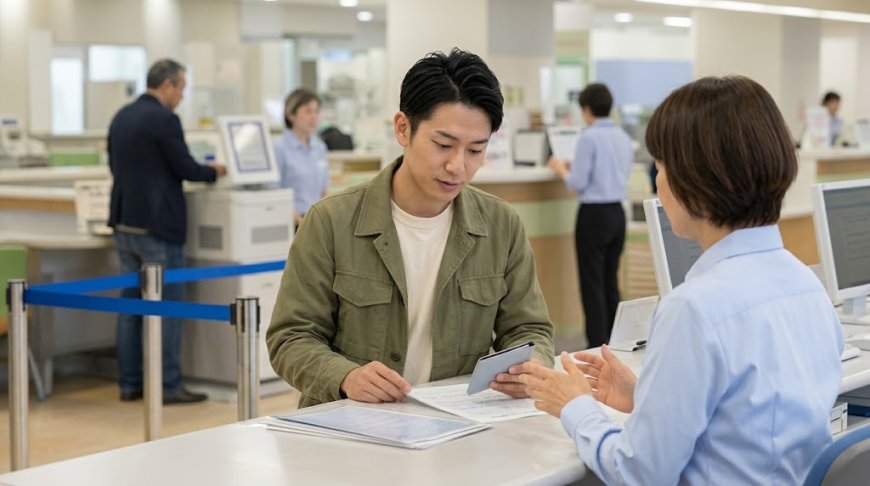
Do I need to speak Japanese to visit city hall?
No. You do not need to be fluent in Japanese to visit city hall. However, language assistance varies by municipality, so learning basic phrases and checking available support beforehand can make your visit easier.
Can I register my address without a residence card?
Eligible new residents normally present their residence card. If your passport indicates that your residence card will be issued later, you can generally present your passport for the initial address registration. Other circumstances may have different requirements.
How soon must I register my address after moving?
For foreign residents subject to the relevant registration rules, the deadline is generally within 14 days of establishing residence at the new address. Confirm the applicable notification procedure with your municipality.
Can I get a residence certificate on the same day?
Many municipal offices issue residence certificates during the visit, provided the records are available and the application requirements are met. Processing times and issuance options vary.
Can someone accompany me to city hall?
Generally, yes. A friend, family member, or interpreter may accompany you. If someone needs to submit documents or complete procedures on your behalf, authorization requirements may apply.
Is city hall the same as the immigration office?
No. City hall handles municipal administration, while immigration offices handle many immigration and status-of-residence procedures.
Final Thoughts: A Little Japanese Can Make Everyday Life Easier
Visiting city hall may seem complicated when you're unfamiliar with Japanese government procedures.
But remember, you don't need perfect Japanese to ask for help.
Start with simple expressions such as:
-
すみません。 — Excuse me.
-
日本語があまり話せません。 — I don't speak much Japanese.
-
ゆっくり話してください。 — Please speak slowly.
-
何が必要ですか。 — What do I need?
-
ありがとうございました。 — Thank you very much.
These five sentences alone can make your first visit much less stressful.
As you become more comfortable with Japanese, everyday tasks such as visiting city hall, talking to your landlord, and handling paperwork will gradually become easier.
For more practical preparation, explore our Ultimate Guide to Moving to Japan and Complete Guide to Housing in Japan for Foreigners.
Important Disclaimer: This article provides general language-learning and practical information, not legal or immigration advice. Municipal procedures, document requirements, and available language support vary by location and personal circumstances. Always confirm current requirements with your local municipal office or the Immigration Services Agency.
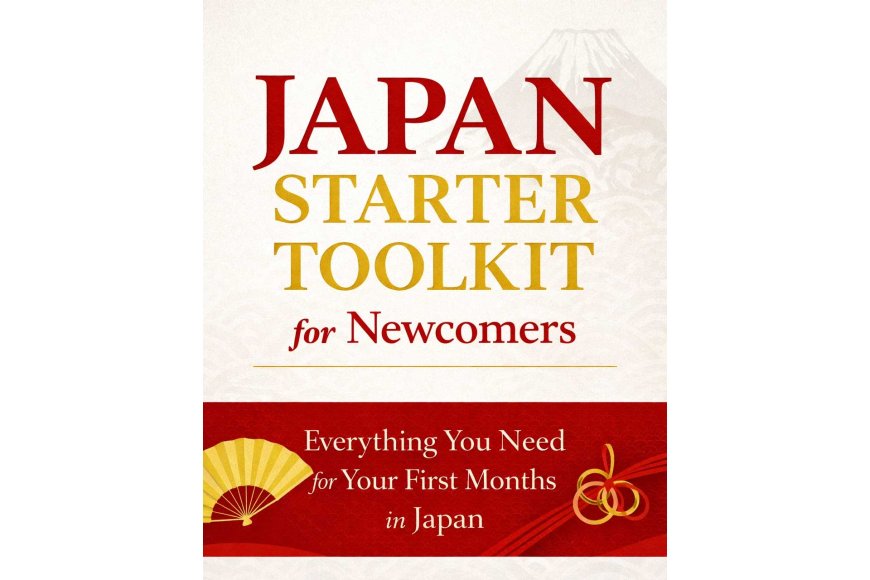
For more practical Japan living guides, explore related resources like the Living in Japan, Japan Starter Toolkit, and Everyday Japanese for Beginners.
Prepare Smarter, Live Better in Japan (FREE Download)
Download the First 7 Days in Japan Checklist (FREE)
Don’t guess what to do — follow a proven plan.
Download your FREE “First 7 Days in Japan Checklist” PDF now:
✔ Instant download
✔ Mobile-friendly
✔ Printable
Want the COMPLETE Version? (Premium Upgrade)
If you want a deeper, more powerful guide, there’s also a premium version available on Gumroad.
Nipino.com is committed to providing you with accurate and genuine content. Let us know your opinion by clicking HERE.