


































Why Is Japan So Safe?
Understanding the cultural, social, and economic factors behind its low crime rate.
Social Uniformity Shapes Safety
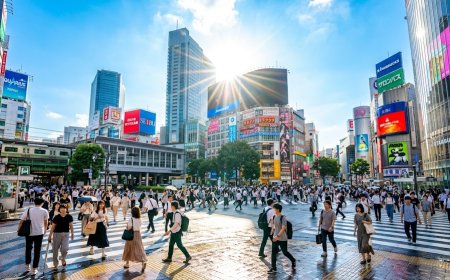
Japan is often described as one of the most homogeneous countries in the world, with roughly 98% of the population identifying as ethnically Japanese. This shared cultural background contributes to smoother social interactions, a unified sense of identity, and fewer internal conflicts that sometimes arise in deeply multicultural societies.
In homogeneous societies like Japan, people typically share similar values, communication styles, and expectations about social behavior. This often creates predictable social norms and reduces friction. While multicultural societies can be vibrant and dynamic, they can also face challenges in integration, cultural clashes, and differing interpretations of law and community responsibility. Japan’s social uniformity minimizes these frictions, contributing to overall social stability and safety.
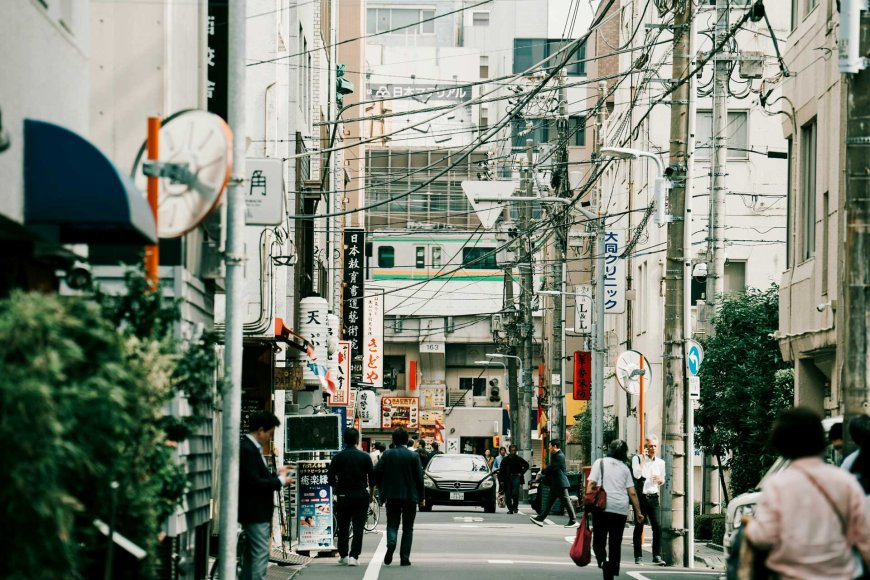
The Power of Japan’s Collectivist Culture
"The group comes before the individual."
A major foundation of Japan’s safety is its collectivist mindset, where the group’s harmony is prioritized over individual desires. From schools to workplaces, Japanese people are raised with the understanding that their behavior reflects not just on themselves but also on their families, communities, and even their employers.
This cultural structure encourages good behavior, cooperation, and adherence to rules. People are less likely to act in ways that disrupt society, because doing so carries the risk of shame—not just for oneself, but for one’s entire social circle. In many cases, the fear of bringing dishonor to one's family is a powerful deterrent against committing crimes.
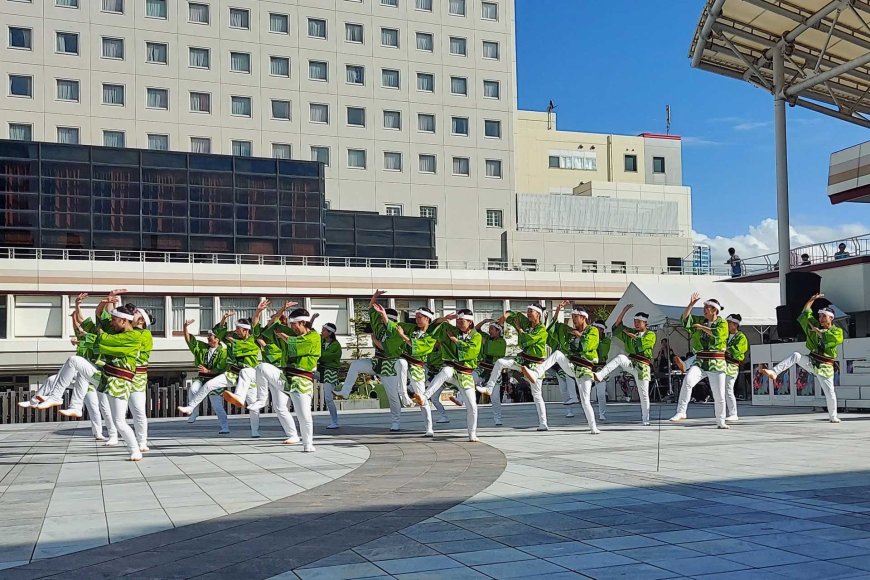
Strong Family Units and Tight Communities
"Family support as a protective system."
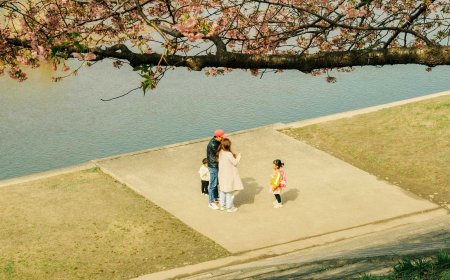
Japanese families traditionally operate as tightly knit units where members look after one another. Even today, despite modern changes, this sense of responsibility within families remains strong.
Because many people have family members checking on them, helping them financially, or guiding them socially, fewer individuals slip into isolation or desperation. A person in distress usually has someone to turn to before their problems escalate. This reduces both the motivations and circumstances that often lead people in other societies toward crime.
Similarly, local communities—such as neighborhoods, schools, and workplaces—foster a sense of belonging. When people feel connected and supported, they are generally less likely to engage in destructive or illegal behavior.
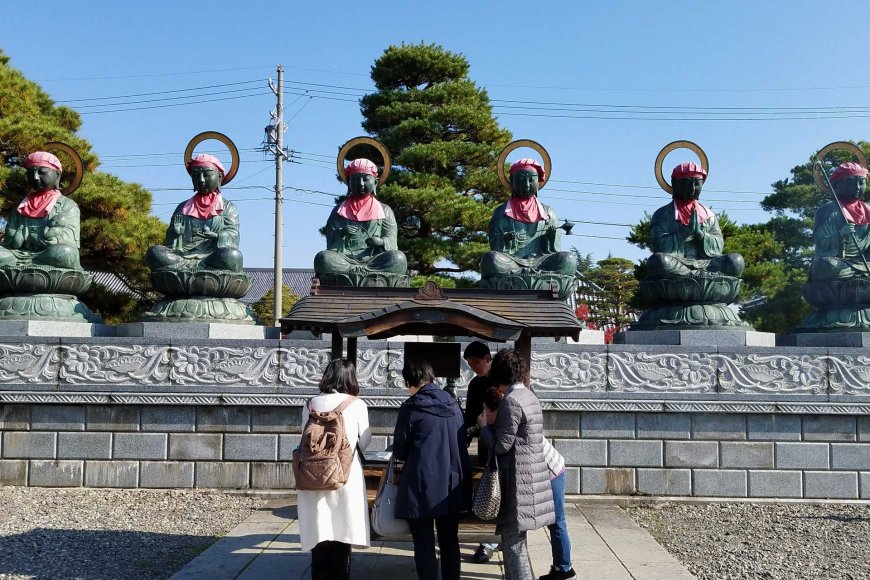
A Culture of Shame and Responsibility
"Wrongdoing does not go unnoticed."
Japan’s cultural concept of shame (恥, haji) acts as a powerful social regulator. Unlike some cultures where guilt is internal and personal, Japanese shame culture is external—rooted in how others perceive the individual.
In practice, this means that a person avoids committing a crime not only because the law forbids it, but because it would disgrace their family and community. This social enforcement is often stronger and more effective than legal enforcement alone. Public apologies, resignations, and personal accountability are deeply ingrained in Japanese society.
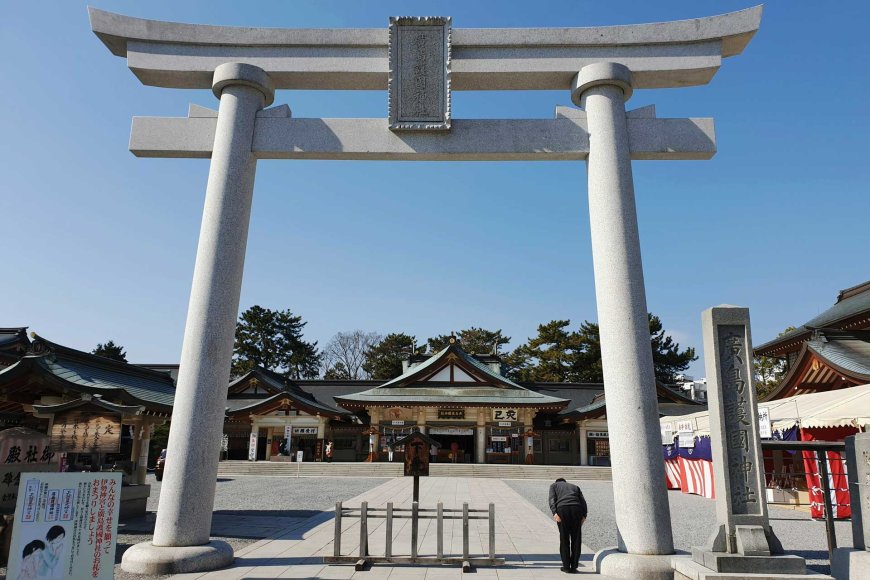
Economic Stability and Low Unemployment
"When basics are secure, crime decreases."
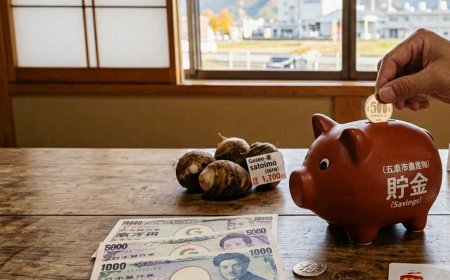
Japan is a highly developed economy with very low unemployment rates and stable job opportunities. This means most people enjoy a decent standard of living and do not feel pressured to commit crimes out of financial hardship.
Even lower-income individuals benefit from Japan’s welfare systems, affordable healthcare, and social services. Economic security, combined with cultural values, creates an environment where crime is less appealing.
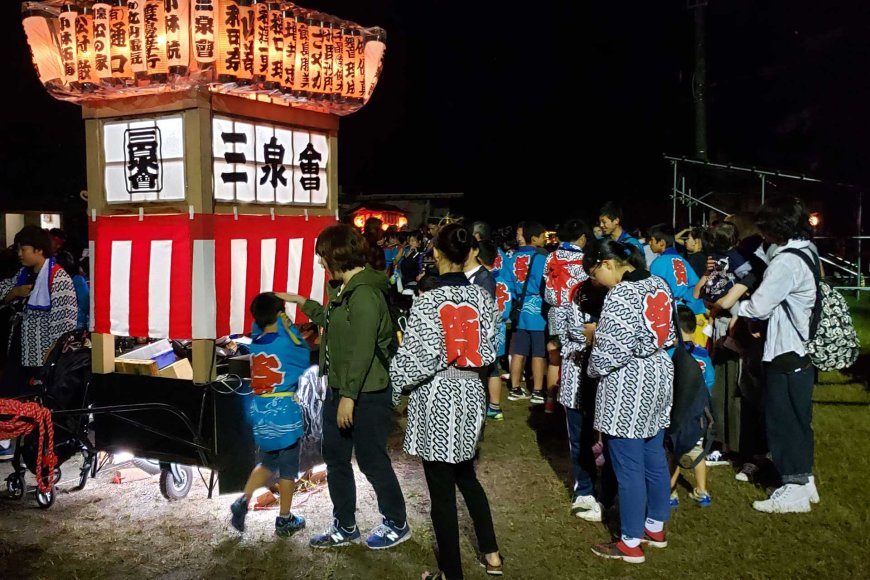
Zero-Tolerance Drug Policies
"Strict laws create a peaceful society."
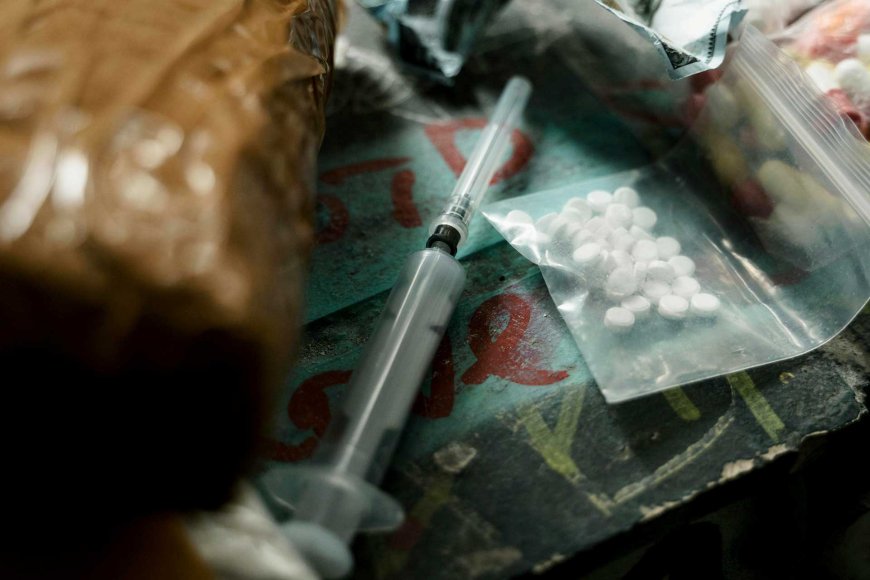
Japan has some of the strictest drug laws in the world. Even possession of tiny amounts can result in:
- Lengthy prison sentences
- Extremely heavy fines
- Immediate deportation for foreigners
- Permanent bans on re-entry
Because of this, drug use in Japan is significantly lower than in many Western nations. As a result, drug-related violence—common in other parts of the world—is almost non-existent in Japan.
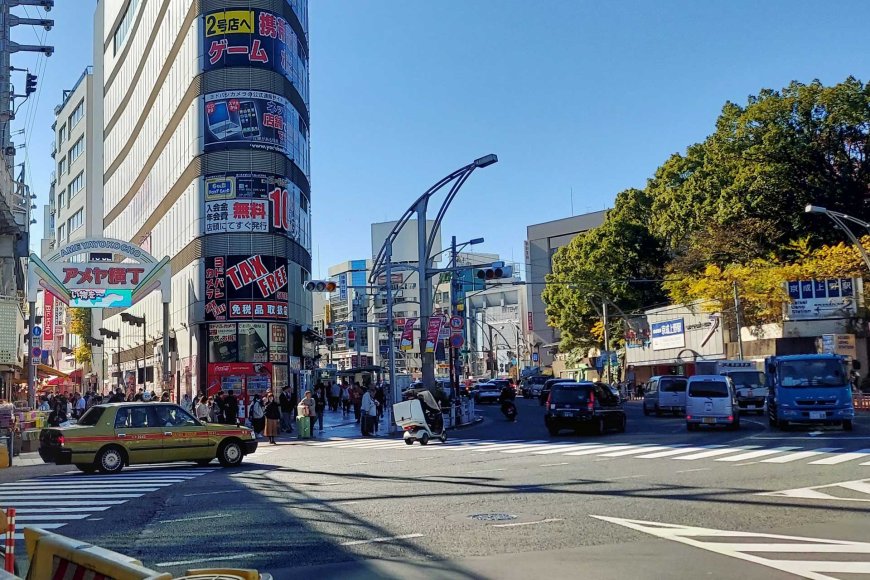
Controlled Immigration and Limited Refugee Acceptance
"A controversial yet impactful factor."
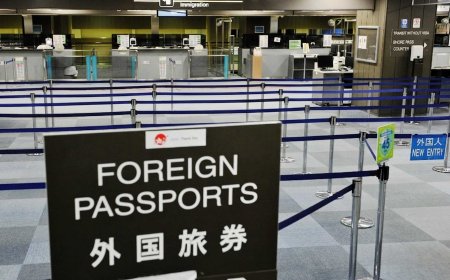
Japan is known for its strict immigration policies and very low refugee acceptance rates. While this is often debated internationally, some analysts argue that strict border control has helped Japan avoid issues experienced by countries that adopted more open-door policies.
Countries like Sweden, Germany, and the UK, once known for safety, saw rising crime and social tensions after accepting large numbers of refugees and migrants in a short period. Japan’s cautious approach aims to maintain social stability and cultural continuity. Whether one agrees with it or not, it is a factor contributing to Japan’s predictable and stable societal structure.
Effective Law Enforcement and Trustworthy Institutions
"Police presence without aggression."
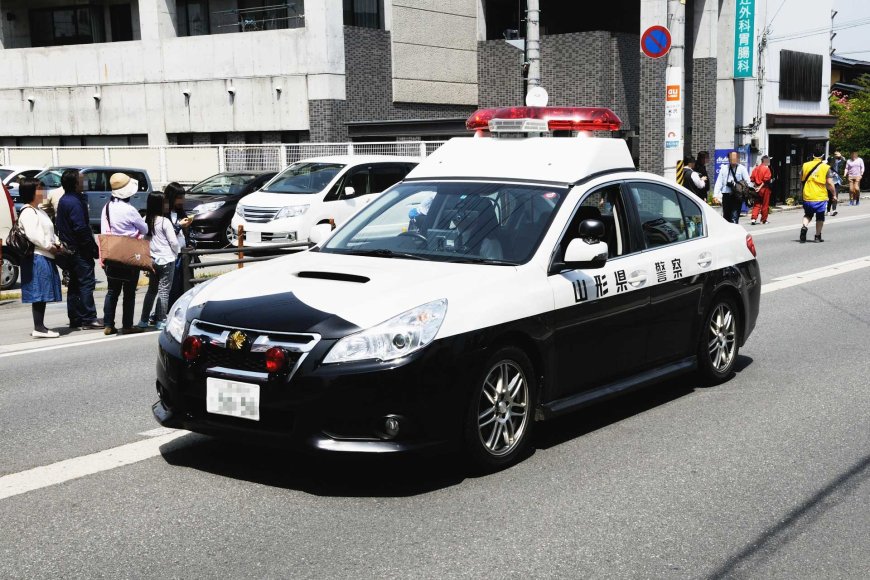
Japan’s police force is known for being visible yet non-threatening. The presence of kōban (small police stations) in almost every neighborhood establishes accessibility and quick response times. The police work closely with communities, earning trust rather than fear.
Additionally, Japan’s legal system operates efficiently, making it clear that crimes will be investigated thoroughly and consequences will be applied consistently.
A Unique Blend of Culture, Structure, and Policy
Japan’s reputation for safety is not the result of one single factor. Instead, it arises from a powerful combination of:
- Homogeneous society
- Strong cultural values
- Tight family and community structures
- Collective responsibility
- Economic stability
- Strict drug laws
- Controlled immigration
- Effective policing
Together, these create a society where crime is socially discouraged, economically unnecessary, and legally risky.
While no society is perfect, Japan’s unique blend of cultural and structural systems continues to make it one of the safest countries in the world.
Nipino.com is committed to providing you with accurate and genuine content. Let us know your opinion by clicking HERE.