

















































This site uses cookies. By continuing to browse the site you are agreeing to our use of cookies.


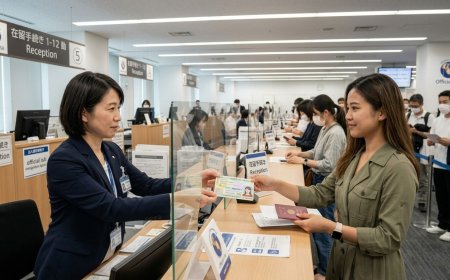
Japan has begun discussing a new program that would help foreign residents learn...

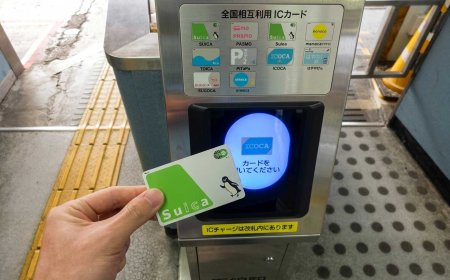
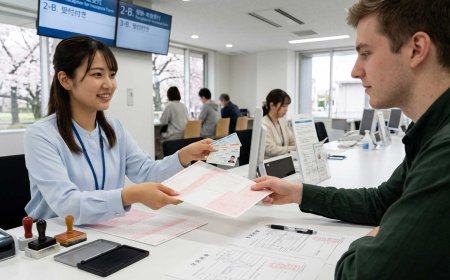
Living in Japan becomes significantly easier when one understands and uses essen...

Watching anime can help beginners learn Japanese naturally through immersion, vo...
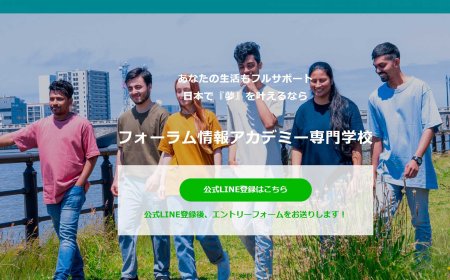
Forum Information Academy in Niigata offers a two-year, practice-driven IT progr...

In Japanese, both "未来 (mirai)" and "将来 (shourai)" refer to the future, but t...

While both chotto (ちょっと) and sukoshi (少し) translate to “a little” or “a bi...
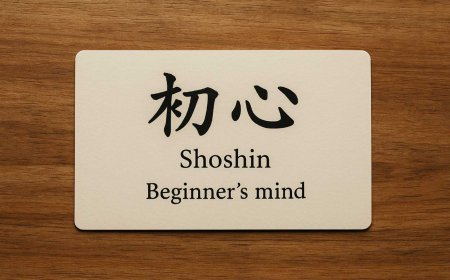
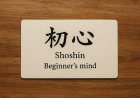
Rediscovering the joy of learning, the power of humility, and the beauty of curi...
“Everyday Japanese for Beginners” is a practical wordbook designed for travelers...
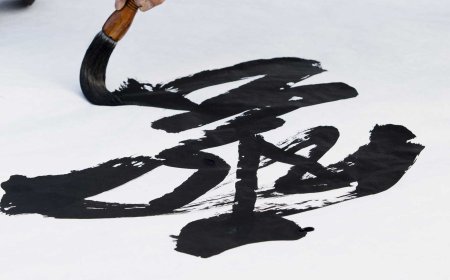
Japanese calligraphy, or Shodo, transcends mere writing to become a profound art...
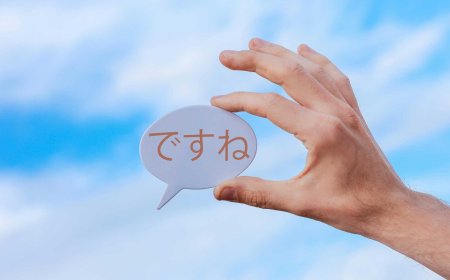
Ever wondered why a simple phrase like "desu ne" (ですね) holds so much weight i...

The distinction between blue and green blurs in unexpected ways, revealing profo...
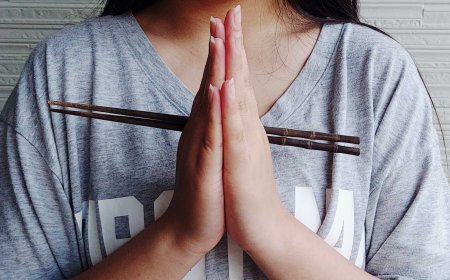
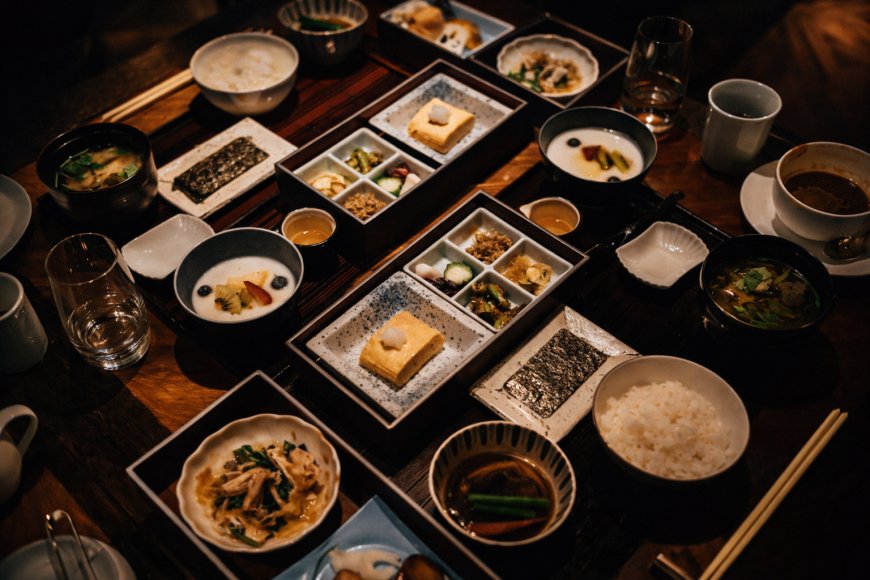
The profound significance of "Itadakimasu" in Japanese culture, a humble express...
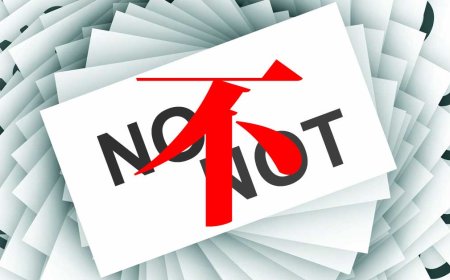
From negation and prohibition to creating antonyms and embodying cultural nuance...

The Dichotomy and Balancing Act of Omote (表 ) and Ura (裏) in Japanese Society
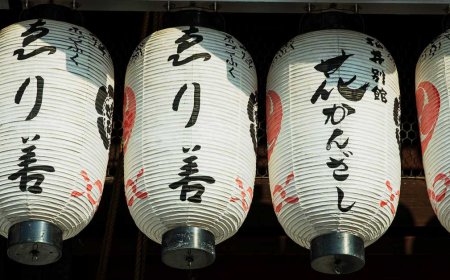
To learn Japanese opens a world of linguistic and cultural richness, and choosin...
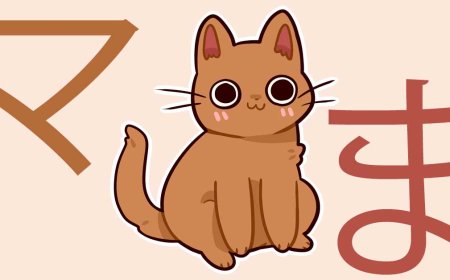
Various meanings and applications of the Japanese term "ma". From the subtle pau...