












































English-Speaking Hospitals in Japan: How to Find Them
Finding an English-speaking hospital in Japan is possible, but foreigners need to know where to search, what “English support” really means, and when to call before visiting. This guide explains how to find English-speaking hospitals and clinics in Japan using official tools, accreditation systems, hotlines, and practical preparation steps.
Medical Help in English
Getting sick is stressful anywhere, but getting sick in Japan when you do not speak fluent Japanese can feel like being dropped into a maze without a map. You may know how to order ramen, ask for directions, or chat at work, but medical Japanese is a different mountain. Words like “allergy,” “prescription,” “chest pain,” “dizziness,” “insurance card,” and “referral letter” suddenly matter. When your body hurts, your language confidence can disappear fast.
That is why knowing how to find English-speaking hospitals in Japan is important before you get sick. You do not want to start searching while you have a fever, toothache, stomach pain, or a child crying in the middle of the night. Japan has many reliable medical institutions, but English support varies widely depending on location, hospital size, department, and staff schedule.
The good news is that official tools exist. The Japan National Tourism Organization provides a medical guide and search system for foreign visitors who feel ill, including medical institutions that can assist foreign patients. JNTO also operates the Japan Visitor Hotline, available 24 hours a day, 365 days a year, in English, Chinese, and Korean for emergencies such as illness, accidents, and disasters.
For foreign residents, students, workers, tourists, and families, this guide explains how to find English-speaking hospitals and clinics in Japan, what “English support” really means, and how to prepare so you can get medical care with less panic.
Want a smoother transition into life in Japan? Check out the Japan Starter Toolkit.
What “English-Speaking Hospital” Really Means in Japan
When people search for “English-speaking hospitals in Japan,” they often imagine a hospital where every doctor, nurse, receptionist, pharmacist, and billing staff member speaks fluent English. In reality, English support is more complicated.
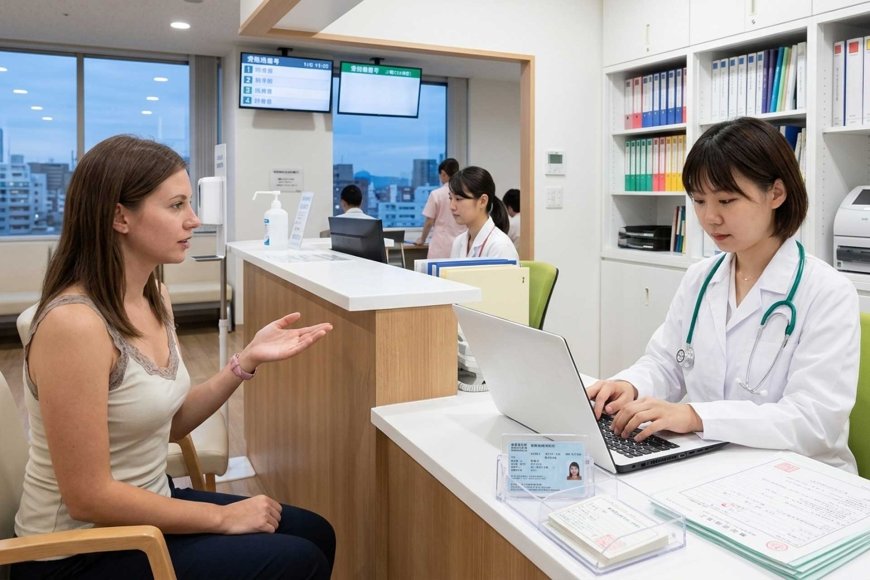
An “English-speaking hospital” may mean one doctor speaks English in one department. It may mean the hospital has an international patient office. It may mean reception has basic English support but nurses use Japanese. It may mean printed forms are multilingual, but phone calls are still difficult. Some hospitals have medical interpreters, while others ask patients to come with a Japanese-speaking companion.
This difference matters. If you need dermatology, a hospital with English-speaking cardiology support may not help much. If you need pediatric care, an English-speaking internal medicine clinic may not be enough. Always check the department, language support, appointment rules, and whether new patients are accepted.
| Type of English Support | What It Usually Means |
| English-speaking doctor | Doctor can explain symptoms and treatment in English |
| English-speaking reception | Basic appointment and payment help may be available |
| Medical interpreter | Interpreter helps between patient and medical team |
| International patient department | Hospital has a system for foreign patients |
| Multilingual forms | Forms help explain symptoms, allergies, and history |
| Website in English | Helpful, but not proof that all staff speak English |
The safest rule is simple: call before visiting whenever possible.
What to Do When You Get Sick in Japan: Hospitals, Clinics, Emergency
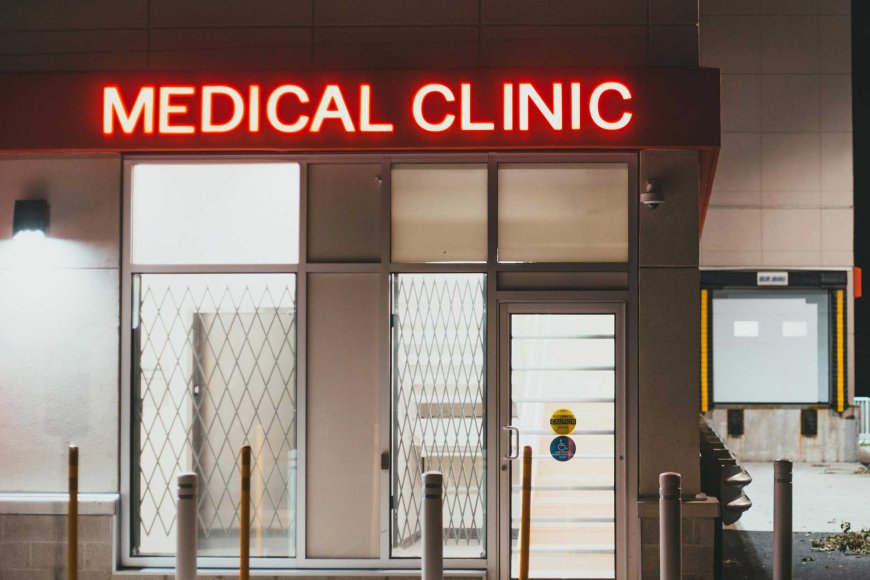
Use JNTO’s Official Medical Institution Search
One of the best starting points is the official JNTO medical guide. JNTO’s “Guide for when you are feeling ill” helps users search medical institutions by area, language, medical department, and other conditions. It is especially useful for foreigners who need a clinic or hospital that can communicate in a foreign language.
This is better than randomly typing “English hospital near me” because search results can be outdated, incomplete, or focused on advertisements. JNTO’s tool is designed specifically for foreign patients who need medical help in Japan.
When using the search tool, narrow your search by:
- Prefecture or city
- Language
- Medical department
- Hospital or clinic type
- Credit card availability, if needed
- Emergency or non-emergency needs
Even after finding a place, contact the hospital or clinic before going. JMIP’s own accredited hospital search page also states that people seeking medical care from an accredited institution should contact the institution in advance.
That one phone call can save you from arriving at the wrong department, during closed hours, or on a day when English support is unavailable.
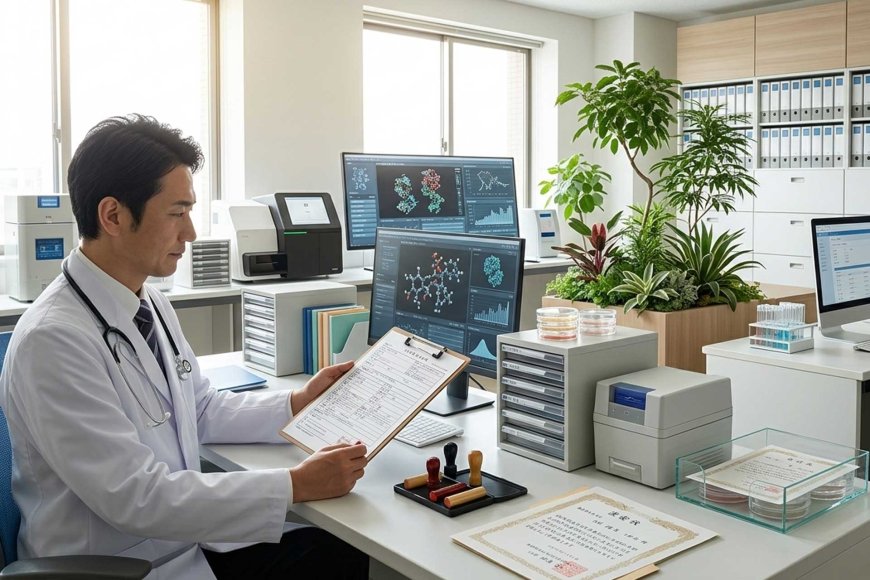
Look for JMIP-Certified Hospitals
Another important keyword is JMIP, which stands for Japan Medical Service Accreditation for International Patients. This accreditation evaluates medical institutions on their ability to accept international patients safely and reliably. The official JMIP website says its goal is to build a system where international patients can receive Japanese medical services safely and reliably.
JMIP-certified hospitals are not automatically perfect for every situation, but they are often better prepared for foreign patients than ordinary hospitals. They may have multilingual guidance, international patient support, interpreter systems, or experience handling patients from different cultural and religious backgrounds.
Some hospital pages explain that JMIP certification reviews areas such as accepting foreign patients, medical service provision, organizational systems, administration, and improvement efforts. Okayama University Hospital describes JMIP as an accreditation system concerning medical services for foreign patients, based on five key points including acceptance of new patients, patient services, medical care, organizational system, and improvements.
| Resource | Best Use | Important Reminder |
| JNTO Medical Search | Finding foreign-language clinics/hospitals nationwide | Call before visiting |
| JMIP Search | Finding internationally accredited hospitals | Large hospitals may need referral |
| Local government medical search | Finding nearby options by city/prefecture | Language data may vary |
| Embassy medical lists | Extra reference for foreign residents | Not always complete |
| International patient departments | Advanced hospital support | Often appointment-based |
Healthcare in Japan for Foreigners: Insurance, Costs, and How It Works
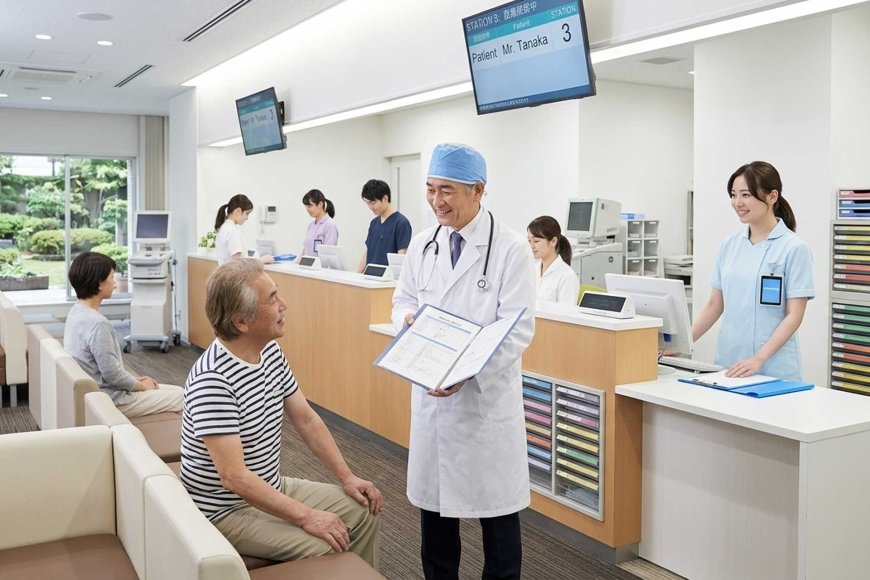
Check Local Government Medical Search Services
Many prefectures and cities have their own medical institution search systems. These can sometimes be more detailed locally than national tools. Tokyo, Osaka, Kyoto, Sapporo, Yokohama, Fukuoka, and other major cities often provide foreign resident support pages, medical guides, or multilingual consultation information.
Tokyo is one of the easiest places to find English-speaking medical support because of its large foreign population and many international clinics. Tokyo’s tourism medical help page lists the Tokyo Metropolitan Medical Information Service, which provides telephone guidance in multiple languages, including English, Chinese, Korean, Thai, and Spanish.
Regional Japan can be more difficult. In smaller cities, an “English-speaking hospital” may mean only one doctor can handle basic English during certain hours. That does not mean care is poor. It means preparation matters more.
If you live outside major cities, search now—while you are healthy—for:
- Nearest internal medicine clinic
- Nearest pediatric clinic, if you have children
- Nearest dental clinic
- Emergency hospital
- English or multilingual support options
- Night/weekend medical consultation service
How Much Does Healthcare Cost in Japan?
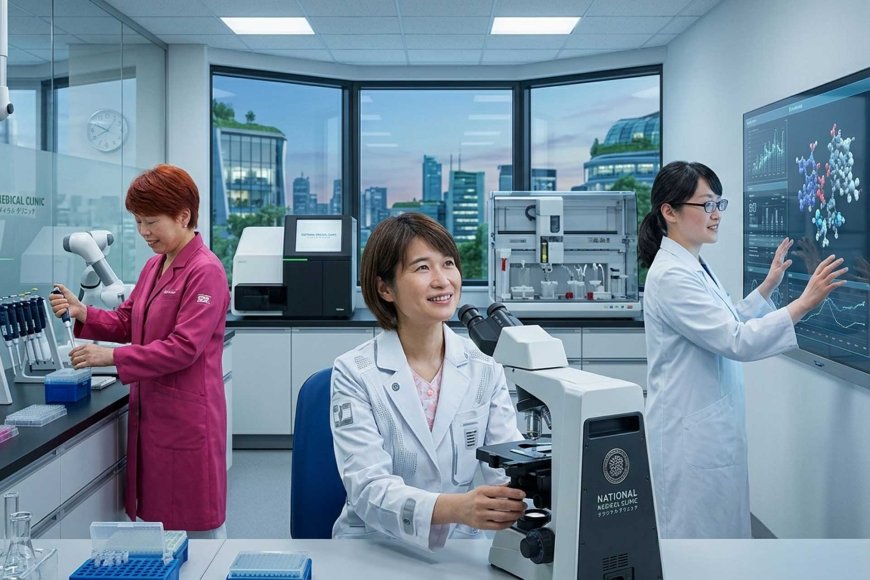
Use the Japan Visitor Hotline During Emergencies or Travel
For tourists and short-term visitors, JNTO’s Japan Visitor Hotline is a very useful safety resource. The official hotline page lists the phone number as 050-3816-2787 from inside Japan and +81-50-3816-2787 from overseas. It operates 24 hours a day, 365 days a year, with support in English, Chinese, and Korean. The service covers emergencies such as accidents, illness, natural disasters, and general tourist information.
This hotline is especially helpful when you are traveling and do not know the local medical system. It may guide you toward medical institutions that can assist foreign visitors. It is not a replacement for calling an ambulance during a life-threatening emergency, but it can help when you are unsure where to go.
For serious medical emergencies, call 119. In Japan, 119 is the emergency number for ambulance and fire services. Tourism and emergency guidance pages consistently list 110 for police and 119 for fire or ambulance.
Clinics vs Hospitals: Choose the Right Place
Many foreigners search for hospitals first, but in Japan, a clinic is often the better first step for everyday sickness. Clinics handle colds, fever, stomach pain, allergies, minor injuries, skin problems, ear and throat issues, and routine prescriptions. Hospitals are better for serious, specialized, referred, or emergency cases.
Large hospitals may require appointments or referral letters. Some may charge extra fees for first-time patients without referral. If your condition is mild, starting at a local clinic is usually faster, cheaper, and less stressful.
| Symptom or Situation | Usually Best First Step |
| Cold, sore throat, mild fever | Internal medicine clinic |
| Child’s fever or cough | Pediatric clinic |
| Rash or skin problem | Dermatology clinic |
| Ear pain, sinus, throat issue | ENT clinic |
| Tooth pain | Dental clinic |
| Chest pain, unconsciousness, severe injury | Call 119 |
| Serious but non-emergency condition | Call hospital/clinic first |
What to Do When You Get Sick in Japan: Hospitals, Clinics, Emergency
What to Bring to an English-Speaking Hospital or Clinic
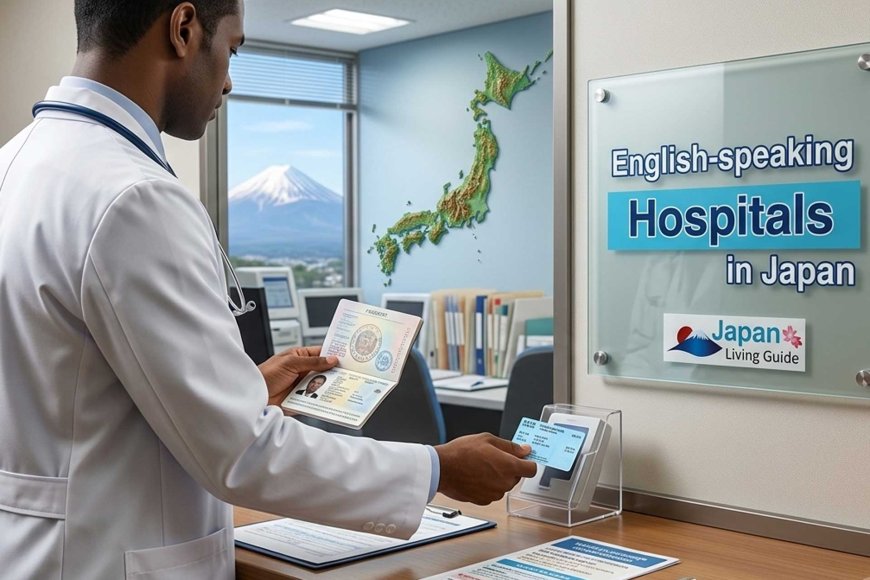
Even if the clinic speaks English, bring the right documents. Language support helps, but paperwork still matters.
| Item | Why You Need It |
| Health insurance card or My Number health insurance | To receive insured medical rates |
| Residence card | Identification for foreign residents |
| Passport | Useful for tourists or some hospital records |
| Cash or payment card | Some clinics have limited payment options |
| Medicine list | Prevents dangerous drug interactions |
| Allergy information | Essential for safe treatment |
| Symptom notes | Helps explain clearly under stress |
| Referral letter | Needed by some large hospitals |
| Emergency contact | Helpful for serious cases |
The Japan Medical Association’s foreign patient information page also points foreign residents toward AMDA International Medical Information Center, which provides information on foreign-language-supported medical institutions, telephone medical interpretation, and medical information support.
For better communication, prepare your symptoms in simple English and Japanese if possible. You do not need perfect grammar. Clear facts matter more.
Example:
| English | Simple Japanese |
| I have had a fever for three days. | 3日間、熱があります。(Mikka kan, netsu ga arimasu.) |
| I am allergic to penicillin. | ペニシリンのアレルギーがあります。(Penishirin no arerugī ga arimasu.) |
| I have chest pain. | 胸が痛いです。(Mune ga itai.) |
| I feel dizzy. | めまいがします。(Memai ga shimasu.) |
| I take this medicine every day. | 毎日この薬を飲んでいます。(Mainichi kono kusuri o nondeimasu.) |
English Support Is Not Always Guaranteed
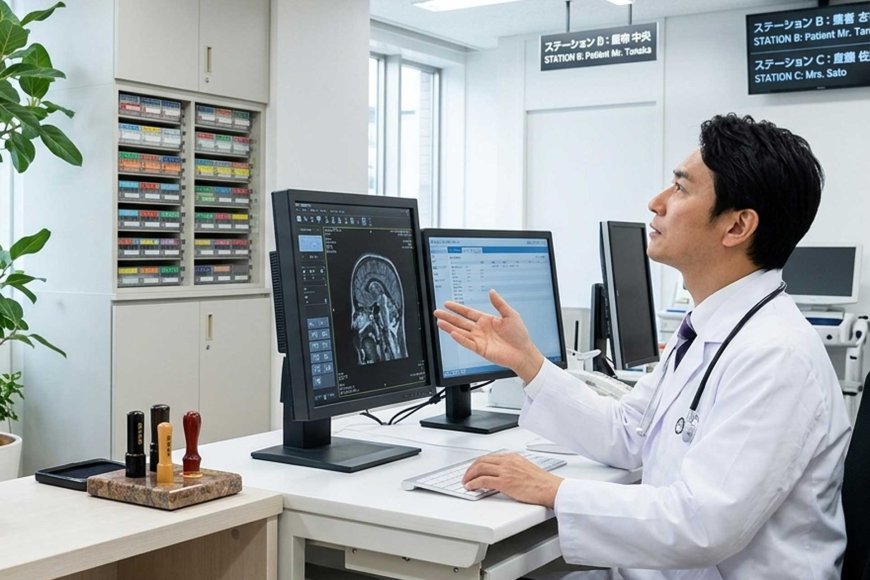
This is the part many foreigners learn the hard way: even hospitals with English websites may not always provide English support at every hour, in every department, or for every situation.
Some hospitals clearly state that they do not provide foreign-language interpreters and recommend bringing someone who speaks Japanese. For example, Tokyo Metropolitan Bokutoh Hospital’s English emergency outpatient page says the hospital does not have foreign-language interpreters and asks patients to come with a Japanese speaker if possible.
That does not mean you should avoid medical care. It means you should prepare backup options:
- Call before visiting
- Bring a Japanese-speaking friend if possible
- Use a translation app
- Prepare written symptoms
- Use multilingual medical questionnaires
- Save official search tools on your phone
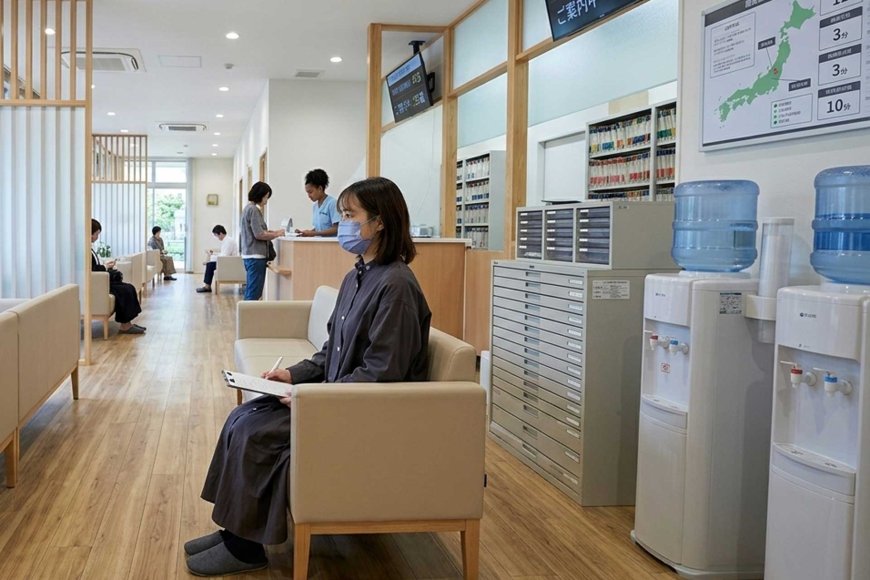
A multilingual medical questionnaire can be extremely useful because it lets you describe symptoms, body parts, pain level, allergies, and medical history more clearly. International associations and local groups often provide these sheets for foreign residents.
Common Mistakes Foreigners Make
One common mistake is waiting until sickness happens before searching for hospitals. When you are healthy, searching feels boring. When you are sick, searching feels urgent and confusing. Save two or three options near your home now.
Another mistake is assuming “English-speaking” means every staff member speaks English fluently. It may only mean limited English support. Always call ahead.
Some foreigners go directly to large hospitals for mild symptoms. This can mean longer waits, higher fees, and possible referral issues. A local clinic is often better for ordinary sickness.
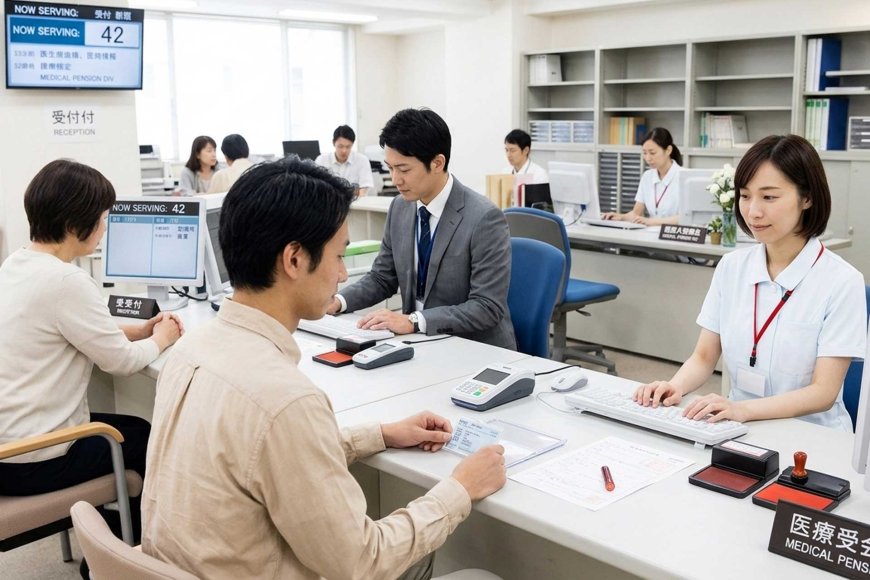
Another mistake is forgetting insurance. If you are a resident enrolled in Japan’s public health insurance system, bring your insurance card or My Number health insurance information. Without it, you may need to pay the full amount first and apply for reimbursement later.
How to Apply for National Health Insurance in Japan: Step-by-Step
Prepare Your Medical Map Before You Need It
Finding English-speaking hospitals in Japan is much easier when you know where to look. Use JNTO’s medical institution search, check JMIP-certified hospitals, look at local government medical resources, save the Japan Visitor Hotline, and learn your nearest clinic options before you get sick.
The goal is not to memorize every hospital in Japan. The goal is to build your own small “medical map”: one clinic for everyday sickness, one dental clinic, one emergency hospital, one multilingual support number, and one trusted medical search tool.
Health problems are stressful enough. Do not let confusion make them worse. A little preparation today can make a difficult day in Japan much easier tomorrow.
Prepare Smarter, Live Better in Japan (FREE Download)
Download the First 7 Days in Japan Checklist (FREE)
Don’t guess what to do — follow a proven plan.
Download your FREE “First 7 Days in Japan Checklist” PDF now:
✔ Instant download
✔ Mobile-friendly
✔ Printable
Want the COMPLETE Version? (Premium Upgrade)
If you want a deeper, more powerful guide, there’s also a premium version available on Gumroad.
Nipino.com is committed to providing you with accurate and genuine content. Let us know your opinion by clicking HERE.