

















































Understanding Meiwaku (迷惑) in Japan
In Japanese society, meiwaku (迷惑) refers to the idea of causing inconvenience, trouble, or disturbance to others—a concept deeply rooted in the country’s social values. This cultural sensitivity influences everything from public behavior to work etiquette, shaping how individuals interact and maintain harmony in daily life.
The Meaning of Meiwaku (迷惑) and Why It Matters
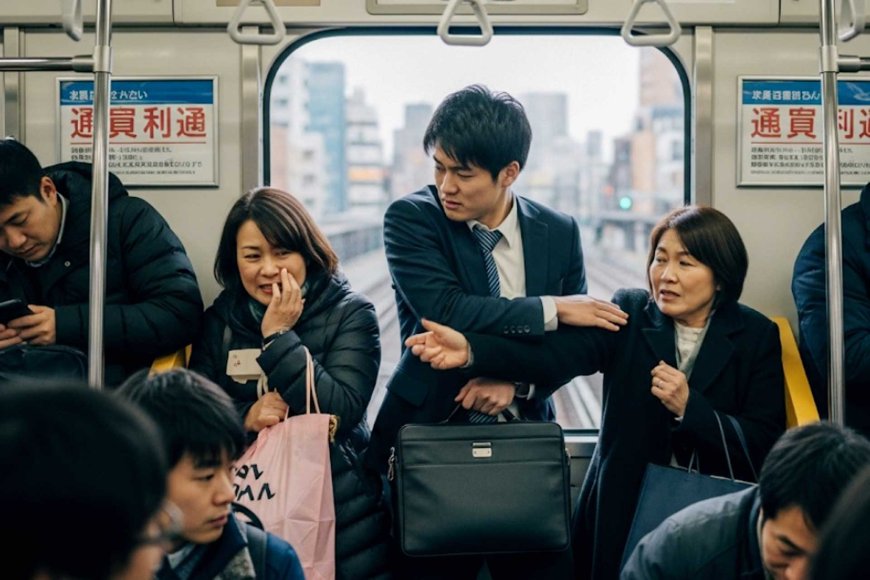
In Japan, the concept of meiwaku—translated roughly as “nuisance” or “trouble to others”—is more than just a dictionary term. It reflects an unspoken rule that governs social behavior across all aspects of Japanese life. While many cultures encourage politeness, Japan elevates it to a societal expectation, where causing meiwaku is seen as a disruption to harmony (wa, 和), one of the foundational values in Japanese culture.
Unlike legal rules, meiwaku is often moral or emotional. It's about how one's actions might be perceived by others rather than whether the actions are objectively right or wrong. Being conscious of meiwaku means constantly considering whether your behavior, words, or even presence might burden someone else.
Meiwaku in Daily Life: The Unspoken Etiquette
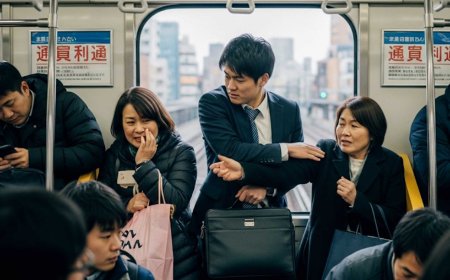
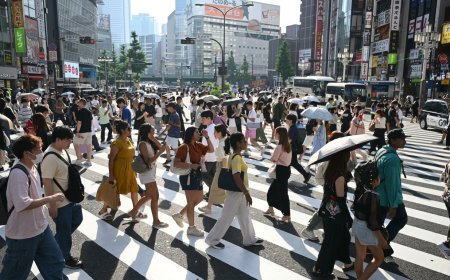
In everyday situations—on trains, in workplaces, at home, or even while walking in public—Japanese people are taught from a young age to avoid drawing attention to themselves or inconveniencing others.
Examples of avoiding meiwaku include:
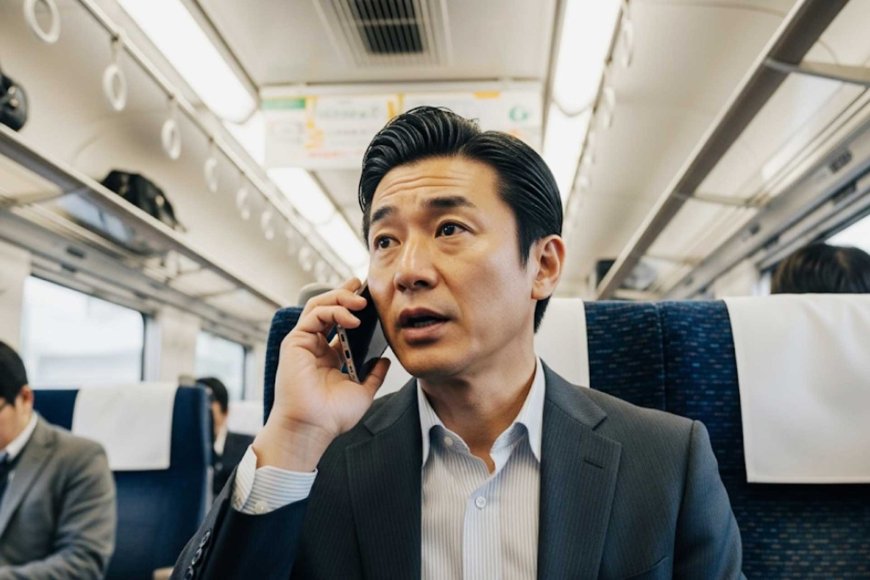
- Speaking quietly on public transport or avoiding phone calls altogether
- Not eating while walking, especially in crowded areas
- Wearing a mask when you have a cold to prevent spreading illness
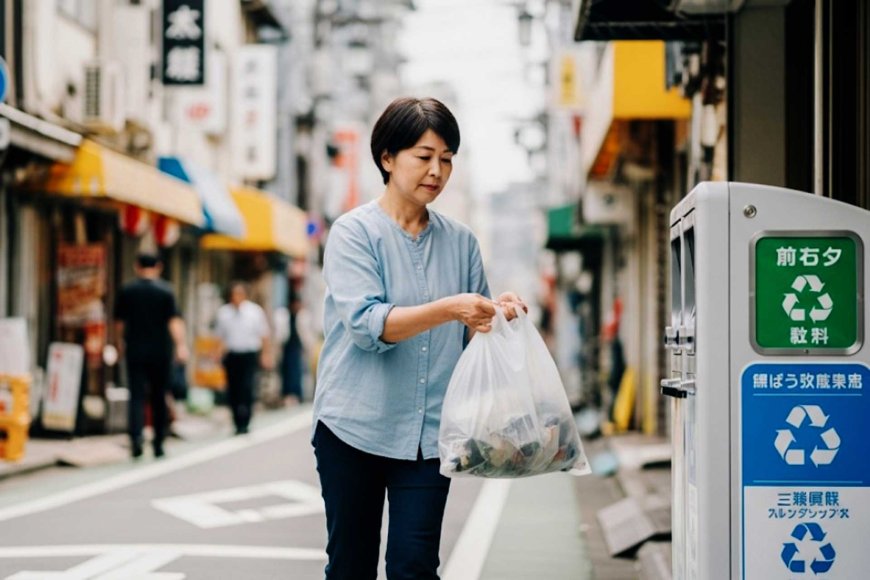
- Sorting and washing trash properly before disposal
- Not canceling appointments or meetings at the last minute
These practices, while seemingly minor, show a constant awareness of other people’s comfort. Even the act of riding an escalator has unspoken rules—standing on one side to let others pass is part of this deeply ingrained avoidance of meiwaku.
Work Culture and Meiwaku: Overworking to Avoid Being a Burden
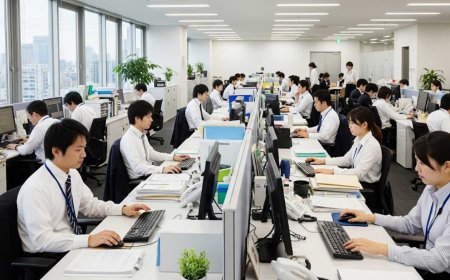
In the Japanese workplace, the fear of causing meiwaku can be so strong that it leads to overwork and burnout. Employees often stay late not necessarily because they have work, but because they don't want to appear as though they are slacking off or leaving others to handle tasks alone.
This cultural norm can also prevent people from taking vacation days or calling in sick—again, not because they don’t need rest, but because they don’t want to burden their coworkers. While teamwork and diligence are admirable traits, this side of meiwaku can result in physical and mental health issues due to overexertion.
Foreigners in Japan: Learning About Meiwaku as a Non-Japanese
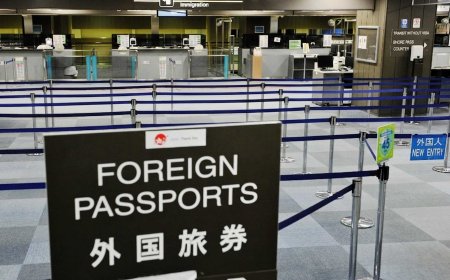
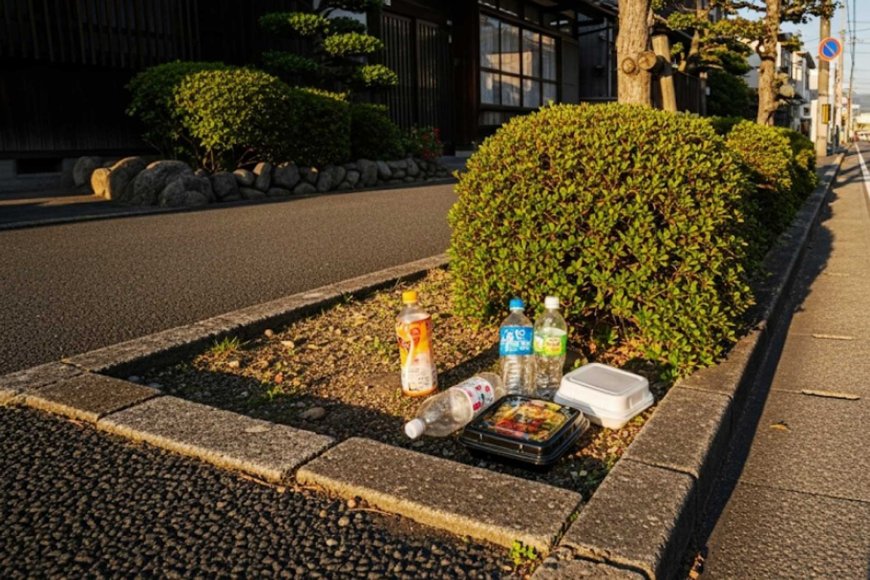
For foreigners living in or visiting Japan, understanding meiwaku can be a learning curve. Many tourists unintentionally cause meiwaku by being loud in quiet places, speaking on the phone on trains, or misusing public trash bins.
Though Japanese society is generally forgiving toward visitors, locals often silently endure these discomforts rather than confront them. For long-term residents, learning these social norms is crucial to building trust and respect in the community. It’s not about becoming Japanese—it’s about being aware of how your actions affect others.
Foreigners can show cultural sensitivity by observing the behavior of locals and asking questions when unsure. A little awareness goes a long way in showing respect for Japanese customs.
The Gray Areas: When Avoiding Meiwaku Goes Too Far
While the principle of avoiding meiwaku contributes to Japan’s cleanliness, orderliness, and polite society, it also has a downside. Many Japanese people suppress personal needs or emotions out of fear of disturbing others. This can lead to stress, anxiety, and difficulty expressing one’s true thoughts.
There are also societal pressures to conform, where individuals hesitate to seek help or report problems. For example, victims of harassment or bullying may stay silent because they don’t want to “make trouble” for others or disrupt the status quo.
Thus, while meiwaku promotes harmony, it can sometimes come at the cost of personal well-being or justice.
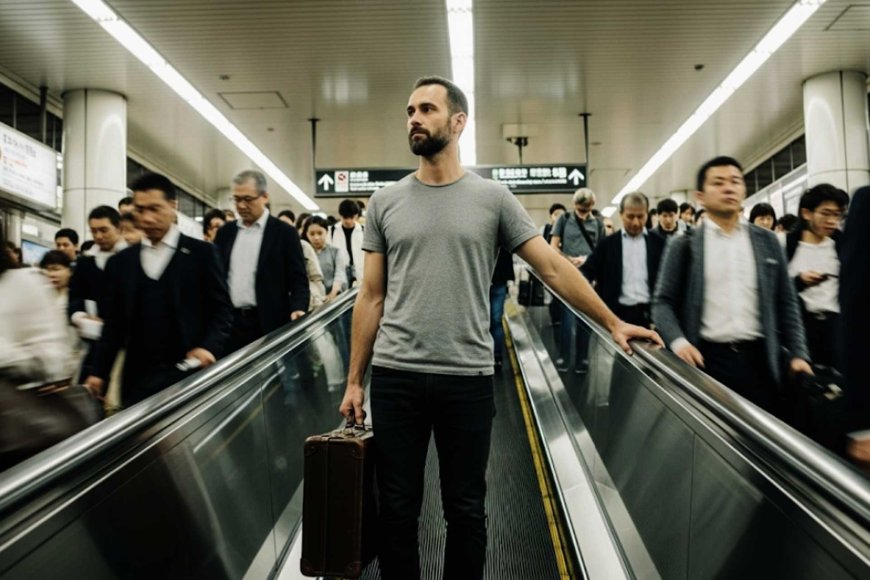
Teaching and Learning Meiwaku from a Young Age
Japanese children are taught about meiwaku from early childhood. In school, they clean their classrooms, serve lunch to classmates, and learn to work together without disturbing others. These lessons instill a strong sense of collective responsibility that follows them into adulthood.
Group projects and class rules aren’t just about learning—they are tools to shape future adults who can coexist peacefully and respectfully. This sense of social discipline becomes second nature, and it plays a significant role in why Japanese cities are orderly and relatively safe.
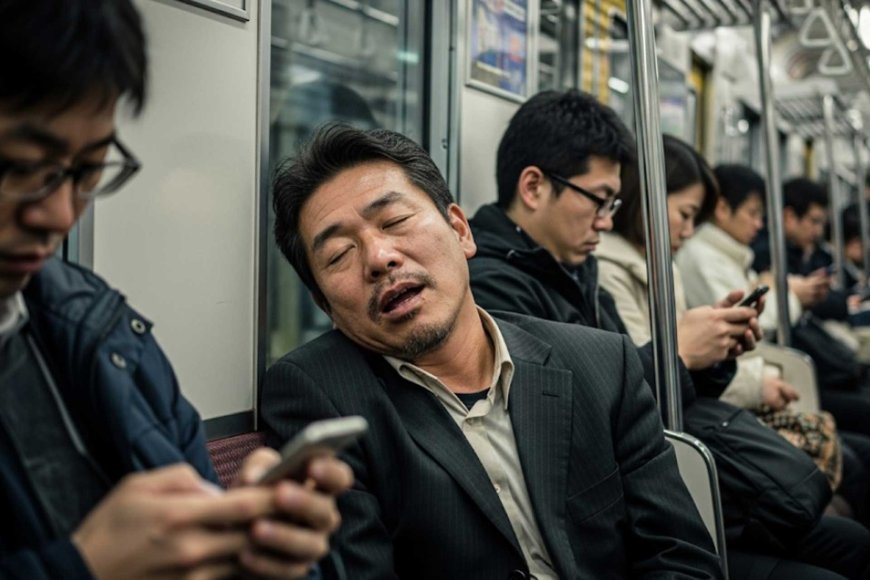
A Culture of Consideration
The Japanese concept of meiwaku is more than an annoyance; it is a cultural compass that shapes the way people behave, speak, and think. It encourages mindfulness, consideration, and restraint in a densely populated society where social harmony is highly valued.
For outsiders, understanding meiwaku is key to fitting in and showing respect. For insiders, it’s a daily practice—sometimes liberating, sometimes limiting—but always deeply woven into the fabric of Japanese life.
Nipino.com is committed to providing you with accurate and genuine content. Let us know your opinion by clicking HERE.