






















































From Rice to Sake in Japan — How Japan Turns Rice into World-Class Sake
Sake (Japanese rice wine) is Japan’s most iconic fermented beverage, transforming humble rice into an art form that carries centuries of culture, craftsmanship, and regional identity.
Japan’s Liquid Legacy
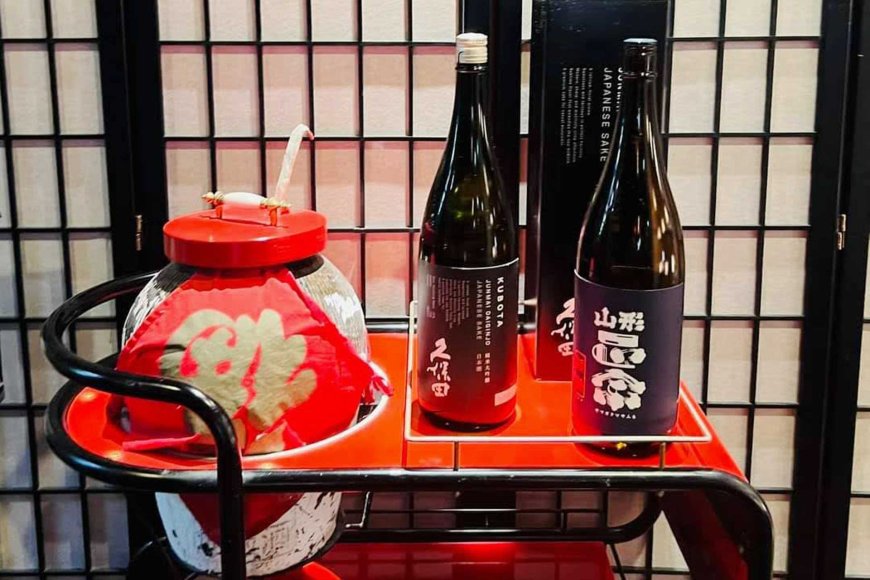
For centuries, sake has been more than just a drink in Japan — it is a cultural symbol, a traditional craft, and a reflection of Japan’s agricultural soul. At its core, sake represents a journey that begins in rice paddies and ends in tiny ceramic cups, celebrated at festivals, temples, and dinner tables alike. From Rice to Sake in Japan opens the door to understanding how this ancient beverage came to define Japanese identity and gastronomy.
The Heart of Sake: Rice and Environment
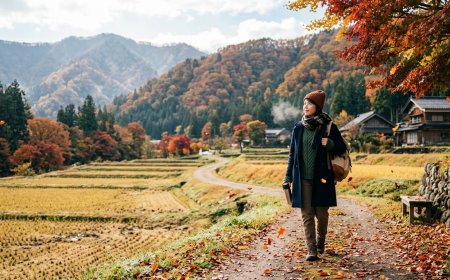
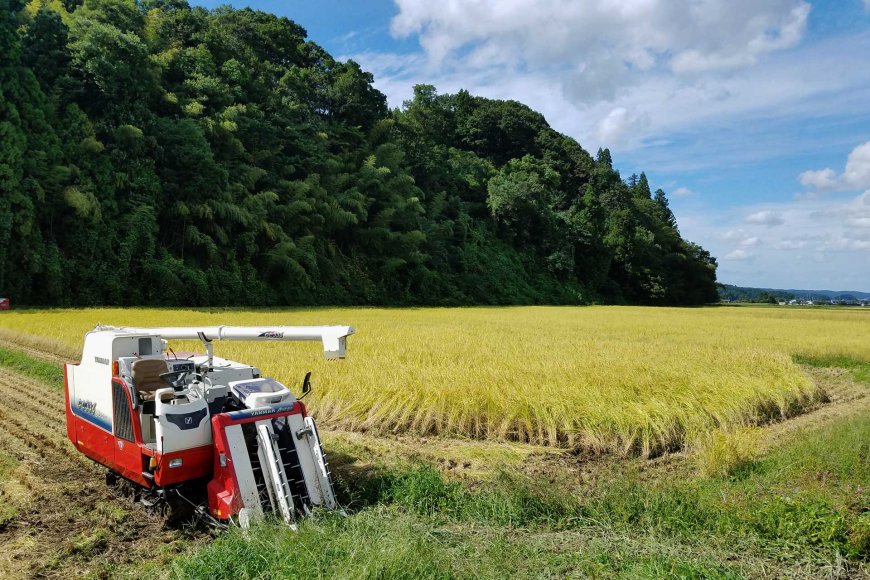
Rice has been a staple of Japanese life for over a millennium, not only as food but also as a source of community and economy. Sake brewing relies on specific varieties of rice — sake-brewing rice (酒造好適米 - しゅぞうこうてきまい - Shuzō kōteki mai) — which are larger and softer than table rice with a higher starch content. The quality of rice directly affects the flavor, aroma, and clarity of the final sake. Rice’s purity and the surrounding environment — from mountain streams to cold winter temperatures — set the stage for unparalleled fermentation. Winters in northern regions like Niigata ensure slow, controlled fermentation, building sake’s distinct depth and subtlety.
How Sake Is Made: A Time-Honored Process
Sake brewing (酒造 - しゅぞう - Shuzō) is both science and art. The process begins with polishing the rice (精米 - せいまい - Seimai), which removes surface fats and proteins, allowing pure starch to remain. The more the rice is polished, the smoother and more refined the sake (大吟醸 - だいぎんじょう - Daiginjō and 吟醸 - ぎんじょう - Ginjō styles) becomes. After polishing, rice is washed, soaked, steamed, and inoculated with kōji (麹 - こうじ - Kōji), a mold that converts starch into sugar. Yeast then ferments the sugar into alcohol in carefully controlled conditions. Master brewers (杜氏 - とうじ - Tōji) oversee this complex process, adjusting timing, temperature, and water to craft sake with balance and character.
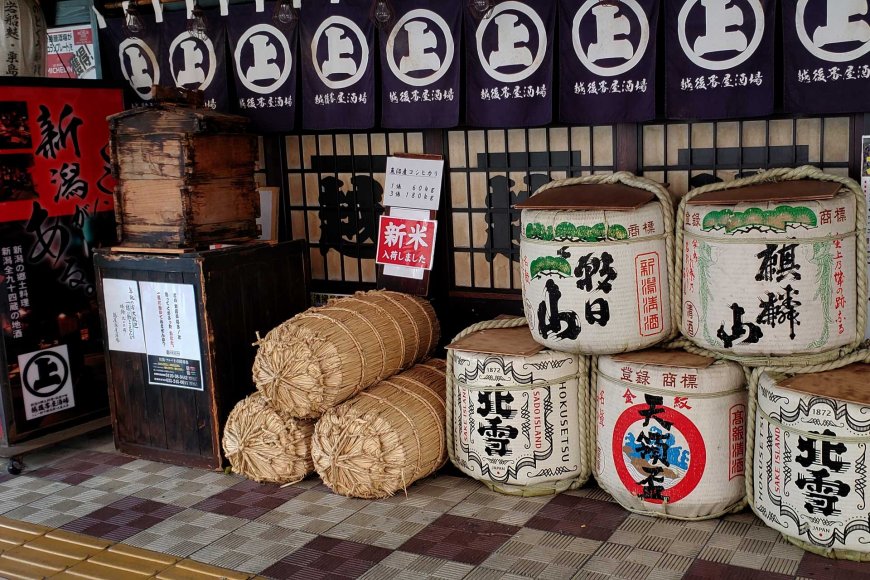
The Role of Water: Japan’s Hidden Ingredient
Water is sake’s silent hero. Japan’s mountainous terrain provides spring and underground water rich in minerals — ideal for sake fermentation. Different regions have unique water profiles, which help create distinct sake styles. In Niigata Prefecture, where Imayotsukasa Sake Brewery is located, soft water from the Suganadake mountains yields dry (辛口 - からくち - Karakuchi), clean sake with delicate flavors — a hallmark of the region’s celebrated style.
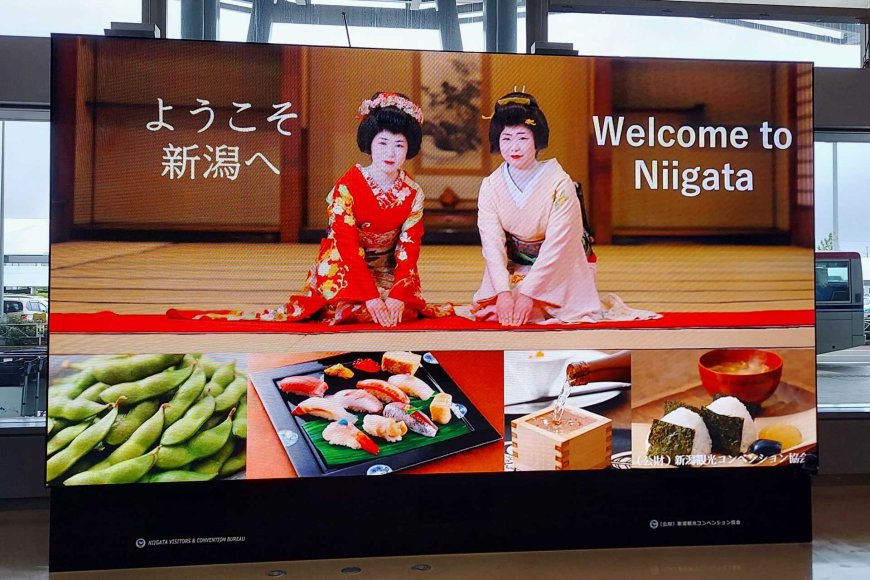
Niigata: Japan’s Sake Capital
Although sake is brewed nationwide, Niigata Prefecture is internationally recognized as one of Japan’s premier sake regions due to its rice quality, climate, and historic brewing culture. Niigata boasts more breweries per capita than most prefectures, and visitors can explore traditional sake workshops, observe fermentation in action, and taste regional varieties at brewery tours across the area. One of the most popular destinations is Imayotsukasa Sake Brewery, whose journey from rice to sake illustrates the essence of Niigata’s rice-to-glass tradition.
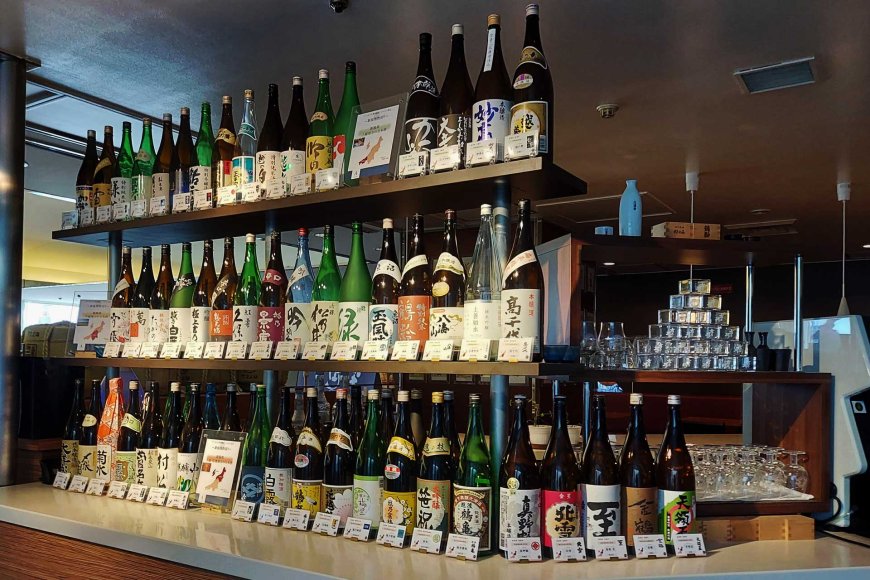
Sake in Japanese Culture
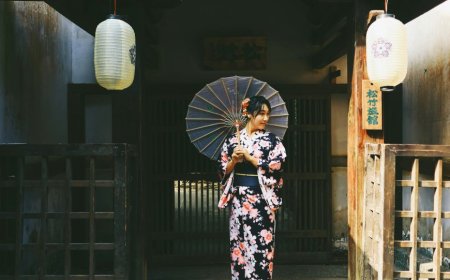
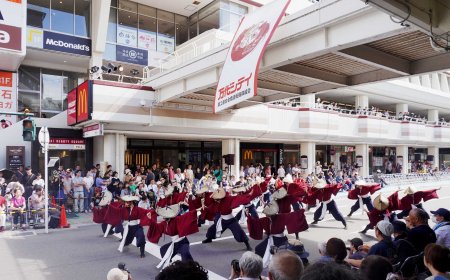
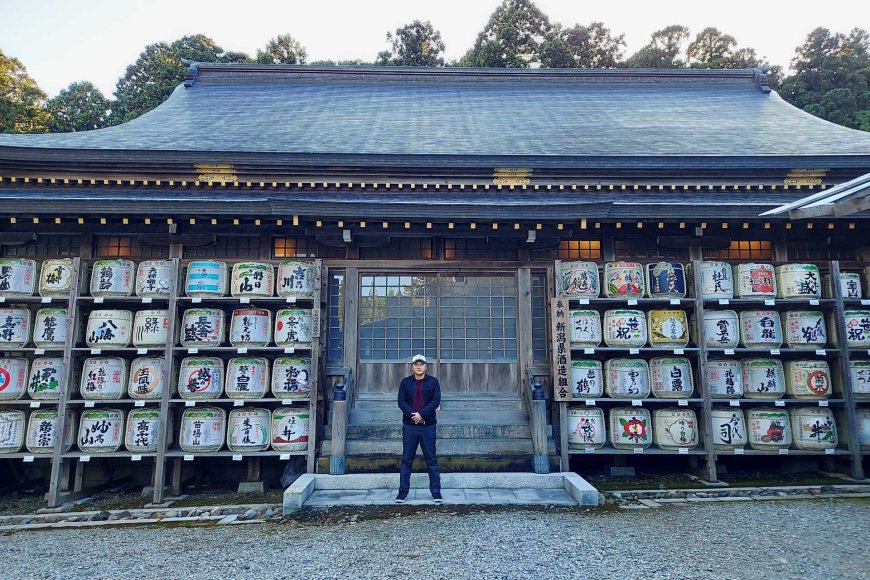
Sake is deeply embedded in Japanese ritual and celebration. At Shinto shrines, it is used as an offering to the gods, symbolizing gratitude for harvests and good fortune. Throughout the year, festivals (祭 - まつり - Matsuri) revolve around sake — from winter brewing blessings to spring rice planting ceremonies. With every sip, sake evokes centuries of Japanese history, connecting past to present through flavor and reverence.
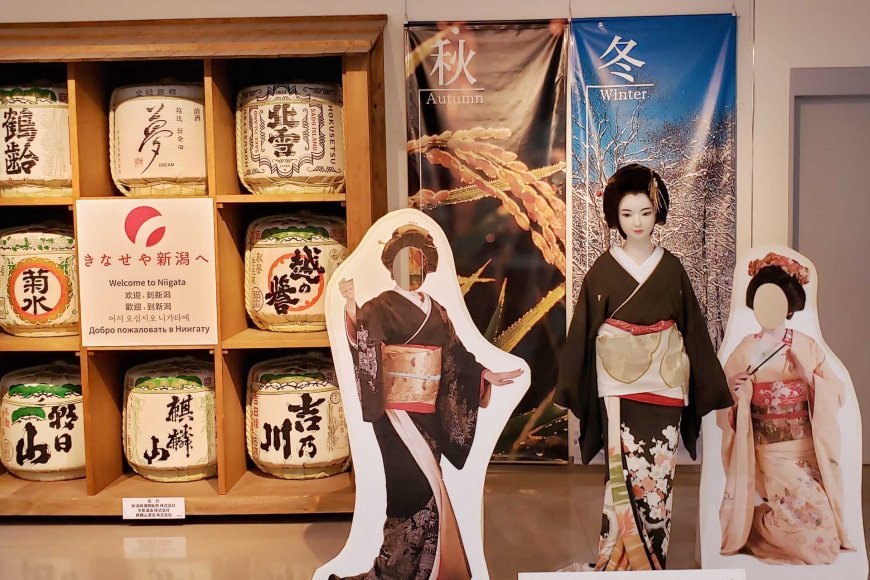
Global Appreciation and Innovation
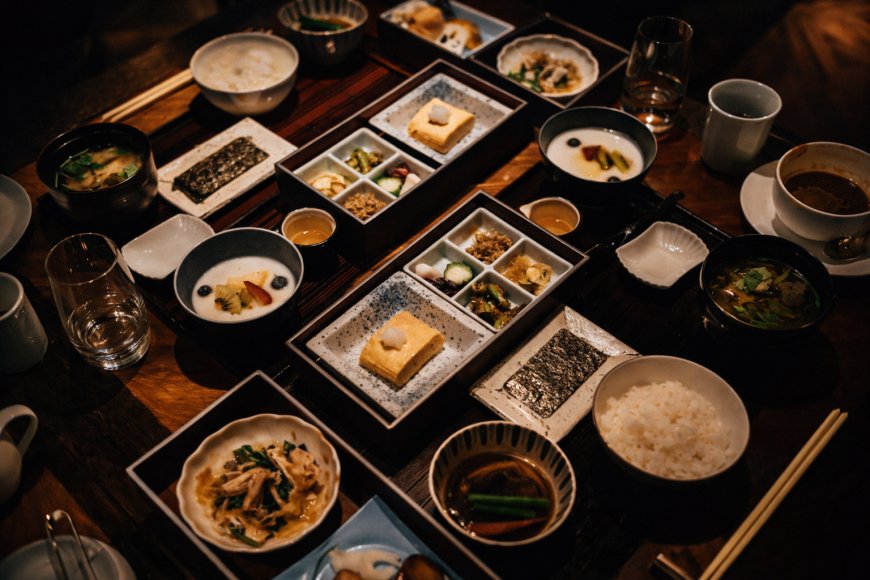
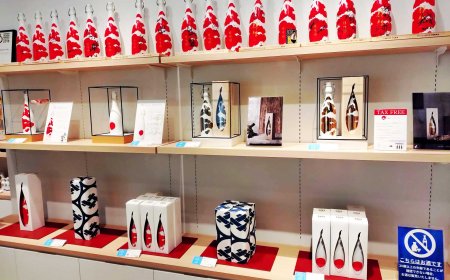
While sake once catered mainly to domestic consumers, its global popularity is rising thanks to international tastings, food pairings, and education. Sake’s adaptability is notable: light and dry sakes pair exquisitely with seafood and Japanese cuisine, while richer styles stand up to bold flavors. Breweries like Imayotsukasa Sake Brewery honor tradition while crafting innovative expressions of sake that resonate with both purists and newcomers alike.
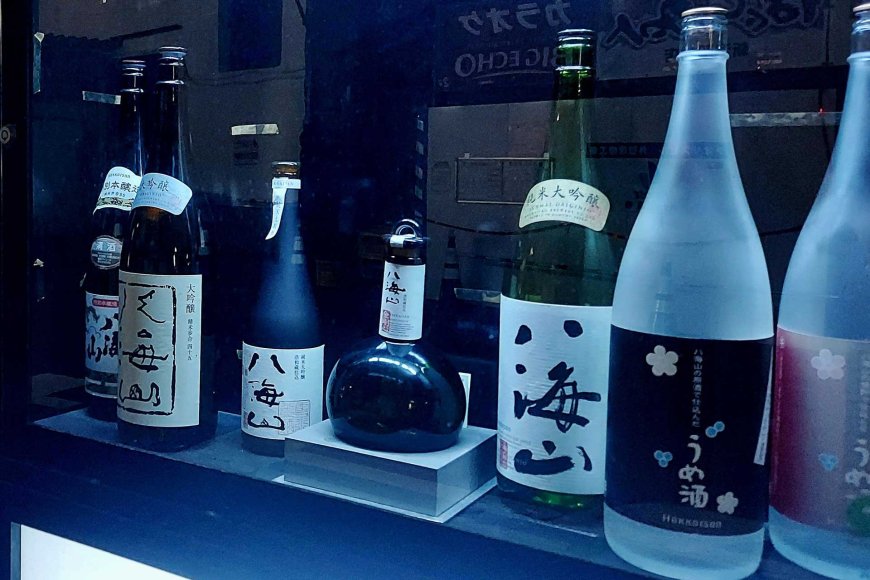
A Celebration of Culture
From Rice to Sake in Japan is a celebration of culture, craft, and terroir. Sake is not merely a beverage — it is the essence of rice, water, climate, and human mastery, poured into every bottle and ceramic cup. Its story mirrors Japan’s history, blending ancient practices with modern passion.
Nipino.com is committed to providing you with accurate and genuine content. Let us know your opinion by clicking HERE.