
















































































Learning Japanese Through Anime: Practical Tips for Beginners
Watching anime can help beginners learn Japanese naturally through immersion, vocabulary exposure, and cultural understanding. With structure, consistency, and the right tools, anime transforms from entertainment into a powerful language-learning ally.

The Power of Anime in Language Learning
For many learners, anime is more than just entertainment—it’s a window into Japanese culture, expressions, and daily conversations. Unlike textbooks, anime offers a natural and engaging environment where learners hear how native speakers actually talk. Through repetition and immersion, viewers begin to pick up rhythm, tone, and emotion in speech, which are often hard to capture in formal lessons.
However, while anime can inspire motivation and expose learners to real Japanese, it’s important to use it with purpose. Without structure, it can easily become a distraction rather than a learning tool.
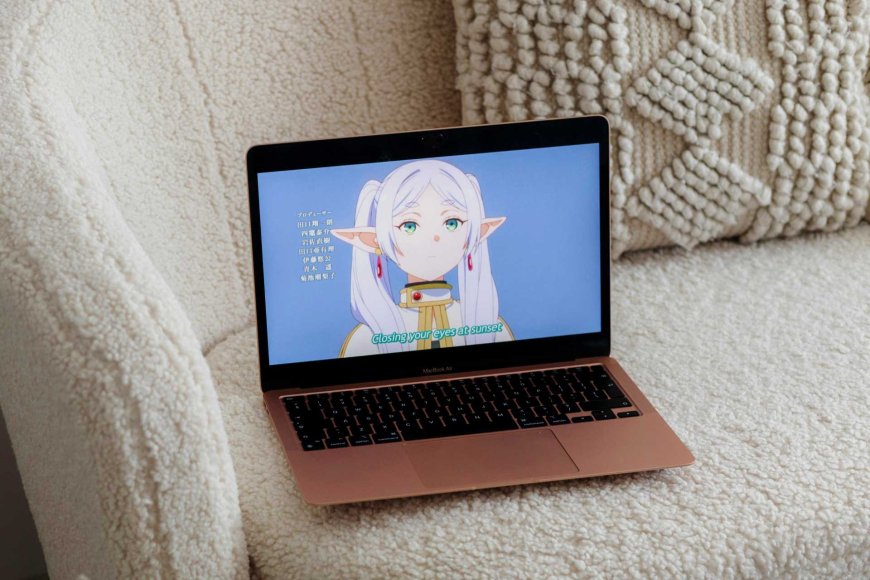
Start with Simple, Slice-of-Life Anime
Beginners should begin with anime that uses everyday Japanese instead of fantasy-heavy or historical settings. Slice-of-life genres such as Shirokuma Café, Chi’s Sweet Home, Anpanman, or Nihon Mukashibanashi are great starting points. These shows feature simple vocabulary, slow dialogues, and relatable situations like greetings, shopping, or school life.
Complex anime with heavy slang or technical terms (like Attack on Titan or Naruto) might sound exciting but can overwhelm beginners. It’s best to grow your foundation first—then move on to more advanced genres later.

Use Subtitles the Smart Way
One of the most common mistakes beginners make is relying too much on English subtitles. While helpful at first, subtitles can make your brain lazy. The trick is to use subtitles strategically:
- Step 1: Watch with English subtitles to understand the plot.
- Step 2: Rewatch with Japanese subtitles to recognize words and grammar.
- Step 3: Finally, watch without any subtitles to train your listening comprehension.
This “three-pass” method gradually shifts focus from meaning to sound and structure, improving your overall fluency and confidence.

Build a Vocabulary Notebook
Anime exposes learners to words that textbooks often miss—casual slang, interjections, and cultural expressions. To make these stick, create a vocabulary notebook.
Write down new words, their meanings, and short example sentences. For instance, from My Neighbor Totoro, you might note:
- 「すごい!」(Sugoi!) – Wow! Amazing!
- 「本当に?」(Hontou ni?) – Really?
- 「行こう!」(Ikou!) – Let’s go!
By writing them down, your brain processes the sound, context, and spelling together—making retention easier.

Repeat and Shadow the Dialogue
Language mastery comes from imitation. Shadowing is a proven technique where you repeat what characters say in real time. This improves pronunciation, accent, and rhythm.
For example, pick one short scene (10–15 seconds) and mimic the dialogue line by line. Focus on intonation, emotion, and speed. Over time, your speech will sound more natural, and you’ll feel more comfortable speaking Japanese aloud.
Understand Cultural Context
Japanese words often carry cultural meanings that can’t be translated directly. For example, honorifics like “-san,” “-kun,” or “-senpai” reveal social relationships. Watching anime helps learners grasp these nuances visually.
Shows like K-On! or Barakamon demonstrate how politeness levels shift depending on the setting—whether among friends, teachers, or elders. Understanding these subtleties deepens cultural appreciation and prevents social misunderstandings when using Japanese in real life.

Combine Anime Learning with Formal Study
While anime helps with listening and vocabulary, formal study is still necessary to understand grammar and sentence structure. Pairing anime with a Japanese course, app, or textbook reinforces learning.
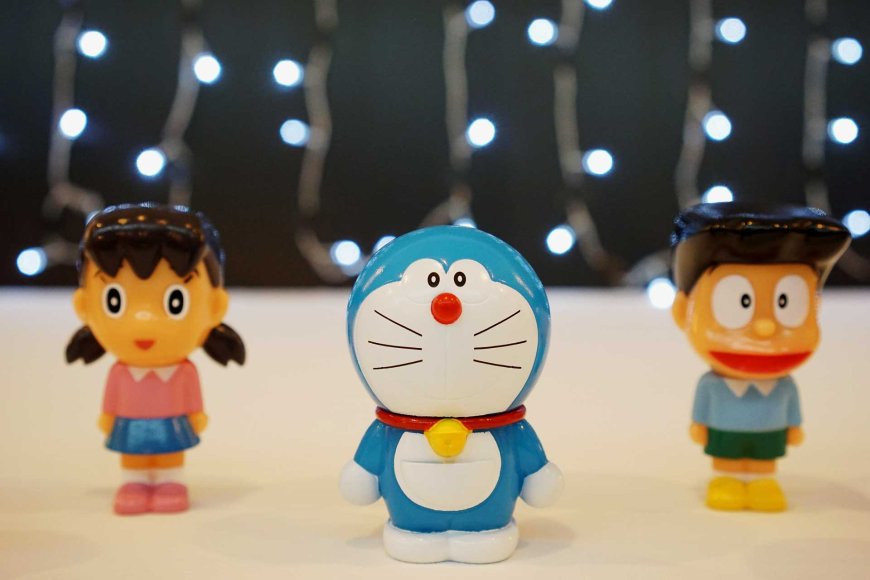
You might watch an episode of Doraemon, then practice sentence patterns using examples from Everyday Japanese For Beginners. The blend of structured study and anime-based immersion keeps the learning balanced, effective, and fun.
Set Realistic Learning Goals
Anime learning should feel enjoyable—not stressful. Set small, measurable goals such as:
- Learn five new words per episode.
- Master one grammar pattern per week.
- Rewatch one series without subtitles by the end of the month.
Consistency matters more than quantity. Regular exposure will make Japanese sound familiar, and progress will naturally follow.

Engage with the Anime Community
Joining anime forums, Discord servers, or Reddit groups like r/LearnJapanese provides motivation and support. You can share vocabulary lists, discuss favorite shows, and even find study partners.
Practicing with others helps reinforce what you’ve learned and adds a social element to your study routine—turning anime watching into a shared cultural journey.

Turning Fun into Fluency
Learning Japanese through anime is not a shortcut—it’s a lifestyle approach. By actively listening, writing down phrases, shadowing dialogue, and combining anime with study materials, anyone can gradually build real Japanese skills.
Anime makes the journey personal and enjoyable. For many learners, it’s not just about mastering a language—it’s about understanding a culture that has inspired millions worldwide.
Nipino.com is committed to providing you with accurate and genuine content. Let us know your opinion by clicking HERE.