
































































Top 5 Japanese Etiquette Tips Every Filipino Should Know
Japan’s culture is deeply rooted in respect, harmony, and mindfulness—values that resonate with many Filipinos but are practiced differently. Understanding these etiquette tips helps Filipinos adapt more easily in Japan, whether for work, travel, or building relationships.
1. Bowing Is More Than Just a Greeting
Understanding the Language of Respect
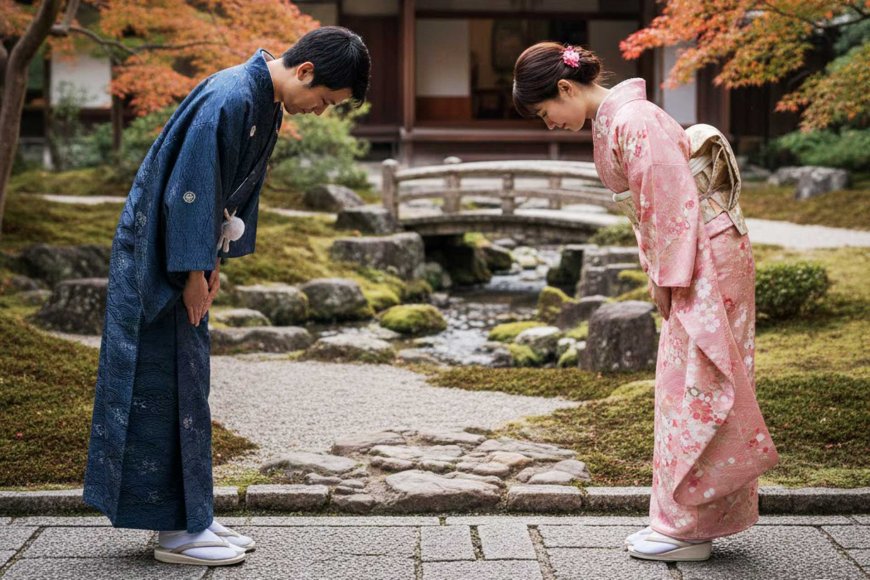
In Japan, bowing is not merely a physical act—it’s a cultural language that expresses respect, gratitude, apology, or greeting. While Filipinos are accustomed to handshakes, hugs, or even a friendly pat on the back, Japanese people convey sincerity through a bow. The depth and duration of the bow often reflect the degree of respect: a slight nod for casual encounters, a deeper bow for formal meetings, and a long, low bow for apologies.
For Filipinos working or studying in Japan, learning when and how to bow properly shows an understanding of local norms. It’s not just about mimicking the motion—it’s about conveying humility and acknowledgment. In Japan, the heart of respect lies in silence and posture, not in loud greetings.
2. Removing Shoes Before Entering Homes and Certain Establishments
Cleanliness Reflects Character
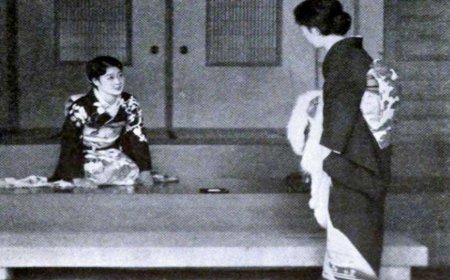
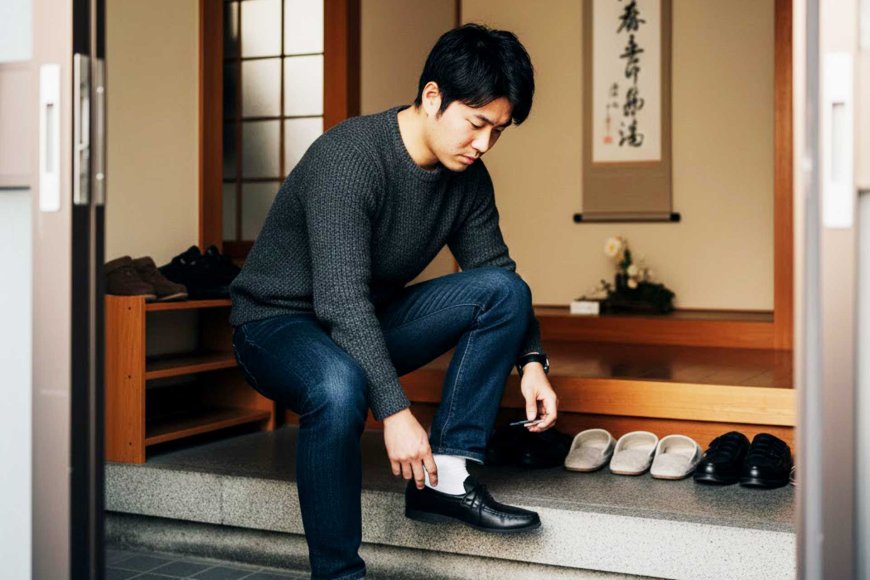
One of the first things foreigners notice when visiting Japanese homes is the strict rule of removing shoes before entering. This custom extends to traditional inns (ryokan), temples, some restaurants, and even schools. It stems from Japan’s cultural value of cleanliness, where the home is considered a sacred and pure space.
Filipinos living in Japan should make it a habit to wear clean socks and use slippers (uwabaki) provided indoors. Ignoring this simple rule can come across as disrespectful or careless. Observing this etiquette is a small act that leaves a big impression on Japanese hosts.
3. Silence and Politeness in Public Spaces
Respecting Harmony in Society
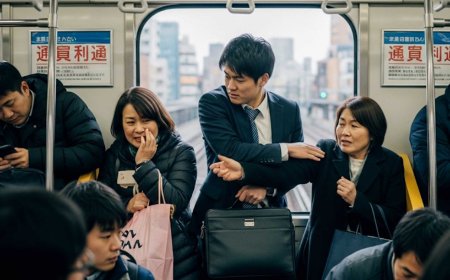
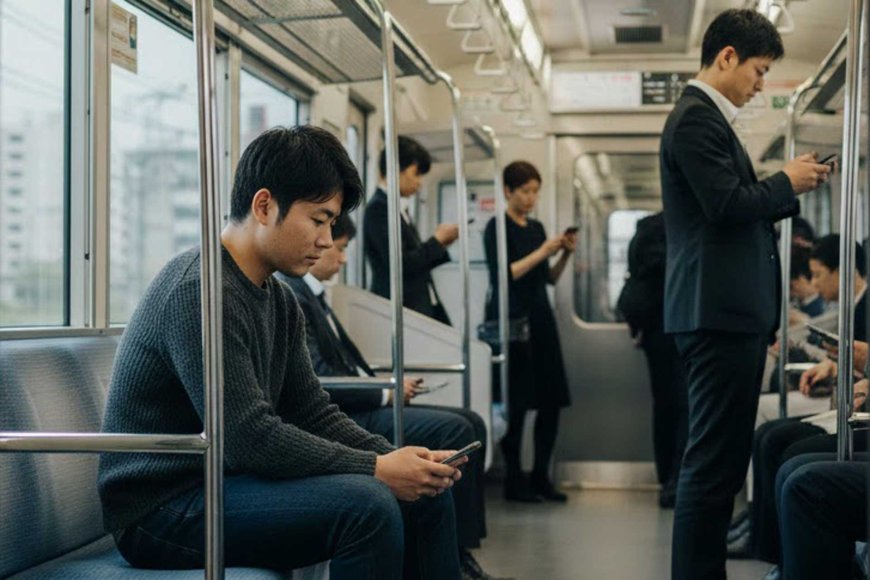
In Japan, public behavior is guided by the concept of wa—harmony. This means keeping noise levels down, avoiding phone calls on public transportation, and maintaining order in queues. For Filipinos, who are naturally warm, expressive, and sociable, this might require adjustment.
Politeness extends to communication as well. Japanese people often express disagreement subtly and avoid confrontation to preserve harmony. Filipinos can relate, but must also remember that in Japan, less is more. A soft voice, a bow, and a smile can convey respect better than words.
4. Handling Money, Gifts, and Business Cards Properly
Mindfulness in Every Exchange
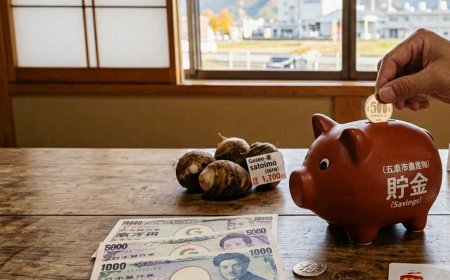
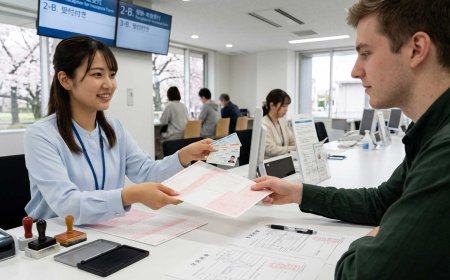
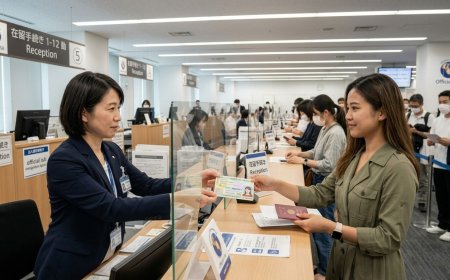
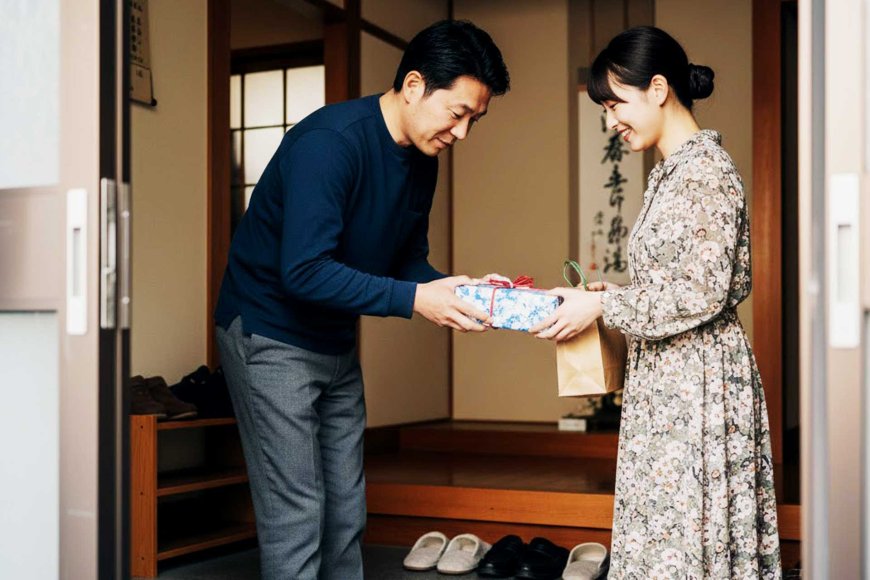
In Japan, how you hand over or receive something—especially money, gifts, or business cards—reflects your manners. Filipinos often use one hand for casual exchanges, but in Japan, it’s customary to use both hands as a gesture of respect. When paying in stores, instead of handing cash directly to the cashier, it should be placed on the small tray provided.
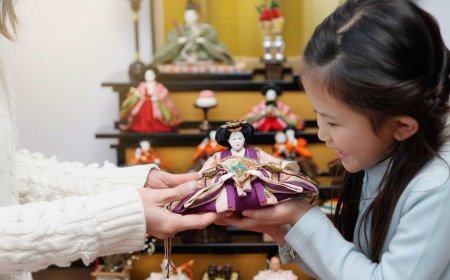
Gift-giving (omiyage) is also a major part of Japanese culture. For Filipino professionals, handling business cards (meishi) with care is crucial. Always present and receive them with both hands, read the card briefly, and never shove it into your pocket.
5. Punctuality and Apology Culture
Time and Humility Define Integrity
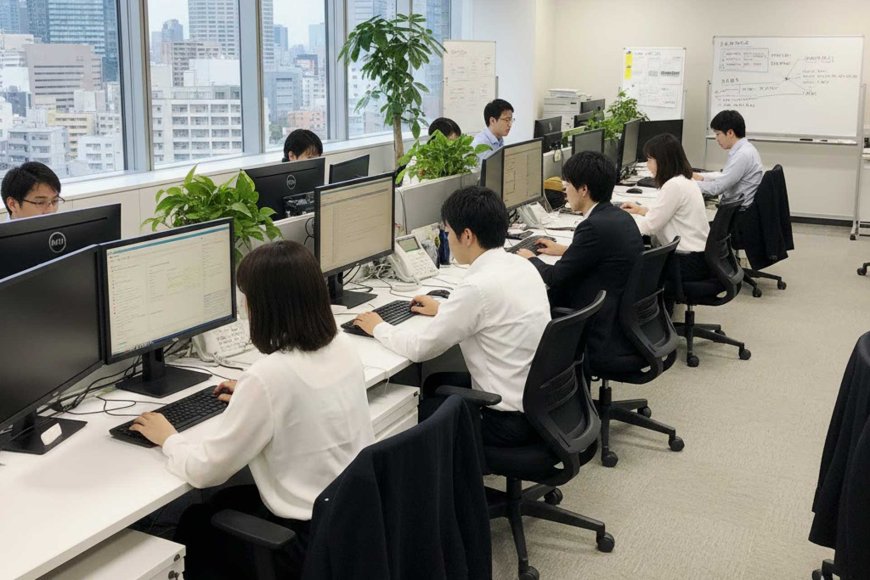
Time is sacred in Japan. Being even a few minutes late can be seen as disrespectful, whether for a job interview, class, or social appointment. Filipinos are often known for Filipino Time, a relaxed approach to schedules, but in Japan, punctuality equates to integrity.
Equally important is the apology culture. Saying “sumimasen” (excuse me) or “gomen nasai” (I’m sorry) maintains harmony. Filipinos can easily adopt this practice because humility earns more respect than pride ever could.
Respect as the Universal Language
Learning Japanese manners is not about pretending to be Japanese—it’s about showing effort, sincerity, and respect for the host culture. When Filipinos combine their natural warmth with Japanese discipline, they create a bridge between two nations built on mutual respect and admiration.
Nipino.com is committed to providing you with accurate and genuine content. Let us know your opinion by clicking HERE.