

























Guide to Budgeting in Japan: Cost of Living, Savings, and Expenses
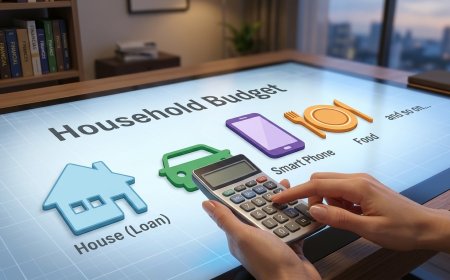
Budgeting in Japan is not just about rent—it includes food, transport, insurance, taxes, utilities, savings, and lifestyle habits that can quietly shape your monthly life. This guide breaks down realistic 2026 living expenses in Japan and shows foreigners how to plan smarter, save better, and avoid common money mistakes.
2026 Cost of Living in Japan: The Big Picture
A practical monthly budget for a single foreign resident in Japan often falls between ¥150,000 and ¥250,000, depending on location, rent, food habits, transportation, and lifestyle. Japan Living Guide’s 2026 cost estimate places monthly rent around ¥70,000–¥150,000, food around ¥30,000–¥60,000, utilities around ¥10,000–¥20,000, transportation around ¥8,000–¥15,000, and phone/internet around ¥5,000–¥10,000.
That range is useful, but it does not tell the whole story. Someone living in central Tokyo may spend ¥120,000 just on rent, while someone in a regional city may find a comfortable apartment for half that. A person who cooks at home can keep food costs reasonable, while someone eating out daily can burn through money quickly. Japan is not automatically cheap or expensive—it depends on how you live.
Tokyo is still the most expensive benchmark. Numbeo’s May 2026 estimate places monthly costs for a single person in Tokyo at around ¥147,000 excluding rent, which means rent can push the total much higher. For people living in regional areas, the biggest savings usually come from housing, not groceries. Rice, eggs, vegetables, phone plans, and insurance do not magically become half-price just because you live outside Tokyo, but rent often does.
Monthly Cost of Living in Japan (2026 Full Breakdown)
Want a smoother transition into life in Japan? Check out the Japan Starter Toolkit.
Rent: Your Biggest Budget Decision
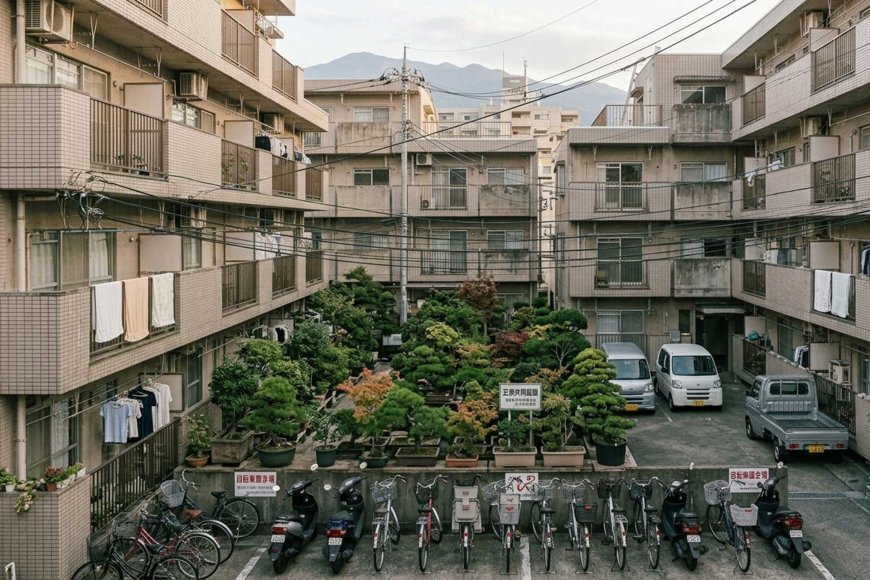
Rent is usually the largest monthly expense in Japan. It is also the expense that shapes everything else. Choose an apartment too far from work, and transportation costs rise. Choose a place too small, and you may spend more time outside. Choose a place too expensive, and every month becomes a financial balancing act.
For many single residents, a basic apartment may range from ¥50,000 to ¥90,000 in regional cities and ¥80,000 to ¥150,000 in popular Tokyo areas. Shared housing can lower costs, especially for new arrivals, students, and people who do not want to pay heavy upfront apartment fees.
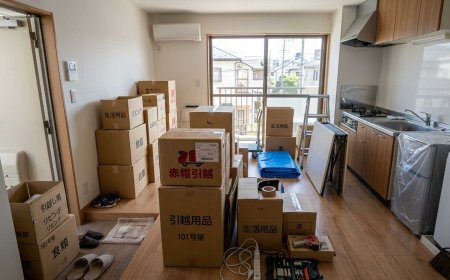
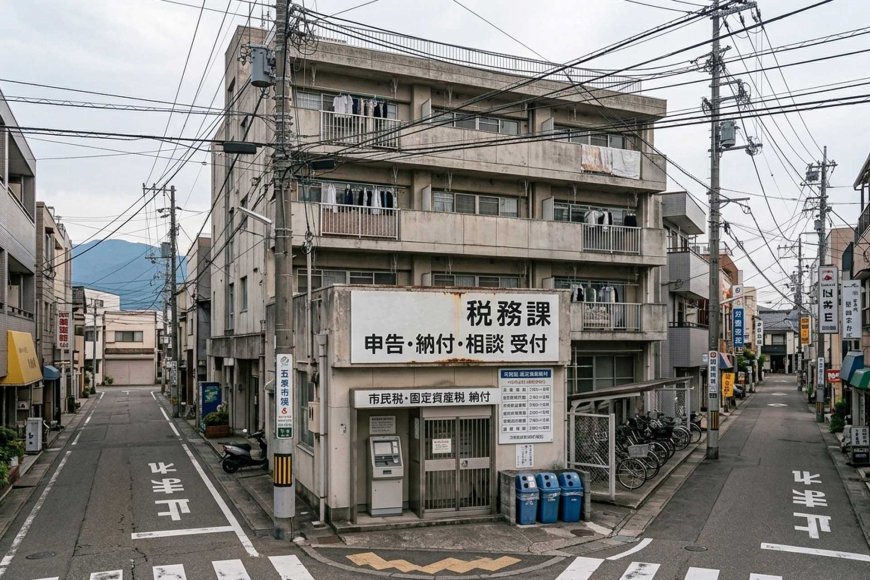
The tricky part is that rent is not only monthly. Japan often has high apartment move-in costs, including deposit, key money, agency fee, guarantor fee, fire insurance, cleaning fee, and first month’s rent. That is why a person budgeting for Japan should prepare not only for monthly rent but also for the first big payment before move-in.
| Housing Type | Typical Monthly Cost | Best For | Budget Warning |
| Share house | ¥40,000–¥80,000 | New arrivals, students, short-term residents | Less privacy |
| 1R / 1K apartment | ¥50,000–¥120,000 | Singles, workers, students | Initial costs can be high |
| 1LDK / 2DK | ¥80,000–¥180,000 | Couples, remote workers | Higher utilities and renewal fees |
| Family apartment | ¥120,000–¥300,000+ | Families | School, transport, and insurance add up |
Initial Costs of Moving into an Apartment in Japan (Full Breakdown)
Food: The Expense That Changes With Your Habits
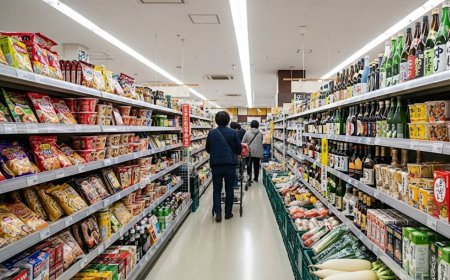
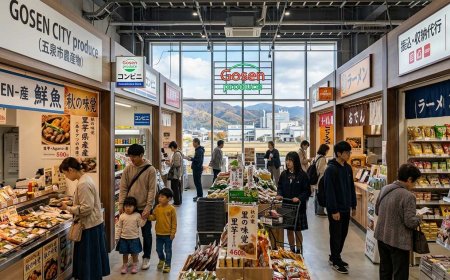
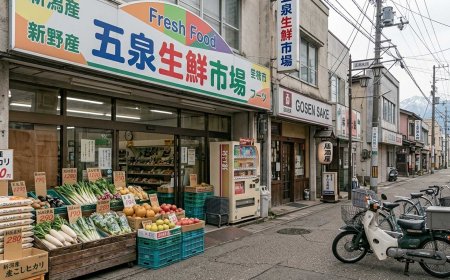
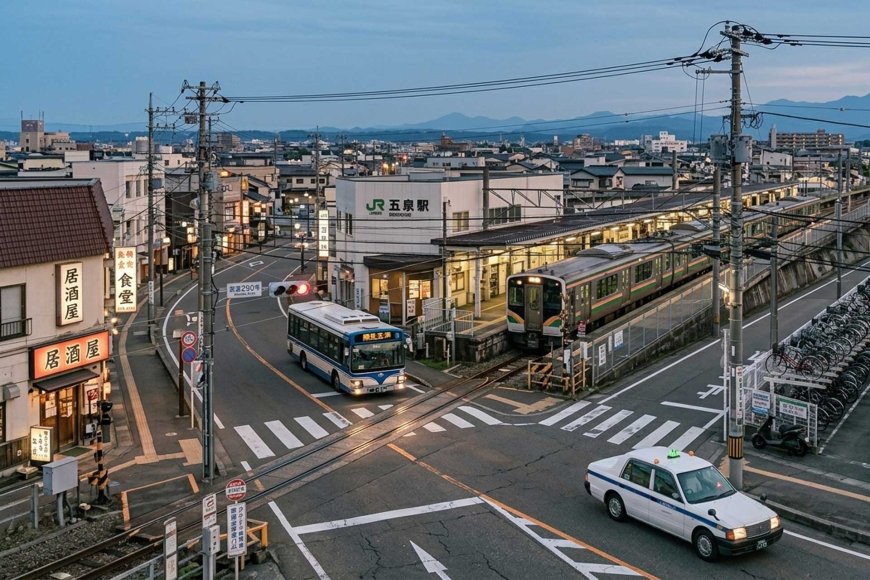
Food spending in Japan depends heavily on your lifestyle. A careful home cook can live on ¥30,000–¥45,000 per month, especially by buying seasonal vegetables, supermarket discounts, rice, eggs, tofu, noodles, frozen vegetables, and local produce. A busy worker who buys convenience store meals, coffee, snacks, and restaurant lunches every day may spend ¥60,000 or more without feeling extravagant.
Food prices are also sensitive to inflation. Trading Economics, using Statistics Bureau of Japan data, reported that Japan’s food CPI was 128.70 points in March 2026, close to recent highs after reaching 129.50 in January 2026. In simple language, food has become one of the areas where residents actually feel price changes. Even if inflation looks modest on paper, a small increase in rice, bread, eggs, meat, and cooking oil can hurt because people buy these items repeatedly.
Eating out is not always expensive in Japan. Gyudon chains, ramen shops, family restaurants, school cafeterias, supermarket bento, and standing soba shops can be affordable. The danger is frequency. A ¥700 lunch sounds harmless, but if you do it 22 workdays a month, that is ¥15,400 just for weekday lunches. Add coffee and snacks, and the number grows quietly.
A smart food budget does not mean never eating out. It means choosing your “worth it” meals. Cook simple meals on weekdays, enjoy restaurants intentionally, and stop letting convenience store snacks become your invisible subscription.
Utilities, Phone, and Internet
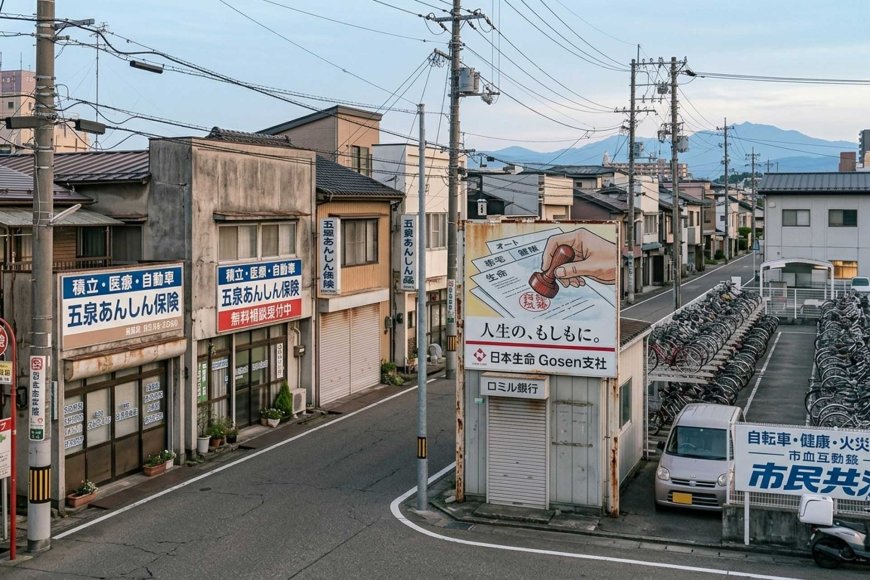
Utilities in Japan usually include electricity, gas, water, phone, and internet. For a single person, utilities may often fall around ¥10,000–¥20,000 per month, but winter and summer can change everything. Heating in winter and air conditioning in summer can push electricity and gas bills higher.
Your bill also depends on the type of gas. City gas is often cheaper than propane gas, but many apartments—especially in some regional areas—use propane. Before renting, ask whether the apartment uses 都市ガス (city gas) or プロパンガス (propane gas). That small detail can affect your monthly budget more than you expect.
Phone plans can be affordable if you use budget carriers. Internet may be included in some apartments, but in other cases, you may need to apply separately and pay installation fees. If you work from home, do not choose only the cheapest internet option. A slow connection can cost you time, productivity, and sanity.
| Expense | Single Person Estimate | Notes |
| Electricity | ¥4,000–¥10,000 | Higher in summer/winter |
| Gas | ¥3,000–¥8,000 | Propane can be expensive |
| Water | ¥2,000–¥4,000 | Often billed every two months |
| Mobile phone | ¥2,000–¥7,000 | Budget SIMs reduce cost |
| Home internet | ¥4,000–¥6,000 | May be included in some rentals |
Transportation: Japan Is Convenient, But Not Always Cheap
Japan’s public transportation is excellent. Trains and buses are clean, reliable, and widely used. But convenience still has a price. A person commuting daily may spend ¥8,000–¥15,000 per month, and some long-distance commuters spend more. Japan Living Guide’s 2026 estimate also places transportation in that same monthly range for many residents.
If your employer pays commuting costs, that can help a lot. Many companies in Japan provide a transportation allowance, but the details depend on the employer. Students, freelancers, part-time workers, and self-employed people may need to cover more of their transportation themselves.
A commuter pass can save money if you travel the same route regularly. Bicycles can also reduce costs, especially in cities where stations, supermarkets, schools, and workplaces are nearby. In regional areas, however, a car may become necessary. That changes the budget completely because you must consider insurance, shaken inspection, parking, gasoline, repairs, and taxes.
Complete Guide to Transportation in Japan (Trains, Buses, IC Cards & More)
Healthcare, Insurance, Taxes, and Pension
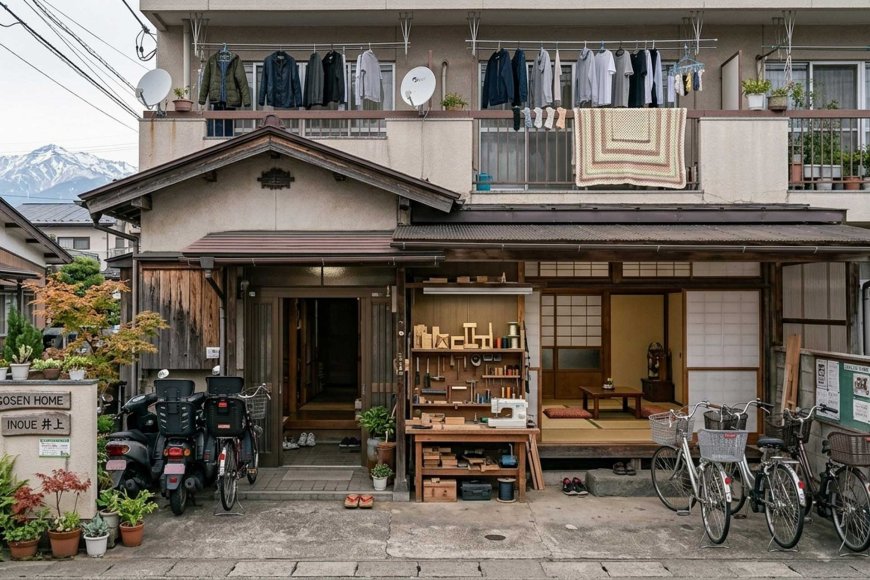
This is where many foreigners underestimate the real cost of living in Japan. Rent and food are easy to imagine. Insurance, pension, and taxes feel abstract until the payment slips arrive.
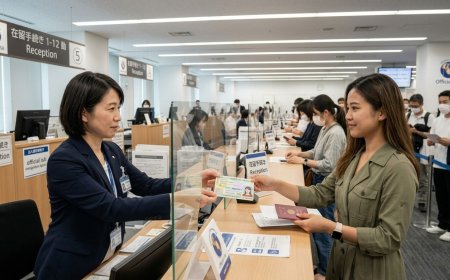
Most residents in Japan must be enrolled in either National Health Insurance or employer-based Social Insurance. If you work full-time for a company, insurance and pension are often deducted from your salary. If you are self-employed, unemployed, a student, or working under certain conditions, you may need to pay bills yourself through the city office system.
Healthcare itself is usually more affordable than in many countries because insured residents often pay only part of the medical cost at clinics and hospitals. But the monthly insurance premium still needs to be in your budget. Residence tax can also surprise people because it is based on the previous year’s income. If you had a higher income last year, your residence tax this year may feel heavy even if your current income dropped.
Healthcare in Japan for Foreigners: Insurance, Costs, and How It Works
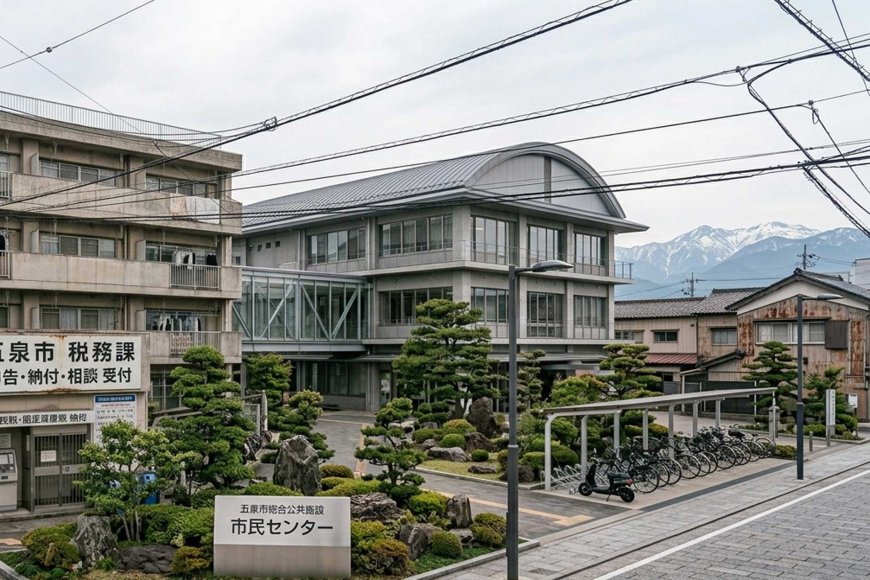
Sample Monthly Budgets in Japan
These are realistic sample budgets, not exact promises. Your actual expenses will depend on your city, contract, lifestyle, employer benefits, and family situation.
| Category | Regional Single | Tokyo Single | Couple | Family |
|---|---|---|---|---|
| Rent | ¥55,000 | ¥100,000 | ¥120,000 | ¥180,000 |
| Food | ¥35,000 | ¥50,000 | ¥75,000 | ¥110,000 |
| Utilities | ¥15,000 | ¥18,000 | ¥25,000 | ¥35,000 |
| Phone/Internet | ¥8,000 | ¥9,000 | ¥14,000 | ¥18,000 |
| Transport | ¥8,000 | ¥12,000 | ¥20,000 | ¥30,000 |
| Insurance/Medical | ¥15,000 | ¥20,000 | ¥35,000 | ¥50,000 |
| Daily/Personal | ¥25,000 | ¥40,000 | ¥60,000 | ¥90,000 |
| Estimated Total | ¥161,000 | ¥249,000 | ¥349,000 | ¥513,000 |
A Tokyo family can spend much more if they live centrally, use international schools, own a car, or have higher lifestyle expectations. Some Tokyo-focused expat estimates place family costs far higher when central rent and international schooling are included.
How Much Should You Save in Japan?
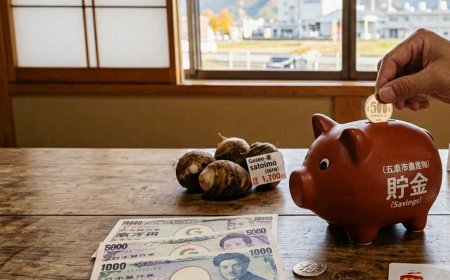
A good savings target in Japan is at least three to six months of essential expenses. If your monthly survival budget is ¥180,000, your emergency fund should ideally be around ¥540,000 to ¥1,080,000. That may sound difficult, but it gives you breathing room if you lose a job, change visa status, move apartments, visit family, or face an unexpected medical or legal issue.
New arrivals should also prepare a separate moving fund. This is not the same as an emergency fund. Moving into an apartment can require several months of rent upfront, and furnishing a room can add more. Even a simple life needs curtains, bedding, cooking tools, cleaning supplies, and basic appliances.
For foreign residents supporting family abroad, savings planning becomes even more important. Remittances, travel to the Philippines, emergency flights, and family obligations should not be treated as random expenses. They should have a line in the budget.
Smart Ways to Save Money in Japan
Saving money in Japan is not about being cheap. It is about designing your life so money does not leak every day.
The biggest saving move is choosing the right rent. If your rent is too high, every other saving tip becomes weaker. A person saving ¥20,000 monthly on rent saves ¥240,000 a year. That is bigger than skipping coffee once a week.
Cooking at home also makes a real difference. You do not need complicated recipes. Rice, miso soup, stir-fried vegetables, eggs, fish, tofu, chicken, curry, pasta, and frozen ingredients can carry a weekly meal plan easily. Supermarkets often discount prepared foods in the evening, but relying on discounted bento every night can still cost more than simple cooking.
Use point systems wisely, but do not let points trick you into overspending. Rakuten points, PayPay points, supermarket cards, drugstore apps, and cashless campaigns can help, but only if you buy things you really need.
Secondhand shopping is another powerful tool. Japan has excellent reuse shops for furniture, appliances, clothes, books, bicycles, and household items. Stores like Hard Off, Off House, 2nd Street, and local recycle shops can help new residents set up a home without destroying their budget.
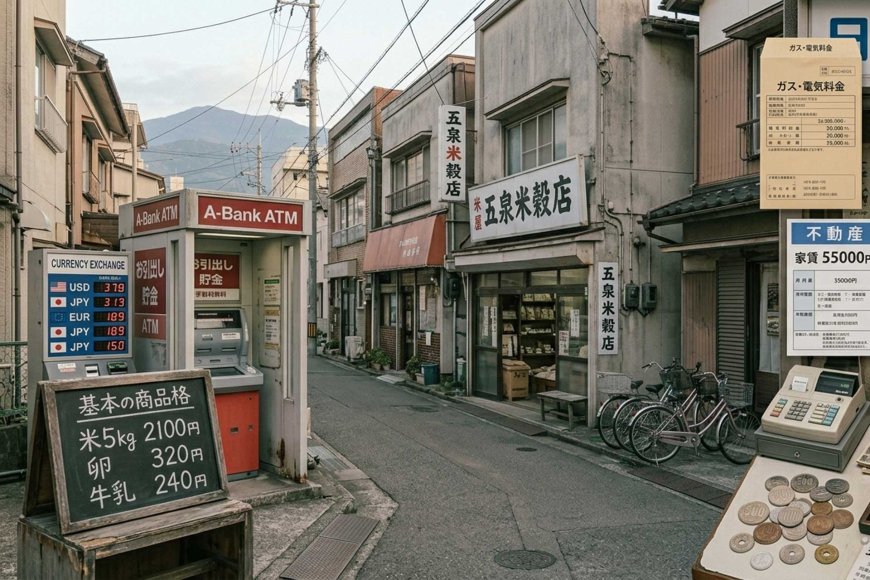
Common Budgeting Mistakes Foreigners Make in Japan
One common mistake is forgetting apartment renewal fees. Many rental contracts in Japan renew every two years, and some require a renewal fee. If you do not prepare for it, the bill can feel like a financial ambush.
Another mistake is ignoring residence tax. Since it is often based on the previous year’s income, it can surprise people who changed jobs, became freelance, or had unstable income. Always assume taxes will arrive, because they will.
Food inflation is another quiet problem. People often budget based on old prices. But when rice, eggs, vegetables, and imported goods rise, your old grocery budget may stop working. Check your real receipts for one month instead of guessing.
The final mistake is having no buffer. Japan is organized, but life is still life. Trains delay, appliances break, visas need documents, clinics cost money, and families need help. A budget with no emergency room is like an umbrella with holes—it works only when nothing goes wrong.
Build a Japan Budget That Lets You Breathe
A good budget in Japan should not make you feel trapped. It should help you breathe. It should tell you what you can afford, what you should avoid, and what kind of life you are building month by month.
Start with rent, food, utilities, transport, insurance, taxes, and savings. Track your real spending for 30 days. Adjust without shame. Living in Japan is not a race to spend the least; it is a long-term journey of making smart choices that match your income, goals, and peace of mind.
When you understand your money, Japan becomes easier to enjoy. You can eat better, travel smarter, avoid debt, prepare for emergencies, and build a future that feels stable—not just exciting for the first few months.
Prepare Smarter, Live Better in Japan (FREE Download)
Download the First 7 Days in Japan Checklist (FREE)
Don’t guess what to do — follow a proven plan.
Download your FREE “First 7 Days in Japan Checklist” PDF now:
✔ Instant download
✔ Mobile-friendly
✔ Printable
Want the COMPLETE Version? (Premium Upgrade)
If you want a deeper, more powerful guide, there’s also a premium version available on Gumroad.
Nipino.com is committed to providing you with accurate and genuine content. Let us know your opinion by clicking HERE.