

























































Public Behavior Rules in Japan: Silence, Cleanliness, and Respect
Public behavior in Japan is guided by silence, cleanliness, and respect for others, creating a calm and orderly society. Understanding these unwritten rules helps foreigners avoid common mistakes and adapt smoothly to daily life in Japan.
The Unwritten Rules of Public Life in Japan
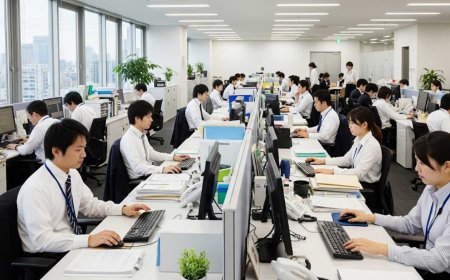
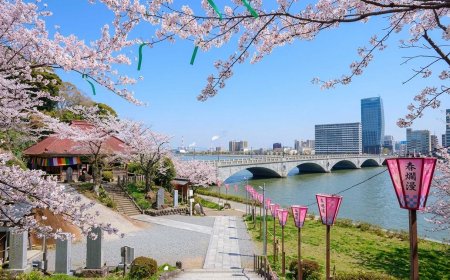
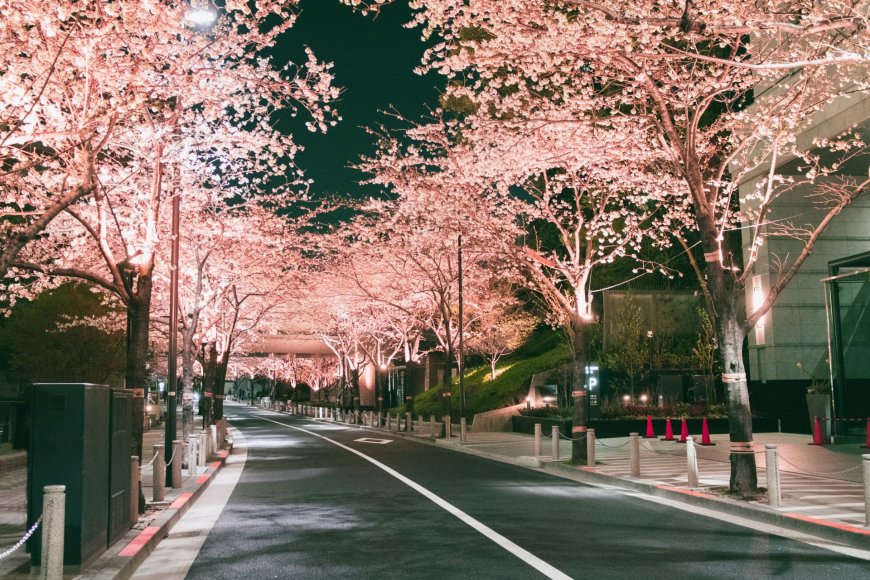
Japan is often praised for its clean streets, quiet public spaces, and orderly environment.
However, these qualities are not accidental—they are the result of shared cultural values and everyday behavior.
For foreigners, these unwritten rules can feel unfamiliar at first. But once understood, they become a key part of living comfortably and respectfully in Japan.
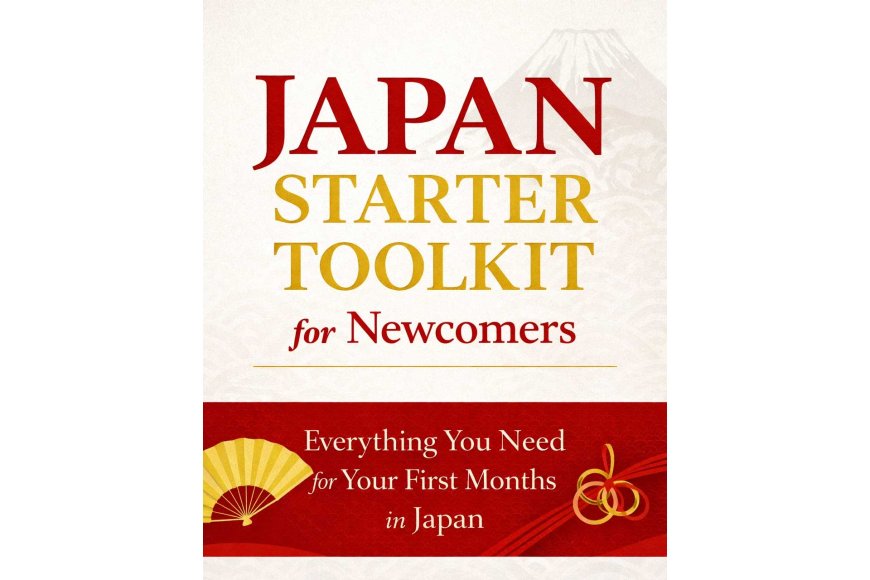
Want to adapt faster and avoid confusion? Check out the Japan Starter Toolkit.

Silence in Public: Why Quietness Matters
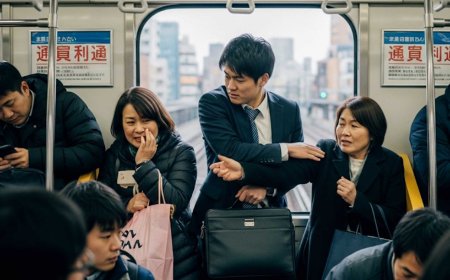
One of the most noticeable differences in Japan is how quiet public spaces are.
✔ Expected Behavior:
- Speak softly in public areas
- Avoid phone calls on trains and buses
- Keep conversations minimal in crowded spaces
❌ Avoid:
- Loud laughter or shouting
- Playing music without headphones
- Talking on the phone in public transport
Silence is seen as a form of respect. It shows consideration for others who share the same space.
For newcomers, adjusting to this quiet environment can feel unusual, but it quickly becomes natural.

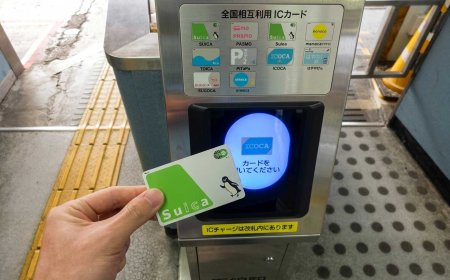
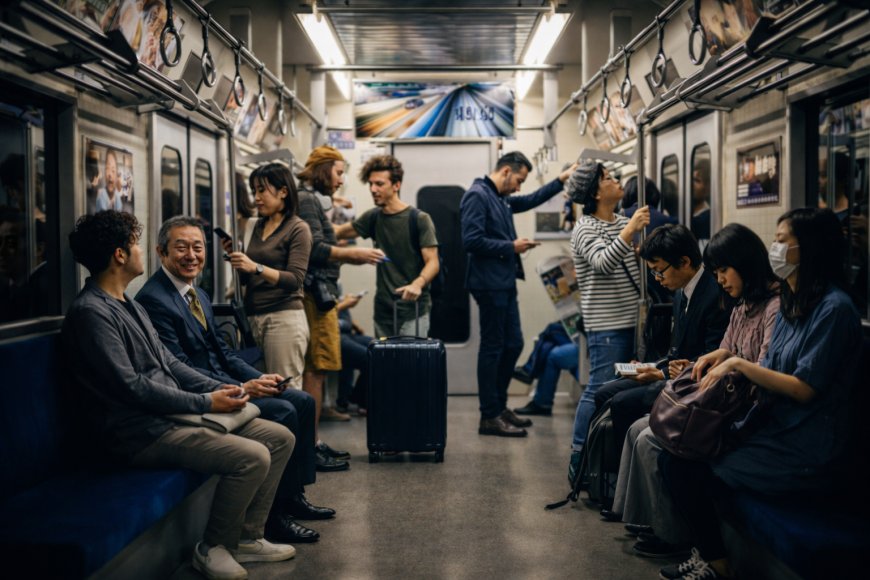
Public Transportation Etiquette: Order and Efficiency
Japan's transportation system is one of the most efficient in the world—and etiquette plays a major role in maintaining it.
✔ Do:
- Line up properly before boarding
- Let passengers exit before entering
- Stand in designated areas on platforms
❌ Don't:
- Push or rush
- Block doors
- Talk loudly or eat on crowded trains
Phones are usually set to silent mode, often referred to as "manner mode."
Following these rules ensures smooth and respectful travel for everyone.
Cleanliness: Everyone's Responsibility
Japan is known for its cleanliness, but what surprises many foreigners is the lack of public trash bins.
This is because people are expected to take responsibility for their own waste.
✔ Do:
- Carry your trash until you find a bin
- Separate garbage properly (burnable, non-burnable, recyclables)
- Follow local disposal schedules
❌ Don't:
- Litter
- Mix different types of waste
- Ignore trash collection rules
Cleanliness in Japan is not enforced—it is practiced collectively.
Avoid confusion during your first days by using the Japan Starter Toolkit.
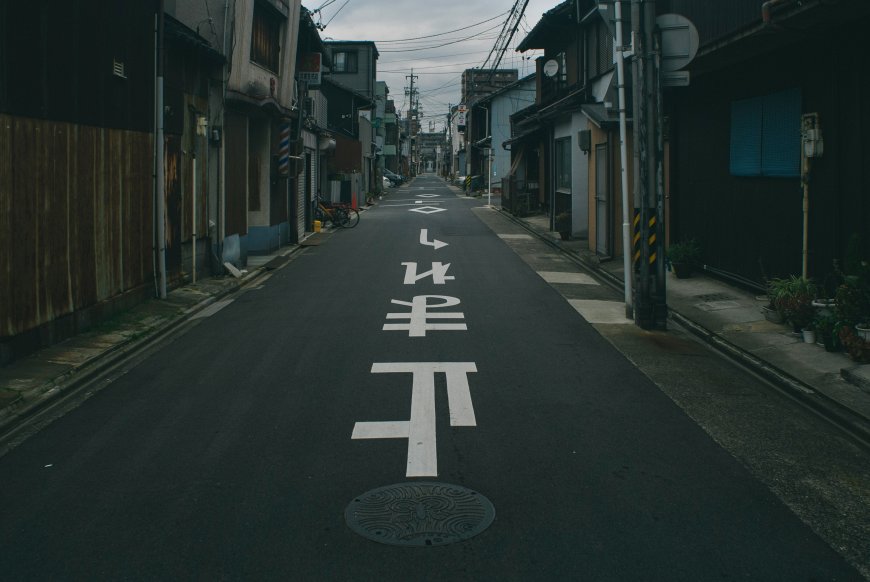
Respect for Shared Spaces
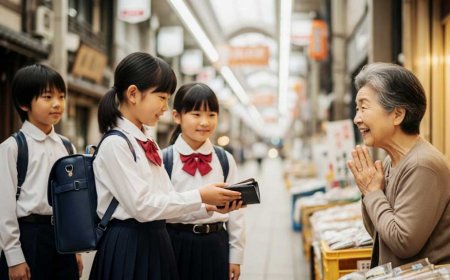
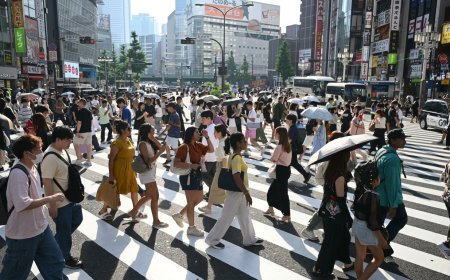
In Japan, public spaces are treated with the same care as private ones.
✔ Expected Behavior:
- Keep areas clean
- Avoid blocking walkways
- Be mindful of personal space
❌ Avoid:
- Sitting in inappropriate places
- Eating while walking in crowded areas (depending on location)
- Disrupting the flow of people
Respect for shared spaces reflects the broader value of harmony in Japanese society.
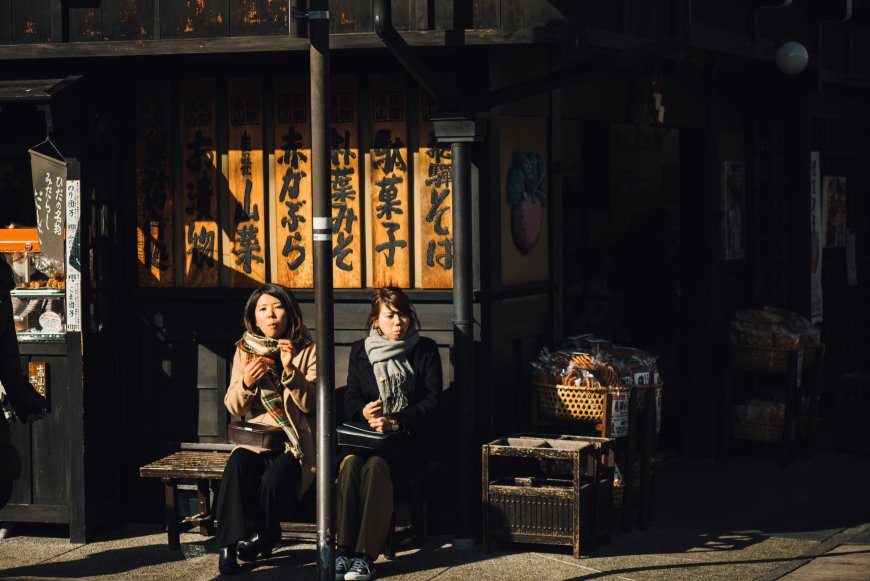
Communication in Public: Subtle and Polite
Communication in Japan is often indirect and respectful, especially in public settings.
✔ Do:
- Use polite expressions
- Keep conversations brief and calm
- Be aware of tone and body language
❌ Don't:
- Speak aggressively or loudly
- Confront people publicly
Even when disagreements occur, they are handled quietly and respectfully.
Learn polite expressions for real-life situations with Everyday Japanese for Beginners.
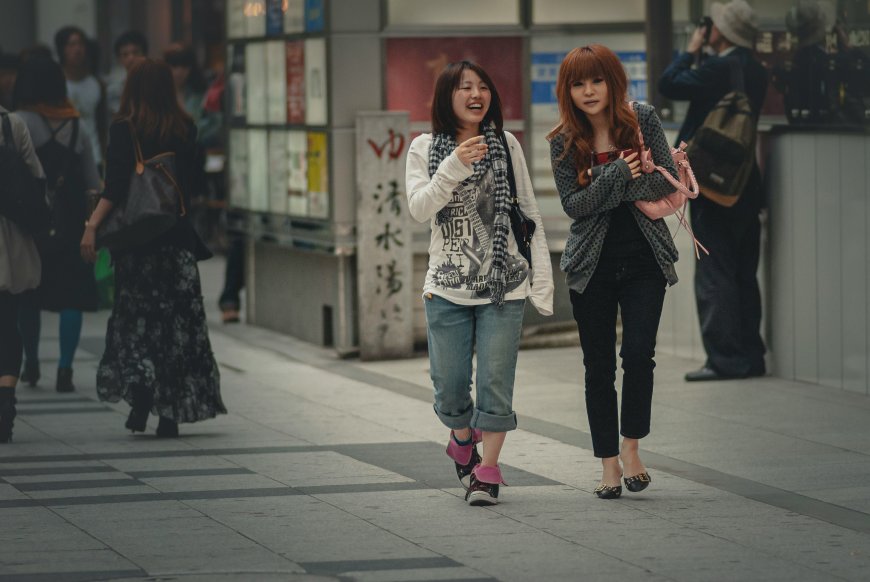
Small Actions, Big Meaning: Everyday Courtesy
In Japan, even small actions carry meaning.
Examples include:
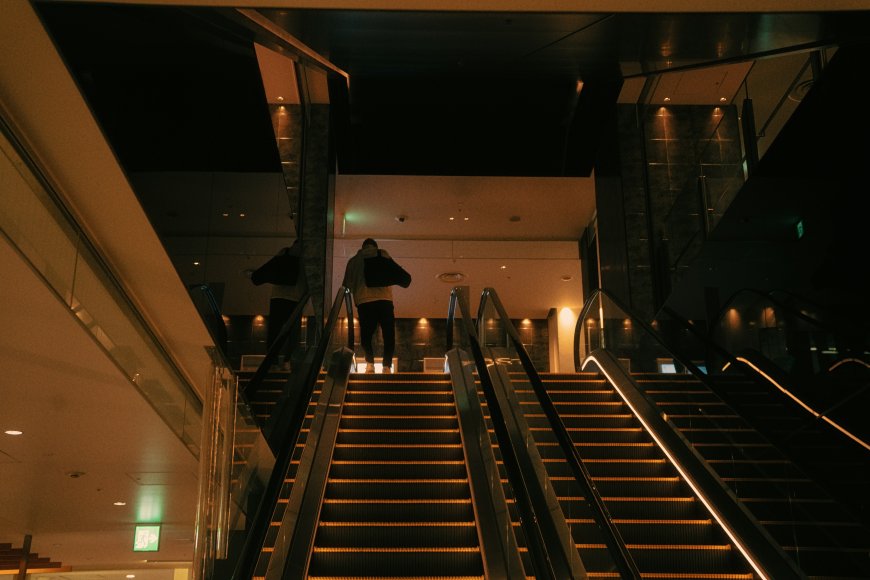
- Standing on one side of the escalator
- Holding doors when appropriate
- Not staring at others
These habits may seem minor, but they contribute to a smooth and respectful environment.
Common Mistakes Foreigners Make
Many newcomers unintentionally break public behavior rules.
Common mistakes include:
- Talking loudly on trains
- Ignoring queue systems
- Not understanding trash rules
- Using phones without consideration
These actions are usually not intentional, but awareness helps prevent them.
Why These Rules Exist
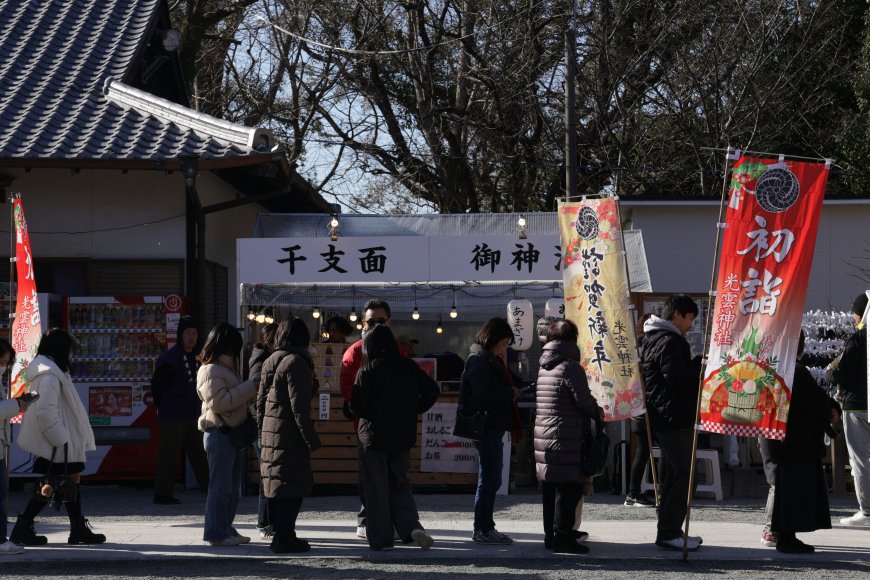
Public behavior rules in Japan are based on three core values:
1. Silence
To create a peaceful environment for everyone.
2. Cleanliness
To maintain shared spaces.
3. Respect
To ensure harmony in society.
Together, these values create the unique atmosphere that Japan is known for.
How to Adapt Quickly
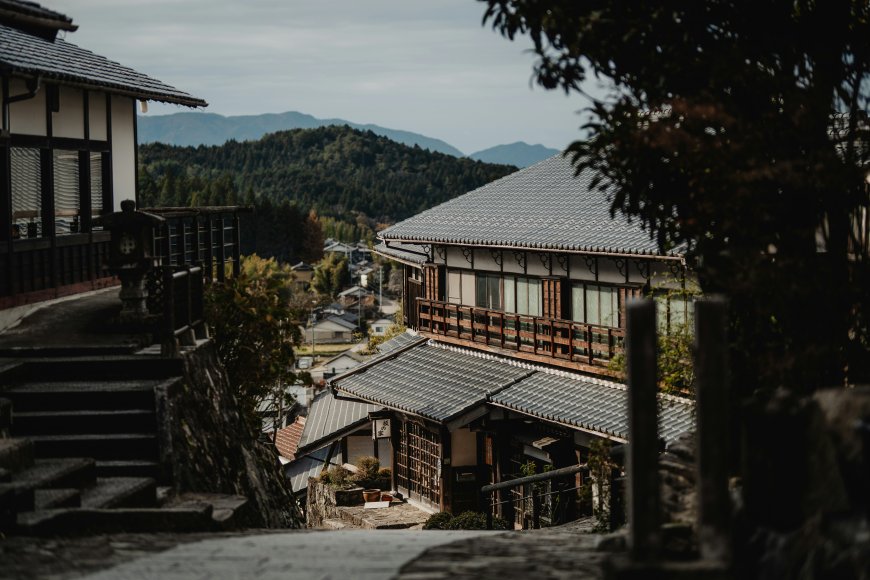
Adapting to public behavior rules does not require perfection—just awareness and effort.
✔ Tips for Beginners:
- Observe how locals behave
- Follow signs and guidelines
- Learn basic Japanese phrases
- Stay mindful of your surroundings
Over time, these behaviors become part of everyday life.
Respect Is the Key to Public Life
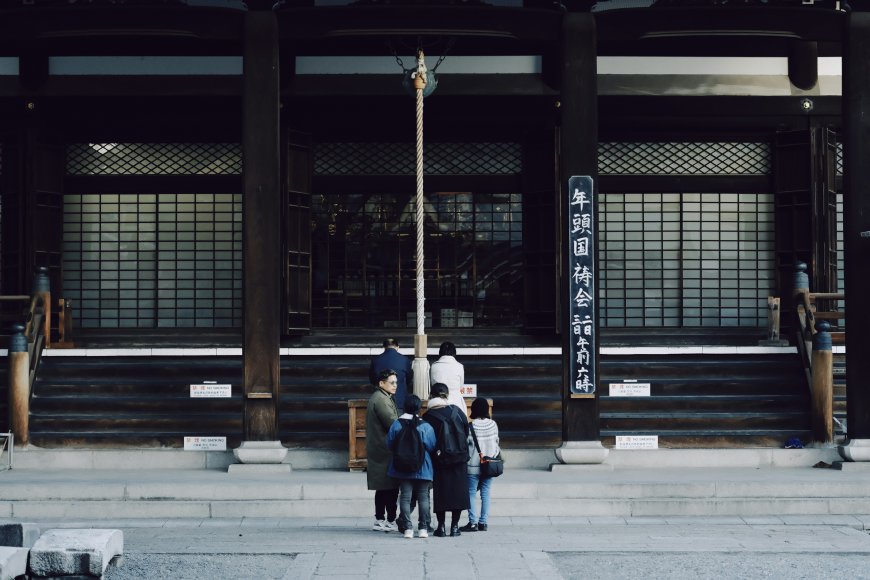
Public behavior in Japan may feel strict at first, but it is built on simple principles that benefit everyone.
By practicing silence, cleanliness, and respect, foreigners can integrate more smoothly into Japanese society and enjoy a more comfortable daily experience.
Make Your Life in Japan Easier
Get everything you need to settle smoothly with the Japan Starter Toolkit.
Learn how to communicate politely and naturally with Everyday Japanese for Beginners.
Prepare Smarter, Live Better in Japan (FREE Download)
Download the First 7 Days in Japan Checklist (FREE)
Don’t guess what to do — follow a proven plan.
Download your FREE “First 7 Days in Japan Checklist” PDF now:
✔ Instant download
✔ Mobile-friendly
✔ Printable
Want the COMPLETE Version? (Premium Upgrade)
If you want a deeper, more powerful guide, there’s also a premium version available on Gumroad.
Nipino.com is committed to providing you with accurate and genuine content. Let us know your opinion by clicking HERE.