










































Hanami in Japan: The Meaning, Traditions, and Best Ways to Enjoy Cherry Blossom Season
Hanami is one of Japan’s most beloved traditions, where people gather under blooming cherry blossom trees to celebrate the arrival of spring. Beyond its beauty, Hanami also reflects deep cultural ideas about life, change, and appreciating fleeting moments.
Celebrating the Beauty of Sakura
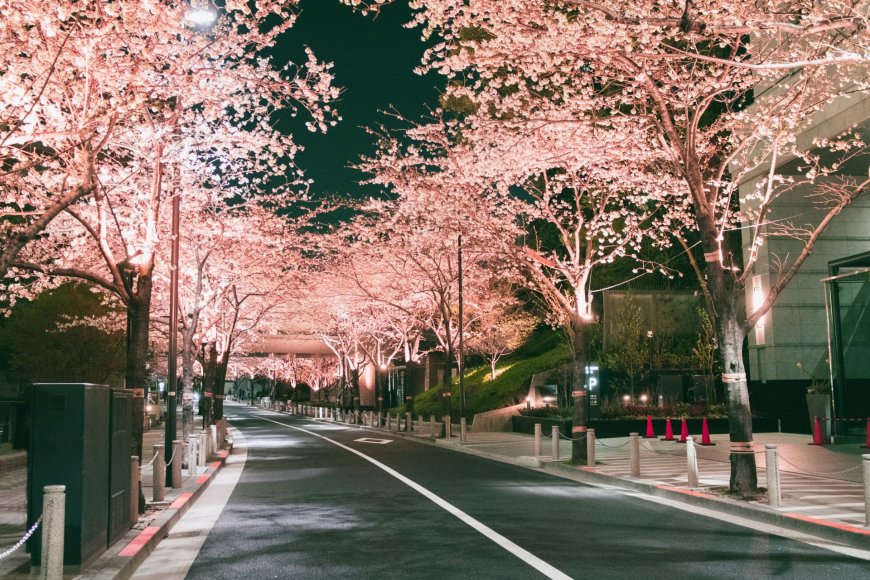
Every spring, Japan transforms into a breathtaking landscape of pink and white blossoms. This magical period is known as sakura season, and the tradition of enjoying the blossoms is called Hanami, which literally means “flower viewing.”
Hanami is more than simply looking at flowers. It is a cultural tradition that brings together families, friends, coworkers, and communities to celebrate nature, life, and the arrival of warmer days.
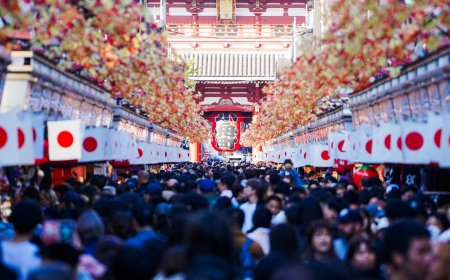
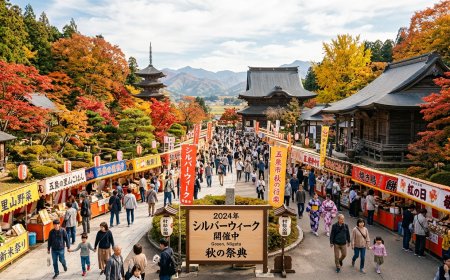
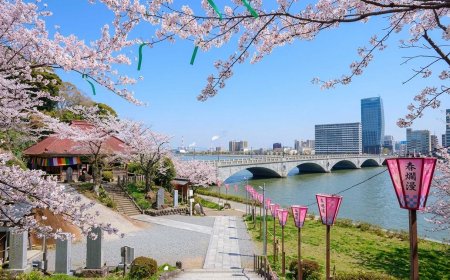
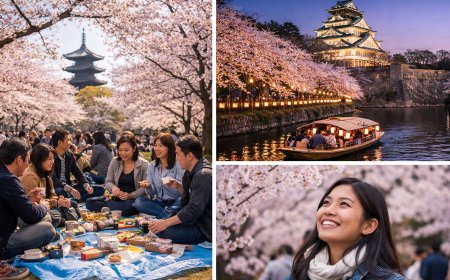
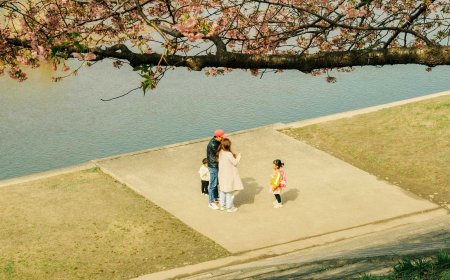
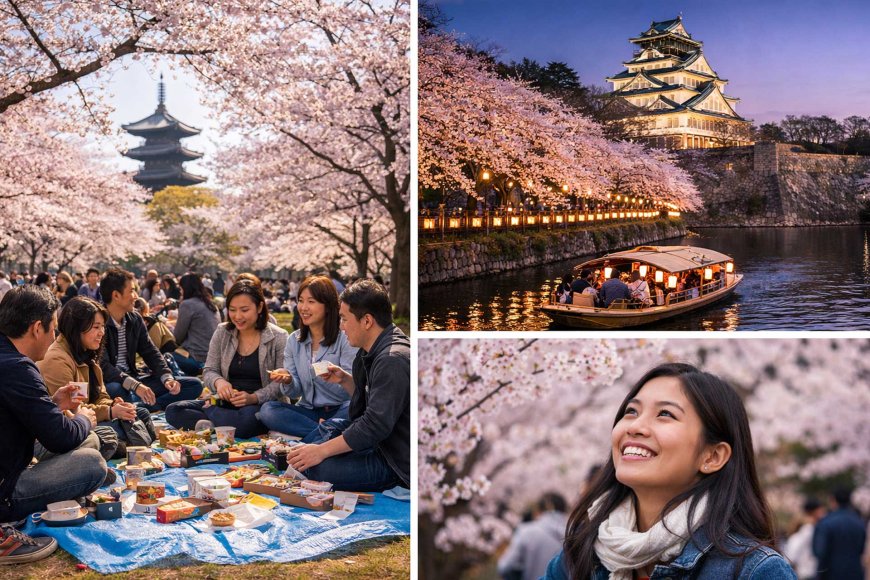
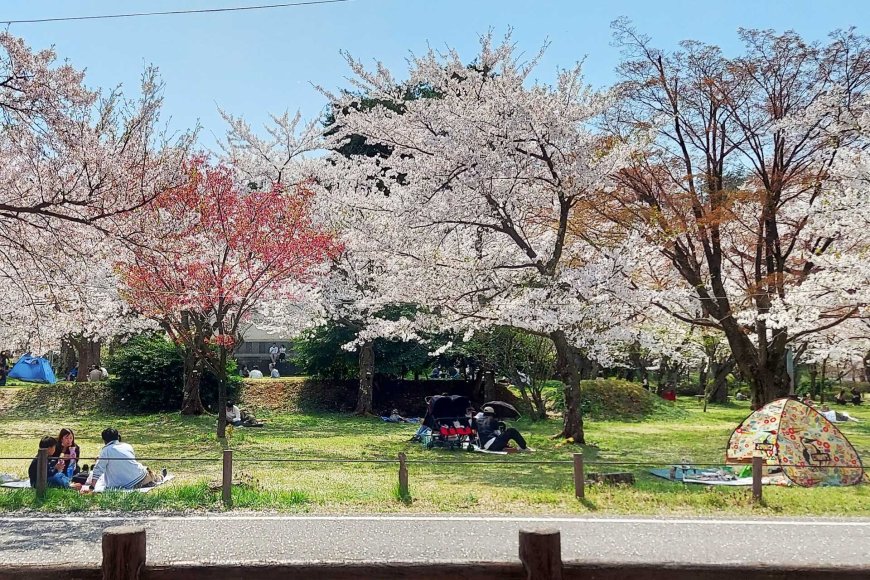
Across parks, riversides, temples, and city streets, people gather under cherry blossom trees to eat, drink, laugh, and reflect on the beauty of the moment.
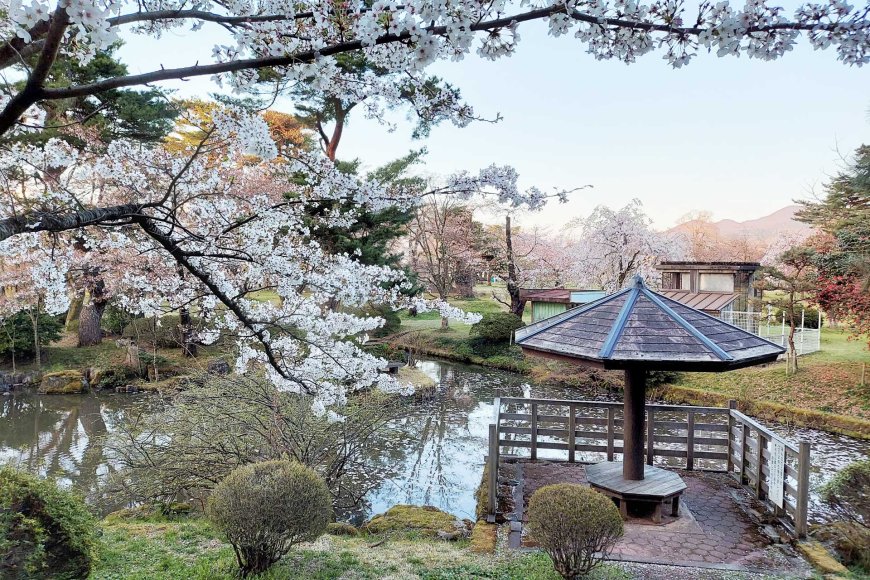
The Meaning Behind Hanami
While Hanami may appear to be a simple picnic under the trees, it carries deeper meaning within Japanese culture.
Cherry blossoms bloom beautifully but only for a short time—usually about one to two weeks. Because of this short life, sakura symbolize the temporary nature of life, reminding people to appreciate every moment.
This idea is closely related to the Japanese concept of mono no aware, which refers to the gentle sadness and beauty that comes from realizing that everything is temporary.
For many people in Japan, Hanami becomes a moment of reflection, gratitude, and appreciation for the present.
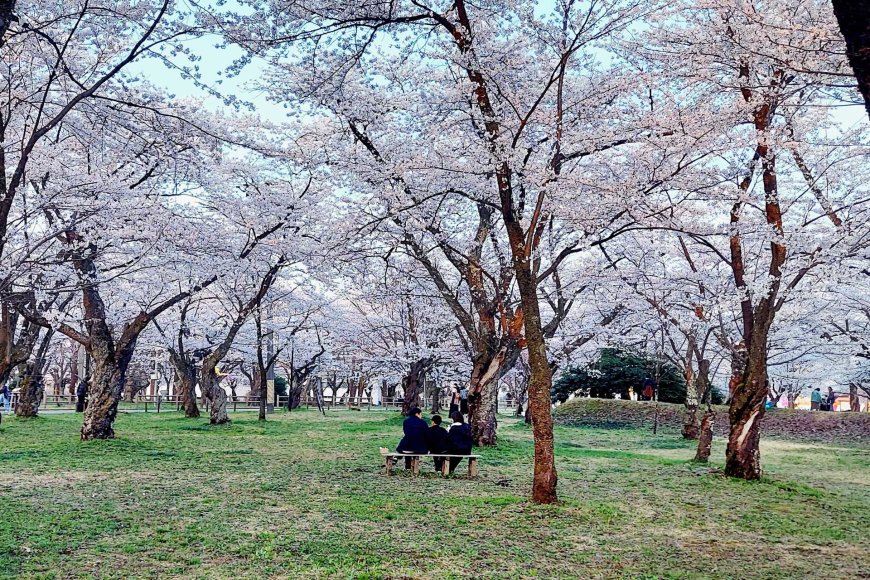
The History of Hanami in Japan
The tradition of Hanami dates back more than 1,000 years.
During the Heian period (794–1185), Japanese aristocrats began holding flower-viewing gatherings under blooming trees. At first, people admired plum blossoms, but eventually cherry blossoms became the symbol of spring in Japan.
The tradition spread from imperial courts to samurai, and later to common people during the Edo period.
Today, Hanami is a national seasonal event celebrated across the entire country.
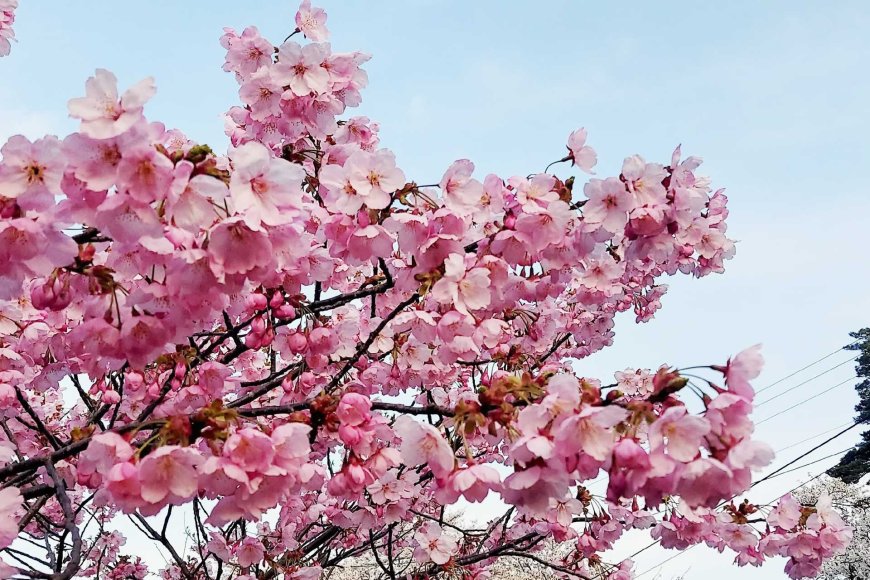
How People Celebrate Hanami Today
Modern Hanami is both relaxed and festive.
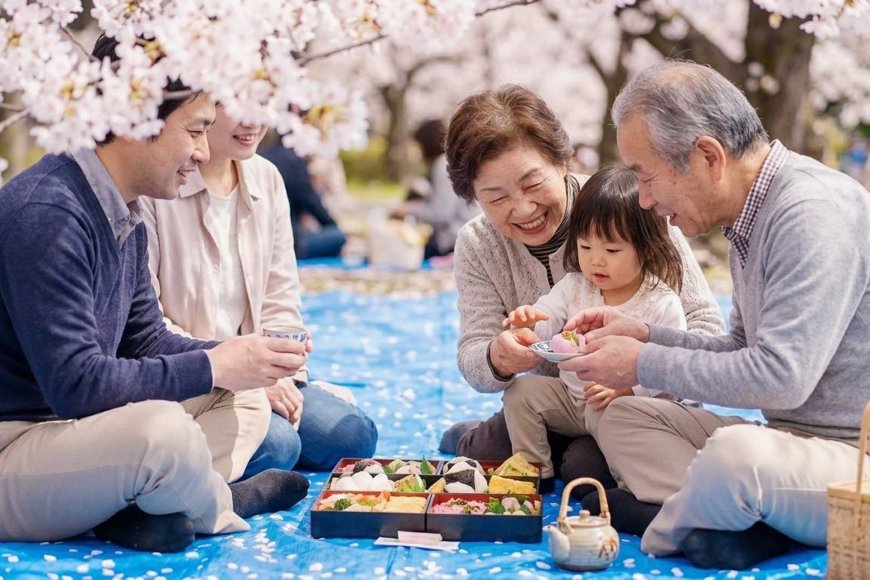
Families and friends gather in parks and spread picnic sheets called ブルーシート (blue sheets) under the cherry blossom trees. Food, drinks, and conversation fill the air as people enjoy the scenery.
Typical Hanami activities include:
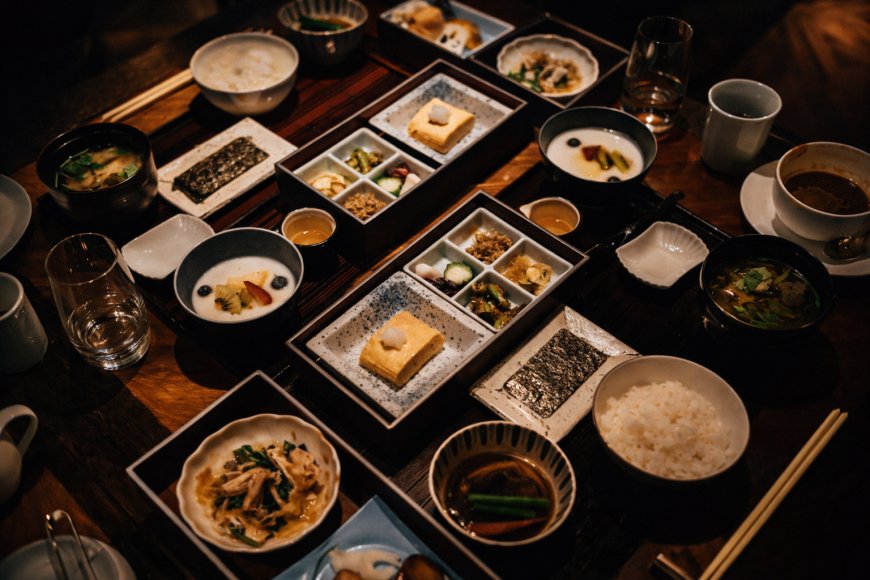
- Sharing homemade food or bento
- Drinking sake or beer
- Taking photos with sakura trees
- Walking along cherry blossom paths
- Enjoying seasonal festivals
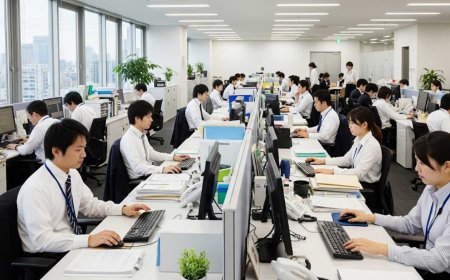
Many companies also organize Hanami parties for employees as a way to relax after work.
For foreigners living in Japan—including many Filipinos—Hanami can be a wonderful opportunity to experience Japanese culture firsthand.
Hanami Etiquette: Important Things to Remember
Although Hanami is a joyful event, there are a few etiquette rules people should follow.
First, it is important not to damage the trees. Climbing sakura trees or breaking branches is considered disrespectful.
Second, people should always clean up after their picnic. Most parks require visitors to take their garbage home.
Another important rule is respecting shared space. Hanami spots can become crowded, so being mindful of others helps maintain a pleasant atmosphere.
By following these simple guidelines, everyone can enjoy Hanami responsibly.
Best Places to Experience Hanami
Japan offers thousands of beautiful Hanami spots.
Some of the most famous locations include:
- Ueno Park in Tokyo
- Maruyama Park in Kyoto
- Osaka Castle Park
- Hirosaki Park in Aomori
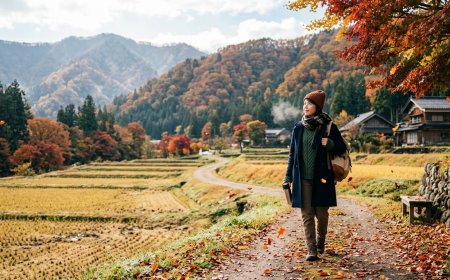
However, smaller cities and countryside locations can also offer breathtaking cherry blossom views.
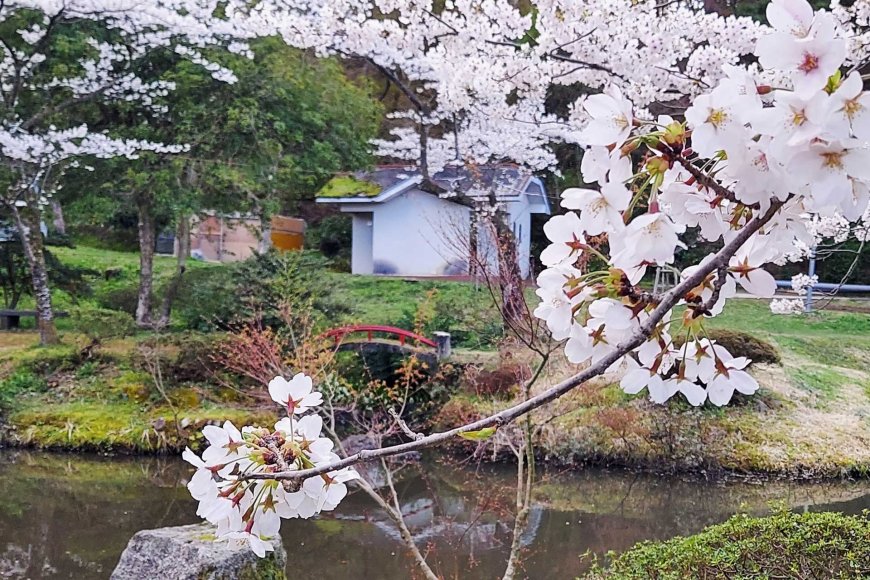
In regions like Niigata, where many Filipinos live and work, riversides and local parks become stunning sakura viewing spots during spring.
Sometimes the most memorable Hanami experiences happen in quiet neighborhoods rather than famous tourist destinations.
Why Hanami Feels Special for Filipinos in Japan
For Filipinos living in Japan, Hanami often carries a unique emotional meaning.
Many Overseas Filipino Workers, students, and families experience sakura season while living far from home. Gathering under cherry blossom trees with friends becomes a reminder that beautiful moments can still be shared even while living abroad.
Hanami also reflects something familiar to Filipino culture—the love of gatherings, shared meals, and celebrating life together.
In that way, sakura season becomes not only a Japanese tradition but also a shared cultural experience.
A Tradition That Returns Every Spring
The beauty of Hanami lies in its simplicity.
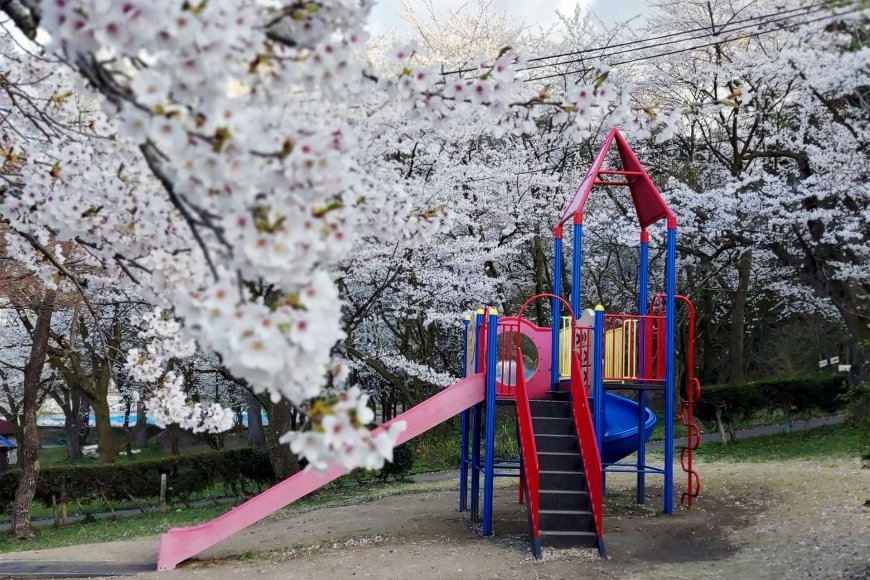
People gather, enjoy nature, share food, and appreciate the brief moment when cherry blossoms cover the sky like pink clouds.
Each year, sakura bloom and fade, reminding everyone that time moves forward—but also that beautiful seasons always return.
And when the petals begin to fall like soft snow, people quietly look forward to the next spring.
Nipino.com is committed to providing you with accurate and genuine content. Let us know your opinion by clicking HERE.