
















































































Why Japan Takes Beginnings Seriously — Lessons the World Can Learn
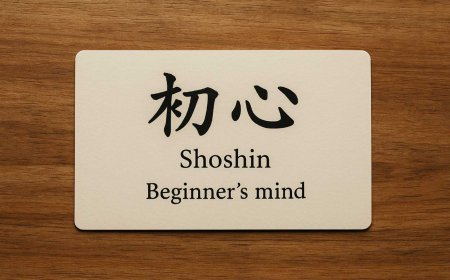
In Japan, beginnings are treated not as casual starts but as meaningful thresholds that shape mindset, behavior, and long-term outcomes. By observing how Japanese culture honors first steps—from school entrances to yearly rituals—we can learn to approach our own beginnings with greater intention, respect, and clarity.

The Power of the First Step
In many cultures, beginnings are rushed. People often say, “Let’s just start and fix it later.” In Japan, however, beginnings are treated as something closer to a promise. A beginning is not only the start of an action—it is the foundation of everything that follows.
From the first day of school to the first meeting of a new job, Japanese society places strong emphasis on preparation, formality, and mindset. This cultural habit may seem excessive to outsiders, but it explains why consistency, discipline, and respect for process are deeply rooted in everyday Japanese life.
Why Japan takes beginnings seriously—and what the rest of us, especially Filipinos living in or learning from Japan, can take from this perspective?

Beginnings as a Sacred Threshold
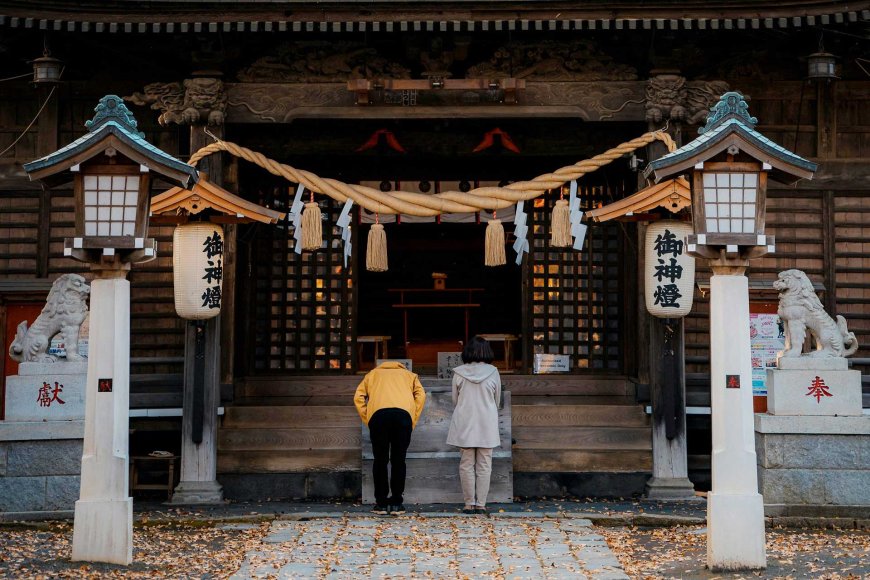
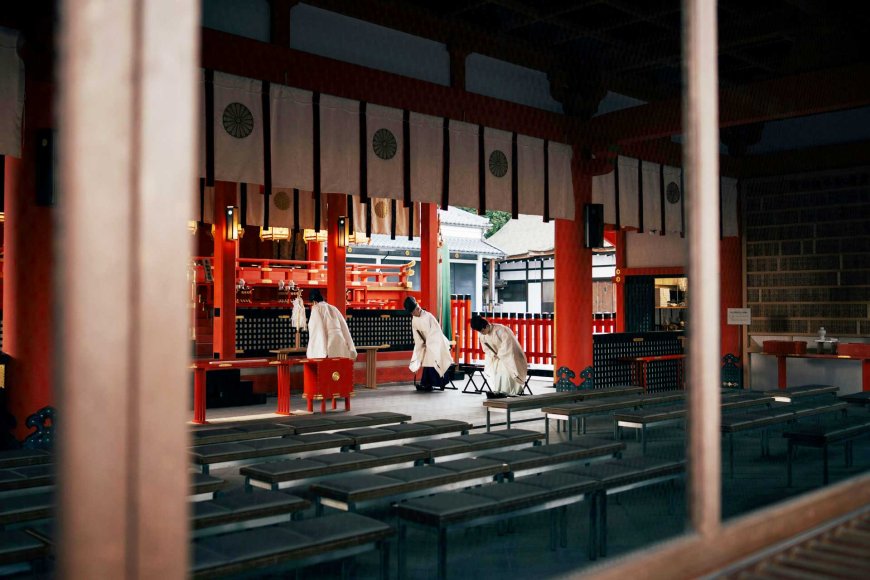
In Japan, a beginning is often treated as a threshold between two states: before and after. This idea is deeply connected to traditional beliefs, especially those influenced by Shinto practices, where transitions are considered spiritually and socially important.
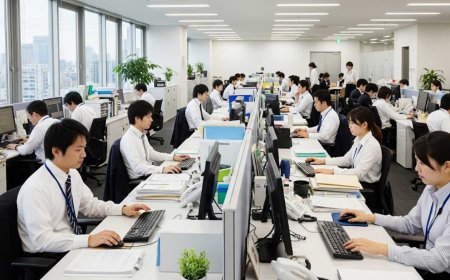
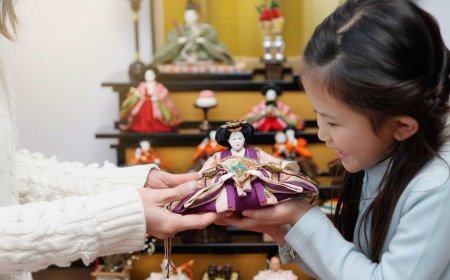
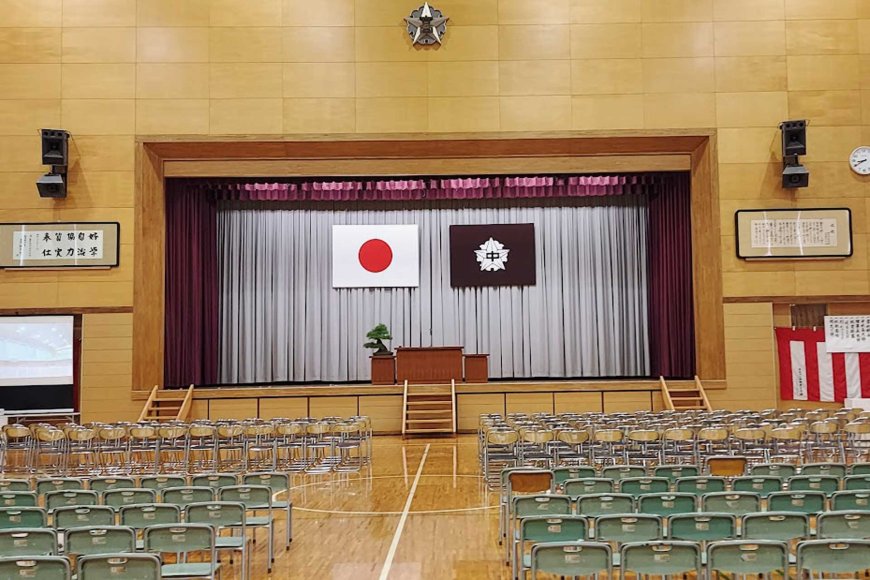
For example, many Japanese people visit shrines at the start of the year for hatsumōde, the first shrine visit. Students participate in formal entrance ceremonies when they begin a new school year. Companies hold entrance ceremonies for new employees, complete with speeches, bows, and strict etiquette.
These rituals serve a purpose. They mark a clear psychological line: “From today, I am stepping into something new, and I must treat it seriously.”
Preparation Before Action
One of the most striking aspects of Japanese beginnings is the amount of preparation involved. Rarely does something “just start.” There are rehearsals, orientations, manuals, and clear expectations.
Before a school year begins, students prepare supplies, uniforms, and even mental readiness. Before a project starts at work, meetings are held to clarify roles, goals, and risks. This preparation reduces chaos later on.
The lesson here is simple but powerful: a calm and organized beginning leads to fewer problems in the middle. Preparation is not a delay—it is part of the start itself.
Discipline Is Built at the Start
In Japan, discipline is not enforced suddenly halfway through a process. It is established at the very beginning.
Children are taught rules from day one: how to greet teachers, how to clean classrooms, how to line up, and how to respect shared spaces. Because these rules are introduced early, they become habits rather than burdens.
This approach contrasts with cultures where rules are added only after problems appear. Japan’s method shows that when expectations are clear from the start, people are more likely to follow them naturally.

The Role of Mindset in Beginnings
Japanese culture places great importance on mindset when starting something new. There is a belief that how you begin reflects your sincerity and character.
This is why first impressions matter deeply in Japan. A sloppy start can signal a lack of seriousness, even if intentions are good. Conversely, a humble, well-prepared beginning earns trust.
For individuals, this mindset encourages personal responsibility. Starting well becomes a form of self-respect.
Annual Resets and Fresh Starts
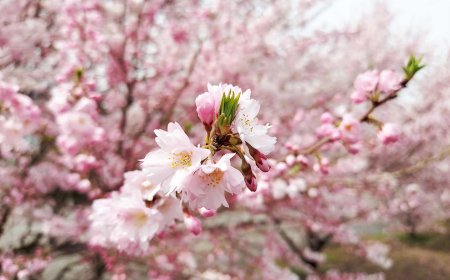
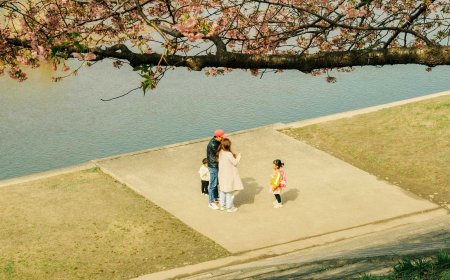
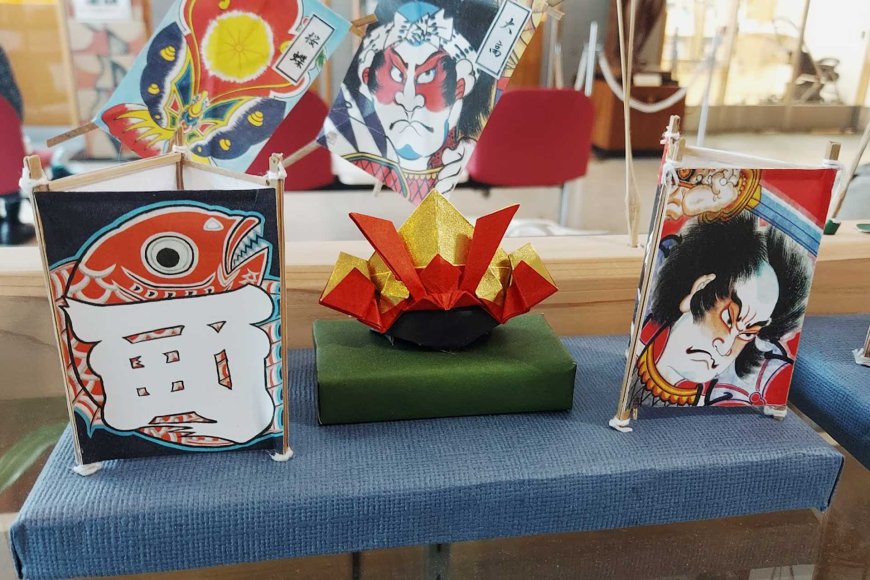
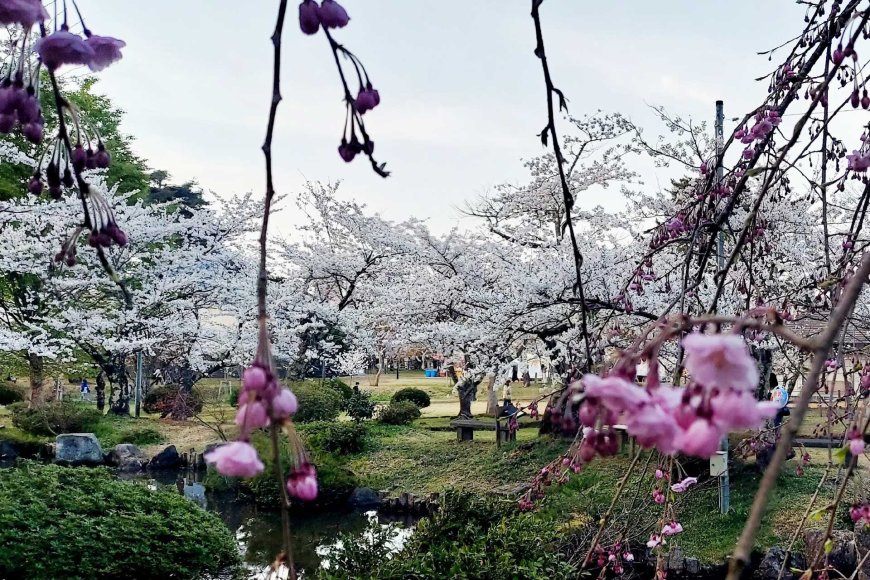
Another reason Japan values beginnings is its cultural habit of regular resets. The Japanese calendar itself supports this idea: the school year starts in April, aligned with spring and cherry blossoms, symbolizing renewal.
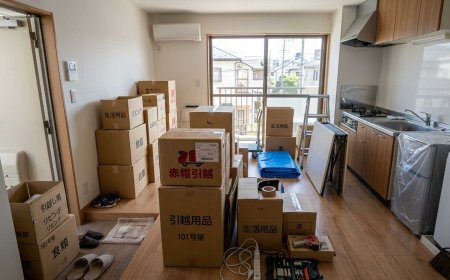
People also clean their homes thoroughly at the end of the year in preparation for the new one. New planners, new goals, and even new attitudes are welcomed. These resets prevent life from becoming stagnant.
Instead of waiting for a crisis to change, Japan normalizes starting over—carefully and intentionally.
What Filipinos and Global Readers Can Learn
For Filipinos, especially those living in Japan or working with Japanese people, this mindset offers valuable lessons.
First, take beginnings seriously, even if the task seems small. Whether it is a new job, a blog, a business, or a personal habit, how it starts matters.
Second, invest time in preparation. Clear goals, structure, and expectations reduce stress later.
Third, respect the symbolic power of starting anew. A clean slate is not just practical—it is emotional and psychological.
Finally, understand that discipline is easier to build at the start than to fix later.
Begin With Intention
Japan’s respect for beginnings is not about perfection. It is about intention. By treating the first step with care, Japan creates a culture where continuity, responsibility, and pride naturally follow.
In a fast-moving world that often celebrates speed over substance, Japan reminds us that how we begin shapes how far we go.
Sometimes, the most powerful change is not moving faster—but starting better.
Nipino.com is committed to providing you with accurate and genuine content. Let us know your opinion by clicking HERE.