































Cost of Living in Tokyo vs Rural Japan (Full Comparison 2026)
Living in Tokyo and rural Japan offers completely different financial realities, even within the same country.
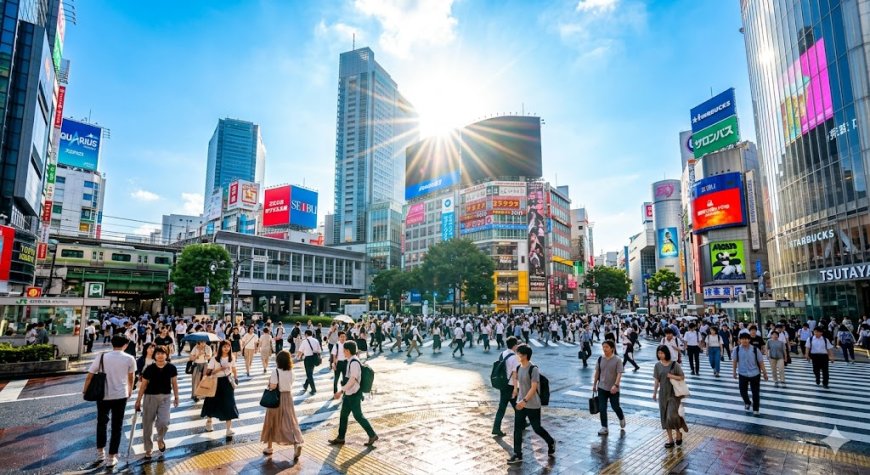
Tokyo vs Rural Japan
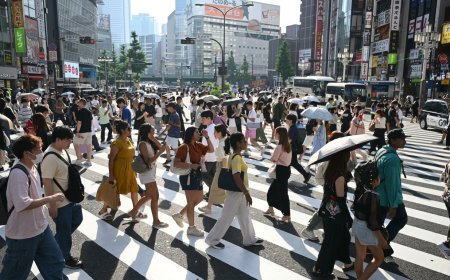
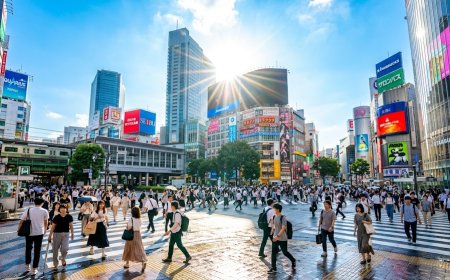
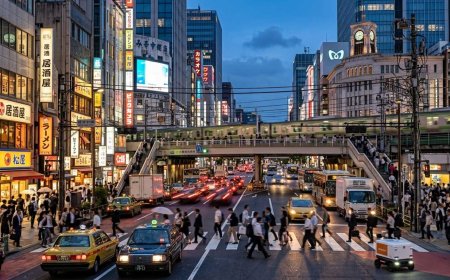
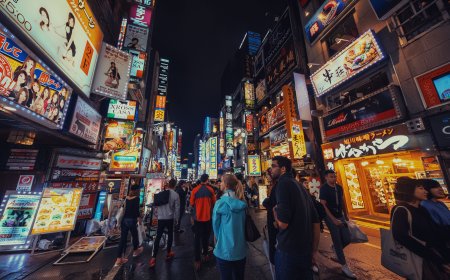
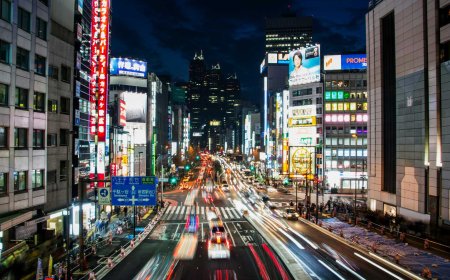
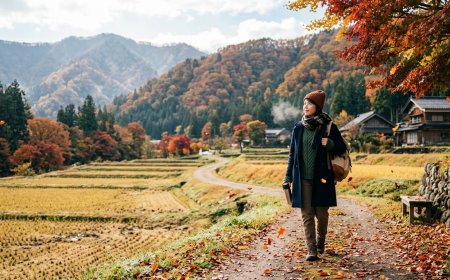
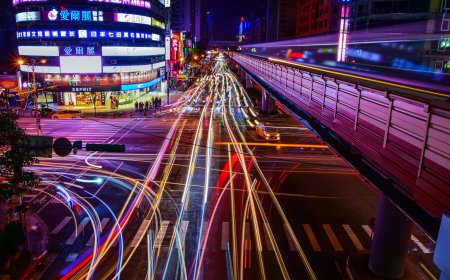
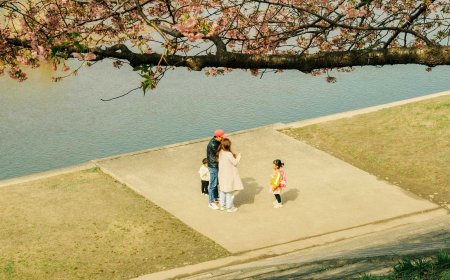
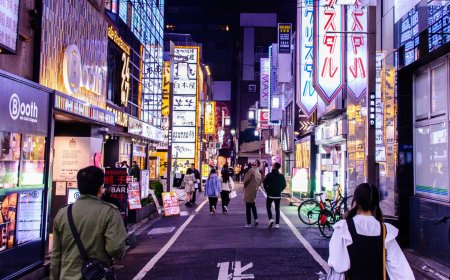
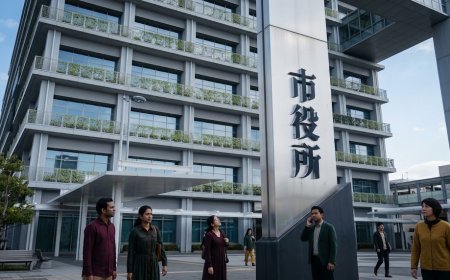
When people think about living in Japan, they often picture Tokyo—the bright lights, crowded trains, and endless opportunities. But Japan isn’t just Tokyo. Step outside the capital, and you’ll find a completely different version of life—quieter, slower, and significantly more affordable.
So the real question isn’t “Is Japan expensive?”
It’s: “Where in Japan are you planning to live?”
Because your location will define your lifestyle, your savings, and even your stress level.
Want a smoother transition into life in Japan? Check out the Japan Starter Toolkit.
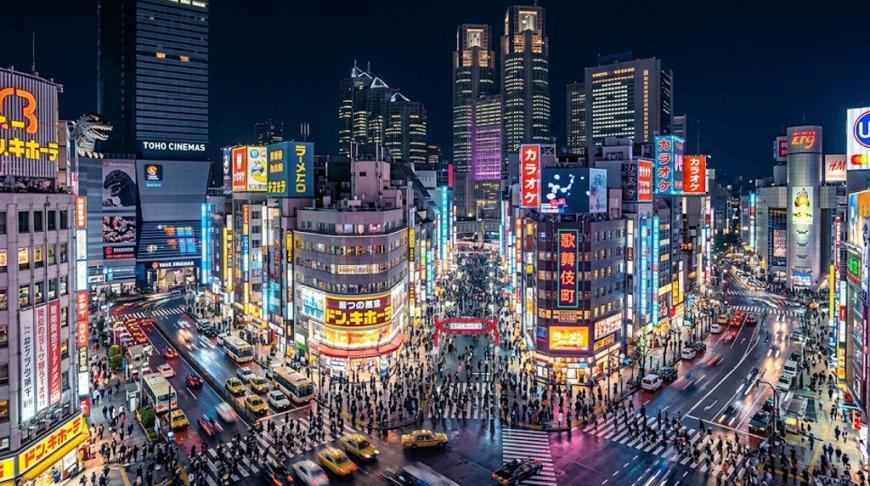
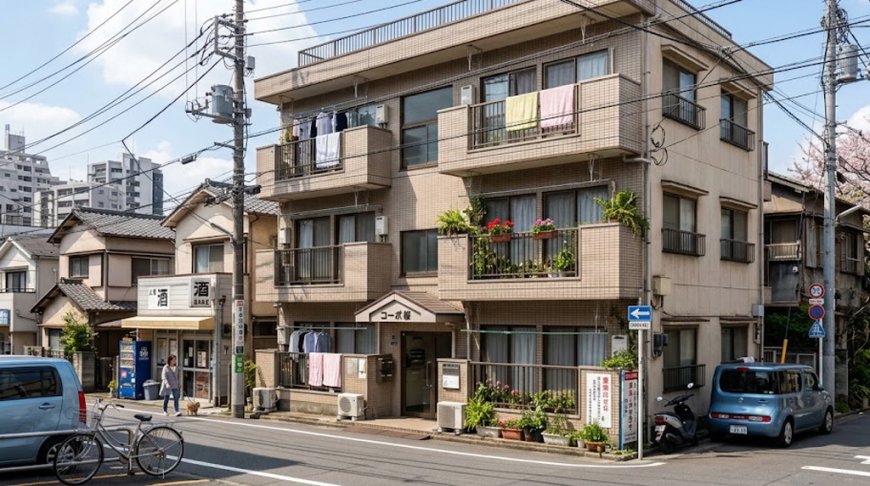
The Real Cost Difference Starts with Rent
Let’s get straight to the biggest factor: housing.
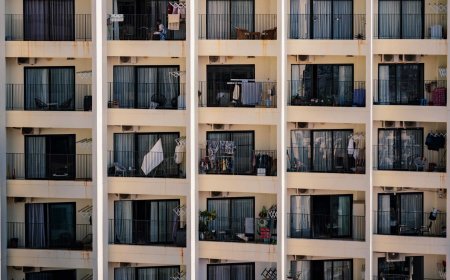
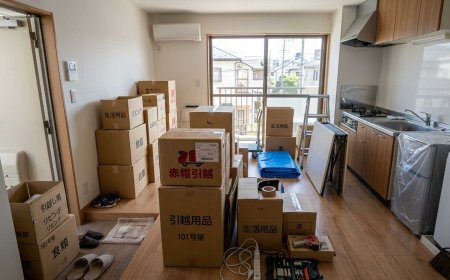
In Tokyo, rent is the elephant in the room. A standard one-room apartment (1K) in central areas typically ranges from ¥80,000 to ¥120,000 per month. And if you want something newer or closer to a major station? Expect to pay even more.
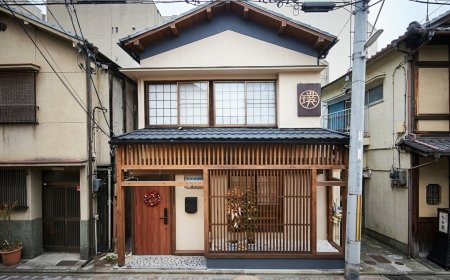
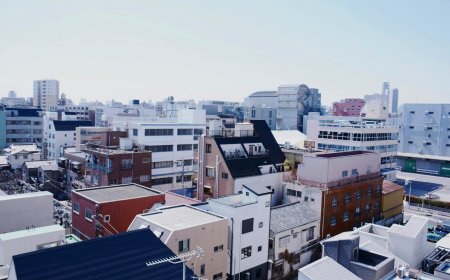
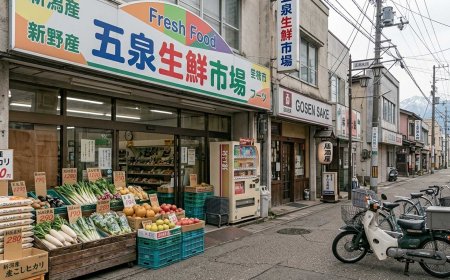
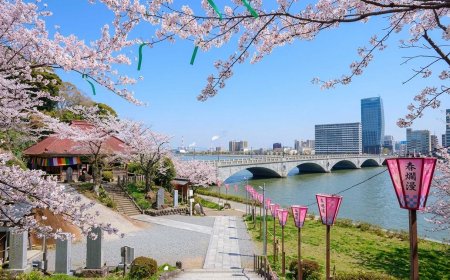
Now compare that to rural areas or regional cities like Niigata.
You can find similar apartments for ¥40,000 to ¥60,000 per month—sometimes even cheaper if you’re willing to compromise on age or distance from the station.
That’s not just a small difference. That’s nearly half the price.
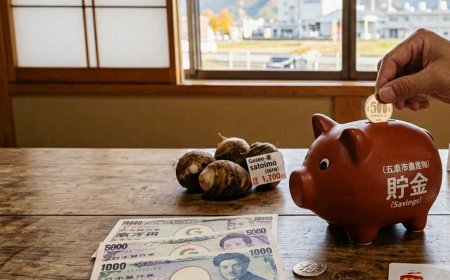
Think about it this way: saving ¥30,000 every month is like giving yourself a bonus salary—without working extra hours.
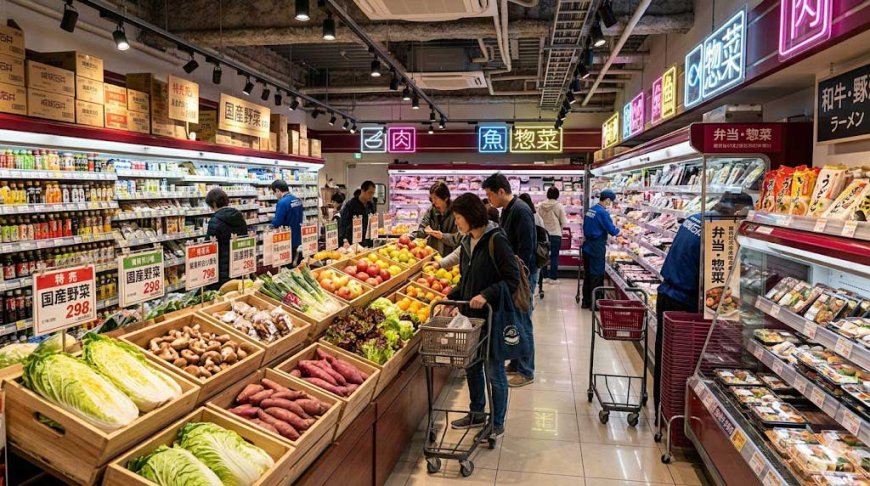
Daily Living Expenses: Surprisingly Similar
Here’s something that surprises many newcomers.
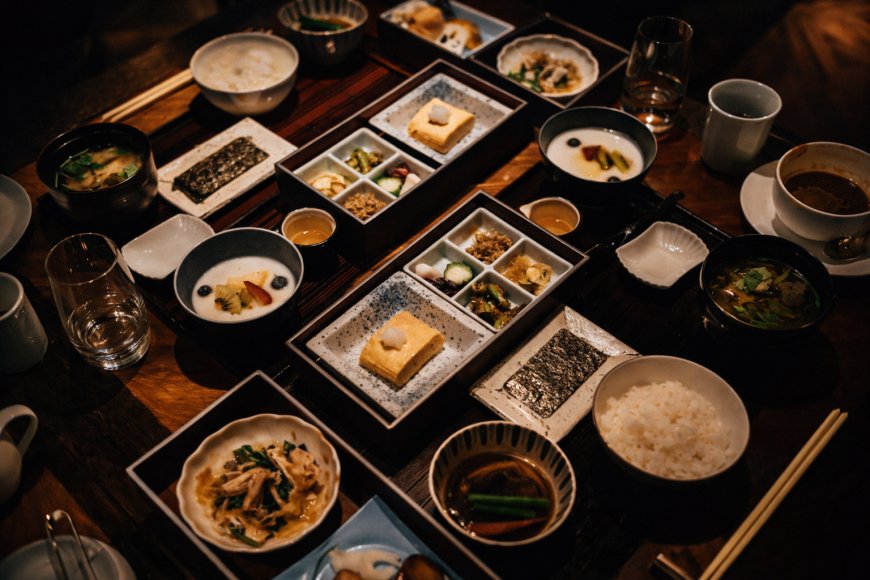
Food prices in Japan are relatively consistent across regions. A pack of eggs, rice, vegetables—these don’t suddenly double in price just because you’re in Tokyo.
So what actually changes?
✔ Your habits.
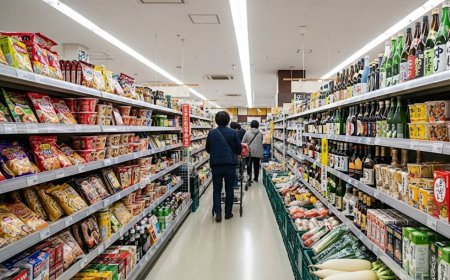
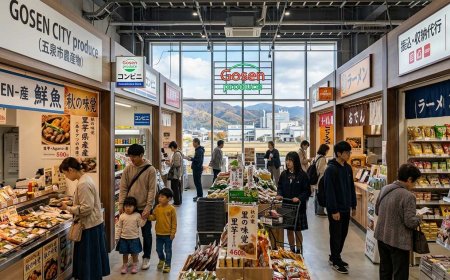
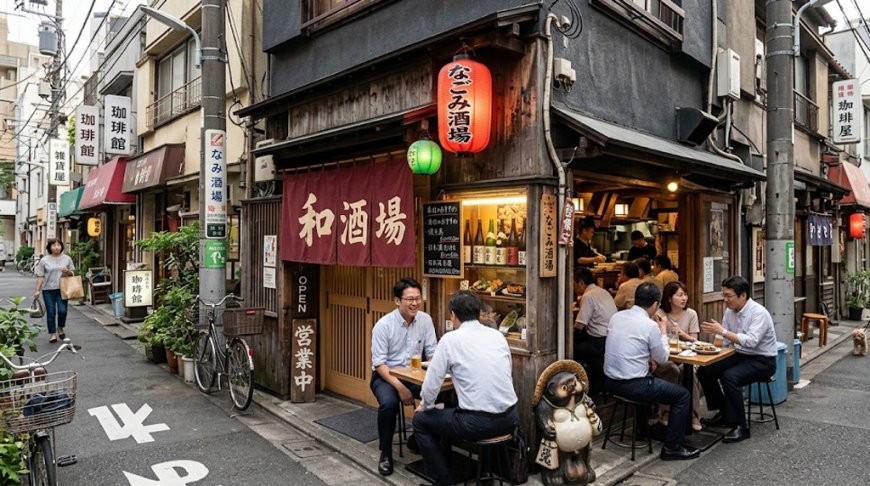
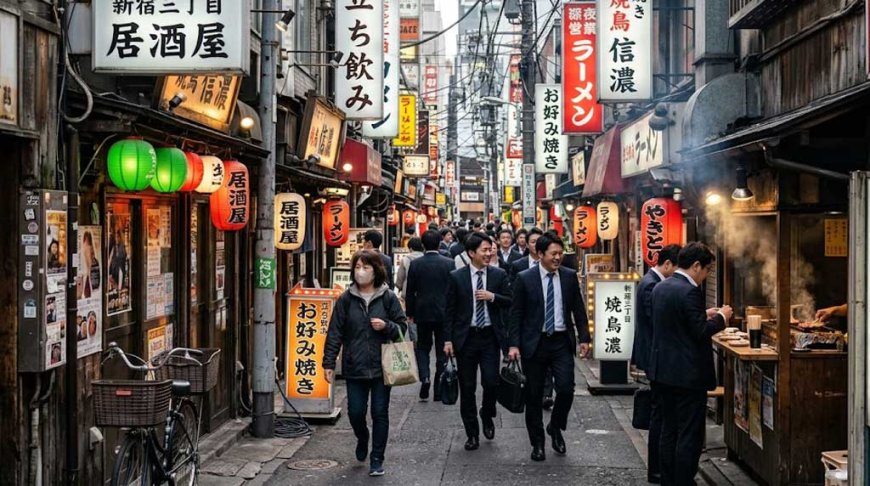
In Tokyo, convenience is everywhere. Late-night restaurants, convenience stores on every corner, food delivery apps—it’s easy to spend more without noticing.
In rural areas, life naturally encourages:
- Cooking at home
- Planning meals
- Less impulse spending
So while the base cost is similar, your environment influences how you spend.
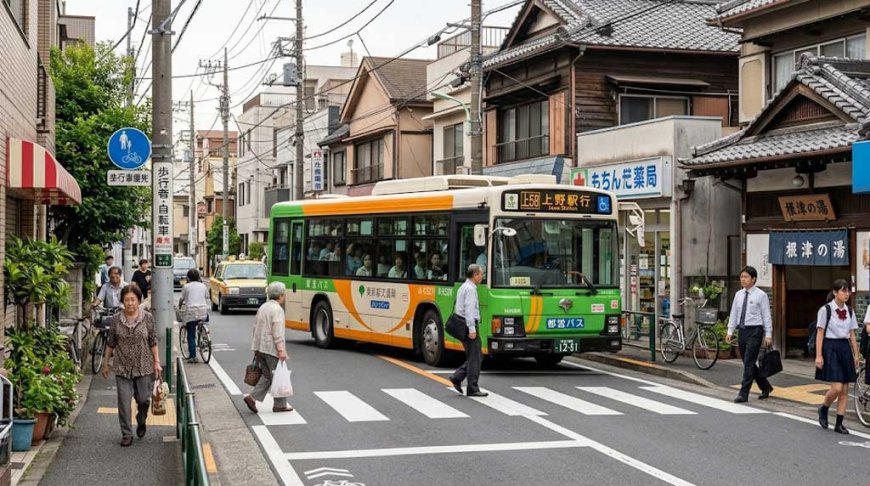
Transportation: Convenience Comes at a Price
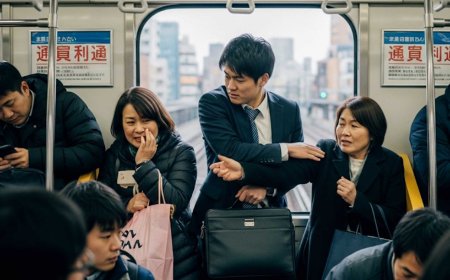
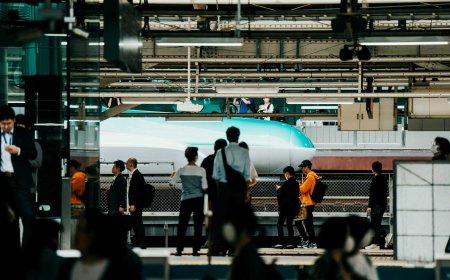
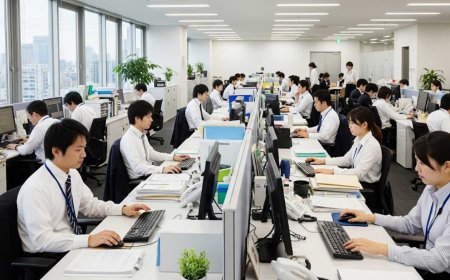
Tokyo’s train system is world-famous—and for good reason. It’s fast, reliable, and incredibly efficient.
But it’s not free.
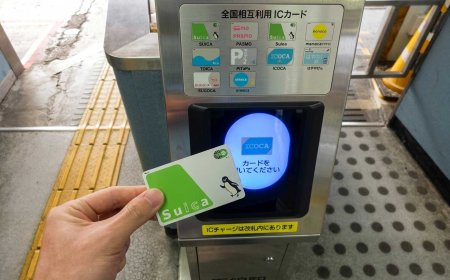
Monthly transportation costs can range from ¥10,000 to ¥20,000, depending on your commute. While many companies cover commuting expenses, not everyone is that lucky.
In rural Japan, transportation looks very different.
You might rely on:
- A bicycle
- A car
- Limited train lines
While owning a car comes with costs, daily commuting can sometimes be cheaper and less stressful than Tokyo’s packed trains.
Lifestyle Differences That Affect Your Spending
Money isn’t just about numbers—it’s about lifestyle.
Living in Tokyo means:
- Endless entertainment options
- International restaurants
- Shopping districts everywhere
- Fast-paced daily life
This environment naturally encourages spending.
Meanwhile, rural Japan offers:
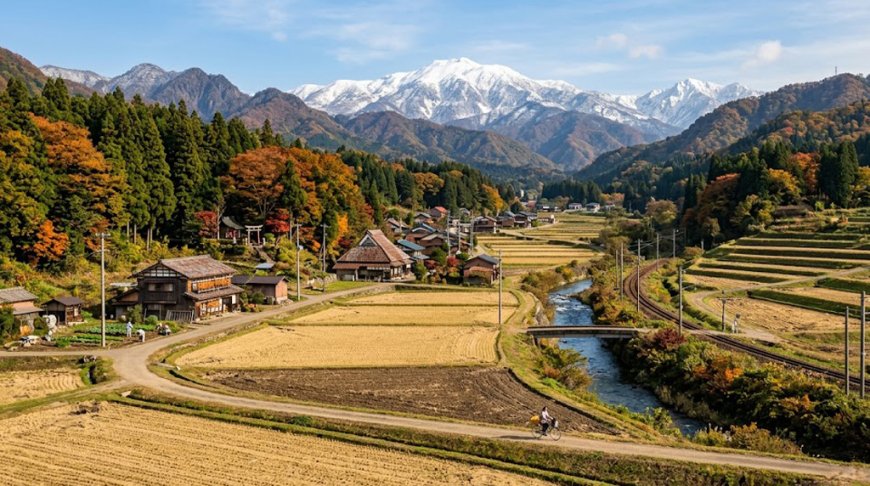
- More space
- Quiet surroundings
- Stronger community connections
- Fewer places to spend impulsively
You don’t just save money—you spend differently.
Real Monthly Cost Comparison
Let’s put everything together into a realistic comparison.
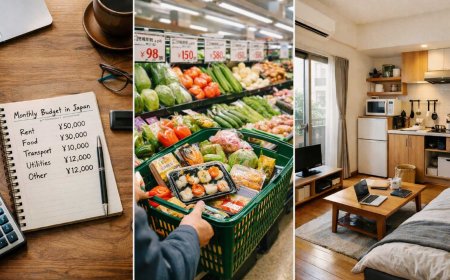
| Category | Tokyo | Rural Japan |
| Rent | ¥80k–¥120k | ¥40k–¥60k |
| Food | ¥40k–¥60k | ¥30k–¥50k |
| Transport | ¥10k–¥20k | ¥5k–¥10k |
| Utilities | ¥10k–¥20k | ¥10k–¥18k |
| Total | ¥180k–¥250k | ¥130k–¥180k |
This table tells a simple story:
⭐ Tokyo costs more—but offers more.
⭐ Rural Japan costs less—but simplifies life.
Which One Fits Your Salary?
Let’s make this real.
If you earn around ¥180,000 – ¥260,000 per month (which is common for many foreign workers), your experience will differ dramatically depending on where you live.
In Tokyo:
- High rent eats your income
- Saving becomes difficult
- Lifestyle pressure increases
In rural areas:
- Lower rent gives you breathing room
- You can actually save money
- Life feels more balanced
So it’s not just about affordability—it’s about sustainability.
The Hidden Advantage of Rural Japan
There’s something people don’t talk about enough.
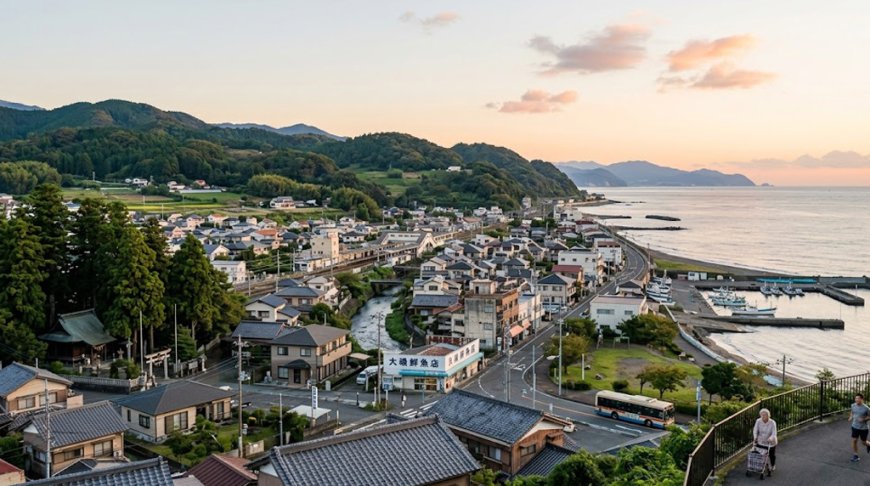
Living in rural Japan doesn’t just save money—it changes your mindset.
You become more intentional with spending. You cook more. You slow down. And surprisingly, many people report feeling more satisfied with less.
Meanwhile, Tokyo can feel like a constant race—more opportunities, but also more pressure.
So Where Should You Live?
There’s no universal answer—but here’s a simple way to decide:
Choose Tokyo if:
- You prioritize career growth
- You want international exposure
- You enjoy a fast-paced lifestyle
Choose rural Japan if:
- You want to save money
- You prefer a quieter life
- You value space and community
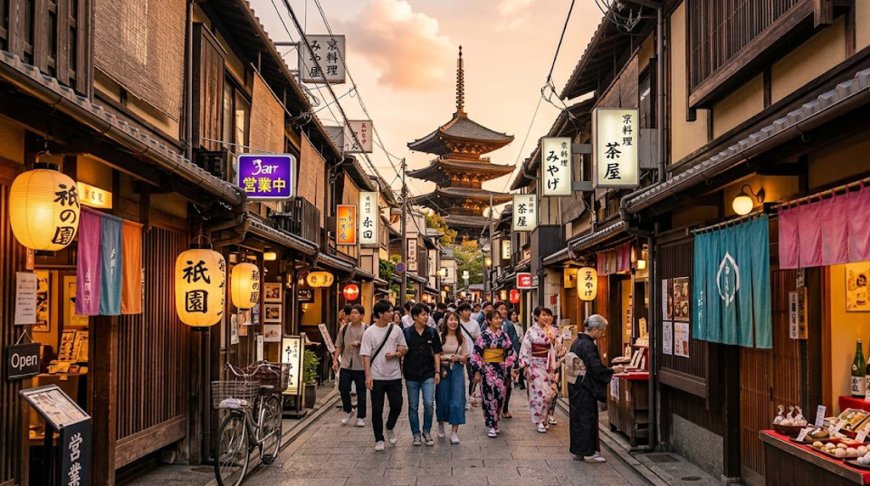
Finding Your Balance in Japan
At the end of the day, Japan gives you options.
You can live in one of the most expensive cities in the world—or in a peaceful, affordable town where your money stretches much further.
The key is not choosing what looks exciting—but choosing what works for your real life and real income.
Because the best place to live in Japan isn’t the most popular one.
It’s the one you can comfortably afford and genuinely enjoy.
For a complete breakdown, read the Cost of Living in Japan (2026 Complete Guide).
Prepare Smarter, Live Better in Japan (FREE Download)
Download the First 7 Days in Japan Checklist (FREE)
Don’t guess what to do — follow a proven plan.
Download your FREE “First 7 Days in Japan Checklist” PDF now:
✔ Instant download
✔ Mobile-friendly
✔ Printable
Want the COMPLETE Version? (Premium Upgrade)
If you want a deeper, more powerful guide, there’s also a premium version available on Gumroad.
Nipino.com is committed to providing you with accurate and genuine content. Let us know your opinion by clicking HERE.