

















































Why Less Is More in Japan: The Art of Simplicity
Japan’s culture of “less is more” is rooted in centuries-old traditions, from Zen Buddhism to minimalist aesthetics. This approach influences architecture, fashion, food, and daily living, showing the world that simplicity can lead to beauty, efficiency, and peace of mind.

Minimalism as a Cultural Identity
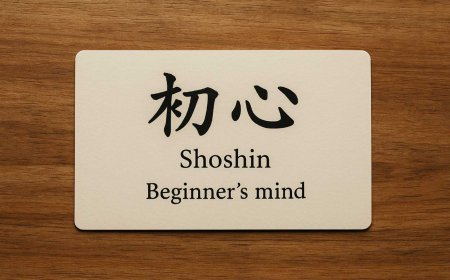
In Japan, minimalism is not just a design choice—it is a way of life. Rooted in Zen Buddhism, the philosophy of eliminating excess and focusing on essentials has shaped Japanese aesthetics for centuries. The idea is not about deprivation but about finding fulfillment in simplicity.

Zen Influence on Japanese Living
Zen Buddhism has deeply influenced Japanese culture, particularly in how people perceive balance and harmony. Zen teaches that clarity arises when distractions are removed. This belief is visible in the design of temples, gardens, and even tea ceremonies, where every element is purposeful and intentional.
Architecture: Space That Breathes
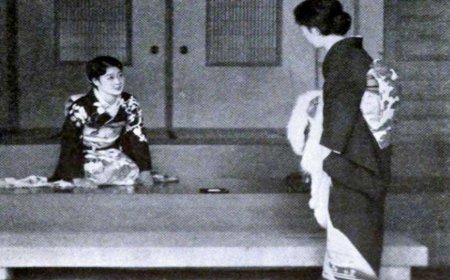
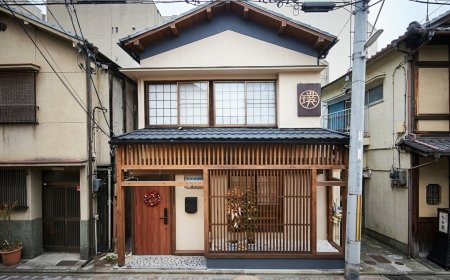
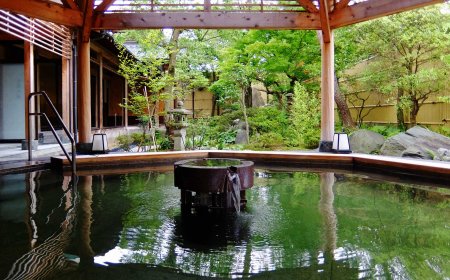
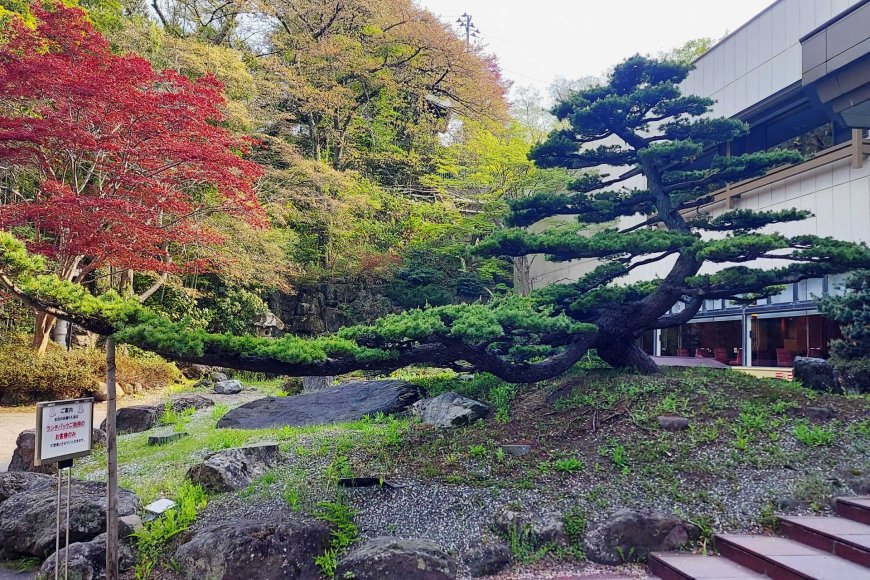
Japanese architecture often embraces open spaces, natural light, and uncluttered designs. Traditional homes use sliding doors and tatami mats to create flexible, functional areas. The idea is to maximize space while minimizing unnecessary details, creating a home that breathes and adapts to the needs of its occupants.

Interior Design: Wabi-Sabi Aesthetics
The Japanese interior is often characterized by wabi-sabi, the appreciation of imperfection and impermanence. Simple wooden furniture, neutral tones, and natural materials create spaces that are calming rather than overwhelming. This understated beauty invites mindfulness and respect for the present moment.

Fashion: Clean and Effortless Style
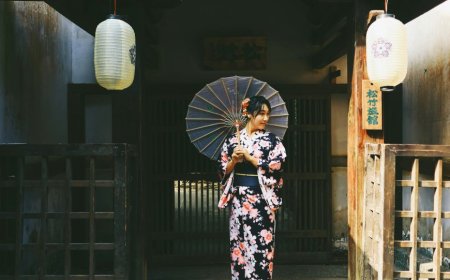
Japanese fashion reflects minimalism through timeless and understated clothing. Designers like Issey Miyake and Yohji Yamamoto have made simplicity a global trend. Rather than chasing fleeting fads, Japanese style emphasizes clean lines, muted colors, and functional elegance.

Cuisine: Beauty in Simplicity
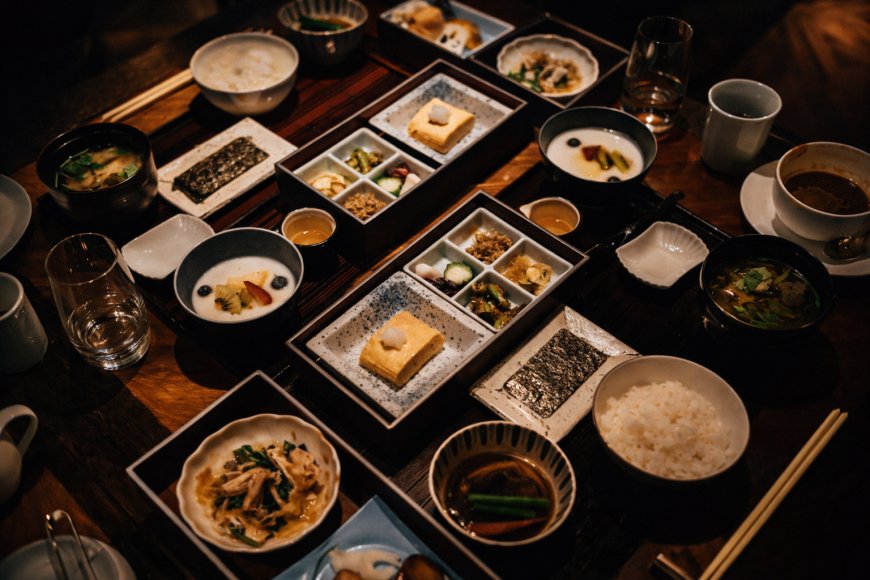
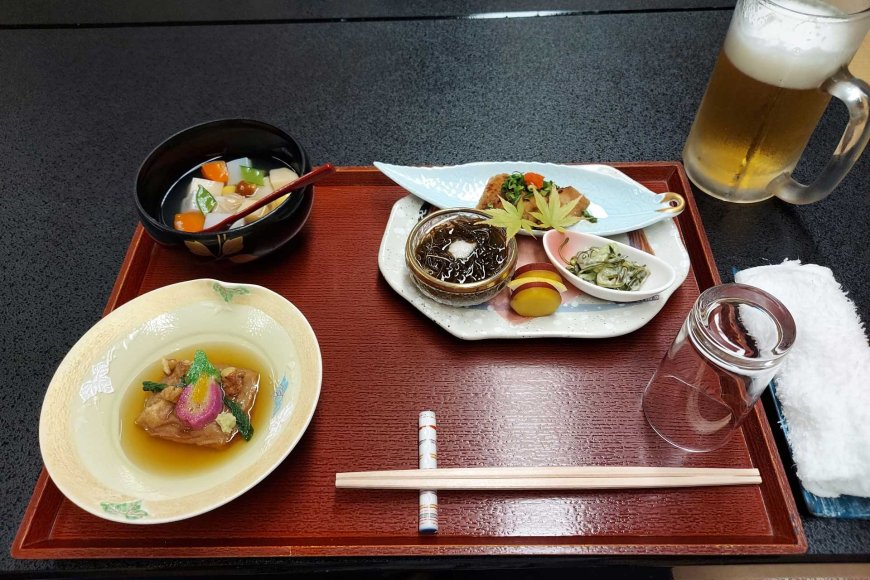
Japanese cuisine is another reflection of “less is more.” Meals often highlight seasonal ingredients with minimal seasoning, allowing natural flavors to shine. Dishes like sushi, miso soup, and tempura embody simplicity, showing that elegance lies in balance and restraint.
Technology and Design Philosophy
Even Japan’s approach to technology embraces minimalism. From sleek gadgets to compact living solutions, efficiency is prioritized over excess. Products are designed not just for function, but for harmony with the user’s lifestyle.

Nature and Seasonal Awareness
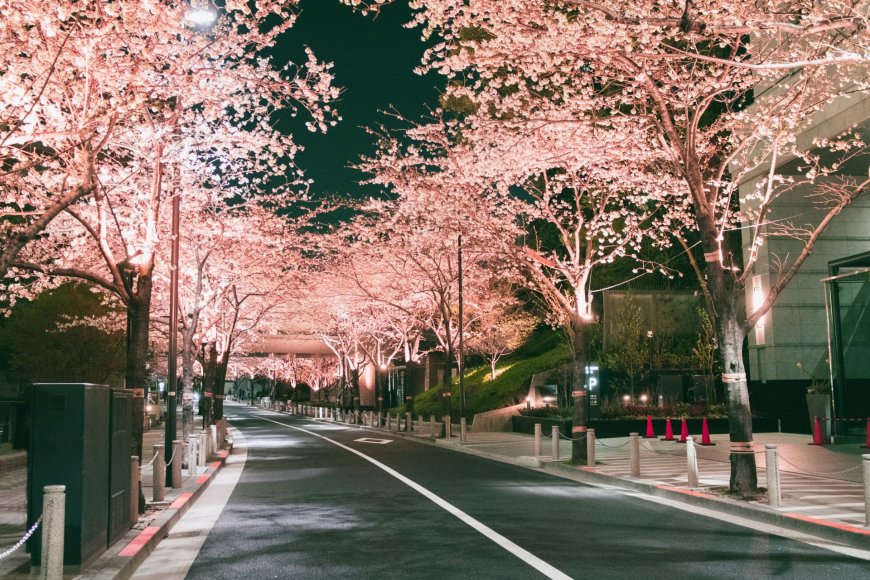
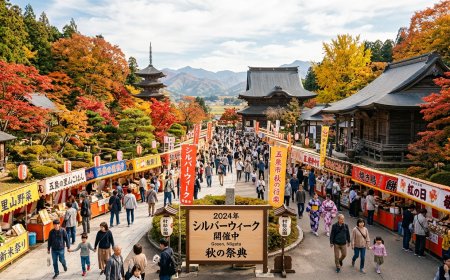
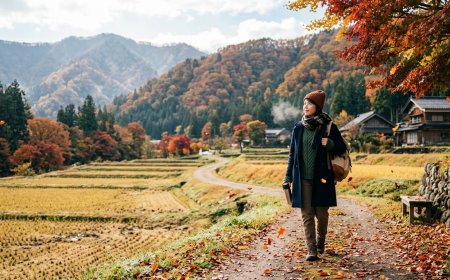
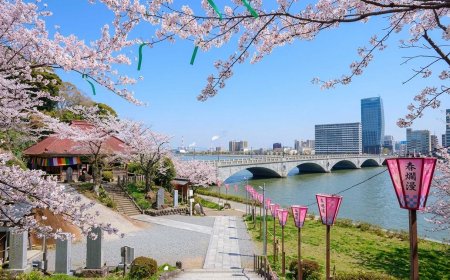
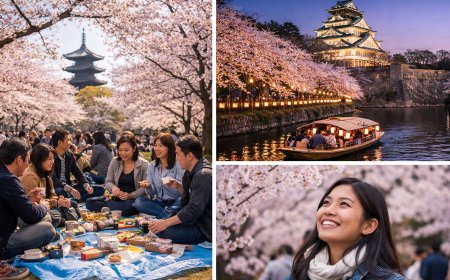
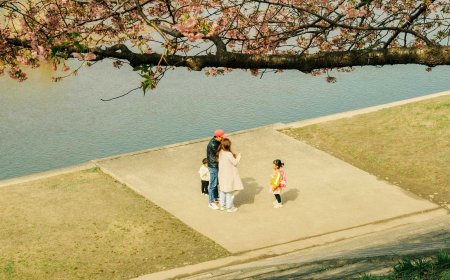
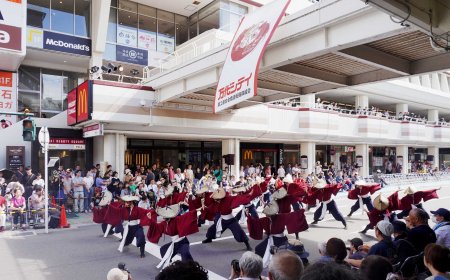
Japan’s minimalism is also connected to its deep respect for nature. Seasonal changes are celebrated in festivals, foods, and even fashion choices. By aligning life with nature’s rhythms, the Japanese find beauty in simplicity and transience.
Urban Minimalism in Modern Japan
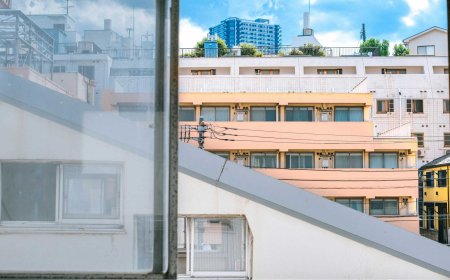
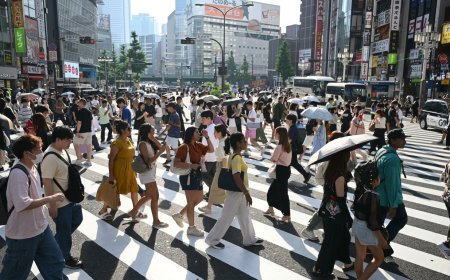
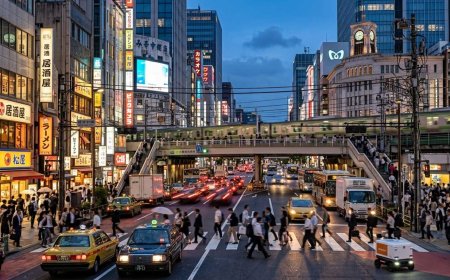
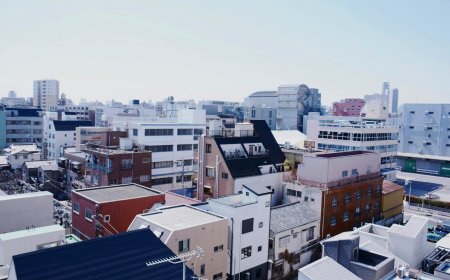
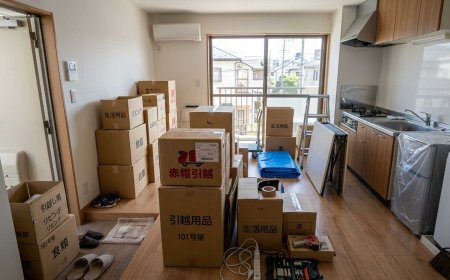
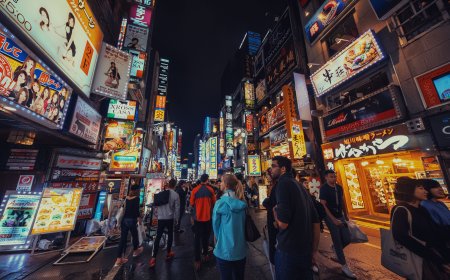
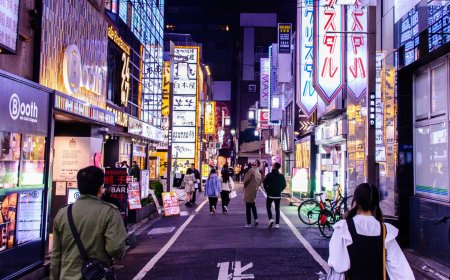
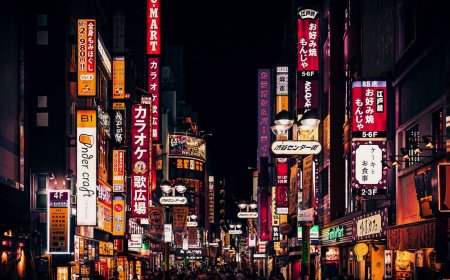
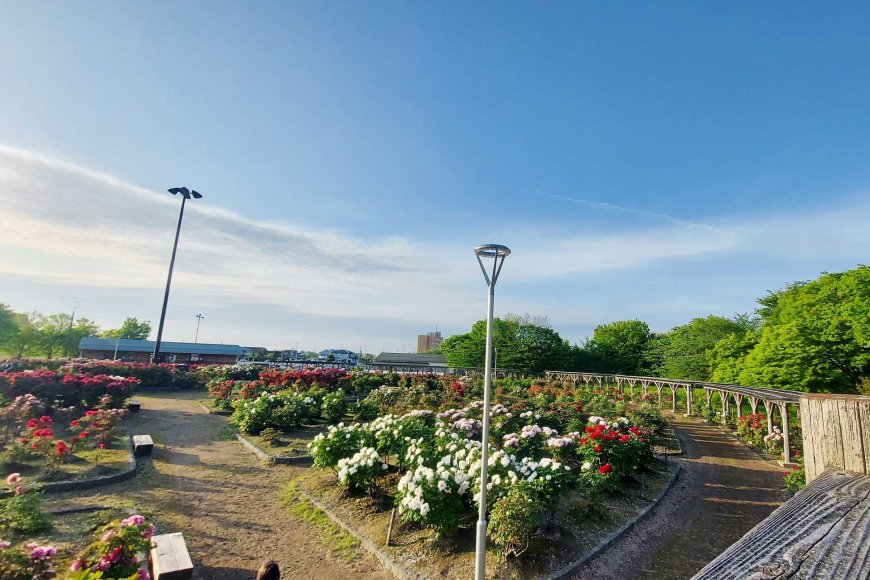
Despite Japan’s dense cities, minimalism thrives in urban living. Small apartments in Tokyo demonstrate creative use of space, with foldable furniture and multi-purpose rooms. This efficiency reflects the cultural discipline of making the most out of limited resources.

Business and Work Culture
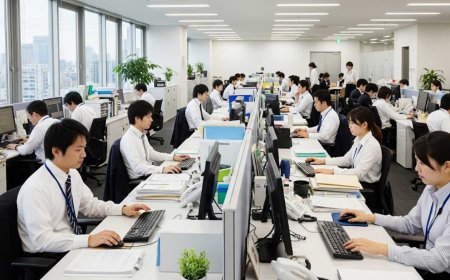
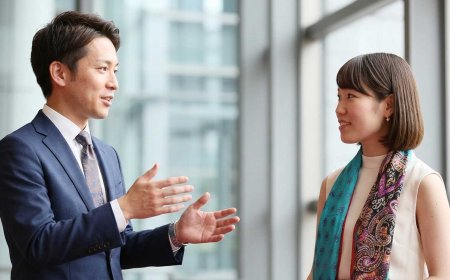
In the corporate world, Japanese efficiency mirrors minimalism. Meetings are structured, presentations concise, and workspaces clean. This approach values clarity and precision, aligning with the belief that less complexity yields better results.

Art and Calligraphy
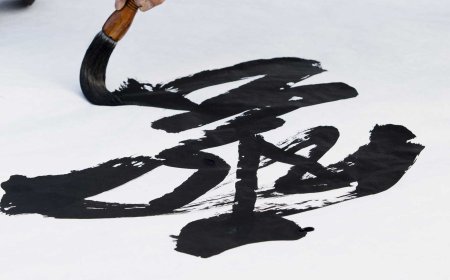
Traditional Japanese art and calligraphy embrace simplicity through brushstrokes and empty space. Every stroke carries meaning, and the surrounding emptiness enhances the beauty of the artwork. This reflects the idea that what is left unsaid can be as powerful as what is shown.

Everyday Minimalism: The Bento Box
Even in daily routines, the principle of less is more is evident. The Japanese bento box is a perfect example—carefully portioned meals that balance nutrition, color, and taste. Its design proves that organization and simplicity can turn even lunch into an art form.

Global Lessons from Japanese Minimalism
The Japanese lifestyle offers valuable lessons for a world overwhelmed by consumerism. By prioritizing quality over quantity and meaning over materialism, people everywhere can achieve greater satisfaction and inner peace.

Finding Beauty in Less
Japan demonstrates that true beauty lies not in abundance but in intentional simplicity. From homes and meals to art and work, the philosophy of “less is more” continues to inspire the world. In a busy modern era, this Japanese principle reminds everyone to pause, declutter, and embrace life’s essentials.
Nipino.com is committed to providing you with accurate and genuine content. Let us know your opinion by clicking HERE.