








































Tokyo Youth Culture in 2025
Tokyo’s young people experience a city of contrasts: neon-lit chaos and fashionable trends on the surface, but a quieter, structured daily life away from tourist eyes. Despite love for fashion and creativity, many face economic strain, demographic challenges and social pressure that temper their outlook.
Shibuya Fashion and Gyaru Subculture
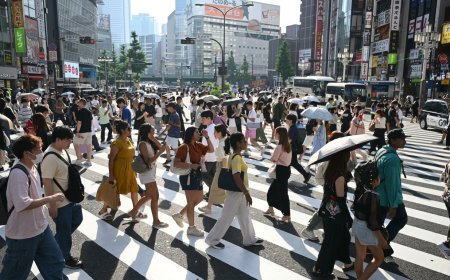
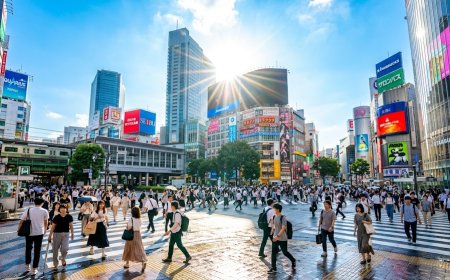
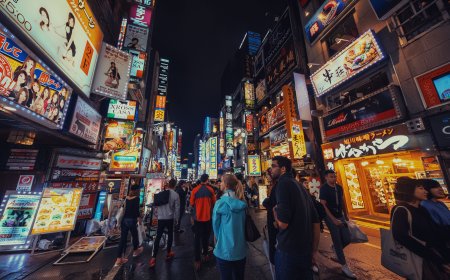
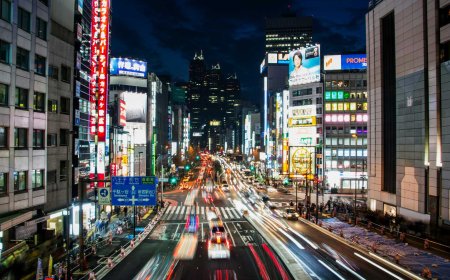
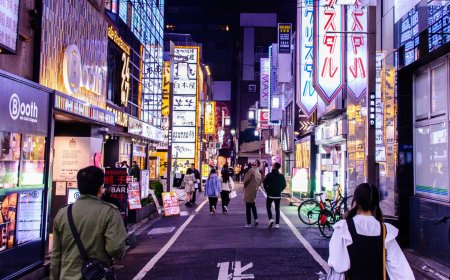
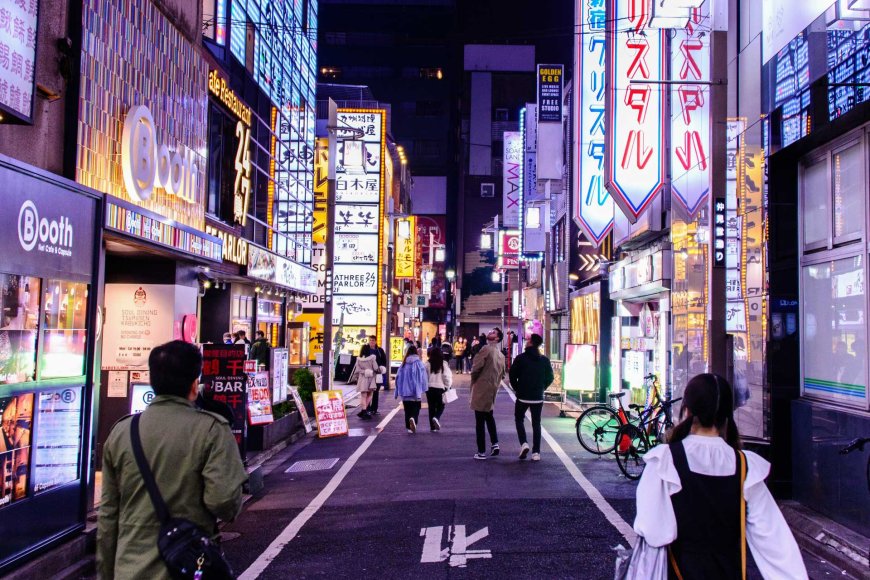
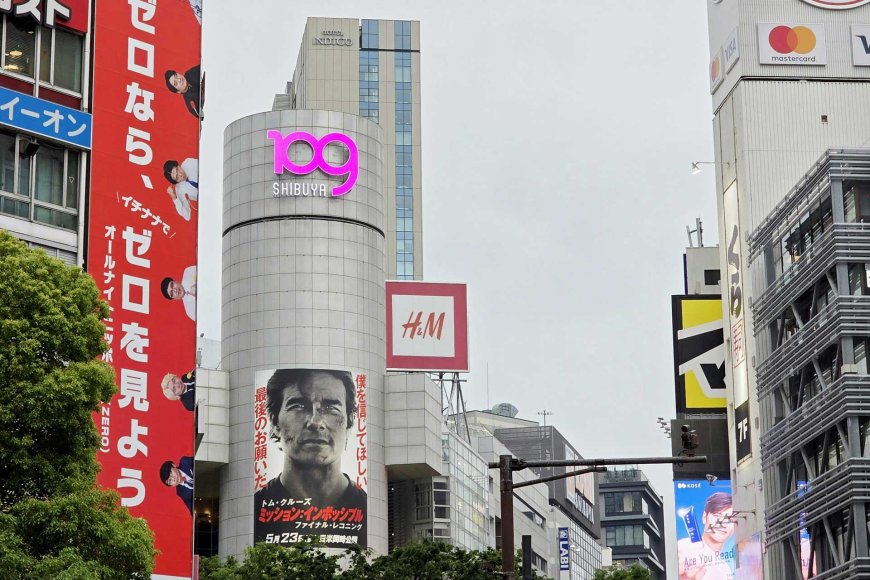
Tokyo’s famous 10-story shopping mall has popularized Gyaru style among youth. At Shibuya’s iconic 109 mall – a hub of trendy street fashion – young shop attendants prepare elaborate makeup and outfits before long commutes into the city. They enjoy the vibrant environment but also warn of hard realities: six-day workweeks, low wages and sky-high rents make even a dream job unsustainable. Outside, the Shibuya Scramble crossing pulses with commuters and tourists under giant neon ads and J-pop music. To visitors, Tokyo appears “loud, vibrant and chaotic,” but many locals describe their life here as much calmer and more orderly behind the scenes.
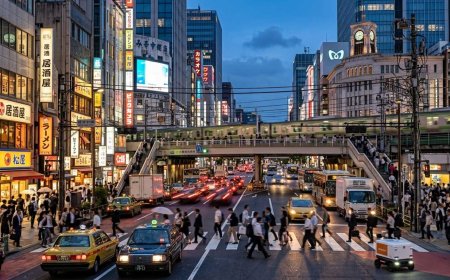
- City contrasts: Salarymen weaving through tourists under flashing LEDs, yet locals note that everyday life in Tokyo can be quiet and structured, far from the cinematic frenzy tourists expect.
- Fashion hub: Shibuya 109 embodies Tokyo youth culture – trends born here spread nationwide – but employees often dream of a future beyond the store floor.
Population and Future Concerns
Many young Tokyoites worry about Japan’s ageing society and economy. Recent surveys found only about 13.9% of Japanese youth feel optimistic about the future. Their chief anxieties are population decline, aging demographics, and economic stagnation. In everyday life, students and workers often find themselves surrounded by grandparents – playgrounds and schoolyards feel emptier. Indeed, official data show Japan’s child population has dropped to about 14.0 million (just 11.3% of the total) as of 2024, one of the lowest ratios in the world. This means roughly 2.6 times more seniors than children, a stark imbalance.
- Key stats: Only 14% of young people are hopeful about Japan’s future. The number of children under 15 fell again in 2024, hitting the lowest level on record
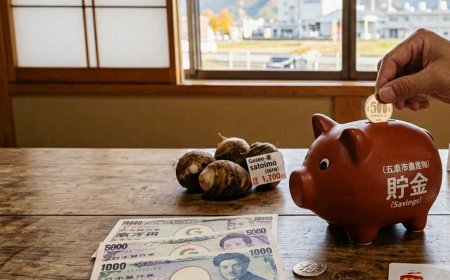
- Family pressure: Government incentives (cash handouts, childcare support) aim to boost births, but many feel the expectation to have kids – often thinking “two children should be the norm” – clashes with reality. With prices rising but wages largely flat, young Tokyo residents see marriage and parenthood as a financial risk. In cities like Tokyo, monthly budgets are dominated by rent, food and transport, leaving little room for extra expenses.
Tourism Boom and Rising Costs
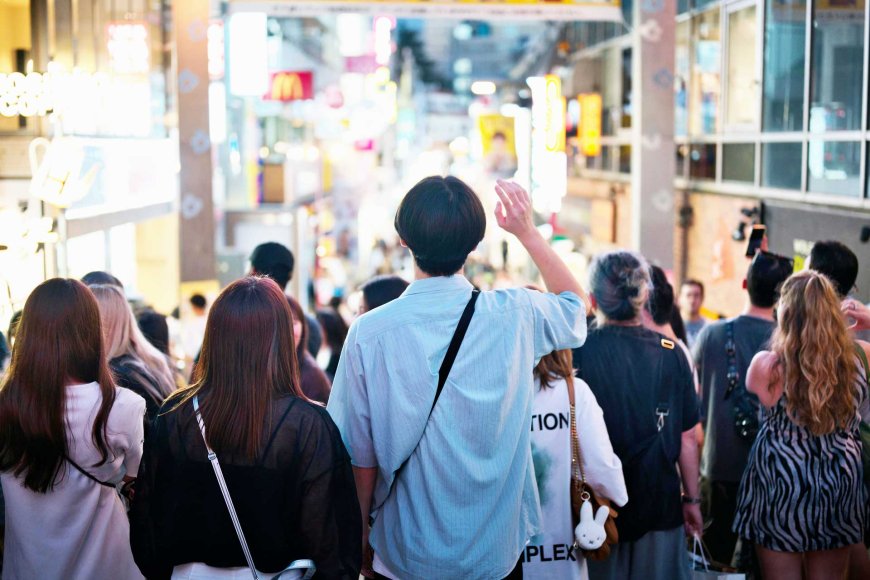
The tourism boom adds strain to everyday life. A weak yen and social media trends have flooded Tokyo with foreign visitors, turning hotspots like Shimokitazawa into Instagram-famous scenes. Vintage shops and secondhand boutiques that once sold cheap finds to locals now face crowds of tourists scouting retro clothes and electronics. Longtime Tokyoites joke that “Japan only feels cheap to tourists.” For example, many Gen Z and millennial travelers rely on TikTok and Instagram for travel tips, which drives tourist traffic to particular restaurants, temples and cafés. As a result, prices for fashion and food in these areas have risen, making local life more expensive. Many young Tokyoites admit they feel a bit envious: while they’re stuck budgeting in the city, tourists hop between countries freely. Still, most are reluctant to leave their hometown – they appreciate Tokyo’s safety, good food, and clean streets.
- Tourist impact: Popular neighborhoods once known for bargains are now crowded. Shop owners report that vintage and thrift prices have spiked under Western demand.
- Local perspective: Some youths say, “We love Tokyo’s energy and safety – even late-night walks and park gatherings feel secure – but the city is so busy now with tourists.”
Subcultures and Nightlife
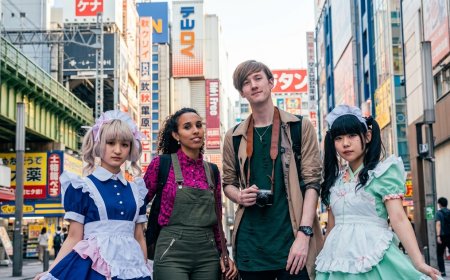
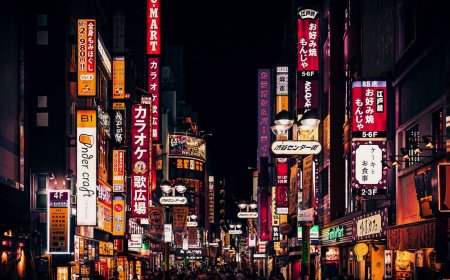
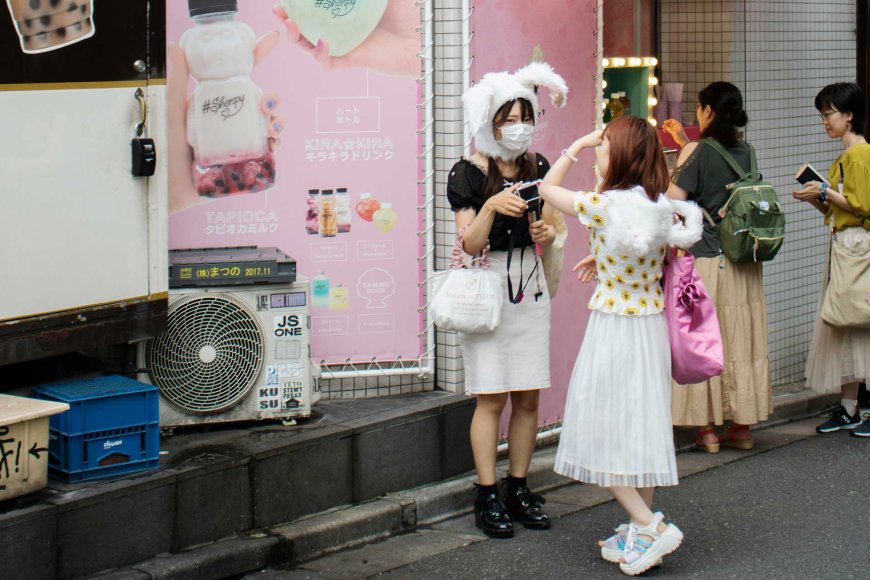
Tokyo offers niche youth scenes, but many avoid its darker sides. The city is a magnet for subcultures like idol fandoms, anime meetups and alternative fashion (Lolita dresses, street Goth), which attract ambitious newcomers. However, the sprawling red-light district of Kabukicho (filled with clubs, hostess bars and love hotels) is often described as “colorful but unsafe.” Many young Tokyo residents steer clear of it. In those backstreets, a subculture of homeless teens – the so-called “Toyoko kids” – has emerged. These are often runaways from troubled families, sleeping in cheap hotels or on the streets, sometimes turning to prostitution or drugs to survive. A major Tokyo newspaper reported that underage prostitution and drug use are issues among this group. Nevertheless, nationwide youth drug use remains very low: only about 1.4% of Japanese people aged 15–64 have ever tried marijuana (versus around 7.4% in a recent UK survey). Raving and clubbing are also not as common as in Western cities; many Tokyo young people have never even been to a rave. When locals do hit clubs, it’s usually for the music or to socialize within a smaller community, not as a ritual.
- Hidden struggles: News reports highlight orphaned and runaway teens in Tokyo, but most youths attending college or working part-time in the city rarely encounter them. They do note many cheap hostels and 24-hour shops near Kabukicho that cater to budget Tokyoites.
- Drug and nightlife culture: Party drugs and open-air raves are rare in Japan. Cannabis use among young people is under 2%, far below Western rates. Clubbing exists, but often with strict entry and fees – it’s more niche than a mainstream social scene.
Social Norms and Conformity
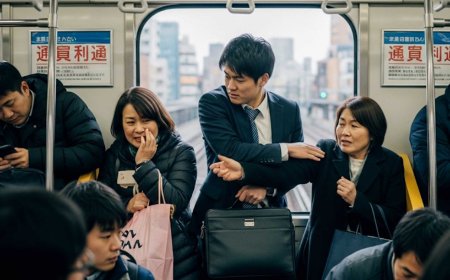
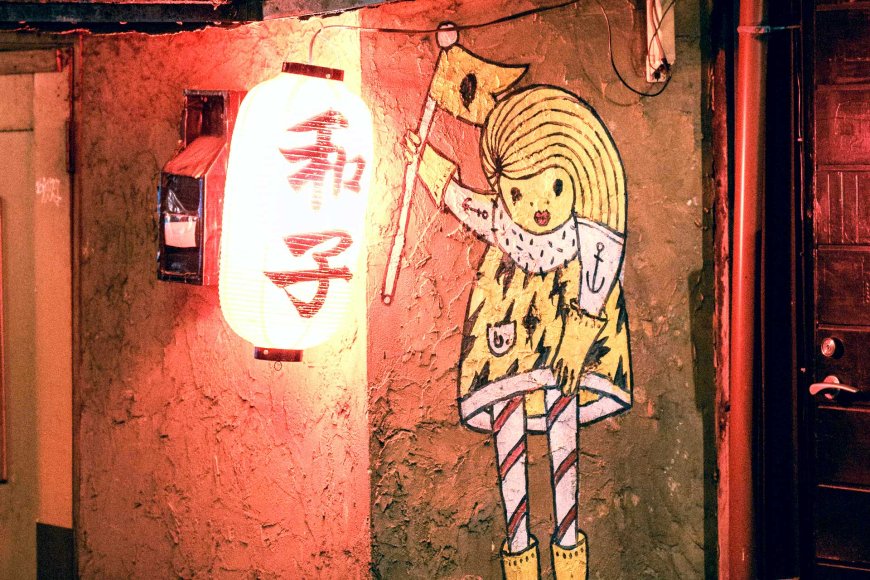
The pressure to fit in can feel suffocating. An unwritten rule in Japan is “kuuki wo yomu” – “read the air” – meaning stay aware of group mood and avoid standing out. Many youths describe this as a constant background expectation: whether in class, at work, or even on the train, the goal is to blend in. For local-born students this can mean shelving creative or unusual traits. Foreigners and mixed-heritage Tokyoites sometimes find it especially challenging: some have noted that Japan’s daily life often feels “inward-looking”, with little visible diversity or multicultural influence on the streets. They appreciate the city’s cleanliness and safety, but sometimes miss living in places where personal style and cultural differences are on display and celebrated.
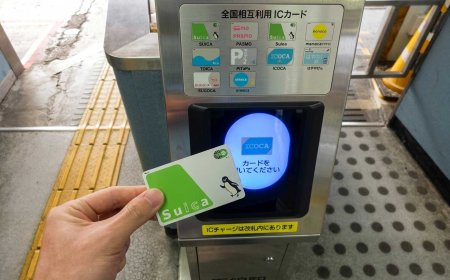
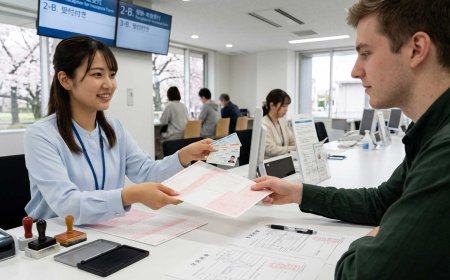
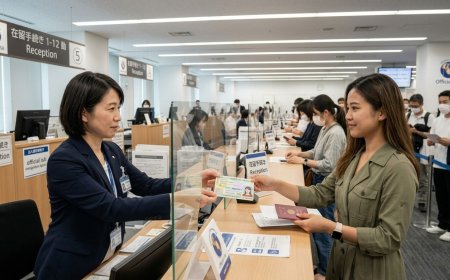
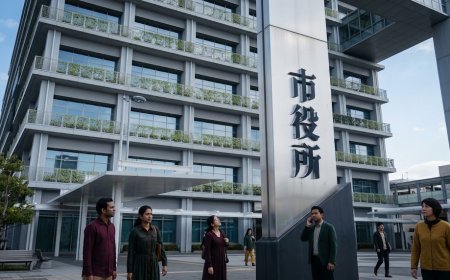
- Everyday bureaucracy: Even practical tasks highlight tradition: Tokyo’s subway still relies on cash or magnetic cards (no universal tap-pay yet), and government forms often require in-person visits. Outsiders might expect a high-tech metropolis, but many locals accept these “retro” systems as just how things work.
- Uniformity over individuality: In schools and offices, matching outfits (school uniforms, business suits) and polite routines reinforce the sense that standing out is not encouraged.
Work Culture and Corporate Life
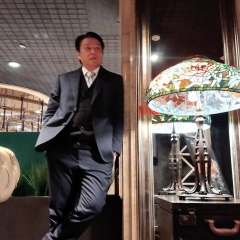
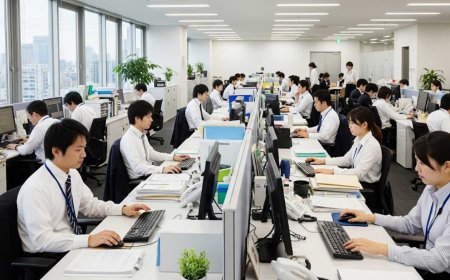
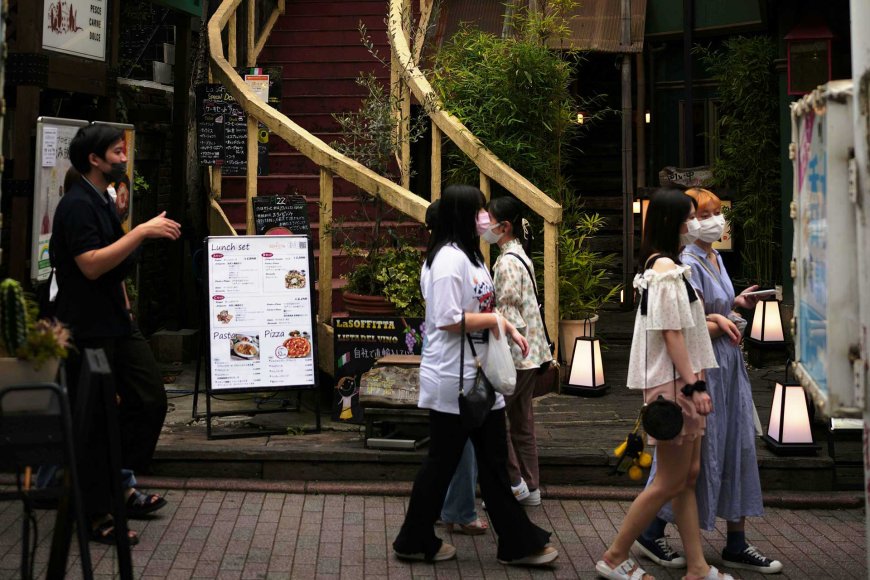
Long hours and strict etiquette are the norm in offices. Tokyo’s corporate districts are known for men (and women) in dark suits and quiet manners. A typical workday might start around 8:00 am and stretch to 9:00 or 10:00 pm, as colleagues linger at their desks or host after-work “nomikai” (drinking parties). Many young people find this exhausting. Leaving the office at 6:00 pm can feel like quitting early. This intense environment has a cultural name: karoshi, meaning “death by overwork,” a tragic outcome still discussed in Japan. Some recent college grads entering these companies express mixed feelings: they want to learn discipline and financial independence, but worry about having any personal life. In fact, surveys show young Japanese are increasingly prioritizing balance over climbing the corporate ladder; only around 30% say a fast-track career is important to them now.
- Typical scenario: It’s common to greet co-workers in the morning with bows and formal language. Breaking the ice socially often happens over rooftop beer or karaoke after work, because daytime chat is minimal.
- Changing attitudes: Young professionals report seeing more emphasis on efficiency and results, and less on mere face-time. Still, overtime culture persists, and bosses rarely push employees to leave for family or hobbies.
Youth Activism and Cultural Shifts
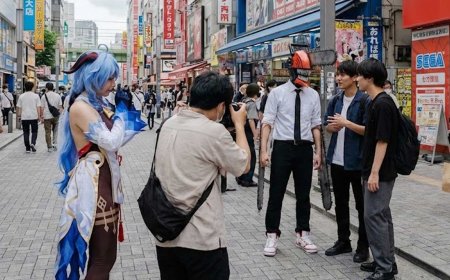
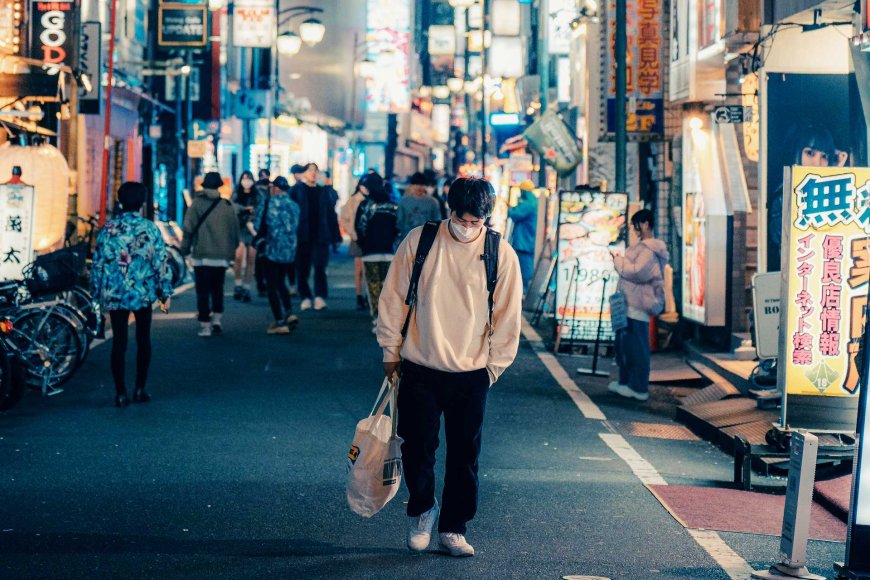
New voices and creative outlets are emerging. Historically, Japan has been seen as politically quiet, but more youths today are speaking up on social issues. Some have been inspired by global movements (for instance, many students learned about activism watching overseas protests) and by local incidents of injustice. Feminist and LGBTQ+ groups, anti-nuclear advocates, and even Tokyo youths supporting international causes (like solidarity rallies) have appeared. At the same time, cultural resistance thrives in independent art spaces: DIY music concerts, underground drag nights, and zine fairs allow young people to connect outside mainstream trends. Cosplay meet-ups, street art, and small film screenings in neighborhood “live houses” also provide community and self-expression. All these activities give Tokyo’s younger generation outlets for their creativity and concerns, knitting subcultures into a broader cultural fabric.
- Grassroots culture: Look for basement bars hosting electronic music or drag shows, and galleries featuring up-and-coming artists. These scenes often pair music with activism or social themes.
- Political engagement: While not universal, it’s increasingly common for students to participate in protests or online campaigns. Many cite the internet and social media as ways they learn about worldwide issues that schools don’t teach.
Cherry Blossoms and City Dreams
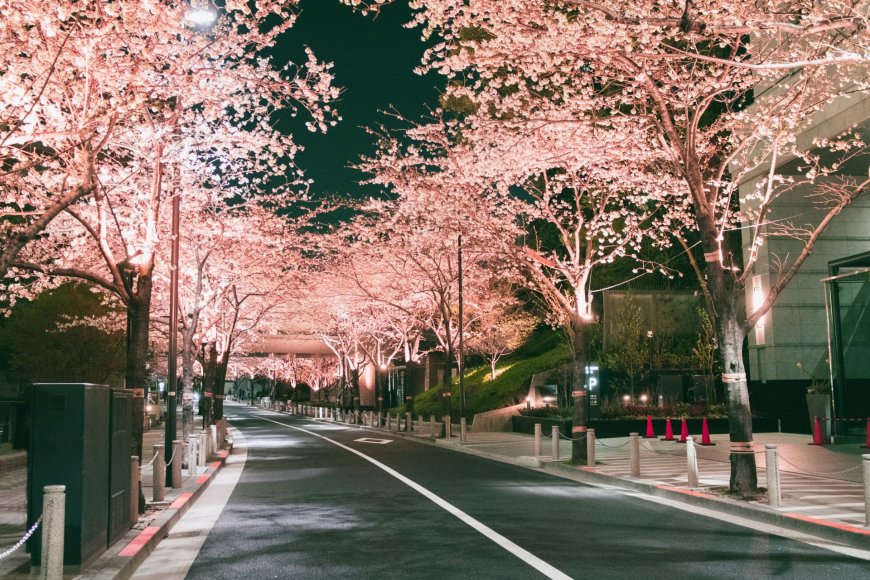
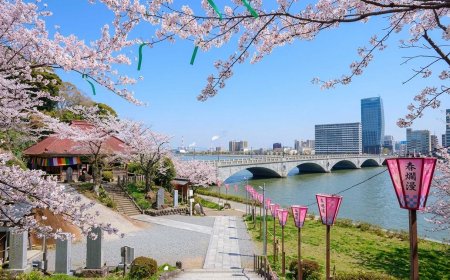
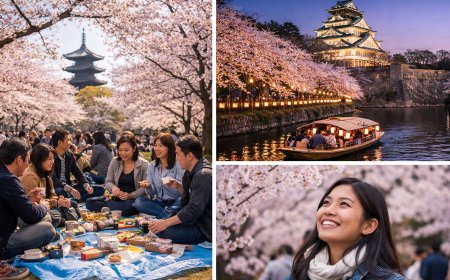
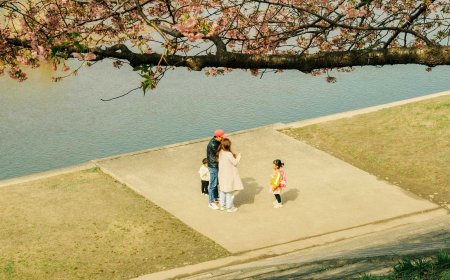
Tokyo’s contradictions are on full display. In spring, cherry blossoms bloom over parks where teenagers sip canned drinks and take purikura selfies under pink petals. Tourists snap photos of the same trees, then rush to the next neon-lit landmark. Meanwhile, back at Shibuya 109, stockrooms are refilled and new trends prepare to launch for summer. Tokyo’s famous crossing – thousands flowing in all directions beneath giant video ads – captures it all: a collision of beauty and burnout, tradition and change. For the city’s youth, Tokyo remains home – full of opportunity, but not without challenges. They love its safety, fashion and energy, yet are keenly aware of the pressures that lie just beneath the surface of this dazzling metropolis.
Nipino.com is committed to providing you with accurate and genuine content. Let us know your opinion by clicking HERE.