







































Top 10 Apartment Rules in Japan Foreigners Must Know
Apartment life in Japan can be peaceful and comfortable, but only if tenants understand the rules that keep buildings clean, quiet, and respectful. This guide explains the top 10 apartment rules foreigners must know to avoid complaints, extra fees, and trouble with landlords or neighbors.
Apartment Rules in Japan
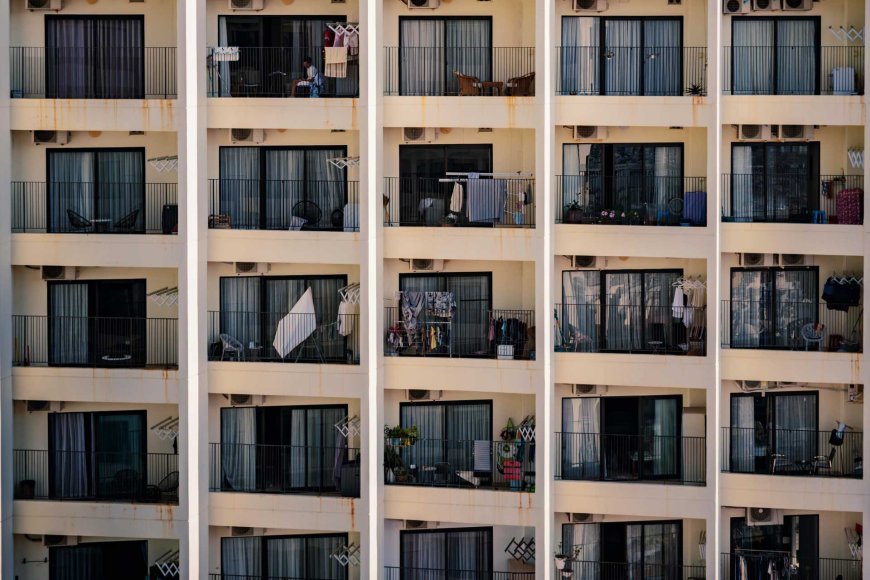
Living in a Japanese apartment can be peaceful, convenient, and surprisingly comfortable. The neighborhood is usually quiet, shared spaces are clean, garbage areas are organized, and people often respect each other’s privacy. But that calm environment does not happen by accident. It works because tenants follow rules—some written in the contract, some posted near the entrance, and some simply understood as part of daily life in Japan.
For foreigners, apartment rules in Japan can feel strict at first. Maybe you are used to inviting friends over late, doing laundry at midnight, leaving shoes or umbrellas outside the door, or throwing all trash into one bag. In Japan, those habits can quickly lead to complaints from neighbors or warnings from the property management company. The Ministry of Land, Infrastructure, Transport and Tourism’s rental housing guide warns that loud voices, parties, televisions, musical instruments, washing machines, vacuum cleaners, slamming doors, children running, and even taking a bath late at night can become noise problems in rental housing.
The good news is that these rules are not meant to make your life difficult. They exist because many people live close together, often in buildings with thin walls, shared entrances, and strict garbage systems. If you understand the rules early, apartment life becomes much easier—and your landlord, neighbors, and future deposit will thank you.
Want a smoother transition into life in Japan? Check out the Japan Starter Toolkit.
1. Keep Noise Low, Especially at Night
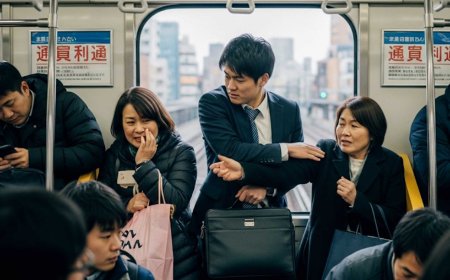
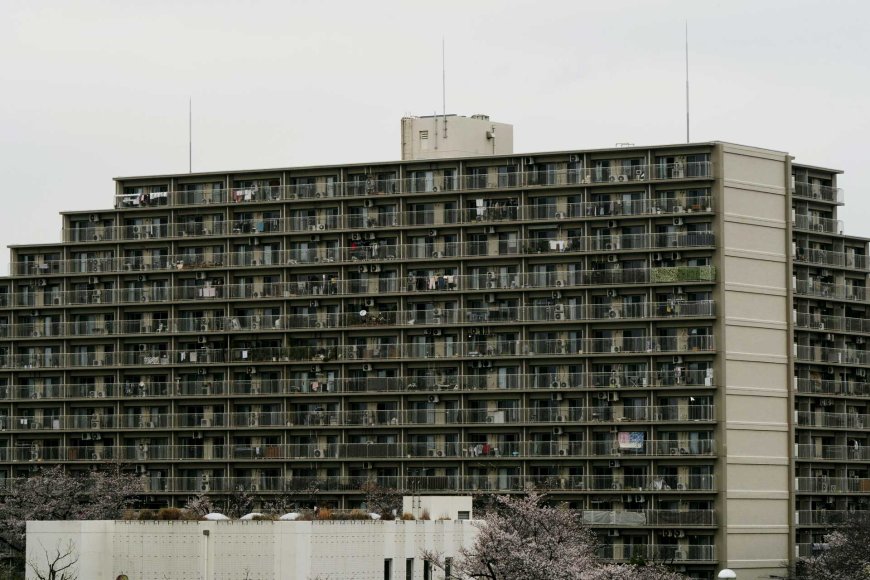
Noise is probably the most important apartment rule in Japan. Many Japanese apartments are not strongly soundproofed, especially older buildings and lightweight structures. A normal conversation may not be a problem during the day, but loud voices, music, online gaming, exercise, or phone calls late at night can easily bother neighbors.
Japan’s rental housing guidance specifically warns tenants to avoid disturbing people on the same floor, above, and below, especially late at night and early in the morning. It lists common sources of trouble such as parties, loud TV, stereos, musical instruments, vacuum cleaners, washing machines, children running, slamming doors, and late-night bathing.
A good habit is to treat 10 p.m. to 7 a.m. as quiet time. During those hours, avoid vacuuming, moving furniture, playing instruments, running laundry machines, or speaking loudly on video calls. If you teach online, record music, stream games, or work late, consider rugs, headphones, soft slippers, and sound-absorbing curtains.
Noise complaints in Japan are not just about volume. They are about repetition. One loud night may be forgiven. Repeated noise becomes a pattern, and that pattern can damage your relationship with neighbors and management.
2. Follow Garbage Sorting Rules Exactly
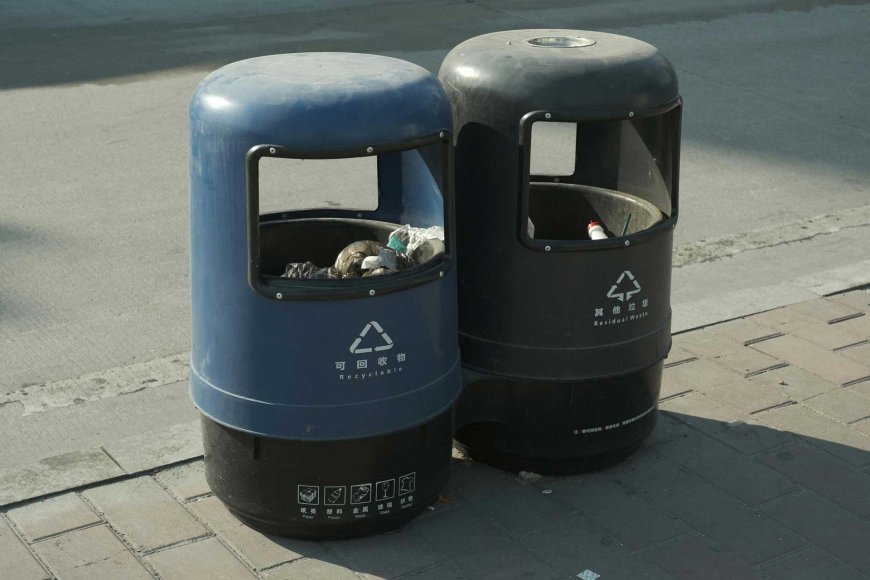
If noise is the first big apartment issue, garbage is usually the second. Japan’s garbage system can be confusing because rules differ by city, ward, town, and even building. You may need to separate burnable trash, non-burnable trash, plastics, cans, glass bottles, PET bottles, cardboard, paper, and oversized garbage.
MLIT’s condominium guidance says garbage disposal rules in Japan are strict and specified by area and building, with garbage sorted into categories and placed at designated locations on specified days and times.
Do not assume that “trash is trash.” In Japan, putting garbage out on the wrong day or in the wrong bag can cause problems for the whole building. Sometimes collectors refuse to take it, and the bag may be left behind with a warning sticker. If your name, mail, or delivery label is inside, the problem may come back to you.
When you move in, ask for the local garbage calendar. If it is in Japanese, translate it and save it on your phone. Pay special attention to plastic packaging, PET bottle labels and caps, spray cans, batteries, cardboard, and large items like futons or furniture. Oversized garbage usually needs advance reservation and a paid disposal sticker.
Complete Guide to Budgeting in Japan (Cost of Living, Savings, and Expenses)
3. Do Not Leave Personal Items in Shared Spaces
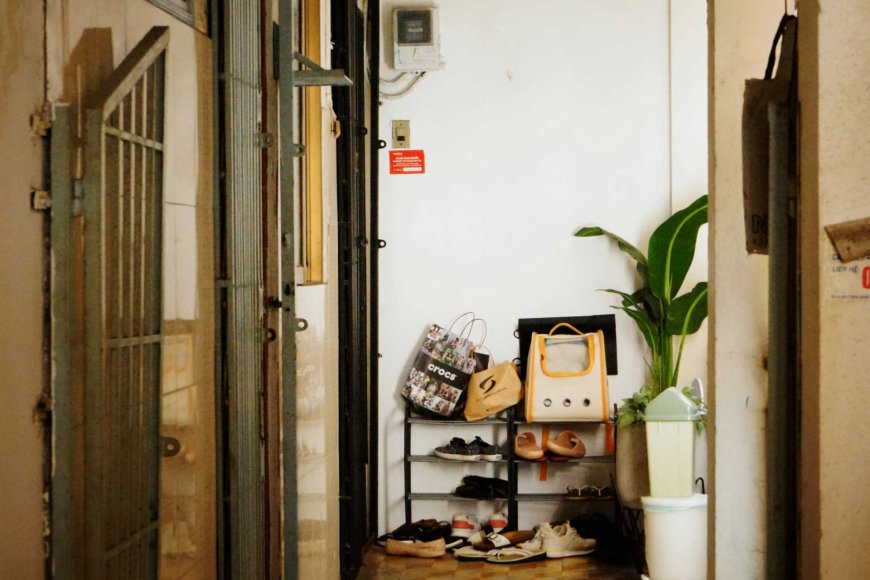
In many countries, leaving shoes, umbrellas, bicycles, strollers, plants, or boxes outside the apartment door may feel normal. In Japan, shared spaces are usually treated very seriously. Hallways, stairs, elevators, entrances, bicycle areas, and emergency exits are not private storage spaces.
Japan Living Guide explains that entrances, hallways, elevators, and areas in front of apartment doors are common areas, and tenants should avoid leaving personal belongings such as bicycles or strollers there.
This rule is partly about appearance, but it is also about safety. Hallways may serve as evacuation routes during earthquakes, fires, or emergencies. Blocking them with personal items can become dangerous. Even small things like umbrellas or shoe racks can lead to warnings if the building has strict management.
The safest habit is simple: keep your belongings inside your room unless the building provides a designated storage area.
4. Check Smoking Rules Carefully
Smoking rules can vary by property, but many buildings restrict smoking in common areas and on balconies. Some apartments may allow indoor smoking, but that does not mean there are no consequences. Cigarette smell, nicotine stains, yellowed wallpaper, and damaged ventilation can lead to expensive cleaning or restoration fees when you move out.
Japan Living Guide notes that balcony and common-area smoking is often prohibited, and indoor smoking may cause nicotine stains and odors that result in high restoration and cleaning costs.
If you smoke, read your lease carefully and ask management where smoking is allowed. Do not assume the balcony is safe. In many Japanese apartments, smoke drifting to neighboring balconies or laundry can trigger complaints quickly.
5. Never Keep Pets Without Permission
Japan has many pet lovers, but rental contracts are often strict about animals. Some apartments are pet-friendly, while others completely prohibit pets. Even small pets may require permission. This can include cats, dogs, rabbits, birds, reptiles, or other animals depending on the contract.
Keeping a pet secretly is risky. Pets can create noise, scratches, odors, allergy concerns, and cleaning issues. If management discovers an unauthorized pet, you may face warnings, extra cleaning fees, contract problems, or forced removal of the pet.
If you want a pet, search for ペット可 (petto ka) or pet-friendly properties from the beginning. Do not sign a no-pet apartment thinking, “Maybe they will not notice.” In Japan, neighbors notice more than you think.
Best Housing Options in Japan: Apartment vs Share House vs UR

6. Do Not Sublet or Add Residents Secretly
Your rental contract usually states who is allowed to live in the apartment. You cannot secretly add another resident, rent the room to someone else, use it as a guesthouse, or list it on short-term rental platforms without permission.
Japan Living Guide clearly states that subleasing a rental unit without permission is prohibited and may lead to eviction or legal consequences.
There is a difference between having an occasional guest and adding a new resident. If a partner, friend, or family member will live with you, talk to the landlord or management company first. Some contracts allow one person only. Others allow couples or families but require updated documents.
This rule matters because occupancy affects noise, water use, insurance, emergency contact records, and building management.
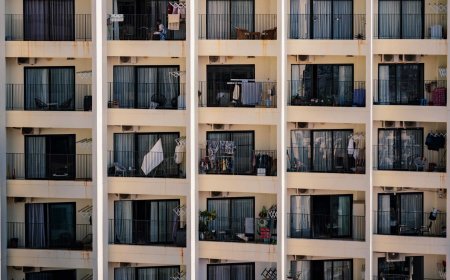
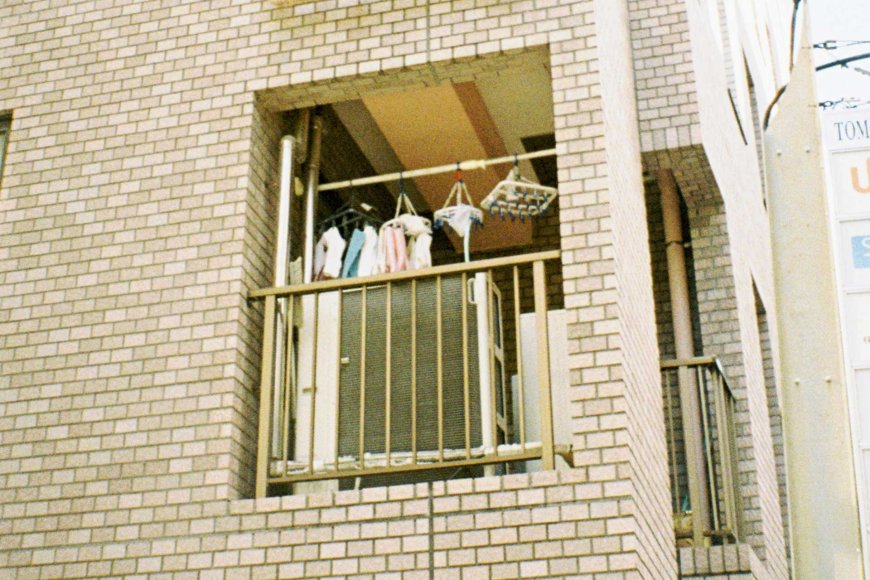
7. Use the Balcony Properly
Balconies in Japan may look like private outdoor spaces, but legally and practically, they often have special rules. Many are considered shared or emergency-use areas because they may connect to evacuation routes. That means you should not treat the balcony like a backyard.
Barbecues, fireworks, large storage, loud drinking, smoking, throwing water, hanging heavy objects, or blocking escape panels may be prohibited. Japan Living Guide notes that balconies are often considered common areas and that barbecues or fireworks with open flames are prohibited in many properties.
Using the balcony for laundry is common, but even laundry has manners. Secure clothes properly, avoid dripping water onto lower floors, and be careful with strong-smelling items. If your building has specific rules about futon drying or balcony use, follow them.
8. Ask Before Drilling, Renovating, or Changing Fixtures
A rental apartment is not yours to modify freely. You usually cannot drill holes, change wallpaper, paint walls, replace fixtures, install shelves, remove doors, change locks, or make renovations without permission.
MLIT’s guide explains that tenants in Japan have an obligation to restore rental housing to its original condition and may need to pay restoration costs if the property is damaged or dirtied due to improper use. Another MLIT guide says deposits are generally returned if tenants are not behind on rent, used the rental property carefully, and leave it clean, but repair costs may be billed if the tenant damaged, dirtied, or broke fixtures.
Use removable hooks, tension rods, floor mats, and furniture pads instead of permanent changes. Before installing anything serious—especially air conditioners, wall shelves, internet wiring, or large appliances—ask management.
9. Pay Rent and Fees on Time
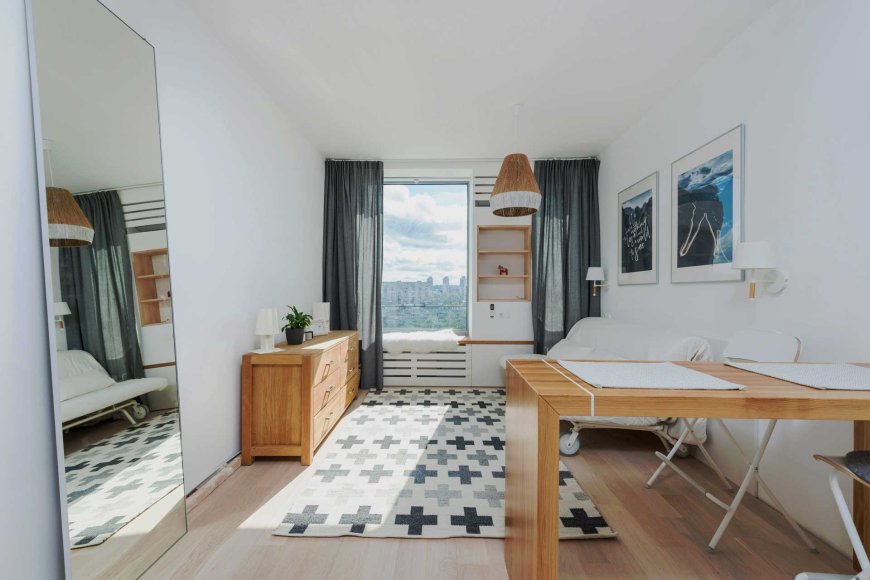
Paying rent on time is basic, but in Japan it is especially important because late payment can affect trust with your landlord, guarantor company, and future rental applications. Your monthly payment may include rent, management fee, parking fee, guarantor-related fee, or other charges depending on the contract.
If you use a guarantor company and miss payments, the company may contact you, your emergency contact, or the management company. Repeated late payments can create serious problems. Even if eviction is not immediate, your record and relationship with the landlord may suffer.
Set automatic payments if possible. If you know you will have a temporary problem, contact management early instead of disappearing. Silence makes problems look worse.
10. Restore the Apartment When Moving Out
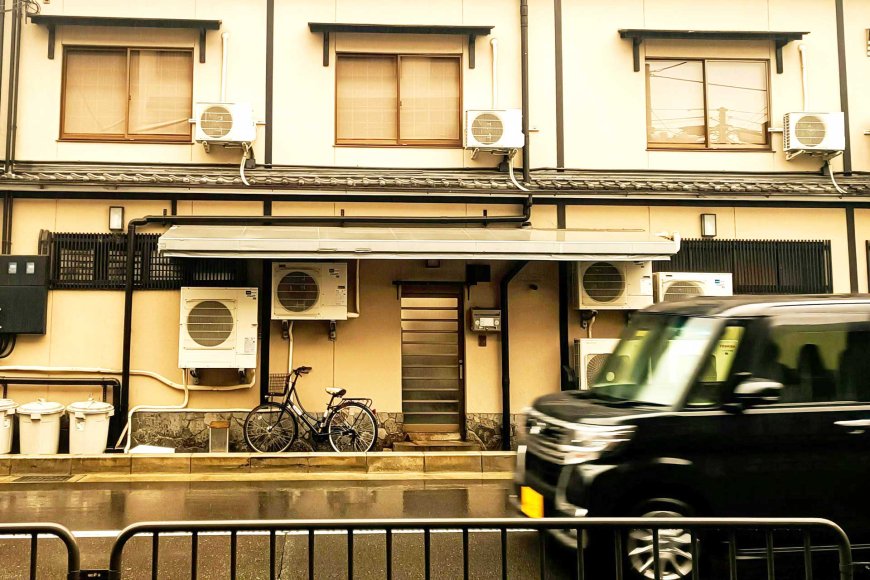
Moving out in Japan is not as simple as carrying your boxes away. The property must be inspected, cleaned, and restored according to the contract and normal wear-and-tear rules. Deposit deductions are a common concern for foreign tenants.
The key idea is 原状回復 (genjo kaifuku), often translated as restoration to original condition. This does not mean you must make an old apartment brand new. Normal aging and ordinary use are treated differently from damage caused by negligence, misuse, smoking, pets, stains, holes, or broken fixtures. MLIT’s tenant guidance says deposits are generally returned when rent is paid, the property is used carefully, and the tenant leaves it clean, but damage or dirt beyond careful use may lead to repair charges.
When you move in, take photos and videos. When you move out, clean carefully and remove all belongings. Do not abandon furniture or appliances. Large items must be disposed of properly through city procedures or recycling services.
Initial Costs of Moving into an Apartment in Japan (Full Breakdown)
Quick Guide: Apartment Rules and What Happens If You Ignore Them
| Apartment Rule | Why It Matters | Possible Problem If Ignored |
| Keep noise low | Protects neighbors’ peace | Complaints, warnings, contract trouble |
| Sort garbage correctly | Keeps building and city system clean | Garbage rejected, neighbor complaints |
| Keep shared areas clear | Safety and emergency access | Management warnings |
| Follow smoking rules | Prevents odor and wall damage | Cleaning/restoration fees |
| Get pet permission | Prevents damage, noise, allergy issues | Fees or contract violation |
| Do not sublet | Contract and safety control | Eviction or legal trouble |
| Use balcony properly | Fire safety and neighbor respect | Complaints or warnings |
| Ask before renovations | Protects property condition | Repair costs |
| Pay rent on time | Maintains trust and contract standing | Guarantor contact, penalties |
| Restore at move-out | Protects deposit and avoids disputes | Deposit deductions or bills |
Living Peacefully in Japan Starts at Home
Apartment rules in Japan may feel strict at first, but they are easier to understand when you see the bigger picture. Many people live close together, buildings often have shared spaces, and small habits can affect neighbors quickly. Quiet nights, clean garbage areas, clear hallways, and respectful balcony use help everyone live peacefully.
For foreigners, the smartest approach is not to memorize every rule perfectly on day one. The smartest approach is to ask, observe, and respect the contract. Read notices near the entrance. Check the garbage calendar. Ask management before making changes. Keep noise low at night. Pay on time. Take photos when you move in. These simple habits can save you money, stress, and uncomfortable conversations.
A good apartment life in Japan is not only about finding the right room. It is about becoming the kind of tenant neighbors and landlords trust. When you understand the rules, your apartment stops feeling like a place full of hidden traps and starts feeling like what it should be: your home in Japan.
Prepare Smarter, Live Better in Japan (FREE Download)
Download the First 7 Days in Japan Checklist (FREE)
Don’t guess what to do — follow a proven plan.
Download your FREE “First 7 Days in Japan Checklist” PDF now:
✔ Instant download
✔ Mobile-friendly
✔ Printable
Want the COMPLETE Version? (Premium Upgrade)
If you want a deeper, more powerful guide, there’s also a premium version available on Gumroad.
Nipino.com is committed to providing you with accurate and genuine content. Let us know your opinion by clicking HERE.