








































































The Silent Love Language: Acts of Service in Japanese Culture
Japanese people often express love through quiet acts of service rather than direct words or grand gestures. For many Filipinos, understanding this subtle love language becomes key to appreciating relationships, friendships, and everyday interactions in Japan.

The Art of Showing Love Without Saying “I Love You”
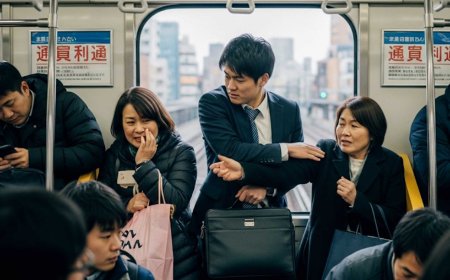
In Japan, affection rarely comes with dramatic declarations or emotional outbursts. Instead, it often appears in the form of consistent, thoughtful actions—like preparing someone’s favorite drink, offering to carry a heavy bag, or fixing something quietly without being asked. This form of love is rooted in the belief that actions reveal sincerity far more effectively than words. For many Japanese, to truly love someone is to quietly ease their burdens.
To an outsider, these gestures may seem small. But in Japanese culture, they hold powerful emotional meaning. They represent reliability, devotion, and awareness—qualities that define a long-lasting relationship more than verbal expressions ever could.

Why Acts of Service Matter So Much in Japan
The Japanese value honne (true feelings) and tatemae (public expression), creating an environment where emotional restraint is seen as a form of respect. Expressing affection openly can feel too direct, embarrassing, or disruptive to social harmony. Acts of service, however, allow people to communicate warmth while maintaining subtlety and dignity.
This is also connected to concepts like omoiyari (thoughtful empathy) and gaman (endurance for the sake of others). When someone wakes up early to prepare breakfast for a partner, or waits for them at the train station during bad weather, it is not merely a routine gesture—it is a quiet declaration of care.

Everyday Examples of Japanese Acts of Love
Small Acts with Big Meaning
- A husband repairing a broken shelf without mentioning it
- A mother cutting fruits into small, bite-sized shapes
- A girlfriend packing a lunchbox (bentō) with favorite dishes
- A coworker staying late to help finish a task
- A friend reserving a seat in a crowded café
These simple gestures form the backbone of affection in everyday life.
Love in Daily Routines
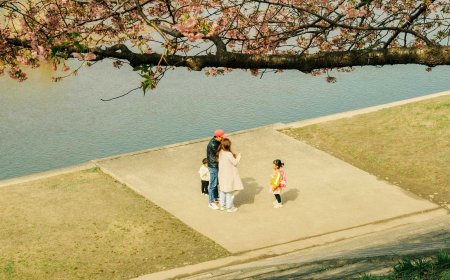
In Japan, it is common for couples to walk side by side with little physical touch. But the love is not absent—it appears through action: the partner holding an umbrella, the spouse warming the bath, the friend reminding someone to dress warmly. The quietness does not mean emotionlessness; it simply reflects a different cultural rhythm.

How Filipinos Interpret These Silent Gestures
Filipinos tend to express affection loudly and proudly: hugs, jokes, constant check-ins, “kumain ka na ba?”, and direct reassurance. When exposed to Japanese quietness, many Filipinos initially feel confused or undervalued.
From “Why don’t they say it?” to “Ah, they show it differently.”
Over time, however, Filipinos living in Japan start to understand that Japanese people show love through:
- reliability
- helpfulness
- consistency
- presence during difficult moments
A Japanese partner who quietly walks you home or fixes your bike is expressing love just as sincerely as a Filipino partner who says “I love you” every day.

Finding the Middle Ground: A Bicultural Understanding
When Filipinos and Japanese interact—whether romantically, as friends, or as coworkers—there is great potential for misunderstanding. But there is also potential for a deeper, more enriching connection. Filipinos bring warmth and open emotional expression. Japanese bring subtlety, mindfulness, and thoughtfulness.
Building Bridges Between Cultures
Understanding the love language of acts of service helps:
- reduce misinterpretation
- strengthen relationships
- encourage empathy
- create harmony in multicultural communities
Filipinos who embrace this Japanese style of affection discover a new, quiet, but deeply meaningful way of feeling loved.
Nipino.com is committed to providing you with accurate and genuine content. Let us know your opinion by clicking HERE.